
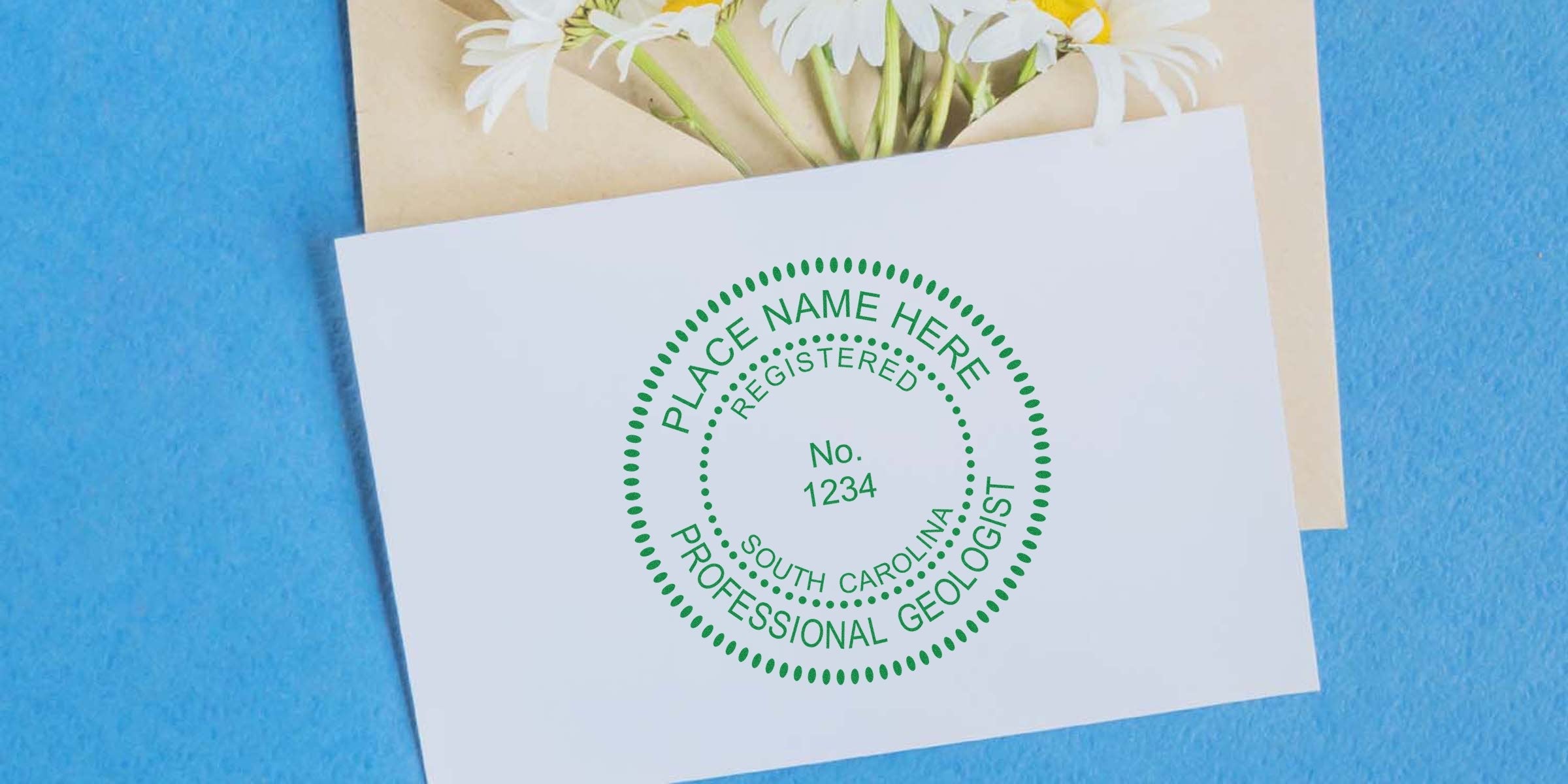
Looking to elevate your professional credentials in geology? A South Carolina geologist stamp embosser may be your secret weapon. Whether you’re new to the field or you’ve been practicing for a while, having a properly documented seal can validate your expertise and help you comply with local regulations. In this guide, we’ll explore why a geologist stamp embosser matters, how to set it up, and the key steps to keep it in excellent shape for years to come.
Discover The Significance Of A South Carolina Geologist Stamp Embosser
A geologist stamp embosser is more than just an accessory. It’s a symbol of credibility that confirms you’ve met certain qualifications, passed relevant exams, and proven your professional knowledge. In South Carolina, you’re required to authenticate reports, maps, and scientific documents with a unique seal that states you’re a licensed geologist.
Think of it this way: each time you press that embosser onto paper, you’re vouching for the accuracy of your work. That simple mark can help employers, clients, and regulatory agencies trust the data you present. By contrast, trying to pass off documentation without the right seal could raise eyebrows or even lead to invalid reports.
When you invest in a quality embosser, you’re also investing in your professional brand. You want something that leaves a crisp, consistent impression every time. After all, your seal should stand out clearly on official materials, from site examination forms to structural assessments.
Align With State Regulations
To practice geology in South Carolina, you’re expected to follow specific guidelines about how and where to apply your stamp or seal. Although these can seem daunting at first, the rules are designed to maintain a consistent, regulated framework for all licensed geologists in the state.
You’ll usually see requirements related to:
- Size and format of the seal
- Proper wording and layout
- Use of original signatures alongside the embossed seal
- Placement (for instance, on the cover page of reports or near signature lines)
If you have questions about specifics, you can check out the official South Carolina Geologist Stamp Requirements. These guidelines spell out your responsibilities in clear terms, ensuring you stay on the right side of local laws. Once you understand them, you’ll find it much easier to organize your documentation, from environmental surveys to historical site assessments.
Choose The Right Format: Stamp Vs. Embosser
You’ll come across both rubber stamps and embossers when shopping for official seals. Each option serves a similar purpose but offers a slightly different look and feel. Here’s a quick comparison to help you decide:
| Feature | Rubber Stamp | Embosser |
|---|---|---|
| Appearance | Ink impression, usually black or blue | Raised seal, no ink required |
| Portability | Lightweight and easy to carry | Can be heavier, though pocket embossers exist |
| Visibility | Clear, bold mark in ink | Raised surface adds a tactile, professional touch |
| Maintenance | Replace ink pads occasionally | Keep die plates clean, minimal ongoing upkeep |
| Typical Use | Fast stamping for frequent documents | Formal documents, final reports, official letters |
If you want to highlight your credentials in an especially crisp, professional manner, an embosser might be your best choice. Its raised impression automatically draws attention. Plus, it requires no ink, so you won’t have to worry about reordering or storing ink pads.
Still, many geologists prefer owning both a stamp and an embosser. That way, you’re ready for a range of documents, from quick site forms to bound reports that benefit from an embossed seal on the cover. Think about your daily workflow and choose what fits your needs best.
Use Your Embosser Correctly
Once you have your embosser, it’s worth taking a moment to learn proper technique. You’ll get the cleanest impressions if you press your embosser firmly but not to the point of forcing it. Overly strong pressure can cause smudges or uncomfortably deep creasing in the paper.
Here’s a basic guide to get started:
- Place Your Document: Position the page on a sturdy, flat surface so it doesn’t slide around.
- Align The Die Plates: Open the embosser and center the die plates on the exact spot where the seal should appear.
- Apply Even Pressure: Close the embosser handles gently, then press down gradually until you feel an even impression.
- Release Slowly: Lift the embosser straight up. Check the raised seal for clarity.
- Repeat If Needed: If the impression looks faint, you can lightly re-press or adjust your paper for a clearer mark.
Don’t forget that some regulations specify precisely where the seal needs to go. Always follow your licensing board’s guidelines, whether that’s in the top corner of a page or next to your signature line. This consistency helps your documents look professional and well-organized.
Why Trust Acorn Sales
Not all stamp or seal suppliers are created equal. At Acorn Sales, we’ve been in business since 1964, providing geologists and other professionals with high-quality stamps, embossers, and exceptional support. Our aim is to make sure you feel confident every time you seal a document.
You’ll appreciate some key perks when you work with us:
- Free Digital Seal Included: We understand that today’s professionals need digital versions of their seal for online submissions. That’s why we include a free digital seal with every purchase.
- Longevity And Durability: From the materials used to the assembly process, we prioritize long-lasting products.
- User-Friendly Designs: Our embossers are easy to handle, so you won’t break a sweat trying to apply your seal multiple times per day.
- Responsive Customer Service: Have a problem or question? We’re here to help with anything from explaining ordering details to offering tips on best usage practices.
Because we focus on quality, you don’t have to second-guess whether your seal will meet state standards. We’re up to date on the South Carolina requirements, ensuring our options match the specifications you’ll find in official guidelines.
Practical Tips For Maintenance
Even though an embosser is a relatively low-maintenance item, a few simple habits will help it perform well for the long run. Here’s how to keep yours in prime condition:
- Keep It Dry: If you’re working on a site with damp conditions or near water, store your embosser in a protective case or sealed bag. Moisture can rust metal components over time.
- Clean The Plates Gently: A soft, dry cloth is usually enough to wipe away any dust. Avoid abrasive cleaners that could damage the design.
- Check Alignment Periodically: If your impressions start looking lopsided, you might need to realign the die plates or inspect the hinges.
- Transport Safely: If you’re frequently on the go, consider a carrying case. Loose items in a bag can bump into the embosser, potentially bending its components.
Most embossers will last for years with minimal care. If you notice any unusual wear or difficulty pressing down, inspect the device more closely. It may require a simple adjustment or a replacement part. By acting quickly, you prevent any downtime that might disrupt your workflow.
Conclusion
Securing a reliable South Carolina geologist stamp embosser is one of the brightest moves you can make for your professional life. It shows you’re prepared to follow state guidelines, stand behind your scientific conclusions, and maintain a consistent standard of quality. From daily site logs to final project reports, that stamped or embossed seal signals credibility in a snap.
Remember, compliance in South Carolina starts with choosing the right seal and using it properly. With Acorn Sales, you can cross off the guesswork. We offer carefully crafted embossers, free digital seals, and over half a century of expertise to back you up. Give yourself the peace of mind you deserve, so you can focus on what you do best: delivering accurate, insightful geologic findings.
Frequently Asked Questions
Do I Really Need A South Carolina Geologist Stamp Embosser For My Documents?
” Yes. If you’re practicing geology statewide, official documents typically require either a stamp or an embossing seal. This ensures your reports and findings meet the professional standards set by the state.
Are There Specific Design Requirements For The Seal?
” Absolutely. South Carolina sets clear guidelines about wording, arrangement, and even boundary placement for your seal. That’s why it’s crucial to choose a reputable provider like Acorn Sales, which carries seals that align with local regulations.
Can I Use A Stamp Instead Of An Embosser?
” You can. Rubber stamps are allowed, as long as they match the required design. However, some professionals prefer an embosser because its raised impression evokes a stronger sense of authenticity. Others own both forms for flexibility.
How Do I Get My Free Digital Seal?
” When you place an order with Acorn Sales, we automatically include a digital version of your seal. You’ll receive it electronically, so you can upload it into PDF documents or other digital files whenever you submit a soft copy.
What If My Embosser Breaks Or Stops Working Correctly?
” First, check for alignment issues or minor obstructions. If the problem persists, contact us at Acorn Sales. We’ll help diagnose the issue and guide you on any needed repairs or replacements. Our support team is always ready to assist.








