
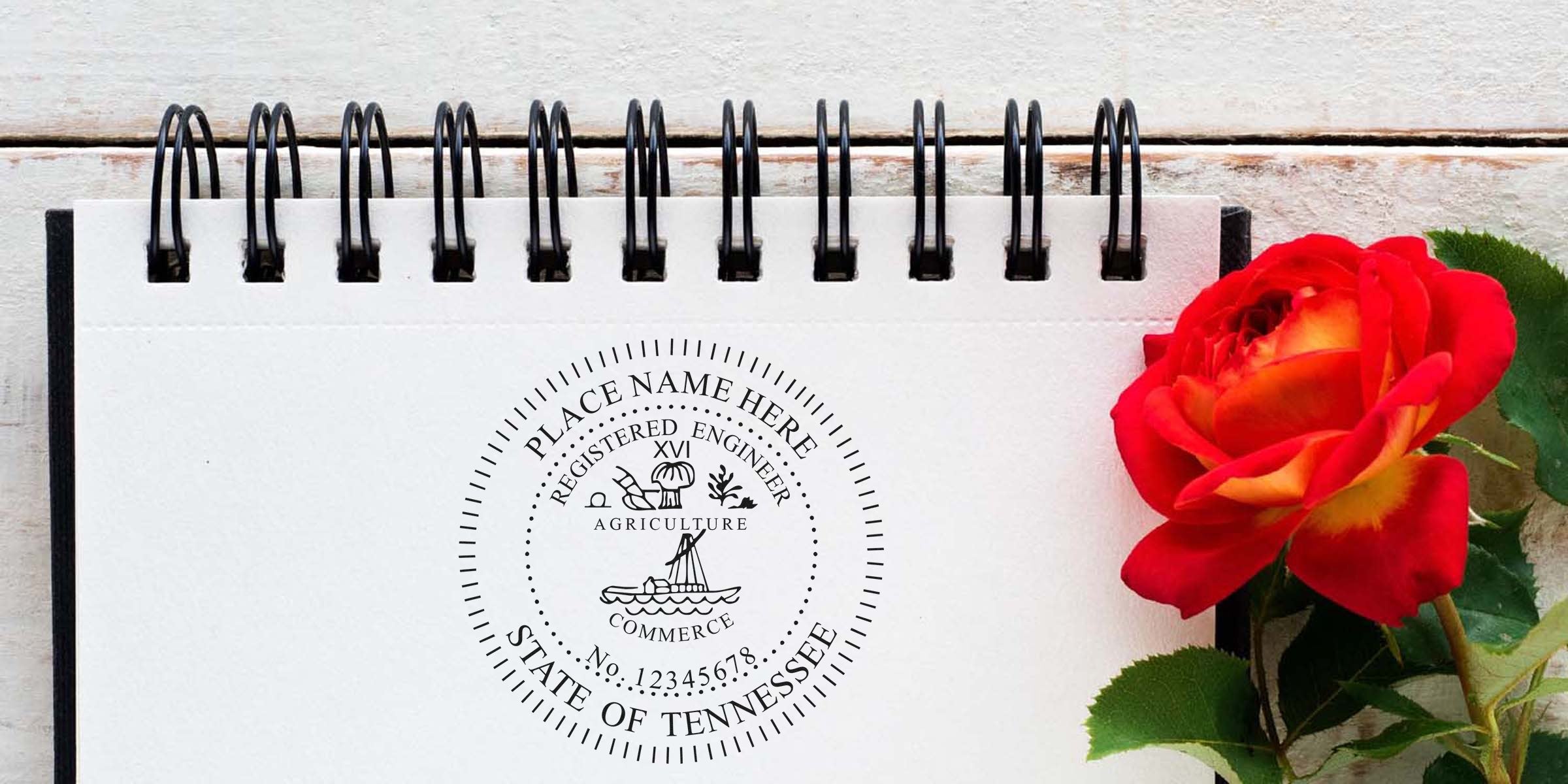
If you are planning an engineering project in Tennessee, chances are you have come across the phrase “professional engineer seal Tennessee.” This seal is more than a rubber stamp on some paper. It is your official credential, the mark that tells clients, regulatory bodies, and reviewing authorities that a qualified professional has overseen or created the plan. In short, it is a must-have if you want to practice as a licensed engineer in the Volunteer State.
But what exactly goes into getting this seal, using it, and staying compliant over time? That is where Acorn Sales can help. As a trusted supplier of Tennessee PE Stamps and Tennessee PE Seals for more than 60 years, Acorn Sales has guided countless engineers toward obtaining the right seal for their needs. Not only do you get top quality, but you can also enjoy a free digital seal with every purchase, plus fast service you can count on.
In this post, we will dive into what a professional engineer seal in Tennessee looks like, why it matters, and how to use it correctly. Along the way, we will cover format options, best practices, and tips for making the entire process as smooth as possible. Let’s jump in.
Explore the PE seal basics
Before digging into Tennessee-specific rules, it helps to understand what a PE seal is and why it is required. A PE seal stands for “Professional Engineer seal.” While it might seem like a small detail—just a stamped or embossed symbol—it actually carries a lot of weight in legal and professional circles.
What is a PE seal?
A PE seal is an official representation of your status as a licensed professional engineer. It includes:
- Your name
- Your assigned license number
- The words “Licensed Professional Engineer” (or a variant)
- State-specific information (in this case, Tennessee)
Together, these elements certify that you, as a credentialed engineer, have either prepared or reviewed and approved the documents on which the seal is placed. Whether you are dealing with structural plans, mechanical designs, or anything that falls within your licensed expertise, your seal acts as both a declaration and a promise: you are stating that the plans meet the required technical and safety standards.
Why the seal matters
So why go through the trouble? Your Tennessee PE seal shows everyone—from project owners to inspectors—that you stand behind your work. Clients trust professionals who are willing to put their “stamp” on a project. In fact, many legal and regulatory bodies demand a PE seal on all official drawings to ensure accountability. Without it, you might face licensing issues, delays in getting permits, or even legal complications.
When do you need one?
If you are planning to sign and seal documents for any engineering project that requires an official review for safety and code compliance, you will almost certainly need your seal. Typical instances include:
- Submitting design and construction documents for public or private structures
- Presenting technical reports to governmental agencies
- Authorizing modifications in industrial settings
- Certifying independent inspections or audits
Basically, whenever engineering is involved at a professional level, you will likely be required to provide your PE seal. The moment your name is on the line, the official seal must be too.
Understand Tennessee guidelines
Each state has its own requirements for sealing engineering documents. Tennessee is no different. The specific rules come from the Tennessee Board of Architectural and Engineering Examiners, which sets forth the guidelines for licensure, seal usage, and document preparation.
Licensing and board regulations
To become a licensed professional engineer in Tennessee, you must fulfill educational, exam, and experience criteria. After you meet these requirements and pass the Principles and Practice of Engineering exam, you can apply for your license. Once approved, the board assigns you a unique license number that will appear on your seal.
But the process does not stop there. You must keep your license in good standing by completing any continuing education or renewal steps the board requires. Failing to do so could result in penalties or the loss of your license, which in turn invalidates your ability to legally seal documents.
Legal documents and the seal
Tennessee law specifies that nearly all engineering documents intended for public or client use must feature both your signature and your seal. This includes project plans, technical drawings, design specifications, and similar paperwork. Some engineers think they only need a seal when applying for permits, but in many cases, you must seal any official documents you produce or approve.
It is also important to note that the seal must be legible. In other words, if you use a rubber stamp that smudges or an embosser that barely shows up on the page, you might violate the regulations. Make sure your seal is clear enough for an inspector or reviewer to read the details at a glance.
Protecting the integrity of your seal
The Tennessee Board expects you to safeguard your seal and prevent unauthorized use. That means not leaving your stamp out where others can use it, keeping digital seals in secure files, and notifying the board immediately if your seal is lost or compromised. The consequences of someone else misusing your seal could come back to you, so it is worth taking a few basic precautions to protect it.
Choose your preferred format
When you first think of a PE seal, you might picture a rubber stamp. In reality, you have a few options for how your seal can be applied to your documents. Each format has its pros and cons. Figuring out which one works best for you often depends on how frequently you plan to seal documents, whether you need on-site stamping, and whether you have to submit electronic files.
Common types of seals
Below is a quick overview of typical seal types you can consider:
| Seal Type | How It Works | Ideal Usage | Pros | Cons |
|---|---|---|---|---|
| Traditional Rubber Stamp | Requires a separate ink pad. | Low-volume, occasional stamping. | Cost-effective, classic option. | Ink can smear if not dried properly. |
| Self-Inking Stamp | Stamp body contains built-in ink. | Medium-volume use, easily portable. | Quick, clean impressions without extra pad. | Ink eventually needs refilling or replacement. |
| Pre-Inked Stamp | Ink is embedded in the stamp face. | High-volume or daily use. | Crisp, consistent impressions, long-lasting ink. | Slightly more expensive than standard stamp. |
| Embosser | Creates a raised impression in paper. | Unique, official look on final documents. | Professional aesthetic, hard to copy. | Can be tough to read on photocopies or scans. |
| Digital Seal | Electronic file with your PE details. | Online submissions, large-scale plan sets. | Quick, great for remote workflows. | Must comply with digital signature regulations. |
Each of these options is legally recognized in Tennessee, provided it meets the board’s specifications: it should display your name, your license number, and the correct state wording. Whether you want something physically tangible (like an embosser) or you are going paperless with a digital file, you can pick the seal format that best suits how you work.
Mixing and matching
Some engineers prefer having both a physical stamp and a digital seal. This gives them maximum flexibility. You might have some city permits that need a physical copy, so a traditional stamp or embosser is perfect. Meanwhile, for electronic plan submissions, a digital seal might streamline your procedure. It’s all about ensuring you have the right tool for the right job.
Practical tips for usage
- Always test a new stamp on scrap paper. Check the clarity of the text and the license number.
- If you choose an embosser, consider a dark ink highlight (or a “crimp-cover”) for greater readability in scans.
- Update your software or graphic design program if you use digital seals, ensuring the date and license information are correct.
- Store your seal properly. Dust and moisture are enemies of crisp impressions.
Rely on Acorn Sales
Now that you know your seal options, you might be wondering where to get a Tennessee PE stamp or seal that meets all the guidelines. Acorn Sales is a name you can trust. With more than 60 years of experience as a stamp and seal maker, we pride ourselves on delivering top-quality products to engineers, architects, notaries, and other professionals.
A tradition of quality
At Acorn Sales, quality control is woven into everything we do. Each stamp or embosser we produce goes through meticulous checks to ensure it meets or exceeds the state’s specifications. This attention to detail means you can rely on a crisp, clear, and compliant seal every time you place it on an important document.
Free digital seal with purchase
We realize that engineering jobs are increasingly shifting toward electronic submissions, so we offer a free digital seal with your purchase of a traditional Tennessee PE stamp or embosser. This digital file is handy when you have to seal PDFs or other electronic documents. We keep the design consistent with your physical seal, which makes your brand and identity immediately recognizable.
Fast service you can depend on
Ever been stuck waiting on a stamp or seal that took far too long to arrive? We understand how frustrating that can be when deadlines are looming. At Acorn Sales, we make it our mission to fulfill orders swiftly, so you are never left in the lurch when you need to submit your documents on time. If you need a quick turnaround, we can accommodate that. Let us know, and we will do our best to expedite your order.
Support from start to finish
Our team is here to answer any questions you have about Tennessee’s requirements for a professional engineer seal. Unsure which seal is right for you? Need advice on how to care for your embosser? We are just a call or email away. You will never be stuck guessing as you navigate the licensing and stamping process. After all, we have been doing this for decades, and we’re happy to share what we have learned.
Streamline your ordering process
If you like the idea of a smooth, hassle-free way to get your official stamp or embosser, you can check out our Tennessee Engineer Stamp page. There, you will find step-by-step details on selecting, customizing, and placing your order.
Step 1: Gather your details
Before you buy, make sure you have your correct name, your license number, and any specific text required by the Tennessee Board. A simple mistake in spelling or digits will mean a useless seal that you cannot legally use, so double-check everything. Accuracy saves time and money.
Step 2: Pick a seal format
Decide which type of seal suits your workflow. Review the table above to weigh your options. If you need an embosser for that professional raised look, go for it. If time is of the essence and you stamp piles of documents daily, a pre-inked stamp might be a better choice.
Step 3: Place your order
When placing your order, fill in the required fields, such as your full name, license number, and shipping address. If you need an extra personal touch or a particular layout, let us know. Then it is just a matter of checking out. Our site is user-friendly, but if you have questions, contact us and we will walk you through it.
Step 4: Receive your seal (and your free digital version)
You will have your physical seal in hand before you know it. Meanwhile, your digital seal will be available to you promptly, so you can start e-sealing your documents right away. This dual approach saves you from having to order a separate digital file from another vendor.
Step 5: Test it and get sealing
On arrival, test your seal on a scrap piece of paper or a practice drawing. Make sure the impression is crisp and that all the text is correct. Once satisfied, you are good to go. You are now ready to sign and seal your official engineering documents with confidence.
Ensure ongoing compliance
Sealing your drawings for a big project is not a one-time exercise. Keeping up with the regulations and ensuring the longevity of your seal can save you from unexpected hiccups down the line. Even the best stamp or embosser does you no good if you do not maintain it and comply with the state’s evolving guidelines.
Renew your license on time
Your professional engineer license in Tennessee is subject to renewal periods. Depending on the board’s schedule, you may need to renew every couple of years and meet continuing education requirements. Make sure you stay on top of these deadlines. If your license lapses, your seal is no longer valid, and you could face penalties for stamping documents while out of compliance.
Store your seal securely
Physical seals, especially rubber stamps and embossers, need to be kept in a safe spot where unauthorized people cannot access them. You do not want anyone else placing your seal on documents without your knowledge. A locked drawer or secure office cabinet usually does the trick.
Digital seals also need protection. Keep them encrypted or password-protected, especially if you store them on a shared computer or in a cloud drive. A breach could allow someone else to steal your seal image and misuse it.
Inspect your stamp regularly
Over time, ink pads dry out, rubber can wear down, and embossers might lose their crispness. Conduct periodic checks—perhaps once a month or before you begin a large project—to ensure your seal still prints clearly. If you notice smudging or faint impressions, it might be time for a replacement ink pad or a tune-up. With an embosser, check if the crimp is still sharp enough to leave a clear, raised impression.
Keep up with state regulations
Regulations can change. New rules might specify updated text for your seal, new ways to handle digital signatures, or additional disclaimers on certain documents. The best way to avoid surprises is to periodically check the Tennessee Board’s website or subscribe to their announcements. A quick update could save you from having to re-stamp dozens of documents later on.
Know when to re-order
If you have changed your name or if the board has updated your license number, you will need a new seal. Some engineers forget this step if they legally change their name after marriage or for other reasons. Using a seal with outdated information is not only inaccurate but might be considered invalid by the board. Be proactive, and re-order a properly updated seal as soon as any of your license details change.
We strive to process orders fast. The exact time frame depends on factors like the complexity of your seal design and current shipping availability. However, in many cases, your seal can be on its way to you within a couple of business days. If you are in a rush, contact our team so we can expedite your order.
By taking care of your professional engineer seal in Tennessee, you are ensuring the legitimacy of your work, the satisfaction of your clients, and the safety of any structures or systems you design. A properly used seal highlights your commitment to the highest professional standards.
If you are still not sure how to get started or need guidance on the best seal format for your specific needs, remember that Acorn Sales is here to help. We have been making PE stamps and seals for over 60 years. With our experience on your side, you can focus on what you do best—delivering top-notch engineering solutions for your clients—while we take care of the official finishing touches that help you stand out. Reach out to us anytime, and let’s get your seal on the way so you can get those projects moving forward.
Frequently Asked Questions
Do I need a PE seal for every drawing?
You should seal every final version of a document that is being submitted for official purposes, such as permit applications or client approvals. While preliminary sketches in-house might not need a seal, anything that goes out for formal review typically does. Check with your local permitting office or your client’s guidelines if you are unsure.
How do I store my stamp or seal?
Keep physical stamps in a locked drawer or filing cabinet, away from moisture or extreme temperatures. That will help preserve the rubber or metal components. For digital seals, store them in a protected folder on your computer or an encrypted cloud service to prevent unauthorized access.
What if my seal gets damaged?
If your physical stamp is torn, smudging, or otherwise compromised, it is best to replace it. The same logic applies if your embosser stops leaving a clear, uniform imprint. Using a faulty seal can create issues with document acceptance, so do not risk it by using a damaged one. Let us know at Acorn Sales, and we can help get you a new seal quickly.
Are electronic seals acceptable in Tennessee?
Yes, electronic seals are acceptable. Many state agencies and local jurisdictions now accept or even prefer digital submissions. Just be sure to follow any guidelines regarding digital signatures and secure file formats. When you order a physical seal from Acorn Sales, you will also receive a free digital version to use on electronic documents.








