
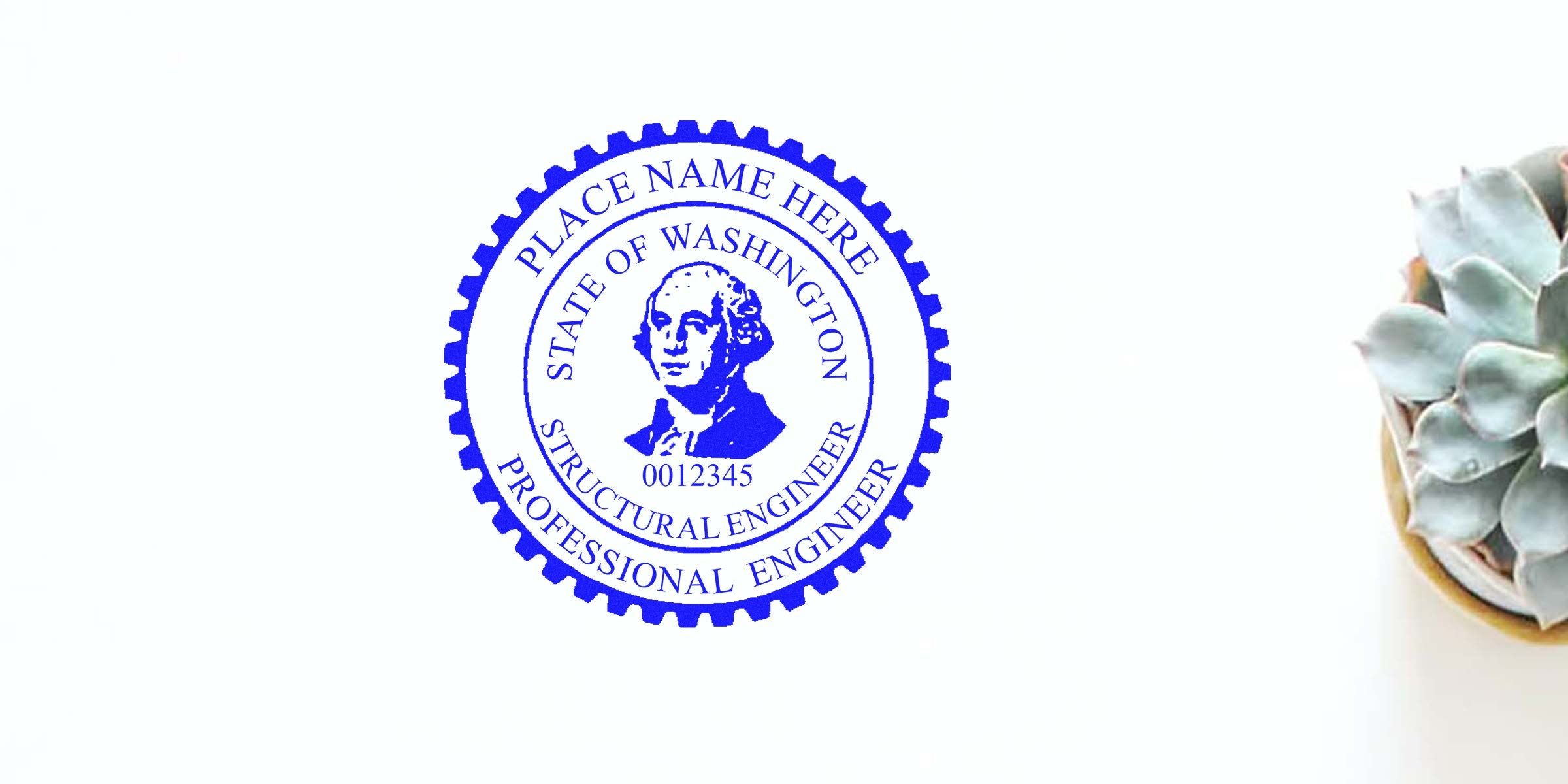
If you’re in Washington and getting ready to kick off an engineering project, one of the first tools you’ll need is a proper washington engineer stamp. This official seal (also known as a PE stamp) serves as tangible proof that you’ve met state licensing standards. It’s not just about formality, though. When you apply a stamp to plans, drawings, or reports, you’re guaranteeing that your work meets professional engineering requirements in Washington. That’s a big responsibility, but it can also unlock new opportunities and smoother approvals on your projects. Below, you’ll find a detailed look at why you need this stamp, how to get it, and practical ways to use it confidently.
Understand the significance
A Washington engineer stamp isn’t just an inked mark. Think of it like a handshake between you, your client, and local authorities. By stamping plans with your state-approved seal, you’re saying, “This project meets all required standards, and I stand behind every detail.” It’s a huge confidence boost for clients, coworkers, and government agencies who rely on your expertise.
But it’s not only about trust. In many jurisdictions, stamped engineering documents are a non-negotiable requirement before building permits are issued. No stamp can mean big headaches, like halted construction or even legal trouble. You’ve worked hard to earn your engineering license. The stamp is your ticket to putting that license into action on real plans and projects.
Where the stamp really matters
- Building plan approvals: Most structural, mechanical, or civil plans require an official seal from a state-licensed engineer.
- Legal protections: If questions arise about compliance, your stamped documents serve as documented proof of due diligence.
- Client assurance: People are more willing to invest in a project when organized professionals, like you, are in charge.
Stamped documents often go through extra scrutiny, which actually helps maintain the integrity of your work. Instead of encouraging doubt, the stamp confirms your information is accurate and aligned with Washington’s guidelines. Ultimately, that can save you — and everyone else involved — from costly mistakes or misunderstandings.
Check licensure rules
Before you order or use your stamp, you have to confirm you’re fully licensed to practice in Washington. That includes following Washington’s regulations on continuing education or renewal deadlines, if applicable. The last thing you want is to invest time and money in a tool you’re not legally allowed to place on official documents.
Going through state requirements
If you’re a newcomer to the Washington engineering scene, here’s a broad outline of what you might expect:
- Educational background: Typically, you need an ABET-accredited (Accreditation Board for Engineering and Technology) degree in engineering.
- Exams: You’ll take the Fundamentals of Engineering (FE) exam before tackling the Principles and Practice of Engineering (PE) exam.
- Experience: You usually need at least four years of supervised engineering work to qualify for the PE exam.
- Application and fee: You submit your application to the Washington State Board of Registration for Professional Engineers, along with the required fees. After they review it, you’ll get a green light to sit for the exam or finalize your license.
Once your license is in the bag, it’s time to figure out the specific stamping guidelines, like size or layout of the seal. If you’re curious, check out washington pe seal requirements for a rundown of official rules. It’s wise to make sure your personal details match those on file with the licensing board. If your name on the stamp doesn’t line up with your registered name, it can lead to confusion or even project delays, especially when you submit documents to local building departments.
Select the best design
Your washington engineer stamp comes in different styles, so you get to choose what works for your projects and personal workflow. Some people love the convenience of a self-inking device, while others prefer the traditional look of an embosser. It’s a bit like picking a favorite pen. Each type has its own feel and function, but they all get the job done when it comes to meeting official requirements.
Exploring stamp vs. embosser
- Rubber ink stamp: This classic style helps you quickly stamp numerous pages without a big hassle. It often includes a replaceable ink pad, making it easy to keep your impressions crisp and clear.
- Self-inking stamp: Built-in ink cartridges eliminate the need for separate ink pads. It’s tidier, but you’ll have to refill or replace the cartridge periodically.
- Embosser: An embosser creates a raised seal, giving your documents a bespoke, professional look. If you’re attracted to an elegant finish, consider a washington engineer seal embosser. It’s particularly useful for showing authenticity on paper copies that are physically handed in.
Regardless of the type, Washington’s rules specify certain design elements, such as a circle or a line border, your name, license number, and the “Professional Engineer” designation. For more info, you can check out washington engineer stamp design. That page helps you see what official agencies in Washington expect you to incorporate into your new seal.
Considering custom features
If you’d like to set your stamp apart — maybe add your area of specialization or a unique flair — there are custom options too. You can do that as long as your modifications don’t clash with the legal requirements. To see if personalization fits your needs, take a look at washington engineer stamp custom. Just remember that clarity is key, and your name plus license details must remain legible to pass muster with reviewers.
Complete your certification steps
Once you’ve settled on a design, there’s still a bit of a road to travel before you can legally place your seal on a stack of documents. In Washington State, you’ll typically need a few final checks, such as license verification, especially if you’re operating under a business name. Each region may vary, so always confirm local guidelines to avoid surprises.
Confirming official certification
To stay on the safe side, you’ll want to:
- Verify your license status: Check the official database to ensure your license or registration reflects your current name and any specialty areas.
- Note expiration dates: Every professional license has a renewal requirement. Plan to update your stamp if you transition from an “active” to “retired” or “inactive” status.
- Fulfill any post-licensure training: If Washington or your local jurisdiction has ongoing educational requirements, keep those certificates handy.
In the meantime, if you’re unsure about finalizing your seal usage, washington engineer seal certification offers pointers on bridging the gap from “licensed” to “certified to stamp.” Even the most experienced pros sometimes miss small details that can lead to a project being questioned. Double-check each item on your checklist to ensure a smooth path forward.
Coordinating with your project team
If you’re part of a larger engineering or construction team, loop in your peers as well. That includes project managers, architects, and subcontractors who rely on your stamp to certify structural designs, mechanical details, or civil plans. Clarity up front eliminates confusion later. By the time you fix your seal onto that first document, everyone should know exactly how your stamp finalizes and authenticates the plans.
Know when to replace
Even a top-notch stamp isn’t permanent. Over time, ink can run dry, embosser mechanisms might age, or your license status might change. Any one of these scenarios could prompt you to order another seal. The good news? Updating or replacing your stamp doesn’t have to be a hassle.
Common reasons for replacement
- Name changes: Did you marry or legally alter your name? You’ll need a fresh stamp reflecting your official new identity.
- License reissue: If you upgrade your license category or have a number change, your stamp should match.
- Wear and tear: Even the sturdiest embossers eventually lose their crisp impression. The same goes for ink pads.
Whenever life events or professional shifts require a new stamp, swing by washington engineer stamp replacement for help getting set up with a correct, compliant version. A minor expense now can save you from big liability issues later if someone questions your documentation.
Pro tip on storing your stamp
Treat your stamp (or embosser) like you’d treat any valuable tool. Keep it in a dry, secure spot, away from direct sunlight or moisture. If you carry it to multiple client sites, store it in a protective case. That way, you won’t risk damaging the device or accidentally stamping something it wasn’t meant for. A dinged-up seal might not leave the clear impression required for official submissions.
Use it with confidence
Having a washington engineer stamp is one thing, but applying it correctly is another. Think about each document’s requirements. Some forms need a signature adjacent to the seal, while others might only want a stamped area with a date. The key idea is consistency: each stamped document should clearly link back to your professional identity, your license number, and the date of issuance. This way, it’s obvious you witnessed the final version of the plans.
Check size specifications
When you prepare your technical drawings, you’ll want your stamp to fit neatly into the layout without overshadowing crucial details. If your seal is too large, it can obscure part of the design. Too small, and it’s easy to miss. If you’re not sure which scale works best, swing by washington engineer seal size specifications. It’ll help you see the recommended dimensions. Having a standardized size ensures your stamp looks crisp and official on every printout.
Top usage tips
- Don’t stamp prematurely: Wait until you’ve reviewed, approved, and finalized the entire plan or report. That’s because your seal implies it’s your final, professional opinion on record.
- Include your signature: Often, an engineering stamp is paired with your signature and the date. Double-check local codes, because sometimes you’ll need to initial each page, too.
- Retain a copy: Keep digital or paper copies of stamped documents for your own records. Should questions arise one or two years down the line, you can refer back to the original for clarity.
Order your stamp quickly
When you’re ready to buy, the best approach is to have your license information handy. That typically includes your name as it appears on your certification, your official license number, and sometimes your specialty. If you already know which type of stamp or embosser you prefer, ordering can be done in minutes. You can even find an online service to place your request. Check out the washington engineer stamp online order link if you want a straightforward way to purchase.
Steps to place an order
- Confirm your details: Double-check name spellings, license numbers, and any required text like “Professional Engineer” or your specific discipline.
- Select your style: Rubber stamp, self-inking stamp, or embosser, depending on your taste and typical workload.
- Review proof: Many providers send a digital proof of your seal before final production. This is your chance to spot mistakes or request changes.
- Pay and await delivery: Once you finalize and pay, shipping can take a few days to a few weeks, depending on your chosen method.
If your project deadlines are tight, consider expedited shipping or an express production option. Just plan ahead so you’re not panicking when a local agency requires stamped documents but your seal is still en route.
Comparing vendors
Not all stamp providers are created equal. Some might offer quick turnaround times but fewer customization choices. Others may allow for a personalized design but need additional processing time. Before placing your order, read reviews or ask colleagues which vendors they trust. A well-made stamp should last for years, so it’s worth investing in a reputable producer.
Bring it all together
Your washington engineer stamp represents much more than a bit of ink on a page. It’s the culmination of your education, experience, licensing efforts, and professional integrity. By applying a seal to documents, you’re showing stakeholders that your plans and designs meet rigorous standards in Washington State.
- It starts with confirming your license and the relevant regulations.
- Then, you choose a design (like a custom embosser or self-inking stamp) that suits your day-to-day needs.
- You finalize key steps for certification, staying on top of continuing education or board requirements.
- Whether it’s worn out, your name changes, or your license info updates, you replace the stamp when needed.
- You confidently place your seal on documents, paying attention to size, clarity, and the proper sign-off.
- And if you haven’t ordered yet, you can easily do so by following a few simple steps online.
When you’re prepared with the right seal, you’re able to get your blueprints or final designs approved more quickly. You’ll also build trust with clients because they know they’re working with a licensed, professional engineer. So, the next time you’re surprised by how many times a building permit form references “official stamp required,” relax. You’ve got the tools and know-how to handle it. If you have any unique project concerns, loop in your colleagues or reach out to state board representatives. They’re often happy to clarify minor details.
In the end, a Washington engineer stamp can feel like a small detail in the broader scope of design work. Yet, it carries a mighty amount of weight when it comes to legal, professional, and ethical standards. Handle it with care, double-check your usage, and keep it up to date. That way, every time you set that seal down on a page, you do so with total peace of mind.
Frequently Asked Questions
What is a Washington engineer stamp and why do I need one?
A Washington engineer stamp, also called a PE seal, is the official mark that shows your engineering documents were prepared or reviewed by a licensed professional engineer in Washington. It helps demonstrate compliance, builds trust with clients and regulators, and is often required for permit approvals, stamped drawings, and engineering reports.
When is a Washington PE stamp required on engineering documents?
A Washington PE stamp is typically required when submitting plans, drawings, or reports that need professional engineering approval for building permits or regulatory review. This is especially common for structural, civil, mechanical, and other documents where licensed engineer oversight is needed. Always check local jurisdiction and board requirements before submitting.
What information must be included on a Washington engineer stamp?
A compliant Washington engineer stamp usually includes your full name, license number, and the “Professional Engineer” designation. Some seals may also include a border or other design elements required by Washington rules. It’s important that the name and license details match your official licensing records exactly.
Can I order a Washington engineer stamp online?
Yes, you can order a Washington engineer stamp online once your license information is confirmed. Before ordering, make sure your name, license number, and stamp style are correct, and review any digital proof provided by the vendor. This helps avoid delays and ensures your stamp is compliant for official use.
What is the difference between a Washington engineer stamp and an embosser?
A Washington engineer stamp is usually an ink-based seal used to mark drawings and reports quickly, while an embosser creates a raised impression on paper. Both can be used professionally, but an embosser is often chosen for a more formal appearance on physical documents. The best option depends on your workflow and the document requirements you work with most often.
When should I replace my Washington engineer stamp?
You should replace your Washington engineer stamp if your name changes, your license number is updated, your seal becomes worn, or your license status changes. A replacement may also be needed if the stamp no longer matches Washington PE seal requirements. Keeping your seal current helps prevent project delays and document rejection.








