
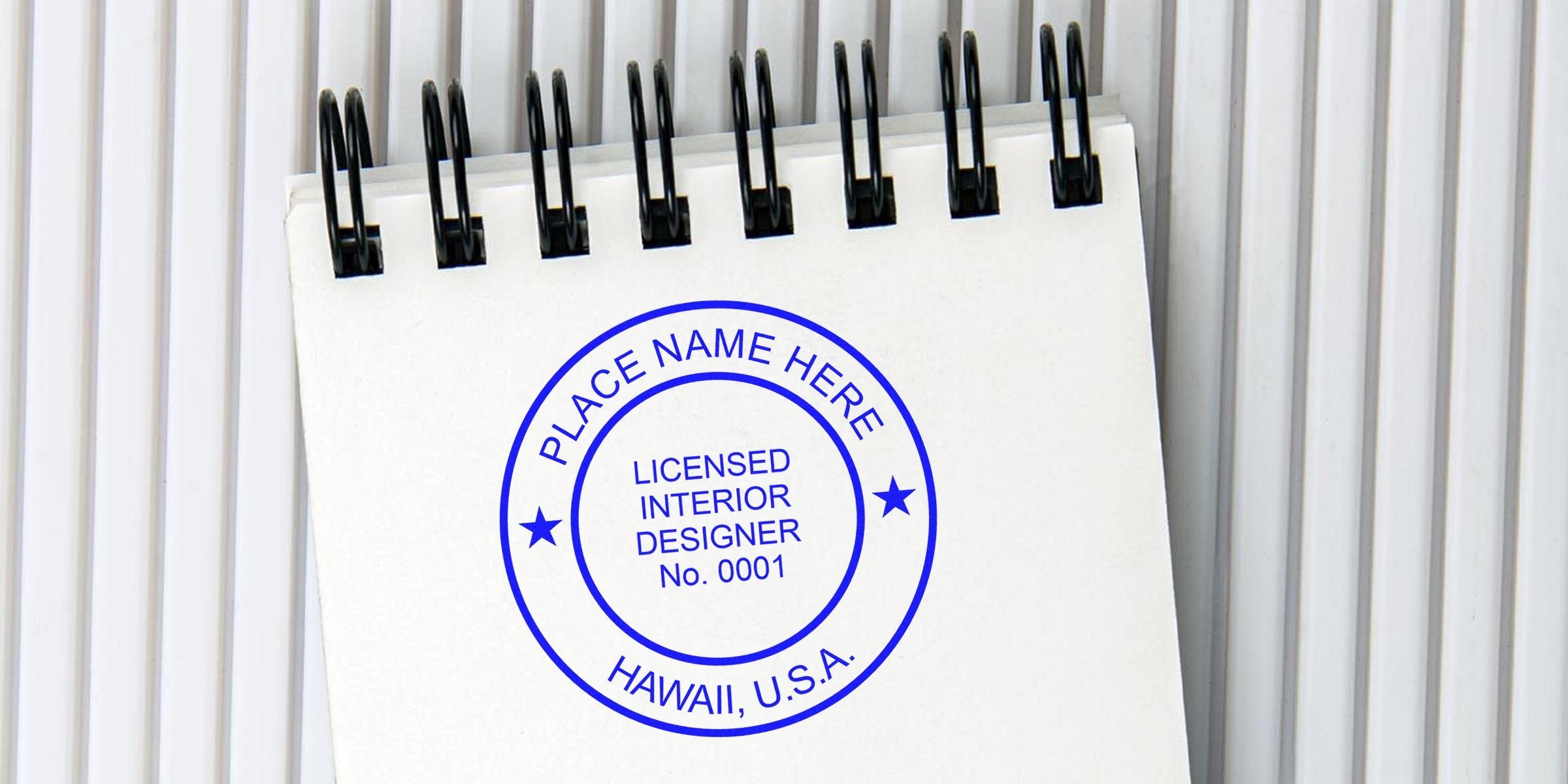
If you’ve been researching Hawaii Interior Designer Seal size specifications, you’re probably looking for a clear breakdown of exactly what’s required and why. Whether you’re planning to finalize architectural renderings or submit paperwork for a commercial project, your seal plays a critical role. Getting it right can make all the difference between a smooth approval process and a frustrating round of revisions. Let’s explore what these specifications mean, how to ensure you have the proper dimensions, and why a reliable source matters for your professional needs.
Understand The Seal Purpose
Before we dive into measurements and placement, it helps to understand the purpose of your seal. In Hawaii, a registered interior designer’s stamp or seal acts much like a personal signature on important documents. By placing your seal, you confirm that you’ve followed industry standards and local regulations.
Most often, you’ll place your seal on drawings, plans, or specifications that require an official endorsement from a certified professional. Think of it like a signature on a legal contract, except that in interior design, this “signature” is a specialized mark that’s legally recognized. As soon as you stamp it, you’re signaling that the work meets state guidelines and follows best practices in your field.
Professional Accountability
- The seal is a form of professional accountability, indicating that you stand behind the drawings you’ve designed.
- It reassures clients, building departments, and other stakeholders that you’re qualified according to Hawaii’s professional standards.
- By using the correct seal size, you show attention to detail, which can impart extra trust from those reviewing your documents.
Comply With State Regulations
Each state has distinct rules around seals and stamps. Hawaii’s regulations often specify aspects such as shape, border styles, and permissible text, but size is one of the most frequently referenced requirements. If you’re unaware of the local guidelines, you could end up with a seal that’s too large (making your paperwork look unprofessional) or too small (making the seal hard to read).
Stay up to date by checking the official licensing board’s announcements or policy updates. It’s also helpful to familiarize yourself with how Hawaii interior designer licensing rules may differ from other states. If you’re licensed in multiple jurisdictions, you’ll want a thorough understanding of each location’s unique requirements so you never inadvertently break the rules.
Cross-Checking Standards
- Always confirm you’re reading the most recent version of Hawaii’s interior design regulations.
- If you’re unsure, you can look at any local building code references that detail stamping and sealing guidelines.
- For even more detail, consider reviewing hawaii interior designer stamp requirements, which dives deeper into certain rules about content and layout.
Identify The Accurate Dimensions
One of the key questions you might have is, “What dimensions are acceptable for my stamp or seal?” While the exact guidelines can vary, Hawaii typically stipulates a diameter that’s neither too small to read nor so large that it clutters your documents. Having a standard diameter in mind makes ordering or creating your seal much simpler.
Below is a quick-reference table for the commonly accepted seal dimensions in Hawaii. Keep in mind these measurements can shift slightly if the state board issues updates, so always double-check before ordering or manufacturing your seal.
| Specification | Typical Range | Notes |
|---|---|---|
| Outer Diameter | 1 3/4" to 2" | Ensures legibility on official designs |
| Inner Design Detail | 1 1/2" to 1 3/4" | Enough space for text, license number, and borders |
| Border Thickness | Standard or ~1/16" | Helps the seal stand out without overwhelming text |
These measurements matter because your seal must remain clearly legible when placed on white space, blueprint backgrounds, or other design paper. If you pick a size smaller than the recommended range, you could run into potential compliance issues. Going too large might seem like a bold statement, but it can look unprofessional and contravene certain local guidelines.
Learn Common Design Features
Beyond figuring out the size, you’ll also want to consider how your Hawaii interior designer seal looks. While it may not be a grand piece of art, it’s still an expression of your professional identity. Common features usually recur in official Hawaii seals:
-
Full Name and License Number
- Your legal name and license number are key components.
- Double-check spelling and numerical accuracy before finalizing.
-
State-Approved Wording
- The words “Registered Interior Designer” (or similar authorized text) often appear in the outer ring.
- Hawaii typically requires including the phrase “State of Hawaii” to verify your location-specific licensure.
-
Circular or Embossed Border
- Circular shapes are most common, but you want a crisp border that clearly frames the seal.
- The border also helps ensure quick recognition as an official mark.
-
Legible Font Size
- Your text can look sleek, but if letters are too small or stylized, it complicates reading.
- A straightforward, professional font is best, ensuring clarity when you stamp documents.
Each of these elements, combined with the right measurements, becomes a legitimate stamp or seal that’s ready for official approvals. If any one feature is off, you might get your paperwork returned for corrections.
Consider Digital Alternatives
In many states, officials realize you might need to submit electronic drawings or forms. Sometimes, the state board allows digital seals for faster processing. Even in Hawaii, there’s been a growing trend toward e-signatures and digital seals, especially for large commercial projects involving remote teams.
Digital seals can be a great backup or even your primary method of stamping. However, it’s crucial to confirm if local city or county building offices accept them. While some departments are entirely on board, others still require a physical stamp. If you’re planning to use an e-signature and digital seal, keep these points in mind:
- Verify acceptance of digital seals with the relevant approving authority.
- Use secure, encrypted files so that your seal can’t be duplicated or tampered with.
- If you anticipate physical submissions, have both a physical seal and digital version available.
Purchase From Acorn Sales
Ordering your Hawaii interior designer seal can feel daunting, but it doesn’t have to be. That’s where Acorn Sales comes in. We’ve been in the stamp and seal business since 1964, so we know the ins and outs of professional requirements, including those in Hawaii. We've built our reputation by creating consistent, high-quality seals that professionals trust reliably.
When you buy your seal with Acorn Sales, you get a free digital seal alongside your physical stamp. This combo is super handy if you split your time between in-person submissions and online ones. Whether you’re presenting design boards in a local office or emailing a PDF portfolio to an out-of-state contractor, you can choose whichever format fits the moment.
Why Choose Acorn Sales?
- Over half a century of industry expertise to guide you through the process.
- Consistent compliance with Hawaii’s official specifications on size, wording, and layout.
- Quick turnarounds to keep your project timeline on track.
- Responsive customer support ready to address any doubts, from shipping queries to design proofs.
Maintain Your Official Seal
Once you have the correct seal, remember that it’s only as reliable as how well you maintain it. Stamps can wear out over time, or you might find that your design needs updating if local regulations shift. Treat your seal like a crucial tool, and set reminders to keep it current.
Storage And Care
- Store your seal or stamp in a dry place, away from direct sunlight or excess moisture.
- Keep spare ink pads on hand if you’re using a self-inking or pre-inked stamp.
- Inspect the clarity of the stamped impression regularly. If it starts to blur or fade, consider ordering a fresh seal.
Updating Information
- If you change your name or address, double-check whether your Hawaii interior designer seal needs updating, too.
- When new rules about seal size or layout are issued, consult your licensure board for official details.
- If your seal has moderate wear, it’s best to replace it promptly to avoid subpar impressions on important documents.
Wrap Up And Next Steps
Mastering the correct Hawaii interior designer seal size specifications may sound like just another to-do item, but it’s actually a cornerstone of your professional practice. By conforming to state guidelines, you protect your license, assure clients of your credibility, and maintain a smooth workflow on projects. Always confirm you have the most up-to-date version of local rules so you never miss a regulatory change.
If you’re ready to secure a top-notch seal, consider working with Acorn Sales. Besides our decades of trusted service, we provide a free digital seal with every order, which can be a game-changer for digital submissions. Once you have your new seal in hand, keep it in peak condition and stay proactive about any updates. With your paperwork covered, you can focus on what you do best—creating inspiring interiors.
Feel free to reach out if you have more questions or need guidance on ordering. You’ve got your designs ready—now it’s time your official seal meets the same professional standard. Happy stamping!
Frequently Asked Questions
How Do I Know The Correct Hawaii Stamp Size If Rules Change?
Check the official licensing board’s website periodically. If there’s an update, they’ll typically post revised size requirements or clarifications in their bulletins.
Can I Use A Digital Seal For All My Projects?
Often yes, but it depends on what each permitting office accepts. Contact local departments beforehand to confirm if digital seals are fully recognized.
Is It Necessary To Include My License Number?
Yes. Your license number must appear clearly on your stamp or seal. This unique identifier links you to the professional credentials you hold in Hawaii.
How Long Does A Physical Seal Typically Last?
With proper care—store it properly and avoid rough handling—a quality seal can last for years. Replace it once impressions start looking faint or uneven.
Will I Need Different Seals If I Work In Multiple States?
Most likely, yes. Each state has specific guidelines, so you’ll need separate seals that conform to local standards. Always confirm with each state’s board before using a single universal stamp.








