
Understanding North Dakota Interior Designer Stamp Regulations
If you’re thinking about practicing interior design in North Dakota, you’ve probably run into one key topic: North Dakota interior designer stamp regulations. The state has specific guidelines on how you should authenticate your work, and this often means using a professional seal or stamp on official drawings, plans, and related documentation. But what are these regulations all about, and how do you meet them without a hitch?
In this post, you’ll learn why the stamp and seal matter, how to navigate the licensing process, and where to find a reliable stamp supplier. You’ll also get practical tips for avoiding common mistakes, plus answers to frequently asked questions. By the end, you’ll feel more confident about meeting these requirements and using your interior designer title with authority.
Why These Rules Matter
In North Dakota, rules concerning interior designer stamps exist to protect public health, safety, and welfare. They ensure that only qualified professionals perform design work that might affect building interiors and occupancy conditions. When you include a valid stamp on your project drawings, you reassure clients, contractors, and government officials that your documents meet the state’s professional standards.
If you’re new to the process, you might wonder, “Are these stamps genuinely necessary?” The short answer is yes. It’s a crucial part of demonstrating credibility and accountability. Complying with these regulations isn’t just bureaucratic box-checking, it’s a way to show you take your responsibilities seriously. Whether you’re submitting plans for renovations or new builds, having the North Dakota interior designer seal is essential for final approvals.
Key Design Requirements
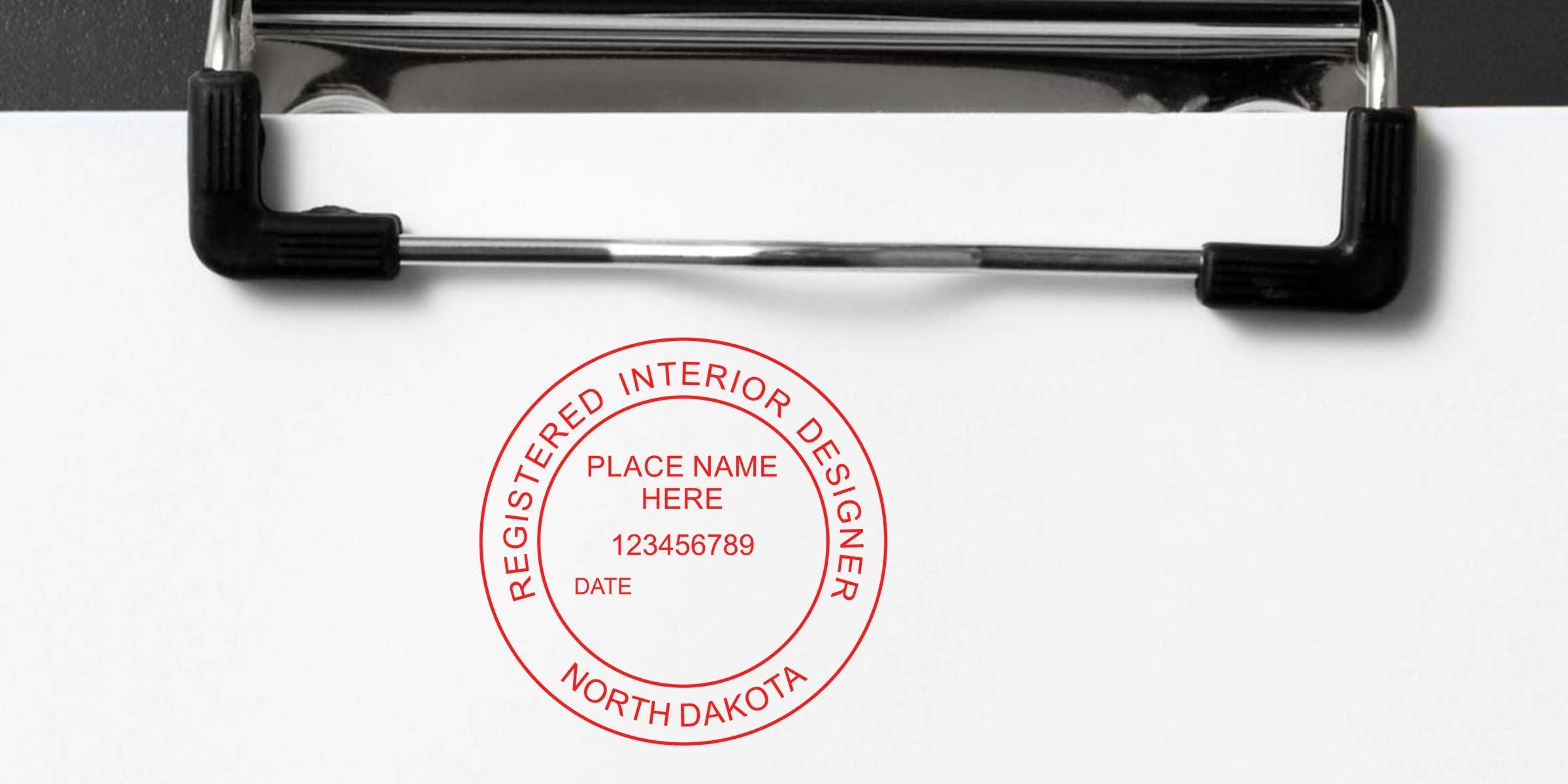
The state has guidelines about how your stamp or seal should look and which details must be included. Typically, you’ll need to include your name, license number, and the phrase “Licensed Interior Designer” somewhere around the perimeter. The exact size requirements can vary, but a common minimum diameter is around 1.5 inches to 2 inches.
What Goes Where
- Your name: Must match the name used on your license.
- License number: Must be accurately displayed.
- Required text: Usually includes your professional designation.
- State identification: The words “State of North Dakota” or similar phrasing should appear.
Common Formatting Options
While many people opt for a circular stamp, others choose a rectangular design. Any shape can be acceptable as long as it meets North Dakota’s guidelines. When ordering your stamp, feel free to mention any specific local requirements to your supplier. They’ll usually know what’s standard, but providing clear instructions reduces the chance of misprints.
Below is a quick comparison table of typical design features you might request:
| Design Feature | Possible Options |
|---|---|
| Shape | Circular, rectangular, or square |
| Mandatory Wording | “Licensed Interior Designer,” name, license number |
| Diameter or Dimensions | Often 1.5" – 2" diameter / equivalent |
| Ink Color | Typically black or blue |
Navigating The Licensing Process
So, how do you get that license in the first place? North Dakota’s licensing process usually starts with meeting educational and experience prerequisites. Most applicants have an accredited interior design degree plus documented work experience.
Document Preparation Basics
You’ll likely need:
- Proof of education (transcripts, diploma, or certification).
- Documentation of your experience (letters from employers or mentors).
- References who can attest to your professional ability.
If you’re missing any items, don’t worry. Just check the North Dakota licensing board’s website for a complete list of requirements and instructions on how to assemble your application.
Submitting Your Application
Once your paperwork is in order, you’ll submit everything to North Dakota’s relevant licensing entity. Double-check their guidelines for postal vs. online submission, along with any application fees. After a review period, you’ll either receive your license or a request for additional information. At that point, you’re on the path to ordering your official North Dakota interior designer seal to authenticate your professional documents.
Purchasing The Right Stamp
Shopping for the correct stamp or seal can be surprisingly simple once your license is in place. One excellent resource is North Dakota Interior Designer Stamp from Acorn Sales. Our company, Acorn Sales, has been in business since 1964, and we’re proud to supply high-quality stamps and seals that follow North Dakota’s guidelines. We also provide a free electronic seal with every purchase, which can be incredibly convenient for digital document submissions.
When you’re choosing a supplier, look for:
- Guarantee of compliance: They should design stamps based on North Dakota’s requirements.
- Quality and durability: The impression must be sharp and long-lasting.
- Customer support: Issues can come up at any point, so reliable customer service is key.
- Optional electronic seal: If you work with digital plans, an e-seal is invaluable.
In today’s world, many of your documents might go through email attachments or cloud-based sharing platforms. An electronic seal means you won’t have to print, stamp, and scan as often, which can save you a ton of time.
Using Electronic Seals
Like many states, North Dakota recognizes the value of modern technology. With an electronic seal, you can apply your credentials to digital documents while meeting the same professional requirements as a physical stamp. It’s especially helpful for:
- Architectural drawings stored in PDF format.
- Online submissions to local authorities.
- Quick updates without needing to reprint everything.
However, keep in mind that electronic seals also come with security responsibilities. You must ensure no one else can misuse your digital seal. That means password-protecting your computer, using trusted software, and maybe employing digital signatures if your local board permits them. Always confirm with the state licensing board about the correct method to attach or display your seal on electronic documents.
Common Mistakes To Avoid
Nobody wants their application returned or their plans rejected, so it helps to know some frequent issues in advance. Here are a few mistakes people often make:
- Incorrect stamp format: Forgetting mandatory text or using an unapproved design.
- Missing license details: Overlooking your license number or getting it wrong due to typos.
- Poor stamp impression: Hard-to-read stamps can lead to confusion or non-compliance.
- Sharing your stamp: Letting someone else use your seal for convenience is never okay.
- Leaving out an electronic option: If your workflow involves digital files, not having an e-seal can slow you down.
Whenever you apply your seal, you’ll also want to sign and date near it unless the board specifies otherwise. This ensures that the document is traceable and that the plans are current based on the day you affix your credentials.
Final Thoughts And Takeaways
Making sense of North Dakota interior designer stamp regulations might feel overwhelming at first, especially if you’ve never dealt with licensure or official seals before. The good news is that once you’re aware of the fundamentals, you’ll find it’s more about consistent practice than jumping through endless hoops.
Here’s a quick summary of what to remember:
- Your stamp or seal must follow North Dakota’s guidelines for text, design, and size.
- You can’t legally use the stamp until you have the proper license from the state board.
- Consider an electronic seal to streamline digital submissions.
- Always verify you’re meeting the latest requirements. Regulations can evolve, so it’s wise to check for updates now and then.
- A reliable supplier, such as Acorn Sales, can help you order a stamp or seal that you know will comply with North Dakota’s standards.
Whether you’re working on a small home renovation or a large-scale commercial project, meeting these requirements is a big step toward professional credibility. It shows you have the right credentials for the job, you understand the local rules, and you’re ready to stand by your work.
By taking these guidelines to heart, you’ll be well on your way to complying with North Dakota interior designer stamp regulations. It doesn’t have to be daunting, especially once you find a supplier you trust, maintain your license in good standing, and keep an electronic option handy for modern workflows.
You’ve got this, so go ahead and put that stamp to work. And if you need more details or a custom order, Acorn Sales is here to help you find exactly what suits your needs. Here’s to many successful, well-sealed projects in North Dakota.
Frequently Asked Questions
Do I need both a stamp and a seal?
In many cases, “stamp” and “seal” are used interchangeably. North Dakota allows either form as long as it includes the required information. Some professionals prefer a rubber stamp for simplicity, while others like the crisp look of an embosser. Always confirm you meet the official guidelines.
What happens if my stamp design is wrong?
The licensing board may reject your documents, which can lead to project delays. To avoid that, be sure to use a trusted provider like Acorn Sales, who understands North Dakota’s requirements. If the board finds a minor issue, they may let you correct and resubmit quickly.
Can I share my stamp with another designer?
Absolutely not. Your stamp indicates your personal credentials and responsibility for the plans you seal. Sharing it would compromise both your license integrity and the legitimacy of the documents. Each designer must obtain their own stamp and license.
What if I switch from physical to electronic seals mid-project?
Switching from a physical stamp to an electronic seal is typically fine as long as the project documents remain consistent. Just ensure your electronic seal meets all technical and security standards demanded by the state. It’s a good idea to note the change in your project files so everyone involved is aware.








