
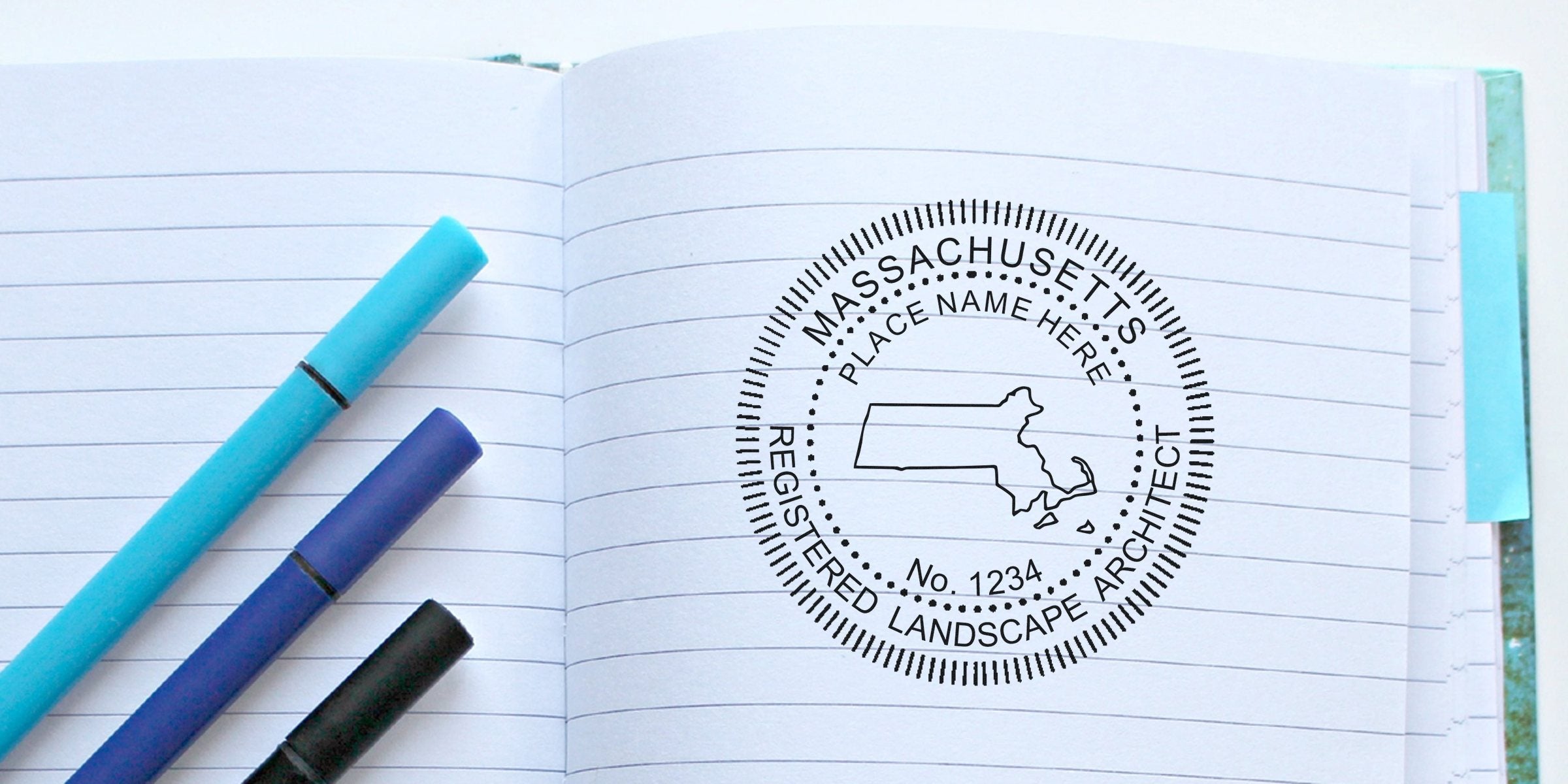
In the search for the ideal Maine landscape architect stamp size, you might wonder why this detail matters so much. After all, it’s just a small seal, right? Actually, getting the correct dimensions is a key part of following Maine’s professional standards. Plus, it ensures that your final stamped documents look neat and legible. But there’s more to it than simply measuring across the diameter. From understanding state guidelines to choosing the right material, there’s a lot to explore when you’re looking for a Maine Landscape Architect Stamp.
Below, you’ll learn how to confirm Maine’s official requirements, why size plays such an important role, and where to find the perfect seal. Ready to make sure your stamp meets the mark? Let’s dive in.
Know Maine’s Official Requirements
Before you settle on any product, it’s wise to start with Maine’s Board of Licensure regulations for landscape architects. These rules dictate everything from the design of your seal to what text must appear. They’re also the key to confirming your Maine landscape architect stamp size.
Why Proper Sizing Matters
- Legibility: If your text is crammed into an undersized circle, clients and officials may struggle to read it. A clear, properly sized stamp highlights your name, license number, and relevant details without confusion.
- Compliance: Stamps or seals that don’t meet Maine’s layout or size guidelines could cause project delays or raise legal questions about your work.
- Professional Look: A well-sized seal helps your drawings and documents appear polished, authoritative, and consistent with industry standards.
Maine typically calls for a stamp or seal that includes an outer circle, your name, and the words “Licensed Landscape Architect” along with your license number. To confirm the current sizing requirements, always check the official regulations or contact the licensing board. But many professionals find that a 1 3/4 inch diameter (about 1.75 inches) is standard enough to display all mandatory text cleanly.
Understand Different Stamp Styles
Once you’ve established that Maine’s recommended diameter sits around 1.75 inches (or whichever dimension the board confirms), there’s still the question of stamp type. Should you order a pre-inked model, a self-inking design, or a traditional rubber stamp with a separate ink pad?
Self-Inking vs. Pre-Inked
- Self-Inking Stamp: Contains a built-in ink pad, automatically re-inking itself after each impression. It tends to be fast and neat, especially if you’re stamping multiple sheets in a sitting.
- Pre-Inked Stamp: Holds ink within the die itself, giving crisp and highly detailed impressions. Pre-inked designs often last for thousands of imprints.
- Rubber Stamp: Requires a separate ink pad. This old-school choice offers versatility, but might be a bit messier than self-inking or pre-inked models.
Your personal preference, the frequency you’ll need to stamp documents, and your budget all come into play. If you need to process a large batch of paperwork regularly, a self-inking or pre-inked choice can save time and keep your workspace tidy.
Check Key Design Elements
You already know that the words “Licensed Landscape Architect,” your name, and your license number must appear on the seal. But there are other small details to verify as well:
Standard Layout
The Maine Landscape Architect Seal typically features an outer line and inner circle or text arrangement. The top should read “State of Maine” or “Maine” in some form, while the bottom segment incorporates your license information (like “Registered Landscape Architect” or “Licensed Landscape Architect”). The center may include your name and your license number. That layout ensures anyone reviewing the document can identify your qualifications right away.
Appropriate Fonts and Spacing
To maintain readability, it’s best to choose a sans-serif font or a clean, easily legible typeface. Sizing your text correctly is key, because you don’t want words running into each other. A 1.75-inch diameter stamp typically gives you room to place each letter at a comfortable size.
Perfecting the Border
Because you’re working within a circle, the border width also matters. A thin, crisp border keeps your stamp looking modern and professional. Overly thick lines can appear crowded, so you’ll want something just bold enough to be visible. Make sure your chosen manufacturer respects any guidelines on line thickness, too. This attention to detail helps ensure the seal meets official compliance standards.
Shop With Trusted Suppliers
When you’re ready to purchase, you don’t want to gamble on quality. Inconsistent rubber quality, weak plastic components, or a sloppy impression can all be frustrating. That’s where Acorn Sales comes in. We’ve been in business since 1964, supplying industry professionals with reliable, long-lasting stamps and seals. Because you’re working in Maine, you’ll likely want the official Maine Landscape Architect Stamp to reflect your credentials accurately.
Why Shop Acorn Sales?
- Experience: Decades of service mean we’ve seen every version of stamp and seal, so we can guide you toward the perfect fit.
- Free Digital Seal: Need a digital seal to include with electronic submissions? We provide it at no extra cost, so you can keep your projects moving along.
- Quality Assurance: From the materials we use to the final impression, we focus on delivering a dependable product that meets Maine’s rules.
If you’re unsure about the technical specs, we’re happy to help with questions about sizing, font, or style. We know how important it is to get an official seal that will last.
Prepare Your Artwork Correctly
Perhaps you’re designing your own seal layout, or maybe you have a template from your professional association. In either case, it’s important to make sure the artwork, text, and layout all match Maine’s requirements.
Steps for Preparing Artwork
- Confirm Wording: Double-check that you’re using “Licensed Landscape Architect” or any official wording required by the board.
- Include Your Number: Don’t forget to add your unique license number and your full name, exactly as it appears on your license.
- Stay Within the Border: Ensure the text remains comfortably inside the circular border without touching the edges.
- Maintain the Right Dimensions: Set your design to the recommended diameter, typically 1.75 inches, or whatever measure you’ve been asked to use.
- Keep Font Simple: Choose a professional font style, typically easy to read and not overly decorative.
Tying It All Together
Imagine stamping a final set of plans for a public project. The impression is crisp, your number is clearly legible, and the wording is exactly as required. That’s the outcome you want every time. Properly prepared digital files, combined with a high-quality seal, make this process seamless.
Factor in Durability and Maintenance
Once you have your new seal, the goal is to keep it functioning well for years. Stamps are straightforward, but a little upkeep can go a long way.
- Store in a Cool, Dry Place: Avoid direct sunlight or damp areas, as extreme conditions may warping or ink degradation.
- Refill Ink as Needed: If you’re using a self-inking or pre-inked stamp, check the ink levels regularly and refill according to instructions.
- Clean the Surface Gently: Remove dust or debris that could cause faded impressions. A soft cloth or light brush will help you keep the plate clean.
- Test on Scrap Paper: Before you stamp important documents, do a quick test to ensure the ink is evenly distributed and everything is lined up.
Good maintenance not only prolongs the life of your seal, but it also guarantees each impression remains professional and clear.
Use It With Confidence
Once your stamp arrives, try it out on sample document pages to make sure you’re happy with every detail. Here are a few quick tips to create perfect impressions every time:
- Press Evenly: Apply uniform pressure across the entire surface.
- Choose High-Quality Paper: Thicker paper or a standard bond often shows better clarity.
- Test Different Angles: If your stamp doesn’t turn out right on a corner or fold, try a flatter area to get a clear impression.
- Watch for Smudges: Let the ink dry briefly, especially if you’re stamping multiple documents in quick succession.
By taking a few extra seconds to align your stamp neatly, you’ll impress clients, contractors, and officials alike.
Highlight the Benefits of a Free Digital Seal
Many projects now require electronic submissions. Having a digital version of your Maine Landscape Architect Seal is a game-changer. If you opt for a free digital seal (like the one Acorn Sales provides), you can place it directly into PDFs or other online documents.
- Quick Submission: Insert your digital seal directly into your electronic plans, no scanning required.
- Clear Online Records: Digital seals remain crisp on screens and printouts, so nothing looks pixelated or skewed.
- Flexible Size Adjustments: You can resize the digital seal slightly to fit different document layouts while keeping readability intact.
This extra convenience is a big help, especially if you’re juggling multiple projects. It also offers a modern approach that aligns well with the current trend toward paperless workflows.
Remember Maine’s Rules and Requirements
It’s always a good idea to revisit the official Maine landscape architect guidelines before you finalize your stamp order. Regulations can be updated from time to time, and you never want to rely solely on outdated information. Check the board’s website, sign up for any newsletters, or call them directly if you have lingering questions. Being proactive will keep your licensing credentials in good standing.
Keep an Eye on Renewals
In addition to the stamp itself, your license may require periodic renewal. While the design or text of the seal might not change often, you want to remain valid in the eyes of the board. Keeping your license current and your seal in top working condition is a great tandem approach.
- Renew Licenses Promptly: Late renewals can complicate your ability to practice and might temporarily invalidate your seal.
- Update Any Changes: If your name or licensure details change, you may need a new stamp layout.
- Revisit Stamp Requirements: Revisions in legislation or board rules could mean you need to tweak your seal’s design.
Consider the Cost vs. Value
You can often find cheaper stamps online, but be cautious. Your seal must meet Maine Landscape Architect Seal standards. If you choose a random bargain option that doesn’t follow regulations, you may end up buying another stamp once you realize the text isn’t correct.
Going with a trusted provider, like Acorn Sales, brings peace of mind. You get a durable stamp made to the exact specification, plus the perk of a free digital version. It’s a small investment for something that can affect your professional standing and the acceptance of your submitted plans.
Embrace a Professional Image
Landscape architecture is all about design, creativity, and precise planning. Your stamp is literally your seal of approval. A neat, well-crafted impression says you’re a detail-oriented professional who cares about quality. Think of it as part of your brand. After all, those official documents might circulate to clients, government agencies, and beyond.
Stamps that are too large or too small can send the wrong message. A stamp that smudges or appears lopsided doesn’t say “I’m a serious professional.” Instead, it raises eyebrows. So do yourself a favor and ensure that everything about your seal—from the dimension to the font choice—reflects that you’re prepared, responsible, and dedicated.
Wrap Up on Sizing and Compliance
Finalizing the correct Maine landscape architect stamp size can feel simple, but don’t underestimate how important it is to get it right. Following the regulations closely helps you avoid headaches, ensures your documents hold up under scrutiny, and gives your work a crisp, professional presentation.
- Confirm the official diameter, often around 1.75 inches.
- Use Maine’s required wording, your name, and correct license details.
- Choose a style (self-inking or pre-inked) that suits your workflow.
- Verify spacing and font so everything is easy to read.
- Keep your stamp clean and well-inked for a consistently perfect impression.
By keeping these steps in mind, you’ll be set to produce documents that any reviewer will trust—and even admire.
Feel free to reach out to us for help with selecting the right design or if you have any questions about maintaining your stamp. With the proper dimensions, clarity in language, and a quality build, your Maine Landscape Architect Stamp will serve you well for years to come.
Frequently Asked Questions
What is the standard Maine landscape architect stamp size?
Most professionals use a 1.75-inch diameter stamp, but you should always check current Maine Board guidelines to be sure.
Is the wording on the stamp flexible?
Maine regulations usually require specific wording, such as “Licensed Landscape Architect” and your license information. Always confirm you have the correct text.
Should I get a self-inking or pre-inked stamp?
This depends on your preference. Self-inking stamps work well for high-volume use and quick impressions, while pre-inked options give ultra-crisp detail. Both can be sized to Maine’s requirements.
Do I need a digital seal, too?
It’s highly recommended, especially if you plan to submit documents electronically. A digital seal won’t smudge or fade, and it’s easy to place on digital files. Acorn Sales provides one for free when you order a physical stamp.
How often should I update my seal?
Update whenever your license details change, if the board revises regulations, or if your current stamp is worn out. Otherwise, as long as it meets state requirements, you can keep using it.








