
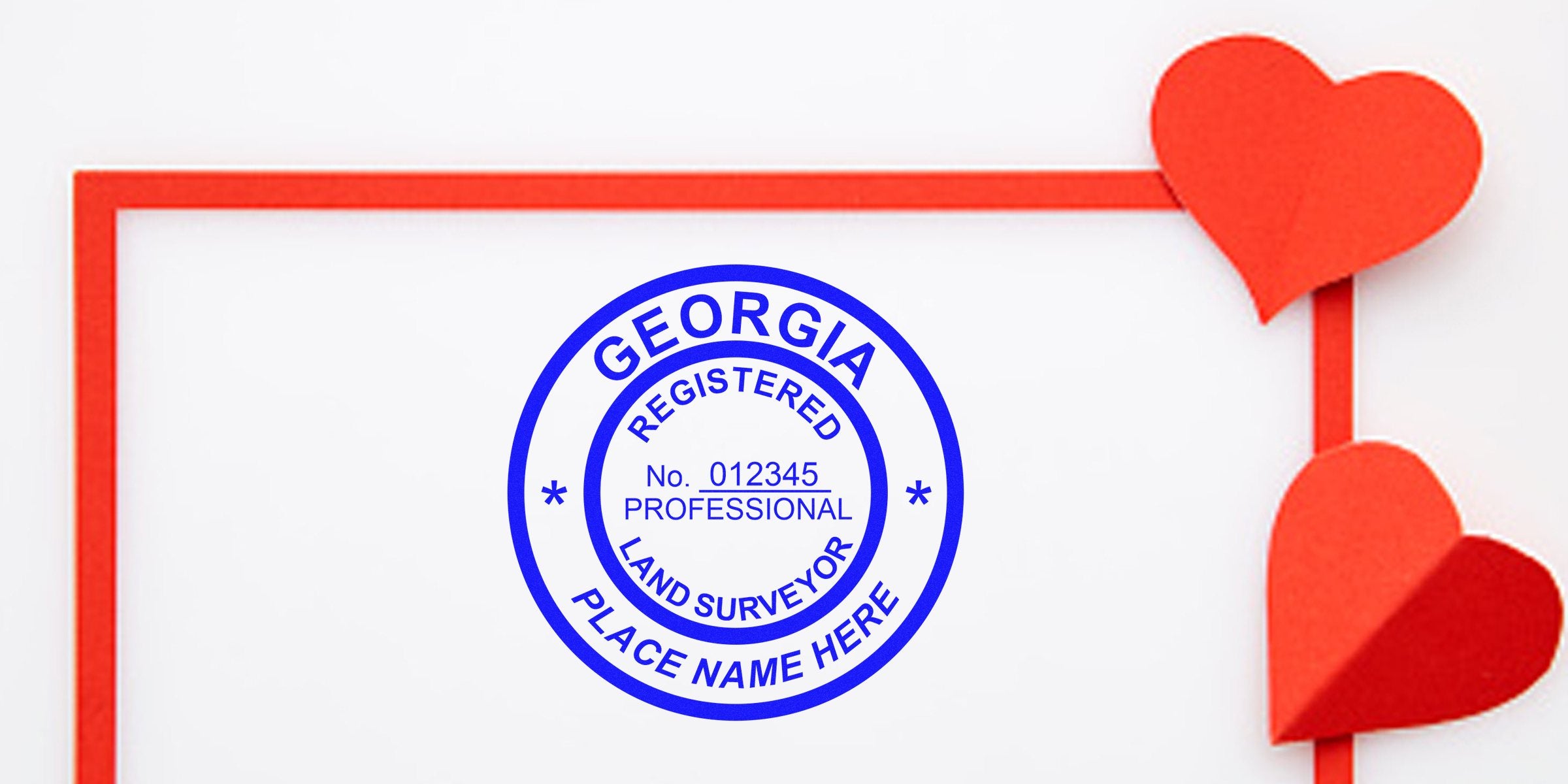
If you’re working as a land surveyor in Georgia, you’ve probably heard about the Georgia land surveyor seal guidelines. These guidelines can feel a bit daunting at first glance, but once you break them down step by step, they’re surprisingly straightforward. You want to ensure that every map, plat, or document you produce carries an official seal that meets state standards. After all, these regulations exist to protect both you and the public, guaranteeing accuracy and accountability. By the time you finish reading this, you’ll understand exactly what these guidelines entail, how to fulfill them properly, and what trusted suppliers can help you stay compliant. Let’s get started.
Discover Georgia Land Surveyor Seal Guidelines
So, where do these guidelines come from, and what do they mean for you? In essence, Georgia requires all registered land surveyors to imprint an official seal on relevant documentation. This seal signifies your professional status and validates that your work meets the necessary legal and ethical standards. Every time your seal is affixed, you’re essentially assuring that the information within the document has been created or approved by you in a professional capacity.
Below are a few key considerations when it comes to Georgia land surveyor seal guidelines:
- The seal must be clear and legible when reproduced, whether in physical or digital form.
- You need to maintain the seal in a place that prevents unauthorized use.
- Only licensed or registered professionals are allowed to use a Georgia land surveyor seal.
Having a proper seal on your drawings or plats isn’t just a formality; it’s a legal obligation. If you skip it, you risk invalidating your documents and possibly facing disciplinary action. Georgia’s Board of Registration, which we’ll talk more about shortly, aims to uphold these standards so that the public can trust documents stamped by licensed land surveyors. In other words, the consistent format and clarity of the seal help everyone know they’re looking at an official, reliable record.
By internalizing these basics, you’re already ahead of the curve. Keep these ideas in mind as we dive deeper into the specifics about how Georgia’s rules translate into everyday practice.
Recognize The Role Of Georgia Board
When it comes to land surveying rules, the Georgia Board of Registration for Professional Engineers and Land Surveyors wields quite a bit of authority. This board oversees licensing, monitors adherence to legal standards, and interprets regulations around professional responsibilities. You’ll often find references to their directives when you research official seal usage, because the Board sets forth core requirements you must meet.
If you’re unsure about a particular requirement for your seal or you need clarity on rules, the Board’s published guidelines are your best friend. These resources detail basics like:
- Placement of the stamp on documents
- Penalties for misusing or omitting the seal
- The specific text or format the seal should include
It’s easy to see why staying up to date with the Georgia Board is crucial. They frequently update guidelines to align with new technologies, such as digital stamping. You want to be sure you’re referencing current, official documentation any time you order new stamps or digitally sign documents. While these requirements might sound stringent, they’re designed to protect you and your clients by keeping official records accurate and credible.
So, how do you stay on top of it all? Make a habit of checking the Board’s official communications, or sign up for alerts if they’re available. By doing so, you’ll avoid outdated practices and ensure every document you seal remains legally sound.
Meet The Requirements For Seal Design
Next up is the actual design of your seal. You may be wondering if you have artistic freedom here, or if the state insists on particular graphics. The short answer is that Georgia has clear parameters you have to follow. The Board specifies shape, wording, and other technicalities to ensure consistency across the profession.
Below are common design elements you should know:
- Circular or Rectangular Outline: Georgia seals are typically circular, but check with the Board for any updates or allowances.
- Essential Wording: This includes your name, license number, and wording such as “Registered Land Surveyor” or another official title dictated by the Board.
- Clear Lettering: All text within the seal must be easy to read. Even if you shrink it to fit on a smaller document, your seal shouldn’t lose clarity.
Now, if you’d like more information on how shape and text might differ depending on your specific licensing category, head over to the Board’s guidelines or check out our resource on georgia land surveyor stamp requirements. That page breaks down everything from recommended fonts to best practices for inking your seal.
Do keep in mind that while the Board’s guidelines set the overall framework, your personal or company branding can still fit in subtly, as long as those brand elements don’t conflict with the mandatory features. If in doubt, always err on the side of the official rules. Better to double-check than to risk your seal being considered invalid.
Fulfill Digital Seal Standards
In today’s digital age, you’re not just dealing with physical stamps. Many surveyors in Georgia rely on electronic methods for stamping and signing their documents. The good news is that these digital seals are perfectly valid in Georgia, provided they meet the same core requirements as physical seals. Essentially, your electronic seal needs to be uniquely tied to you and secure from unauthorized use or tampering.
Here’s why going digital might be appealing:
- Faster Document Turnaround: Instead of printing and physically stamping, you can attach your digital seal to PDFs or other electronic formats at the click of a button.
- Secure Storage: Electronic seals can be locked behind passwords, encryption, or other security measures, dramatically reducing the risk of fraudulent use.
- Professional Brand Image: People appreciate speed and efficiency. That polished digital stamp can make you look tech-savvy and reliable.
It’s important to know that Georgia guidelines often require a digital signature to accompany the seal. This signature verifies that the seal truly belongs to you. Make sure you read up on the most recent standards for pairing an electronic seal with a legally recognized digital signature.
When you’re ready to implement digital sealing, check out trusted suppliers like Acorn Sales. They’ve been in business since 1964 and offer a free digital seal with every order. Not only do you get a physical stamp to keep on hand, you also have a matching electronic version at your fingertips for all your online documents. This way, you can adapt effortlessly to modern processes and ensure you never miss an official requirement.
Maintain Proper Usage And Compliance
Even if you have the perfect seal design, usage rules can still trip you up if you’re not careful. For instance, did you know that you’re only allowed to apply your seal after you’ve completed your review of a plat or survey? In other words, you can’t just pre-seal a stack of blank documents for later use. Doing so may lead to accusations of misuse or, in worst-case scenarios, legal repercussions.
Here are common mistakes surveyors occasionally make:
- Sealing Incomplete Work: Remember that your seal attests to the full and final accuracy of the drawing.
- Sharing Your Seal: Never let anyone else—colleague, friend, or even family—access your seal or affix it in your absence.
- Failing To Refresh The Ink: If your physical seal design is fading, get a new stamp or ink pad. An illegible seal can cause serious confusion.
For electronic seals, keep your password or encryption credentials private. Using your seal securely is crucial to protecting your professional reputation. Most of these rules are straightforward common sense once you realize the purpose behind them: verifying that any sealed work truly originates from your professional judgment.
If you ever feel uncertain about a specific compliance point—say, whether your document needs additional signatures or disclaimers—it’s best to ask the Board for confirmation. That tiny bit of extra effort can save you from headaches down the road.
Choose A Reliable Supplier
With so many details to keep straight, you might wonder whom you can trust to craft a compliant seal. That’s where a reputable supplier comes in. You want a company that understands Georgia land surveyor seal guidelines just as well as you do. At the end of the day, one of the best decisions you can make is to source your stamps, seals, and digital tools from an established provider.
Acorn Sales has been around since 1964, building a reputation for delivering top-notch stamping equipment. They understand the ins and outs of Georgia’s regulations, so you’re unlikely to get a seal that doesn’t pass muster. Not only will they send you a high-quality physical seal, but they also provide a matching digital seal absolutely free. That means you’ll have both bases covered—traditional paper documents and electronic files.
What sets a reliable supplier apart? Look for:
- Compliance Expertise: Make sure they reference or align with Georgia Board requirements.
- Durability: Cheaper seals might fade quickly, but a reputable provider’s products should last.
- Customer Support: You never know when you need guidance on maintaining or replacing your seal.
- Quick Turnaround Times: Tight deadlines happen. It helps to work with a supplier who can deliver fast without compromising quality.
While the Georgia Board sets the rules, suppliers help you implement them seamlessly. When in doubt, read user reviews, ask colleagues for recommendations, or talk directly with the supplier to confirm they’re up to date on Georgia’s latest guidelines. Investing in a dependable seal is an easy win—you’ll have one less thing to worry about and more time to focus on producing accurate, high-quality surveys.
Recap Key Takeaways
Navigating these guidelines doesn’t have to be a monumental task. Once you know exactly what’s expected—like proper seal design, compliance with the Georgia Board’s rules, and the move toward digital stamping—you can operate confidently as a land surveyor. By partnering with a trustworthy provider such as Acorn Sales and always keeping up to date on statewide updates, you’ll maintain a solid professional standing and safeguard your work.
The seal you use, whether physical or digital, is a silent yet powerful statement of your expertise and credibility. Use it wisely, keep it secure, and ensure it’s always compliant with the latest regulations. You’ve got the knowledge and resources, so put them into practice on your next project.
Your Georgia seal is specifically recognized under Georgia’s jurisdiction. If you plan to practice in another state, you’ll need to follow that state’s registration and seal requirements. Each state has its own rules, so be sure to verify before using your Georgia seal on out-of-state projects.
That covers the main questions you might have about Georgia land surveyor seal guidelines. By understanding these topics, you’re already ahead of many in your field. Here’s to confident, compliant, and efficient surveying—backed by a seal that tells everyone you mean business. If you need a new stamp or you’re ready to switch to a digital seal, consider Acorn Sales. After all, it’s one decision that secures your professional reputation for every document you produce.
Frequently Asked Questions
Do I Need A Separate Stamp For Different Types Of Surveys?
Typically, no. Your official seal, once approved, applies to all professional land surveying work you do in Georgia. You may choose a slightly different layout for special circumstances, but in general, one seal covers your licensed services.
Can I Use Digital Seals Without A Physical Stamp?
Yes, you can use digital seals on electronic documents, as long as they meet Georgia’s standards for security and authenticity. Still, it’s smart to keep a physical seal for traditional documents. Companies like Acorn Sales actually provide a free digital seal when you order a physical stamp, giving you the best of both worlds.
How Often Should I Renew My Georgia Land Surveyor Registration?
Georgia’s Board sets the renewal schedule, which is typically every two years. Failure to renew on time can lead to a lapse in your license, rendering your seal invalid until you’re reinstated. Always check the Board’s site for specific renewal dates and requirements.
What Happens If I Change My Name Or License Number?
If you change your name due to marriage, divorce, or any other reason, or if your license number is updated, you’ll likely need a revised seal. Check with the Georgia Board for the proper documentation. You’ll want a new stamp that matches your current licensing details.








