
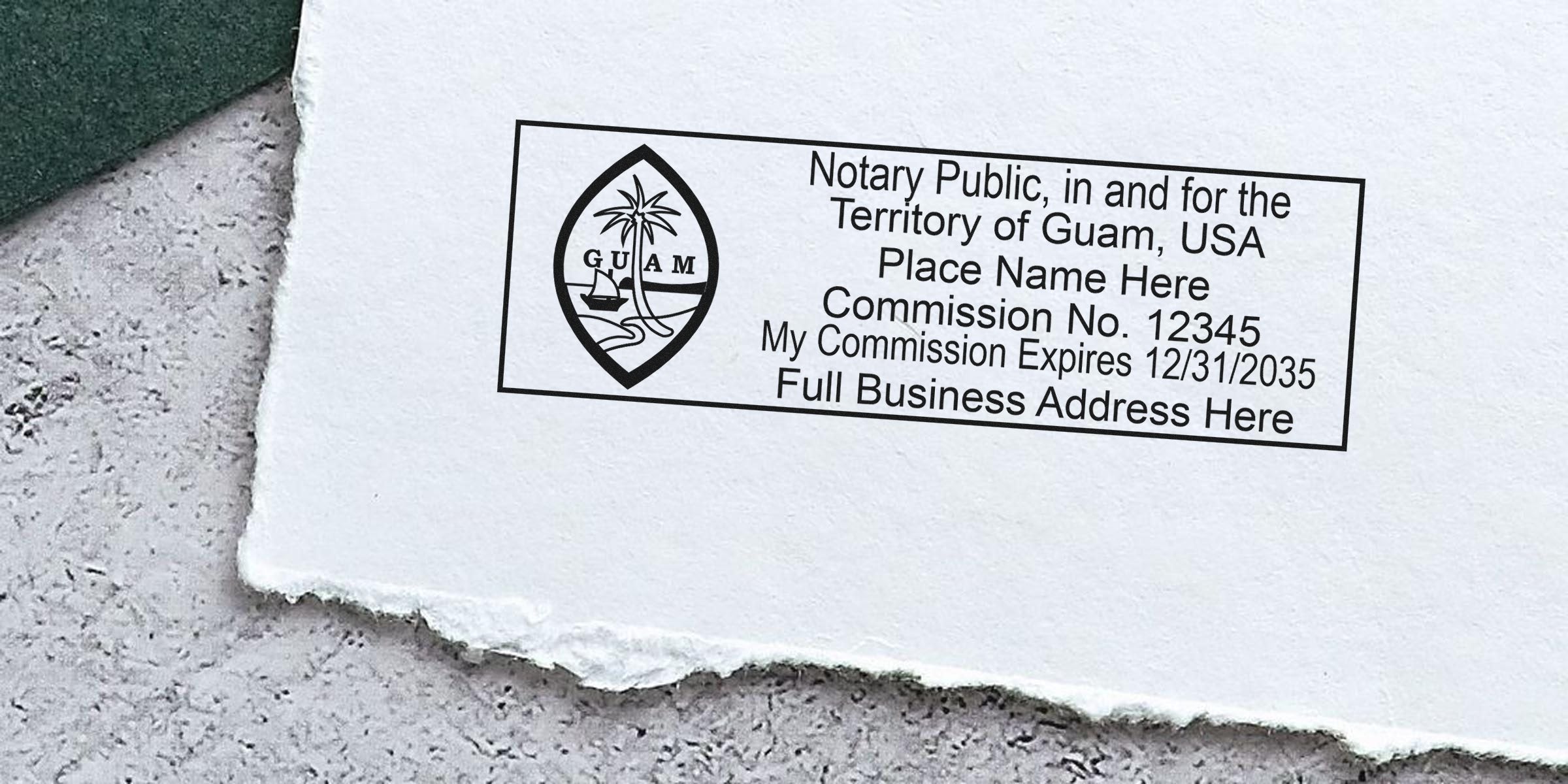
If you’re a notary public in Guam, you’ve probably heard about guam notary stamp law and how important it is for your day-to-day work. But what exactly does this law entail, and how can you ensure you’re in compliance without getting bogged down in legalese? Let’s walk through the essentials and arm you with enough know-how to keep your notary practice running smoothly.
Discover Guam Notary Stamp Law
Guam’s regulations require your stamp or seal to be legible, containing specific details such as your name and the words “Notary Public” and “Guam.” Essentially, when you notarize documents, your mark must be clear, authenticated, and in line with local guidelines.
What the Law Covers
- Ensuring all notarial acts in Guam bear an authorized imprint.
- Protecting each document from potential fraud or forgery.
- Standardizing the official record for every signature you notarize.
If you ever find yourself unsure about any step, feel free to clarify the details with Guam’s official notary board or consult a reputable supplier.
Know the Key Requirements
Once you’re commissioned as a Guam notary, you’ll need to:
- Obtain a properly formatted stamp or seal.
- Keep your commission dates in check.
- Update or replace your stamp if it becomes worn or features change.
These steps help you fulfill the basics of guam notary stamp law. Remember, outdated or incomplete stamps can invalidate your notarizations.
Tips to Stay on Track
- Schedule a reminder for renewing or updating your stamp.
- Consistently check the clarity of your stamping surface or embossing plate.
- Store your stamp in a secure spot to prevent misuse.
Select Trusted Stamp Providers
Choosing the right supplier can simplify the entire process for you. That’s where Acorn Sales comes in. We’ve been crafting stamps and seals for more than 60 years, so we understand the ins and outs of Guam’s notary guidelines. Our dedicated team aims to deliver:
- Quick turnaround times, ideal when you’re in a pinch.
- State board guarantee to meet official standards.
- A range of designs and formats to fit your preference and compliance needs.
For a closer look at other offerings, feel free to check out guam notary supplies. You’ll find everything you need to keep your notary workflow moving.
Maintain Your Notary Compliance
Even after purchasing your stamp, compliance remains an ongoing responsibility. You’ll want to:
- Log each notarial act in a record book or journal.
- Double-check signatures before applying your stamp or seal.
- Keep an eye on your commission expiration date and renew early if needed.
When you stay organized, you reduce stress and keep your professional reputation strong.
We hope these insights help you feel confident about navigating Guam Notary Stamp Law. With the correct resources and a trusted supplier on your side, keeping your notary work in top shape becomes a whole lot easier. If you’re ready to explore more options or need expert guidance, Acorn Sales is here to help.
Frequently Asked Questions
Is a Guam notary seal mandatory?
Yes. You must have a stamp or seal that meets the official format, including your name and commission details.
Does the seal design have to be a specific shape?
There’s no single shape mandated, but it must be clear and legible. Many notaries go with round seals or rectangular stamps for convenience.
Where can I get my Guam notary stamp quickly?
Acorn Sales offers fast turnaround times. We understand how urgent it can be to have the right stamp on hand.
Does a stamp differ from an embosser?
A stamp uses ink, while an embosser raises the paper surface. Both may be acceptable if they meet Guam’s requirements, but always confirm with official guidelines.
Where do I find official guidelines?
Visit the Guam Notary Board’s website or refer to your local government resources for the most up-to-date law requirements.








