
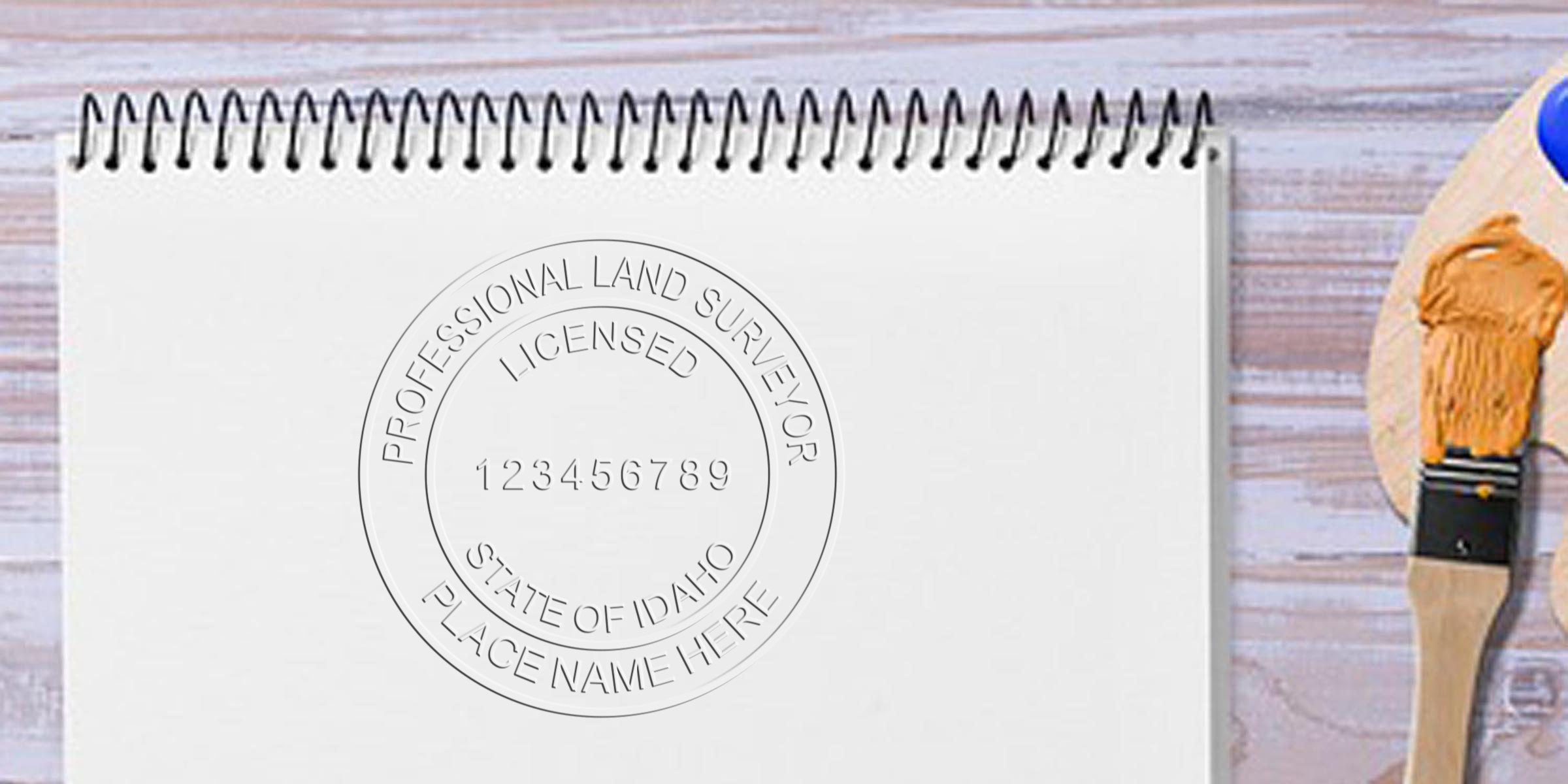
If you’re an Idaho land surveyor, you already know there are specific rules governing your official stamp or seal. These Idaho land surveyor stamp guidelines define the shape, content, and usage of your stamp so your final survey documents meet legal standards. But what if you’re unsure about the exact details?
Don’t worry, I’m here to help clarify where to begin, from the basic design elements to your day-to-day usage. In the sections below, we’ll chat about everything you need to watch out for, plus some practical tips to keep your professional process smooth.
We’ll also dig into a few insider insights, including how Acorn Sales has been a trusted supplier for Idaho Land Surveyor stamps and seals since 1964, complete with a free digital seal option. By the end, you should feel confident about ordering the right stamp, applying it correctly, and staying on top of statewide requirements.
Let’s jump in and explore the essential points that every Idaho land surveyor needs to know. It’s time to clear the confusion, one stamp at a time.
Know The Role Of The Stamp
Your Idaho land surveyor stamp isn’t just a formality. It’s a personal mark of professional accountability. When you place your seal on a survey, you’re sending a clear signal to clients, government agencies, and the public that the information contained is accurate and up to the established professional standards.
Think of it like signing an important document. You wouldn’t sign without reading the fine print, right? Placing your stamp shows you’ve double-checked every measurement, boundary, and angle. It’s also your tangible link to the legal regulations that define your authority as a land surveyor in Idaho.
Understanding the role of this stamp is step one. Without clarity on why it matters, it’s easy to overlook critical details. Let’s keep going so you can fully grasp the “what” and “how” of your stamp usage.
Identify The Official Requirements
Idaho’s Board of Professional Engineers and Professional Land Surveyors provides clear rules on what your stamp must include. Typically, this covers your name, license number, and an official image or border that ensures consistent markings across the profession. If you need more specifics, you can find comprehensive details at idaho land surveyor stamp requirements.
Before you order or design your stamp, confirm that you’re following guidelines on size, wording, and any required design elements. Mistakes here can be costly, not only from a printing perspective but also if you need to discard an entire batch of incorrect stamps. Here are a few high-level must-haves:
- Include your full, legal name as it appears on your license.
- Add your license or registration number prominently.
- Use standard language or abbreviations that meet Idaho-specific regulations.
- Ensure the shape (circular, square, etc.) matches official formats.
Choose The Right Materials
When you’re selecting a physical stamp, think about how often you’ll be using it and in what environments. Self-inking stamps are great if you need to quickly stamp multiple documents in a row. Traditional rubber stamps, meanwhile, require a separate ink pad but can be budget-friendly if you don’t mind that slightly slower process.
Beyond the mechanics, consider the impression quality. Your stamp details must remain crisp and legible over time, so choose durable materials that won’t wear down too fast. A well-made stamp ensures every line and letter is easy to read, preventing confusion or document rejections. Here’s a quick overview of popular choices:
| Stamp Type | Pros | Cons |
|---|---|---|
| Self-Inking | Quick, convenient, minimal mess | May need frequent replacement after heavy use |
| Pre-Inked | Clean, produces crisp detail | Usually higher initial cost |
| Traditional Rubber | Budget-friendly, easily customizable | Requires separate ink pad, can get messy in high-volume work |
Follow Proper Usage Tips
Using your stamp correctly goes beyond simply pressing down on the paper. Idaho land surveyor stamp guidelines emphasize clarity and permanence. Every impression should be readable and smudge-free, because a blurred seal can raise unnecessary questions about the accuracy of your work.
Pay attention to the surface you’re stamping and let the ink dry fully to avoid accidental smears. Here’s how you can keep your usage consistent:
- Press the stamp firmly and evenly for a clean impression.
- Double-check that the document is dry before stacking or filing.
- Keep your stamp away from direct sunlight or extreme temperatures.
- Test your stamp on scrap paper first if you haven’t used it in a while.
Explore Trusted Stamp Suppliers
Finding a reliable supplier can mean the difference between a smooth, professional experience and constant frustration over quality. At Acorn Sales, we’ve been assisting professionals since 1964 with high-quality stamps and seals that stand up to rigorous, everyday usage. Our decades of experience mean we understand exactly what surveyors in Idaho need for compliance and reliability.
We also offer a free digital seal, which can be invaluable if you submit electronic documents or need a quick way to integrate your official mark into PDFs. It adds an extra layer of convenience to your workflow, letting you meet modern demands without lugging around ink pads or worrying about messy stamp impressions.
Check Common Pitfalls
Even though the guidelines might appear straightforward, there are a few common missteps you’ll want to avoid. For instance, relying on outdated regulations could leave you with a noncompliant design. Another pitfall is using a poorly made stamp that yields smeared or uneven impressions.
To help keep your work above board, watch out for these frequent mistakes:
- Out-of-date info: Using expired license details by accident.
- Incorrect font size: Failing to meet the state’s legibility standards.
- Misaligned or partial impressions: Stamping too close to the paper’s edge.
- Lack of backups: Owning only one stamp that could get lost or damaged.
Summarize The Key Points
By now, you should have a clearer picture of Idaho land surveyor stamp guidelines, from the official design requirements to the daily realities of stamping. Your seal is more than just office equipment, it carries legal weight and professional responsibility. Getting these details right from the start can save you from a lot of paperwork headaches later on.
If you’re ready to take the next step, remember you can rely on experienced suppliers like Acorn Sales. And if you need a refresher or further explanation, the idaho land surveyor stamp requirements page covers all the essentials. Having the proper stamp and using it correctly is a big part of ensuring that your surveys stay accurate and compliant.
Frequently Asked Questions
Do I Need A Physical Stamp If I Have A Digital Seal?
Yes, you generally still need a physical stamp. Many agencies and clients prefer to see traditional ink impressions on official documents. However, a digital seal can streamline electronic submissions.
How Often Should I Replace My Stamp?
It depends on how frequently you use it. If you notice the impression is faded or parts of the design are no longer crisp, it’s time for an update. Self-inking and pre-inked stamps also need ink refills periodically.
Is It Mandatory To Update My Stamp Design When Idaho Regulations Change?
Yes, if the board revises the requirements, you’ll need to ensure your stamp reflects those changes. Using an outdated design could invalidate documents you produce.
Can I Share My Stamp With Another Licensed Surveyor?
No, you shouldn’t ever share your personal stamp. It’s a unique identifier linked to your license number and professional accountability. Each surveyor should have their own.
Where Can I Get Help If I’m Unsure About Compliance?
You can start with Idaho’s licensing board resources or explore the idaho land surveyor stamp requirements. For practical stamp and seal questions, Acorn Sales offers guidance to help you stay within the state’s rules.








