
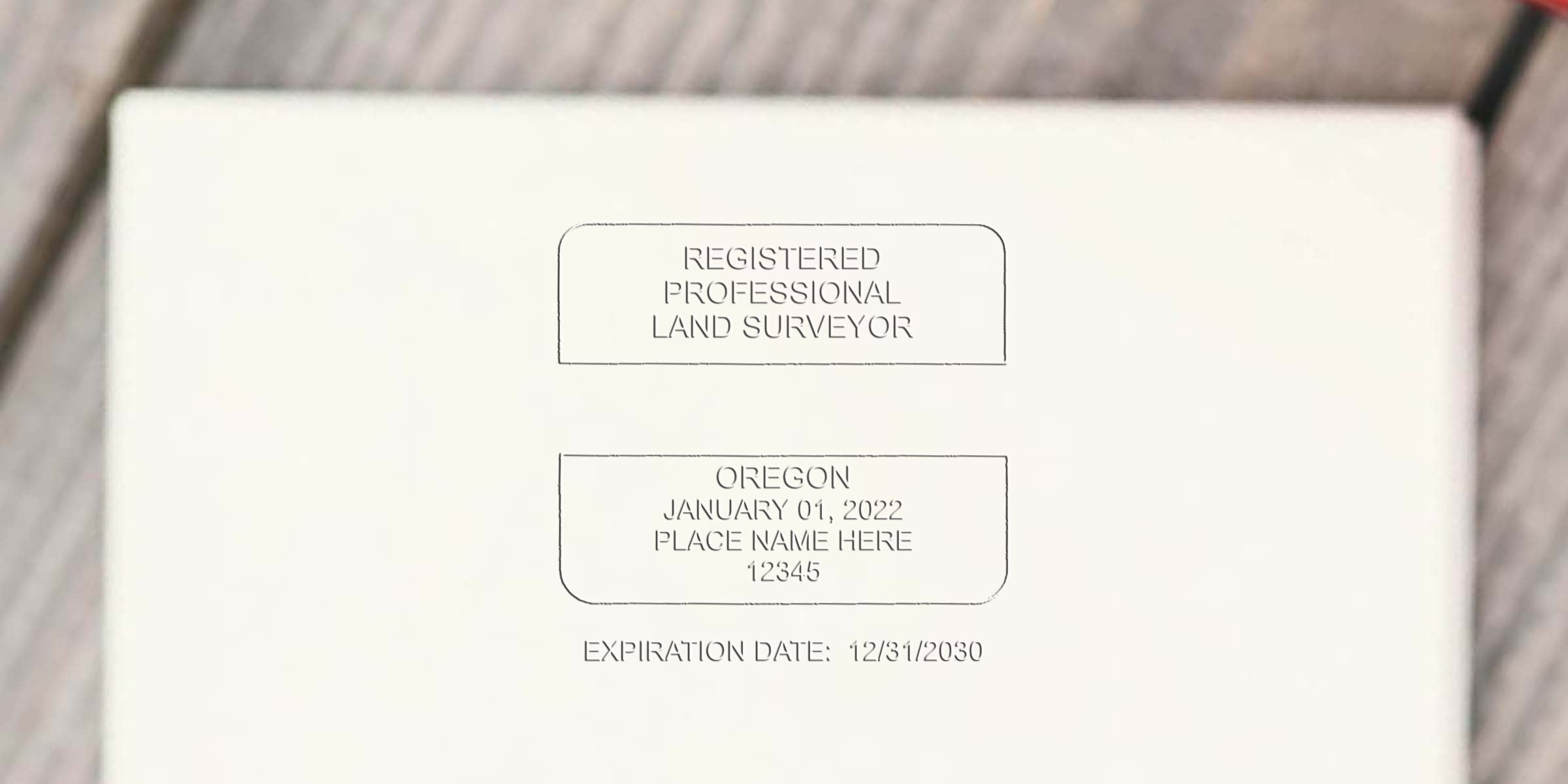
If you’re curious about Oregon land surveyor stamp cost, you’re not alone. Whether you’re just starting out as a land surveyor or you’re exploring the latest requirements for stamps and seals, it helps to know the ins and outs before you invest. In this article, we’ll walk through everything from Oregon’s unique standards to the practical details of finding a trusted supplier. Plus, you’ll see how you can get a free digital seal from Acorn Sales, a supplier that’s been in business since 1964. Let’s explore what all this means for you.
Understand the Role of a Surveyor Stamp
A land surveyor stamp (sometimes referred to as a seal) is more than a fancy imprint on your documents. It’s an official statement of your credentials and verification of your work. In other words, when you stamp a plan or report, you’re saying, “I stand by this, and I’m authorized to do so.”
What the Stamp Really Represents
In Oregon, the land surveyor stamp isn’t just for show. It:
- Confirms you’re licensed to practice land surveying in the state.
- Provides authenticity for property boundaries, topographic surveys, and legal documents.
- Ensures each project meets Oregon’s professional and ethical standards.
Why Oregon Requires a Specific Stamp
Every state has its own guidelines, and Oregon is no different. Because land surveys heavily influence property ownership, zoning, and development, the state wants clear, uniform labeling on all official paperwork. In fact, these rules help maintain public trust in the work you do as a land surveyor. If you want more details on the exact layout, check out oregon land surveyor stamp requirements.
Follow Oregon’s Rules and Requirements
Oregon’s Board of Examiners for Engineering and Land Surveying (OSBEELS) regulates who can become a licensed land surveyor, what stamp design is acceptable, and how you should apply it to your documents. If you don’t follow these guidelines, you risk penalty fees or even losing your license.
Design and Layout Details
The Oregon land surveyor stamp generally includes:
- Your full legal name, exactly as it appears on your land surveyor license.
- Your license number, clearly visible to anyone reading the document.
- A standard circular or rectangular outline, as specified by OSBEELS rules.
You also want to pay attention to size recommendations. Some professionals choose self-inking stamps, while others stick to old-school rubber stamps. The important part is that the entire impression is crisp, legible, and durable on official papers.
Stamping Protocol
Rules don’t just stop at design. Oregon typically expects:
- A signature that crosses the seal or is adjacent to it.
- An ink color that contrasts with the page, so it can be photocopied without losing clarity.
- Placement in a visible area, not hidden at the margins or over text that might obscure the stamp.
These requirements help maintain consistency and clarity. The last thing you want is for someone to question the validity of your survey because your seal is hard to read or missing expected details.
Explore Factors That Influence Stamp Cost
When it comes to figuring out the cost of your Oregon surveyor stamp, you’ll want to consider a handful of factors. While it’s tempting to grab the cheapest option, you could end up paying more down the line if you need frequent replacements or discover your stamp doesn’t meet state guidelines.
Material Considerations
Stamp materials can vary quite a bit. Here’s a short table that sums up common types and their general cost ranges:
| Stamp Type | Approx. Cost Range | Pros | Cons |
|---|---|---|---|
| Wood-Handle | $15–$35 | Traditional feel, durable handle | Requires separate ink pad |
| Self-Inking | $25–$50 | Convenient, no separate pad | Ink can dry out over time |
| Pre-Inked | $30–$60 | Crisp impressions, minimal mess | Slightly pricier upfront |
| Electronic Seal | Often free or low subscription | Instant file embedding, no physical storage | Not always valid alone for official docs (depends on rules) |
Your stamp’s material plays a big role in both longevity and the impression’s clarity. For example, a wooden handle stamp may feel more classic, but you’ll have to manage an extra ink pad. Meanwhile, a self-inking or pre-inked stamp is typically faster and more convenient.
Design Complexity
Beyond materials, you should also think about the complexity of your custom design. If you’re adding multiple lines of text, an intricate border, or special graphics, you might rack up some extra fees. Most land surveyor stamps are relatively straightforward, so complexity costs don’t usually escalate wildly. Still, it’s wise to confirm you’re getting precisely what Oregon requires, rather than overcomplicating it.
Additional Services and Fees
Some suppliers will offer optional upgrades for an added fee:
- Rush production or expedited delivery
- Extra ink cartridges
- Storage cases or protective covers
While none of these are mandatory for Oregon’s requirements, they can make your life easier, especially if you’re on a tight schedule.
Learn About the Purchasing Process
So how do you buy a land surveyor stamp that meets all these rules? While many local office-supply shops may sell rubber stamps, you’re often better off going through a specialized vendor that focuses on professional stamps and seals.
Finding a Trusted Supplier
Look for a supplier that:
- Knows Oregon regulations and can confirm your stamp is fully compliant.
- Offers customization that includes your name and license number.
- Responds quickly to inquiries and has a track record of reliable service.
One example is Acorn Sales. We’ve been in business since 1964, and we make it our mission to ensure that every stamp is delivered to the exact specs required in Oregon and beyond. A trustworthy vendor will also take the time to answer all your questions.
Processing Time and Shipping
Don’t forget to factor in production and shipping times when calculating your overall costs. If your timeline is tight, ask if expedited production is available. However, paying extra for rush delivery might inflate the final price, so plan ahead whenever possible.
Discover Why Acorn Sales Helps
If you’re thinking of buying your stamp soon, Acorn Sales can be a great partner. Here’s why:
Free Digital Seal Offering
Sure, you’ll still need a traditional stamp for physical documents, but we don’t ignore your need for digital documentation. With Acorn Sales, you can get a free digital seal, which is perfect for electronically submitted files or for archiving your projects. That means you’ll have both bases covered without juggling multiple vendors.
A Legacy of Quality Since 1964
For over half a century, Acorn Sales has specialized in high-quality stamps, seals, and related products. We understand that land surveyors must follow strict guidelines, and we’re committed to making the process easier for you. From the clarity of your impression to the durability of the unit, we’ll help you feel confident that your investment is worthwhile.
Use Your Stamp Effectively
Once you’ve purchased your Oregon land surveyor stamp and you’re happy with the cost, you’ll want to make sure you’re applying it correctly to every document. Here are a few tips for getting the best results:
- Practice a few test impressions. Especially if you’re using a new self-inking stamp, it’s helpful to test out the ink saturation and pressure before stamping final documents.
- Keep spare ink. There’s nothing worse than running out right before a big submission. A backup cartridge in your desk can save you from frantic store runs.
- Store your stamp properly. Extreme heat or cold damages the rubber and affects ink longevity. Keep it in a cool, dry place when not in use.
- Watch your signature placement. Make sure your signature and the impression aren’t overlapping in an unreadable way. If your signature is too close to the outer border, it may not be recognized as complete.
By keeping these simple steps in mind, you’ll maintain a crisp, professional appearance on every project.
In the end, the Oregon land surveyor stamp cost isn’t just about the price on the website, but about the lifetime value you get from a reliable product. When you choose wisely, your stamp will serve you well across countless projects, ensuring each one meets Oregon’s standards. So take your time, find a reputable supplier, and make sure you don’t miss out on perks like a free digital seal.
Once you’ve got your stamp in hand, you’ll be ready to confidently approve official land surveying documents. If you have any other questions about oregon land surveyor stamp requirements or simply want guidance on which stamp fits your needs best, feel free to reach out. Having the right stamp is a small detail that makes a huge difference in your professional setup. Good luck with your surveying ventures, and remember, a clear, compliant stamp is one of the smartest investments you’ll make.
Frequently Asked Questions
Do I really need a specific Oregon stamp?
Yes. Each state sets its own stamping rules and design nuances. Oregon’s format helps ensure clarity and compliance with state law. Skipping that format could lead to penalties or delays.
How does the free digital seal work?
With Acorn Sales, you can receive a digital version of your approved stamp design. You’ll typically receive a file (often a PDF or PNG) that can be placed on electronic documents. It doesn’t cost extra, and it helps simplify digital document submissions.
Is there a standard ink color required in Oregon?
Oregon doesn’t specify a single color, but it’s best to use a dark ink, like black or blue. You want it to be easy to read on photocopies and scans. Check your specific county or agency guidelines, though, because some prefer one color over another.
How long does it take to get my stamp delivered?
It depends on whether you need expedited shipping. Standard processing can take a few business days, plus shipping time. If you need it sooner, rush production might be available for an extra charge.
What if my license number changes or I move to a different state?
You’ll usually need a new stamp that reflects your updated status. Some states require a completely different format, so remember to research the requirements for any new region where you’ll be practicing.








