
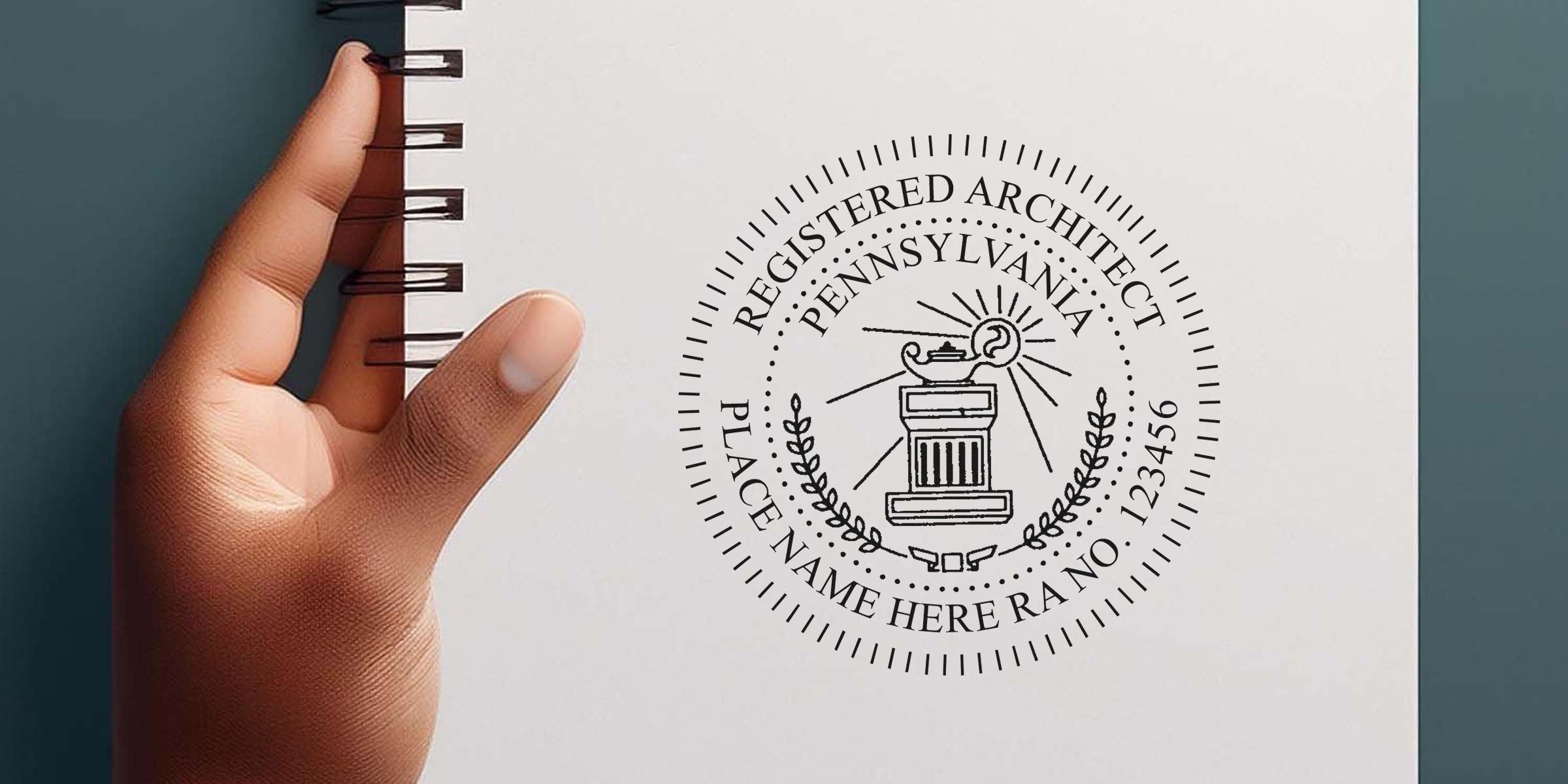
Have you ever felt unsure about Pennsylvania architect seal regulations? Understanding these rules can boost your confidence, save you headaches, and keep your professional documents squeaky-clean. If you’re an architect in Pennsylvania, your seal stands as more than a simple signature. It’s a mark of credibility, and there are specific guidelines you’ll want to follow. Let’s walk through them, so you can focus on your real passion, designing remarkable spaces.
Meet The State Regulations
Understanding your responsibilities under Pennsylvania law helps you maintain professional standards and ensure every project you seal is legitimate.
Understand The Seal Format
State authorities have rules on layout, size, and appearance. Typically, your seal includes your name, license number, and the words “Registered Architect,” along with “Commonwealth of Pennsylvania.” This official design protects the integrity of your work by confirming you’re a licensed professional.
Master The Placement Rules
Placement matters. In most cases, you need to stamp or seal all final drawings, plans, and supporting documents. Your seal should be clear and legible, so reviewers can easily confirm each sheet or page has your professional endorsement. Inconsistent placement or unreadable impressions can raise questions about your compliance.
Use Your Architect Stamp
If you’re curious about how to apply your seal in line with industry standards, you’re not alone. Following a sequence of best practices is the key to success, including stamping final documents under Pennsylvania’s guidelines and updating your records regularly. For a handy overview of official stamping processes, check out the Pennsylvania Architect Stamp Requirements.
Check For Compliance
It’s good to think ahead. Keep a small checklist of which documents require your seal. Having this list on hand prevents you from missing any crucial pages. You’ll also want to confirm that your seal impressions meet the minimum clarity requirements set by the state board.
Consider Digital Alternatives
If you prefer an electronic approach, Pennsylvania often allows digital seals. However, you should validate the board’s latest directives to ensure your e-seal meets encryption and security expectations. Digital seals can speed up your workflow, but they still need to reflect the official design.
Keep Renewal On Track
Ever wonder how to keep your credentials active and your seal valid? You need to renew your license with the state before it expires. If your license lapses, your seal is no longer valid, which can put your projects at risk. Staying on top of deadlines helps you avoid fees and keeps that professional stamp of yours perfectly legitimate.
Acorn Sales: Your Reliable Partner
When it’s time to secure a Pennsylvania Architect Seal or Stamp, Acorn Sales pairs over 60 years of experience with a friendly, efficient service. We’re known for:
- Quick turnaround to keep projects moving
- State-compliant designs so you can be absolutely sure you meet Pennsylvania guidelines
- Stamps and seals that never compromise on clarity or durability
Whether you need a classic rubber stamp or a digital seal option, our job is to make your job simpler.
When you stay on top of Pennsylvania architect seal regulations, you’re not just following the rules, you’re safeguarding your reputation and your hard work. Take a moment to double-check your seal details, and if you need support, Acorn Sales has your back.
Frequently Asked Questions
Do I Need An Official Seal In Pennsylvania?
Yes. As a licensed architect in Pennsylvania, you must affix your seal to final documents, including plans, specifications, and reports.
How Often Do I Renew My Stamp Or Seal?
Your seal doesn’t expire by itself, but your license does. Renew your license before it lapses. Once your license is inactive, your seal can’t be used until you’re reinstated.
Are Digital Seals Accepted For Official Submissions?
In most cases, Pennsylvania permits digital seals as long as they meet security and format criteria.
Where Should I Place My Seal On Drawings?
Place your seal in a prominent spot on each sheet, typically near your signature block or title block, so it’s easy for reviewers to confirm.
Are There Specific Size Restrictions For The Seal?
Pennsylvania typically has guidelines, but sizes around 1.5 to 2 inches in diameter are common. Check the state board for exact requirements.
Where Can I Get A Trusted Pennsylvania Architect Seal?
Acorn Sales is here for you. We’ve served architects for decades with state-compliant seals, ensuring you get a crisp, professional impression every time.








