
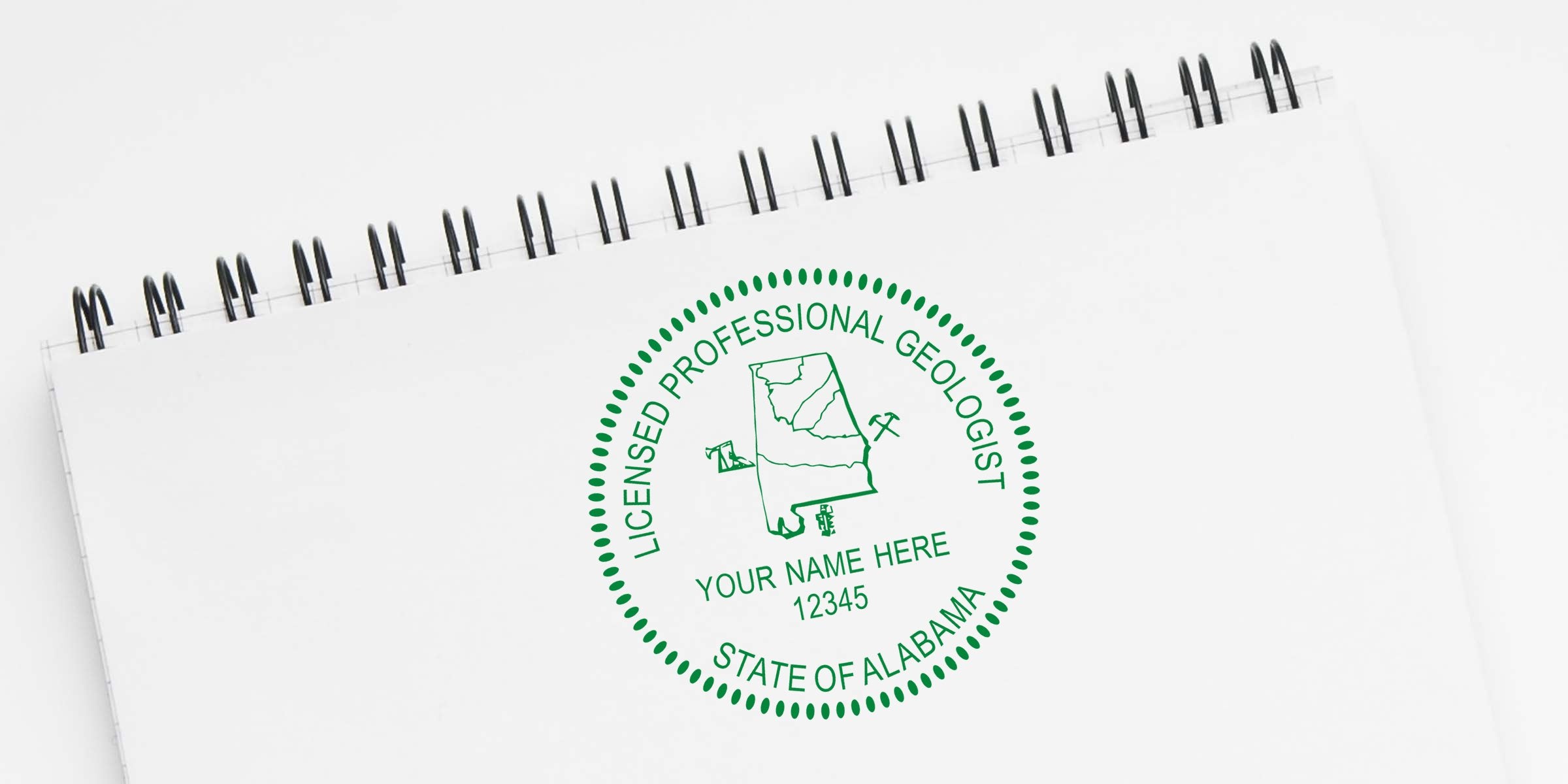
Understand The Alabama Geologist Seal
If you’re looking to practice geology in Alabama, you’ve probably come across one key requirement: the Alabama geologist seal. You see this seal on reports, maps, and various professional documents that must show an official mark of authority. But what does this seal really signify, and why do you need it? In simple terms, it’s about demonstrating credibility and preserving professional standards in your field. Like many state-governed professions, geology in Alabama follows rules that keep everyone honest and aligned with best practices.
There’s also the matter of how to get your seal, when to use it, and how to keep it in good condition over the long haul. This article offers a friendly, in-depth overview so you can feel confident about each step. Let’s walk through the bigger picture of the Alabama geologist seal, from design features and usage requirements to helpful tips on storage and care. By the end, you’ll have a clear idea of how to meet these requirements, avoid common pitfalls, and keep your professional credentials organized.
Discover Its Purpose
The Alabama geologist seal is more than an official-looking stamp. It represents your professional identity and indicates that you stand by the quality of the information you provide. In most cases, you’ll place this seal on finalized documents, signifying that the content meets state standards. This creates a sense of trust for clients, regulatory bodies, and fellow geologists.
Key roles of the seal include:
- Ensuring clarity on who is responsible for professional documents.
- Demonstrating expertise by showing you hold an active Alabama geologist license.
- Maintaining consistent professional standards across the state.
Know Its Role In Your Career
You might wonder how crucial the seal is if you’re working in a private firm or as a consultant. The answer is simple: whenever you submit geological documents for official or public use, you need this seal. It assures your clients that you adhere to state guidelines and that your assessments and calculations are accurate. This trust can shape your reputation in the industry. So, think of the Alabama geologist seal as a gateway to projects, partnerships, and an overall boost in credibility.
Identify Key Design Elements
Pipe diagrams, rock composition charts, or groundwater studies may be your daily bread, but let’s not forget how design details of your seal matter too. Most official seals follow guidelines set by the Alabama regulatory board, and you’ll want your seal to be fully compliant.
Shape And Layout
In many states, geologist seals have a circular shape, though a few outliers exist. For Alabama, the standard format typically includes an outer ring showing that it’s an official geologist seal and an inner field listing your license details. Circles work well because they’re simple to position and straightforward to read. You’ll often see the state name on the top arc and the term “Licensed Professional Geologist” on the bottom arc.
Name And License Number
Your official Alabama geologist seal must display your full name exactly as it appears on your credentials, plus your license number. This approach leaves no room for confusion about who is responsible for the sealed document. Double-check the spelling of your name and your license number since any errors could invalidate important paperwork.
State-Specific Features
Alabama has a distinct set of regulations around geologist seals. While some states incorporate a state seal graphic, the focal point here is typically text. Make sure you confirm the precise requirements for the word placement, size, and spacing so your seal aligns perfectly with Alabama’s standards.
Follow Rules And Requirements
Regulations can change over time, so you should check the Alabama State Board of Licensure for Professional Geologists periodically. Typically, you’ll renew your licensure and confirm your seal details remain correct. Any slip in your licensure status—like delayed renewals or failing to meet continuing education credits—can lead to trouble.
Although it may feel like red tape, these requirements keep the public trust in geologic work high. From reviewing environmental impact statements to exploring mineral resources, the geology profession touches many aspects of life in Alabama. Having well-documented guidelines ensures that only qualified individuals hold a valid seal.
Renewal And Maintenance
If you lose your license status, your seal is essentially on hold. You can’t seal official papers, nor can you present yourself as a licensed geologist in Alabama. Therefore, it’s critical to stay on top of your renewal, keep your contact information updated with the regulatory board, and follow any continuing education mandates. A quick check of your license status once or twice a year is good practice, so you never miss important deadlines.
Compare Stamp And Seal
You’ll hear two main terms tossed around: stamp and seal. They seem interchangeable, but there’s a subtle difference. A stamp uses ink to leave a clear impression of your geologist seal, while a seal often refers to a metal embosser that leaves a raised impression. Both serve the same legal function, yet you might prefer one or the other based on your workflow and style.
Use A Stamp Wisely
A rubber stamp is simple to carry and quick to use. If you deal with multiple documents in a fast-paced environment, stamping them can be more efficient. The stamp typically features the official outer ring, your name, license number, and the “Licensed Professional Geologist” text. It works well on paper documents, especially if you need to replicate your impression multiple times in a day.
Reserve The Seal
The embosser or seal press is a classic choice if you’re looking for a professional, embossed finish. Some geologists feel the raised impression carries a certain level of prestige or authenticity. However, embossed seals can sometimes be difficult to reproduce digitally, so keep that in mind when scanning or copying documents. If you need digital copies, you might consider adding a digital seal file to your arsenal as well.
Acquire Your Alabama Geologist Seal
When it’s time to obtain your official seal, you’ll want a supplier who knows Alabama’s specific guidelines backwards and forwards. A small design error here or an incorrect phrase there might invalidate your seal, which is the last thing you want. Let’s talk about the process for acquiring one that’s fully compliant and stands the test of time.
Work With A Trusted Supplier
Shopping for specialized stamps or seals can be overwhelming if you’re not sure what to look for. You might find cheaper options online, but be cautious. You could end up with a seal that isn’t recognized by the licensing board, or it might wear out quickly. Instead, trust a supplier with a long track record of delivering quality to Alabama geologists. High-grade stamps and embossers make your work smoother, last longer, and look far more professional.
Meet Acorn Sales
One name you can count on is Acorn Sales, which has been in business since 1964. Over those decades, they’ve provided hundreds of geologists with officially recognized Alabama geologist stamps and seals. They also offer a free digital seal, a handy bonus that lets you seal documents in electronic form. Whether you prefer an embosser, a rubber stamp, or both, you’ll find top-tier products that meet Alabama’s regulations. If you’d like to explore the stamp version specifically, you can check out the Alabama Geologist Stamp. Acorn Sales has a deep history of reliability, and their experience makes them a go-to source when you need to ensure 100 percent compliance.
Use And Care Guidelines
Once you’ve got your Alabama geologist seal in hand, it’s time to think about the practical side of day-to-day usage. Proper technique and storage will help you preserve the clarity of your seal impression and the overall durability of your stamp or embosser. Fortunately, it’s not complicated, and a little attention goes a long way.
Store It Safely
The best place to keep your seal is somewhere cool and dry. High humidity can degrade stamping materials, and direct sunlight may warp or fade components. If you have an embosser, consider storing it in its own case or drawer to prevent dust buildup on the press mechanism. Here are a few tips to keep everything in top condition:
- Keep your stamp pad covered to maintain ink quality.
- Clean the embossed plates gently with a soft cloth when needed.
- Test your stamp on scrap paper periodically to confirm the impression is still crisp.
Avoid These Mistakes
Even the most seasoned professionals can stumble into small errors that cause big consequences. Here are some common pitfalls to keep on your radar:
- Forgetting to renew on time. An expired license means you shouldn’t be sealing anything.
- Inaccurate information. If your name has changed or your license number updates, be sure your seal reflects that.
- Sloppy impressions. Double-check that every seal you stamp is legible and complete.
- Misusing the seal. Don’t apply it on draft documents, letters of reference, or anything else not governed by your licensure rules.
- Storing it improperly. Water damage or extreme heat can ruin your stamp or embosser.
Taking good care of your seal not only saves you time and money, it also guarantees the continued professional look and legal weight behind every document you sign.
Frequently Asked Questions
Here are five common questions we hear about the Alabama geologist seal:
How soon should I order my seal after getting licensed?
It’s a good idea to order your seal as soon as the state approves your license. This way, you’ll have it ready for any official documents that come your way, and you avoid any delay that might hold up your work.Can I use a digital seal if I don’t have a physical stamp?
Digital seals can be extremely convenient, especially for electronic reports. However, it’s wise to also keep a physical stamp or embosser for any instances where a raised or inked impression is specifically required. Be sure your board or client accepts digital seals before going that route.What happens if I lose my seal or it breaks?
If your seal is lost, damaged, or stolen, you’ll want to replace it right away. Until you have a valid seal, you can’t officially approve documents. It might be a good idea to have a backup stamp or embosser, especially if you handle time-sensitive work.Does my seal have an expiration date?
The physical seal itself doesn’t usually expire, but your license does. If your license lapses, the seal effectively becomes unusable for official purposes until you renew. Always keep an eye on your license renewal timeline so you don’t run into any snags.Are there specific sizes allowed for the seal?
Alabama typically provides a standard seal size, often around 1 5/8 inches or 2 inches in diameter. Double-check with the licensing board for the exact size requirements, and order a seal that hits that benchmark precisely.
Conclusion
In the end, the Alabama geologist seal plays a pivotal role in your professional journey. It’s not merely a formal requirement—it’s a statement of trust, competence, and accountability. Every time you seal a document, you’re telling clients, regulators, and peers, “I stand behind this work.” By understanding the design, knowing when and where to apply it, and keeping it in good shape, you’ll ensure a smooth professional practice.
Plus, partnering with a reputable supplier like Acorn Sales can remove any stress surrounding compliance and durability. They’ve been at it since 1964, providing top-notch stamps and seals for countless geologists, and they even throw in a free digital seal for extra convenience. So if you’re ready to invest in a smoother process—and display your credentials with clarity—take a moment to get your Alabama geologist seal in order. It’s a simple step that will serve you well throughout your geology career.








