
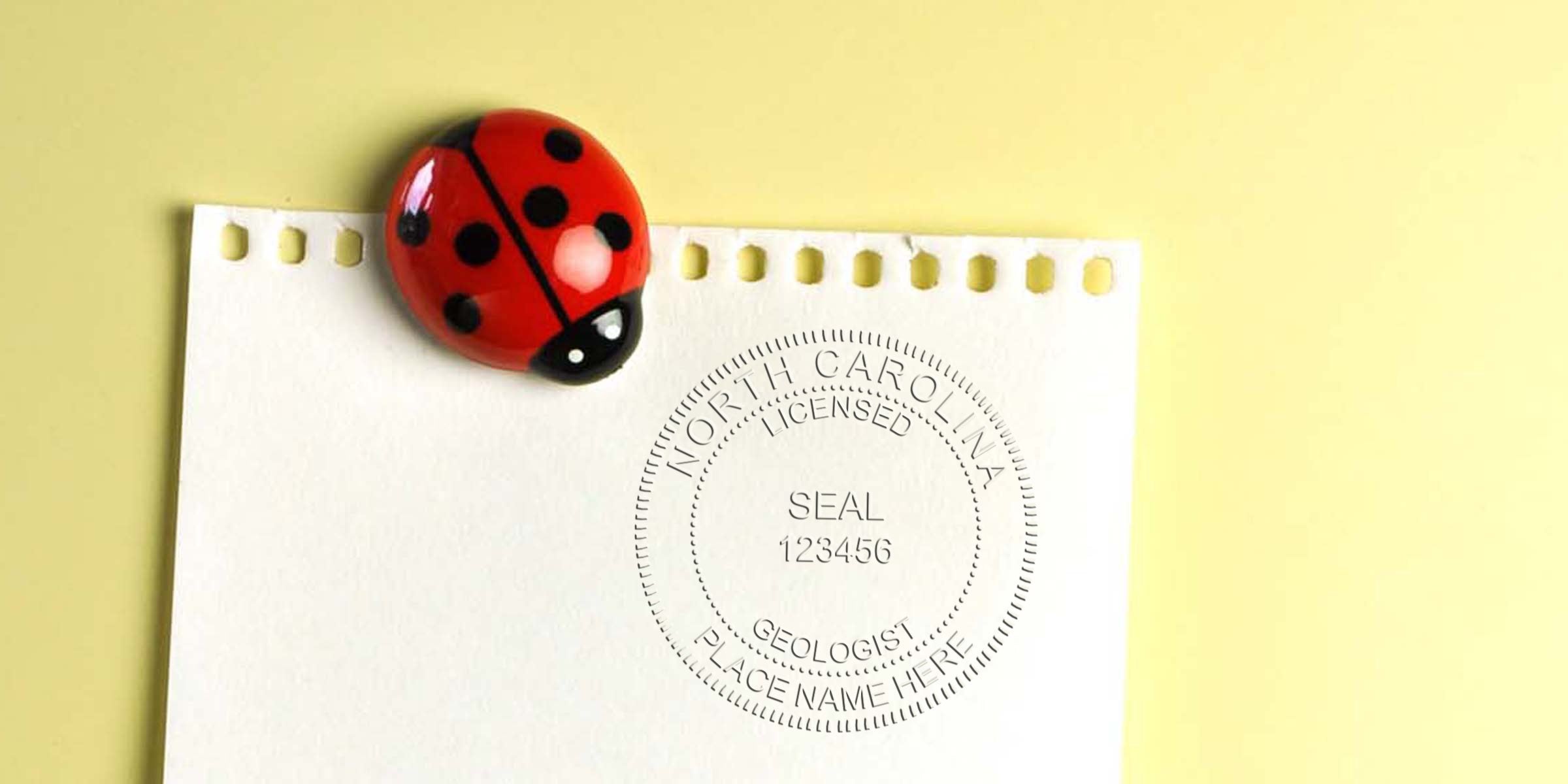
Discover The Geologist Seal
If you’re a practicing geologist in North Carolina, you’ve probably heard about the importance of having an official seal. The geologist seal North Carolina requires isn’t just a formality, but a professional symbol that shows you’ve met the state’s standards for practice. In this post, you’ll learn what the seal is, why you need it, and how to get set up without any guesswork. By the end, you’ll have a clear roadmap to follow, plus a few tips to avoid common pitfalls along the way.
What The Seal Represents
Your seal is a mark of achievement. It confirms you’ve met the educational and experience thresholds set by the North Carolina Board for Licensing of Geologists. When you stamp or imprint official documents, anyone reading them instantly knows they’re reviewed and approved by a credentialed professional. Think of it like a personal signature, but one that conveys trust on a broader scale.
Seal Vs. License
Although your license and your seal are separate, one can’t stand without the other. You need a current license to use the seal legally. Likewise, simply having a license without a seal might create delays or confusion when you’re submitting official paperwork. If you’re ordering your seal, ensure you have your licensing details up to date so your seal accurately reflects your status.
Meet The North Carolina Requirements
The rules surrounding geologist credentials in this state can feel a bit complex. Fortunately, they’re straightforward once you break them down. Here’s a closer look at the key requirements you’ll want to satisfy before you apply for and use your seal.
Educational And Experience Standards
You must first complete a set of educational prerequisites, typically a four-year degree in geology or a closely related field. Next comes on-the-job experience. The Board normally expects several years of verified professional work under the supervision of a licensed geologist. This real-world practice ensures you’re not just book-smart but also capable of handling fieldwork, data analysis, and project reporting.
Examination And Licensing
After meeting the educational and experience requirements, you will likely need to pass the National Association of State Boards of Geology (ASBOG) examinations. Passing scores on these exams demonstrate you have the technical know-how to practice safely and ethically. Once you’re successfully licensed, you earn the right to apply for the official North Carolina geologist stamp or seal.
Renewal Guidelines
Licensing isn’t a one-and-done situation. You’ll need to renew your license on a set schedule, usually every year or two. Keep track of fees, fill out renewal forms on time, and record any continuing education credits you earn. If your license lapses, you’re not allowed to use your seal until everything is current again.
Know The Stamp And Seal Differences
In day-to-day speech, people often use “stamp” and “seal” as if they mean the same thing. In the professional geologist sphere, however, there can be important distinctions.
Physical Stamps
A physical stamp is an ink or self-inking device that, when pressed on paper, applies a crisp impression of your geologist credentials. Physical stamps are popular if you frequently handle paper documentation or need to sign multiple pages quickly. They’re relatively inexpensive and easy to replace if worn out.
Embossing Seals
Embossing seals create an elevated impression on paper. These seals are a bit more formal, favored by geologists who value a professional look for plates, cover sheets, or final reports. While visually appealing, embossers can be less convenient if you need to mass-stamp a tall stack of documents.
Digital Seals
With more documentation shifting online, digital seals are increasingly popular. When properly configured, these seals can be embedded in PDFs or other electronic files for easy sharing. Be sure any digital seal tool you use follows North Carolina’s standards for authentication, so your digital mark carries the same legal weight as a physical stamp.
Set Up The Application Process
Obtaining your seal in North Carolina involves a few steps, so getting them right can save you headaches down the road. Here’s a quick overview:
-
Complete Licensing Requirements
Be sure your license is active and in good standing with the North Carolina Board for Licensing of Geologists. If it’s expired, renew it right away. -
Gather Personal Details
Keep your license number and personal identification at hand. You might need an official letter of good standing depending on the supplier or regulatory instructions. -
Choose Your Format
Will you go for a physical stamp, an embosser, a digital seal, or a combination? Reflect on how you typically handle documentation. Many geologists opt for both a physical device and a digital version for maximum flexibility. -
Submit The Order Form
Once you know what type of seal or stamp you want, head to a reputable supplier. Provide your name and license details exactly as they appear on official records. Any errors here could invalidate documents you sign. -
Wait For Approval
Reputable suppliers will often require an official verification step to ensure you’re legitimately licensed. This helps maintain standardized quality and protects you from unlicensed practice issues.
Follow Usage Guidelines
After you’ve got your new seal or stamp, how do you use it in a consistent and legally sound way? The North Carolina Board lays out specific guidelines, and it’s vital you follow them to protect both your license and your reputation.
Size And Layout
North Carolina typically dictates the outer circle of the seal, plus any text placement. Double-check the guidelines on diameter for stamps and seals so your impression or digital mark is easy to read. In many cases, you’ll see the board name around the top, your name in the middle, and your license number near the bottom.
Document Placement
Stamping or embossing isn’t random. You usually apply it near your signature or in a designated signature block, often on the cover page or the final page of official documents. Consistency is key—place your seal in the same spot each time to help agencies and clients easily verify your credentials.
Digital File Embedding
If you’re using a digital seal, embed it in PDFs or similar non-editable formats, which helps safeguard the authenticity. Some software adds extra security layers, like password protection or certification signatures, to confirm the file hasn’t been altered post-sealing.
Avoid Common Pitfalls
No one wants to deal with a complaint or a fine from the licensing board. Whether you’re new to sealing or have done it for years, these are a few issues you’ll want to steer clear of.
Missing License Details
If your seal is missing a digit or shows incorrect wording, your documents might be questioned. Always double-check your license number and spelling of your name before ordering the seal.
Using An Expired Seal
A seal linked to an expired license can land you in hot water. If your license lapses, put away your seal until you’re renewed. Otherwise, you could face penalties or license suspension.
Overuse Or Improper Placement
Seals should only be used on documents directly related to your professional geological work. Using your seal to endorse a project outside your area of expertise can create liability issues. Stick to recognized, relevant tasks to keep your standing in good shape.
Choose A Trusted Supplier
Finding a reliable supplier for your official seal is a big deal. Mistakes here lead to wasted money and possibly invalid documents. So, what should you look for in a supplier?
Expertise And Verification
Pick a supplier that specializes in professional stamps and seals for licensed geologists. Experienced providers usually have a direct line to licensing boards or a verification process to ensure each seal meets state-specific guidelines.
Quality Of Materials
Seals and stamps come in many shapes, materials, and durability levels. Look for ergonomic stamp handles, clean emboss impressions, and digital files that maintain resolution when enlarged.
Acorn Sales: Your One-Stop Shop
For more than five decades, Acorn Sales has served geologists nationwide. We’ve been in business since 1964, and we offer a free digital seal with your purchase of an official North Carolina geologist stamp. Our devices are designed to comply with state regulations to help you check off all the boxes. If you have any questions, we’re happy to walk you through the process in plain English.
If you’d like to compare product options for your official seal, feel free to check out the North Carolina geologist stamp. Whether it’s a self-inking stamp, a pocket embosser, or a digital seal, you’ll find a reliable product for any scenario.
The stamp or seal itself doesn’t expire, but your license does. So, if your license lapses, you must stop using the seal until you’re current again. Always keep license renewal deadlines on your radar.
You’re now equipped with a deeper understanding of the North Carolina geologist seal, from how to get it to how to use it properly. By paying close attention to board requirements, double-checking your details, and choosing a trusted stamp and seal provider like Acorn Sales, you’ll keep your professional credentials in top shape. If you feel stuck at any point, don’t hesitate to reach out for advice—because it’s simpler when you have the right help behind you. Feel free to leave questions or share your experiences so fellow geologists can learn from your insights.
Frequently Asked Questions
Do I Need A Physical Seal Or Only A Digital One?
That depends on how you typically submit documents. Traditional projects with paper-based plans often mandate a physical impression, while electronic filings allow digital seals. Some geologists keep both on hand for flexibility.
How Long Does Certification Take?
Once you pass your exams and fulfill your experience requirements, licensing usually takes several weeks to a few months, depending on how quickly the board processes applications. Plan accordingly and submit all documentation in advance to avoid delays.
What If I Change My Name?
If you legally change your name, you’ll need to update your licensing records first. Once the board approves the change, you can order a new seal. Avoid using a seal or stamp with your old name to prevent confusion or document rejections.








