
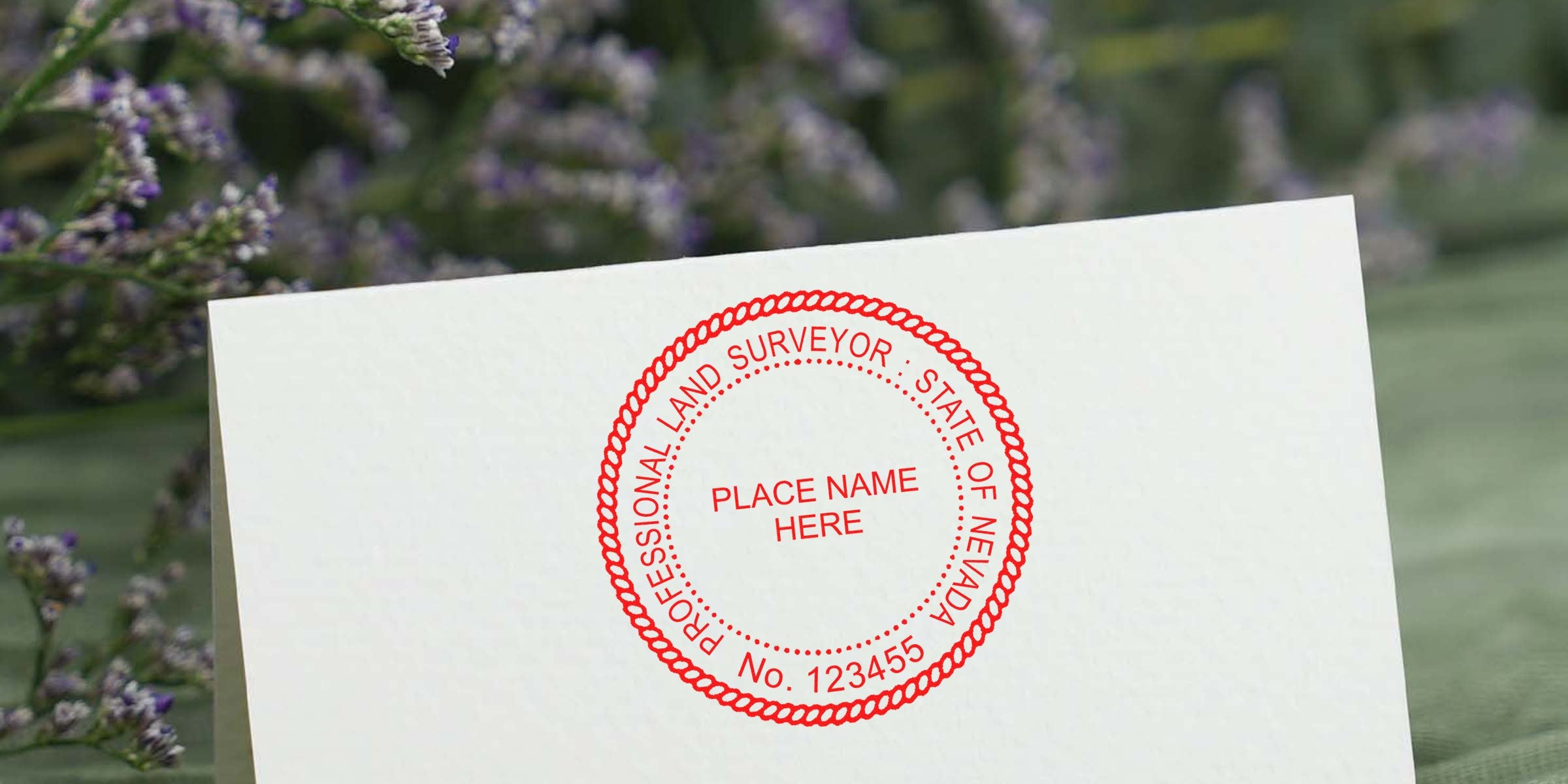
Discover the Nevada Land Surveyor Seal
If you’re aiming to practice professional land surveying in Nevada, it won’t be long before you learn about the importance of the Nevada land surveyor seal. It’s not just a rubber stamp you use at the end of a project, but an official marker that confirms you’ve met state requirements, followed set standards, and backed your work with a professional commitment. In this post, let’s walk through what the seal is all about, why it matters, and how you can get it in a hassle-free way. We’ll also explore helpful tips for maintaining the seal’s crisp impression so that your hard work always looks top-notch.
Why the Seal Matters
The state of Nevada regulates land surveying to ensure public safety and maintain quality control while determining property boundaries. The seal represents that you’ve met all regulatory requirements and have the authority to provide professional services. In other words, it’s a mark of confidence between you and a client, reassuring them that your calculations are meticulous and your boundaries are valid.
Once you’re licensed by the Nevada Board of Professional Engineers and Land Surveyors, you’ll use your seal on important documents and drawings. Think final plats, maps, corner records, or any official survey results that need your professional sign-off. This single impression can mean the difference between a recognized legal document and one that’s missing an official piece of validation.
Key Elements of the Seal
You might wonder, “Doesn’t a seal just have my name and license number?” That’s part of it, but there’s more to this seemingly simple tool. Nevada’s rules outline specific layout guidelines for land surveyor seals. Usually, the seal includes:
- Your name as it appears on your license
- Your license number
- The words “Professional Land Surveyor”
- The phrase “State of Nevada” or “Nevada”
All these elements must match the standards set by the licensing board. Any deviation can create confusion or even hold up official approvals. Paying close attention to each detail ensures your seal meets state guidelines and stands out as a mark of true professionalism.
Comply with Official Guidelines
Meeting state mandates for your seal isn’t just about following rules, it also helps protect your reputation. When you apply your seal to a document, you’re declaring that it’s valid and that every solution you’ve provided meets Nevada’s regulatory criteria. Let’s look at the essentials you’ll need to keep in mind.
Official Requirements
In Nevada, land surveyors must register with the licensing board before using the seal. The seal’s diameter, design, and the arrangement of text are spelled out in official guidelines. Some boards also allow digital versions of the seal for electronic submissions, but these often have specific file format rules. So, if you plan to issue reports electronically, you’ll want to confirm the latest guidance on digital usage.
Navigating these steps might feel like sorting puzzle pieces at first. But once you have the official nod from Nevada’s board, you’ll see how straightforward (and valuable) the process truly is. Documents stamped with your seal become official records that can be archived with confidence, whether they’re physically printed or stored digitally.
Common Questions About Legality
Curious about what happens if you use a seal without following these guidelines? Fines, project delays, or even worse, license suspension, are real possibilities. The same goes for using a seal before you’re fully licensed or letting someone else borrow your seal. Under Nevada law, that’s a huge no-no and can lead to disciplinary action.
The best way to avoid trouble is to treat your seal like a professional extension of yourself. After all, it represents the hours of study, field experience, and the formal recognition you’ve earned. Whenever you use it, you confirm you’ve complied with every relevant standard.
Choose the Right Vendor
Once you’ve confirmed the board’s requirements, you’ll need to find a trustworthy source to create your seal. Skimping on quality can mean blurry impressions or a design that doesn’t meet official regulations. Selecting a reputable vendor ensures your seal will be clear, accurate, and long-lasting.
Acorn Sales: Since 1964
At Acorn Sales, we’ve been providing reliable stamps and seals for over half a century. Starting in 1964, we made it our mission to support professionals just like you, giving you the tools you need to fulfill state rules with confidence. We’re known for high-quality stamps and seals, but we also pride ourselves on being a partner in your licensing journey.
One of the standout perks we offer is a free digital seal. If you’re working remotely or frequently sharing documents electronically, a digital seal can make your sign-off process smoother. You simply apply it to a PDF or other electronic file, letting stakeholders know they’re looking at a legitimate document that meets Nevada’s seal requirements.
Free Digital Seal Option
You might be thinking, “Why do I need a digital seal if I already have a physical one?” In today’s tech-driven world, electronic documents are often the norm. Whether you’re emailing site plans to a client across the country or sending final reports to local authorities, having a digital seal speeds things up. It also ensures your electronic files remain just as valid as printed documents.
At Acorn Sales, we include this digital version free of charge when you purchase your official seal from us. There’s no separate fee, so you’ll be fully equipped for paper-based and paperless workflows alike. If you have questions about applying the digital seal, our customer service team can walk you through it step by step.
Understand the Stamp vs. the Seal
When you’re fulfilling Nevada’s requirements, you’ll hear two words come up frequently: stamp and seal. They might sound interchangeable, but there’s a bit of nuance in how they’re used.
When to Use a Stamp
A stamp is generally the physical embosser or self-inking device that imprints the requisite lines, text, and designs onto your documents. This can be handy for everyday prints and official forms. If you’re consistently stamping multiple pages in an office environment, a self-inking stamp can speed up your workflow. Stamp impressions are typically easier to read on varied paper stocks and can be reapplied quickly if needed. If you’d like to compare your options, check out the nevada land surveyor stamp to see how they’re designed for clarity and durability.
When to Use a Seal
A seal often refers to an inked or embossed impression that physically presses into the paper. The terms “stamp” and “seal” are often used interchangeably, but in strict language, a seal is the final mark left on the page. With an embosser, you create a raised impression that can’t be easily tampered with. Some surveyors prefer embossed seals for more formal documents or for situations where tamper-proofing is a priority.
Deciding which one to use can come down to aesthetics, personal preference, or the specific demands of the document you’re preparing. Whenever you’re unsure, check official guidelines or ask your client which format they require.
Steps for Obtaining Your Seal
Getting your official seal can feel complicated at first, but breaking it down into clear steps helps make it simpler. Here’s a quick overview to keep in mind:
-
Complete Licensing Requirements
- Pass the required examinations.
- Log any experience hours mandated by the Nevada Board.
- Apply for licensure.
-
Confirm Design Specifications
- Verify diameter, text layout, and design details.
- Confirm you need “State of Nevada” or “Nevada” on the seal.
- Gather your name and license number in the exact format required.
-
Pick a Vendor
- Look for a company that has a track record with professional seals.
- Ask about both physical stamps and digital seals.
- Verify that they will produce a seal that meets Nevada’s rules.
-
Approve Your Proof
- Review the design proof from your vendor carefully.
- Check spelling, license number, and spacing.
- Request changes if anything looks off.
-
Receive Your Seal and Digital Version
- Confirm that the physical seal arrives in good condition.
- Download your free digital seal.
- Test the seal on a sample form to ensure clarity.
-
Start Using Your Official Seal
- Read up on best practices for storing and maintaining your seal.
- Stamp or emboss your next set of documents confidently.
Following each step thoroughly will help keep you on track, so you won’t end up with a subpar product or possibly breach state regulations. It’s about striking the perfect balance between efficiency and precision.
Tips for Maintaining Your Seal
Once you have your seal, it’s essential to keep it in top shape. Whether it’s a self-inking device or a classic hand embosser, proper storage and maintenance will extend the lifespan of your equipment.
Storage Strategies
- Keep it in a dedicated case or pouch. This reduces dust and protects the seal from damage.
- Store it in a cool, dry environment. Prolonged exposure to moisture can make the metal components prone to rust or warp.
- Label your storage spot so you never have to rummage through drawers, risking accidental damage.
Best Practices for Crisp Impressions
- Clean the die (the metal plate) regularly if you have an embosser. Ink residue or small paper fibers can build up.
- If you’re using a self-inking stamp, make sure to replace the ink pad when it starts to fade. A faint impression won’t give documents the professional touch they need.
- Practice on scrap paper before stamping an official document, especially if you haven’t used the seal for a while. A quick test helps you confirm the clarity and alignment.
Common Mistakes to Avoid
Even seasoned professionals make unintentional slip-ups from time to time. But you can sidestep these pitfalls with a little caution and forethought:
- Stamping Before You’re Licensed: Wait until your license is fully approved, or you risk penalties.
- Sharing Your Seal: Never allow coworkers, clients, or anyone else to use your seal. Each seal is tied to the surveyor’s unique credentials.
- Mismatched Information: Double-check that your name and license number match the official records. It’s easy to overlook a minor detail, but any inconsistency can void your stamped documents.
- Neglecting Digital Rules: If you send digital documents, ensure your e-seal meets state standards for security and format.
Taking the time to review your approach can save you from rework, legal complications, and awkward client conversations. A properly used seal is a stamp of professionalism, so give it the respect it deserves.
FAQs
Below are four common questions that often pop up once you’re ready to get your Nevada land surveyor seal.
Do I need separate seals for paper and digital documents?
You don’t necessarily need two separate seals. You can have one physical seal for paper and a digital seal file for electronic submissions. If you purchase from Acorn Sales, we provide a free digital seal along with your physical product.How do I know if my seal layout meets Nevada’s guidelines?
Carefully check the board’s published requirements, which usually detail what text is needed and how it should be arranged. When you order from a reputable source that specializes in professional seals, they should already be familiar with standard formats.What if my seal impression becomes unclear over time?
It might be time to clean or replace parts of your stamp. If it’s a self-inking stamp, try switching out the ink pad. For embossers, check if any paper or dust is trapped in the plate.Can I fix a misprint by re-stamping over it?
It’s usually not recommended to double-stamp a document if something looks off. Instead, mark the document as void and re-stamp a fresh copy. Overlapping impressions can appear tampered with and may not be recognized by official agencies.
Wrap-Up and Next Steps
Your Nevada land surveyor seal represents more than just legal compliance. It shows you’re trained, licensed, and serious about safeguarding public trust. Taking time to understand the regulations, choose a reliable vendor, and care for your seal can make all the difference when you’re presenting documents to clients or state authorities.
At Acorn Sales, we make your journey smoother by supplying high-quality seals and stamps. We’ve been in business since 1964, and we stand by the quality of our products. That includes offering a free digital seal so you can seamlessly transition between paper-based and electronic documents.
Whether you’re a new land surveyor stepping into your first gig or a seasoned professional refreshing your approach, ensuring your seal is properly designed, maintained, and used is critical. Now that you’ve uncovered these essential insights, you can confidently stamp your documents and let your professionalism shine. If you have more questions about ordering a Nevada land surveyor seal or a matching stamp, feel free to reach out—our team is here to help!
Frequently Asked Questions
What is a Nevada land surveyor seal, and why do I need one?
A Nevada land surveyor seal is the official mark that identifies your documents as prepared and approved by a licensed Professional Land Surveyor in Nevada. It helps verify compliance with state requirements and adds legal credibility to plats, maps, corner records, and other official survey documents.
What information must be included on a Nevada land surveyor seal?
A Nevada land surveyor seal typically includes your name exactly as it appears on your license, your license number, the words “Professional Land Surveyor,” and “State of Nevada” or “Nevada.” The layout, size, and design must match Nevada Board requirements to ensure the seal is valid.
Can I use a digital Nevada land surveyor seal for electronic documents?
Yes, many surveyors use a digital Nevada land surveyor seal for PDF and other electronic submissions, but it must follow Nevada’s current rules for digital use and file format. If you need both paper and electronic options, a vendor like Acorn Sales may provide a physical seal and a free digital version.
When am I allowed to start using my Nevada land surveyor seal?
You should only start using your Nevada land surveyor seal after you are fully licensed and registered with the Nevada Board of Professional Engineers and Land Surveyors. Using the seal before licensure, or allowing someone else to use it, can lead to fines, delays, or disciplinary action.
What is the difference between a Nevada land surveyor stamp and a seal?
A Nevada land surveyor stamp usually refers to the physical device that creates the impression, while the seal is the actual official mark placed on the document. In many cases, the terms are used interchangeably, but some professionals choose a self-inking stamp for convenience or an embosser for a more formal, tamper-resistant impression.
How do I keep my Nevada land surveyor seal in good condition?
Store your Nevada land surveyor seal in a cool, dry place, preferably in a protective case or pouch. Clean the die regularly, replace ink pads when impressions start fading, and test the seal on scrap paper before using it on official documents to make sure it stays crisp and readable.








