
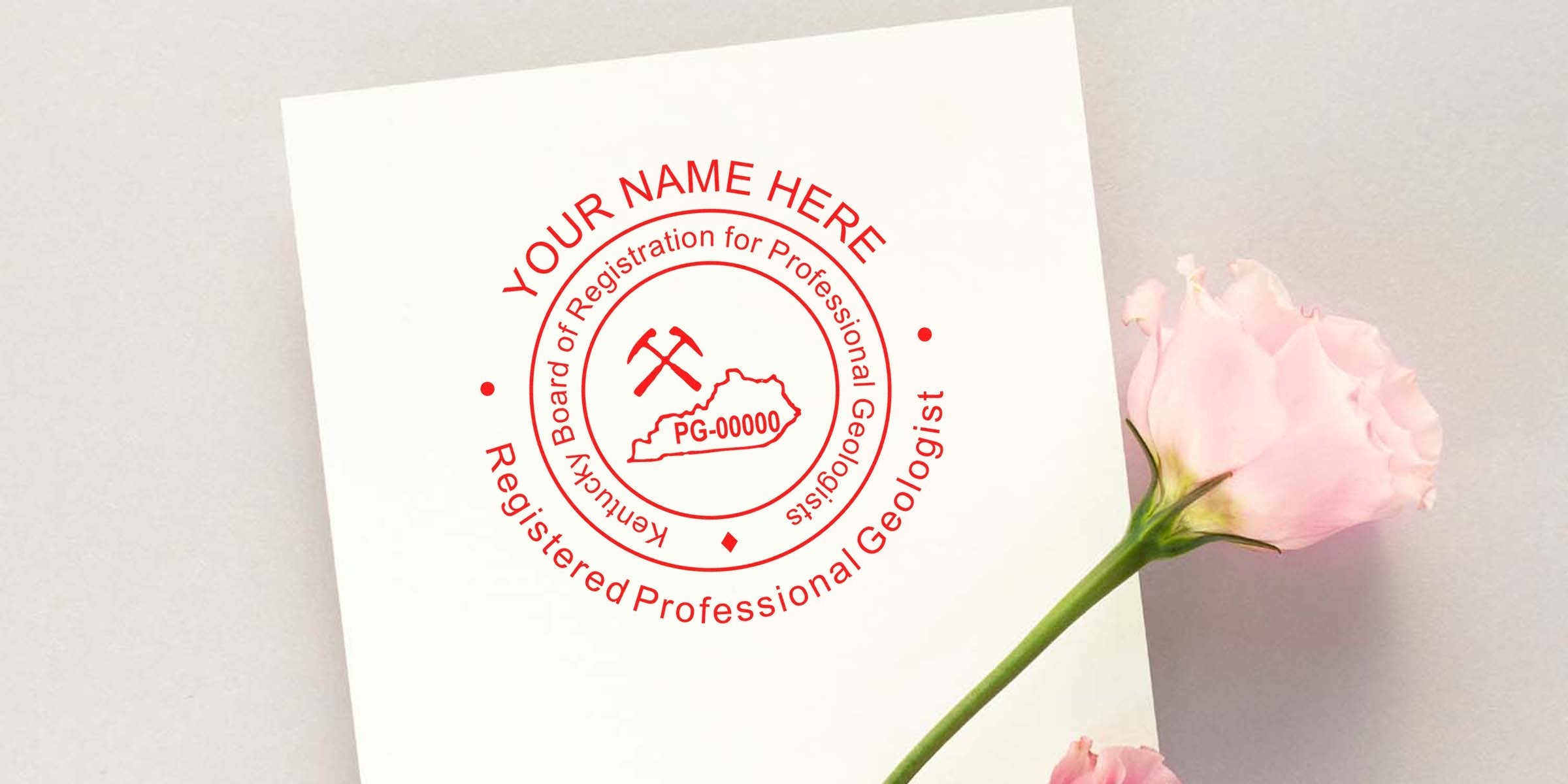
Introduction To The Professional Geologist Seal In Kentucky
If you’re planning to practice geology in Kentucky, you’ve probably come across the concept of the professional geologist seal in Kentucky. This seal is more than just a fancy emblem. It proves that you’re licensed, knowledgeable, and committed to upholding high professional standards. Picture it as your personal stamp of credibility, showcasing that you’ve met all the legal requirements for geology work in the state.
But how do you actually get this seal? And, most importantly, what does it mean for your day-to-day practice as a geologist? In this post, we’ll walk through Kentucky’s rules, the practical steps for obtaining a stamp or seal, and some best practices for using it once it’s in your hands.
Why You Need A Kentucky Geologist Seal
You might wonder if you really need a geologist seal. In Kentucky, the seal isn’t just recommended, it’s mandatory for licensed geologists to affix it on official documents. When you use a seal on your geological reports, maps, or other technical documents, it signals to everyone—clients, colleagues, even government agencies—that you’re recognized by the state.
- It offers credibility when you’re communicating scientific information.
- It helps protect public health and property by ensuring accurate data.
- It’s a state requirement that confirms your licensing status.
From a practical perspective, the seal shows clients and stakeholders that they’re dealing with a certified professional who upholds strict standards. This trust factor can help you stand out in competitive bidding situations and land better contracts.
Requirements And Regulations
The Kentucky Board of Registration for Professional Geologists manages the licensing, practice guidelines, and disciplinary actions for geologists in the state. If you’re licensed or planning to get licensed, you should stay familiar with these official requirements. Below are some essentials you’ll want to keep in mind:
-
Licensure Prerequisites
You typically need a degree in geology or a closely related field, along with relevant experience under a licensed geologist. The board may require passing a comprehensive exam that tests your understanding of geological principles. -
Usage Guidelines
The board sets rules regarding when and how to use your seal. Typically, you’ll apply it to final documents such as geological surveys, evaluations, or detailed environmental reports. Think of it as an endorsement that the content within your document adheres to professional and legal standards. -
Signature Requirements
Most regulations require you to sign your completed documents near or across the seal. This indicates that you stand by the data, conclusions, and recommendations you’ve presented. -
Renewal Schedule
Your Kentucky geologist license may need renewal every few years. Over time, regulations and technology can change, so always double-check to see if new rules affect how or when you use your seal. -
Digital Versus Physical Use
Many boards now recognize digital versions of official seals, which you can place on PDF documents and electronic reports. However, confirm whether the Kentucky board allows digital versions, and if so, learn how to verify authenticity.
The bottom line is that the seal ensures accountability. Know the guidelines, confirm your license status, and stay updated with any changes from the board. This helps you steer clear of legal trouble and maintain your professional integrity.
Obtaining Your Kentucky Geologist Stamp
Getting your official stamp can feel exciting—it’s that final step that really cements your professional status. First, make sure your license application is in good standing. After receiving approval, you’re free to order the required seal or stamp.
Many geologists choose to buy from reputable suppliers like Acorn Sales, which has been in business since 1964. If you purchase through Acorn Sales, you’ll appreciate the company’s deep experience and reliable product quality. They even include a free digital seal with your purchase, which can be a major plus if you often submit electronic reports.
You’ll find the ordering process straightforward, especially when you go through a dedicated supplier. You can also explore specific formats and designs that fit the Kentucky Board requirements. Before you finalize your purchase, confirm that the seal includes:
- Your full name as it appears on your license
- The proper Kentucky registration number
- The official text and layout approved by the board
Feel free to review design samples, and if you’re curious about exact stamp formats, check out the Kentucky Geologist Stamp page, which provides more details and ensures you’re meeting all state guidelines.
How To Use Your Seal And Stamp
Once you have your seal in hand, you’ll want to use it correctly. It’s easy to assume you can simply stamp everything, but there are a few pointers to keep in mind for proper application:
-
Document Selection
Make sure you only seal finalized and complete documents. Using a seal on drafts or interim reports can cause confusion and might mislead clients or reviewing bodies. -
Placement
Typically, you’ll want to place the seal either on the cover page or near your signature block. If you’re submitting multiple pages, you might also choose to stamp each page, although that can sometimes result in a lot of ink. Follow official guidelines for placement to avoid any compliance issues. -
Signature Strategy
Your signature usually goes close to or across the seal. In most cases, you’ll also include the date. This approach ensures that every sealed document can be accurately traced back to your licensure. -
Digital Applications
If you have a free digital seal, you can insert a high-resolution image into your PDF or Word file, then add your electronic signature. Make sure to use a secure tool or verified e-signature platform so unauthorized changes can’t be made.
Minimizing Mistakes With Sealing
- Double-check that all text is final.
- Ensure the seal is legible and up to the board’s layout standards.
- If you run into a formatting snag, confirm whether it’s acceptable to shrink or enlarge the seal. Generally, subtle size adjustments are fine as long as text remains readable.
When you follow these steps, you not only meet state requirements but also reinforce your professional credibility every time your documents go out the door.
Common Mistakes To Avoid
It’s natural to have a few hiccups, especially if you’re new to sealing documents. However, a simple oversight could lead to big problems down the road. Keep these potential pitfalls on your radar:
-
Sealing Incomplete Documents
Even if you’re eager to finalize your work, sealing a project that isn’t fully reviewed can undermine the integrity of your findings. Avoid rushing and always ensure your document is 100 percent final. -
Leaving Out Your Signature
Forgetting to sign or date your sealed documents is more common than you’d expect. You want to demonstrate professional accountability, so never skip that crucial step. -
Misleading Stamp Placement
Placing the seal in obscure sections can lead to confusion. Make it clear and easy to see on every official document. -
Inconsistent Use Of Digital Seals
If you’re using digital stamps for some documents but not others, confirm you’re meeting the board’s guidelines across all formats. Consistency helps maintain a clear, professional record of your work. -
Failing To Update Your Seal
If you’ve changed your name, contact the board and update the text on your seal. Outdated seal information can cause legal complications or disputes over document authenticity.
A little caution goes a long way. With the right approach, you’ll build trust and avoid serious administrative headaches.
Final Thoughts
Securing and effectively using a professional geologist seal in Kentucky is a critical step if you want to build trust in your geological work. By understanding the board’s requirements, selecting a reliable supplier, and applying your seal correctly, you can confidently share your expertise across client projects and official documents. Whether you’re sealing paper versions or digital files, consistency and clarity count.
Always remember that your seal is an outward sign of your professional standing, so handle it with care. If you’re ready to take the next step, check out suppliers like Acorn Sales, verify each detail of your design, and be sure to follow the guidelines from the Kentucky Board. Then go ahead and stamp your authenticity on every report, knowing you’ve met your professional obligations and earned the respect that goes with them.
Frequently Asked Questions
Do I Need To Be Licensed Before Getting A Seal?
Yes, you must hold an active Kentucky geologist license before you order your seal. Some suppliers will confirm your licensing status with the board. Think of your seal as the final stamp of approval that you’re recognized to practice in the state.
Where Can I Buy A Kentucky Geologist Seal?
You can purchase from a trusted supplier like Acorn Sales, which has been in business since 1964. They offer a free digital seal along with physical stamps, and they’re knowledgeable about Kentucky’s official layout requirements. You can also check out the Kentucky Geologist Stamp page for details.
When Should I Use My Seal?
Use it on final, complete documents that you’ve fully reviewed and approved. That typically includes reports, maps, or any official communications requiring a geologist’s professional oversight.
Does The State Accept Digital Seals?
Kentucky may accept digital seals, but always confirm with the board’s latest guidelines. If provided, a free digital seal can be a real timesaver for electronic submissions, so it’s worth looking into whether your projects qualify for it.
How Often Should I Renew My Seal Or License?
Your Kentucky geologist license might need renewal every one or two years, or according to your specific licensure terms. You won’t necessarily have to update the physical stamp each time, unless there’s a rule change or you need to modify your seal’s text. Always check the board’s official site for the most current renewal schedule.








