
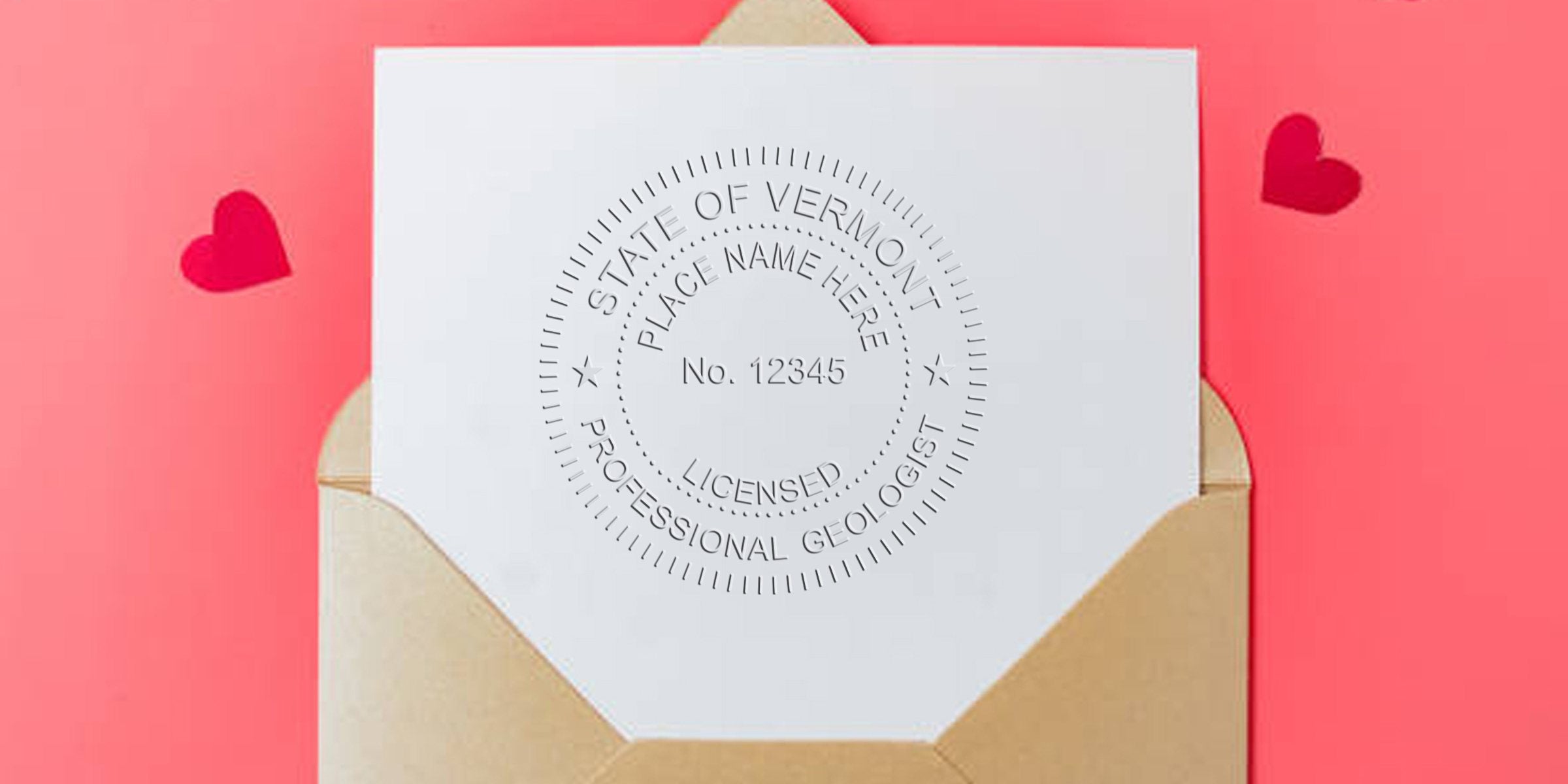
Have you been trying to figure out the correct Vermont Geologist Stamp Size for your professional geologist seal? You’re not alone. Plenty of geologists, especially if you’re new to Vermont’s licensing requirements, wonder about the appropriate dimensions for their official stamp or seal. Getting the size right from the start helps you avoid reordering, reprinting, or running into compliance issues. After all, this little impression plays a big role in your day-to-day work, from signing off on reports to sealing important geological findings.
In this guide, you’ll learn about the recommended dimensions, relevant guidelines, and practical tips that every Vermont geologist should know. You’ll also discover why stamp quality matters, the perks of modern technology (did you know you can get an electronic stamp included?), and how to choose a trusted supplier for your professional needs. By the end, you’ll feel confident about nailing the size, design, and overall functionality of your Vermont geologist stamp or seal.
Explore Vermont Geologist Stamp Size
When you’re first looking into the Vermont geologist stamp, you’ll notice there isn’t a universal, one-size-fits-all rule published as a single commanding standard. Instead, requirements can come from multiple sources, including official state rules and practical usage considerations. Typically, these stamps are circular or rectangular, with specific guidelines around the layout, wording, and shape. However, the diameter or size itself can vary slightly, which can be a bit confusing.
Most geologists prefer a practical diameter for a round seal, often around 1⅝ inches or 2 inches. But remember that you don’t want your stamp to be so large that it crowd a document or so small that the details become illegible. The goal is to ensure your name, license number, and the words “State of Vermont” are readable and professional-looking. This might sound overwhelming, but once you understand the standard guidelines, you won’t accidentally choose a stamp that’s too tiny or an oversized seal that covers half a page.
Review The Official Essentials
Before you finalize your stamp purchase, you might want to review the official information from Vermont’s governing bodies. If you haven’t checked them out yet, take a look at vermont geologist stamp requirements for a deeper dive. These requirements spell out what must appear on your seal. They also clarify any additional text or designs you should include.
Here’s what you typically need to ensure:
- The words “State of Vermont” or “Licensed Professional Geologist” (or both, if stated by official rules).
- Your full legal name exactly as it appears on your license.
- Your license number in clear, easy-to-read numerals.
- Enough space around the text for crisp, legible impressions.
The most important thing is to read carefully and keep up to date, because regulations might change. If you’re in doubt, you can contact the Vermont Board of Professional Geologists to confirm that you’re meeting the current standards. After all, you don’t want your stamp to be invalid just because it’s missing a small detail.
Confirm Stamp Dimensions
If you’ve already spotted a couple of stamp options from various suppliers, you might notice that each brand or manufacturer lists their diameter or rectangular dimensions a bit differently. For round stamps, you might see:
- 1⅝-inch diameter
- 1¾-inch diameter
- 2-inch diameter
For rectangular stamps (if that suits your preference), the measurements might range from 1 x 2 inches to 1.5 x 3 inches. Each option has its pros and cons.
- A smaller stamp (1⅝ inches) can fit into tighter spaces if you typically sign multiple documents.
- A mid-range stamp (1¾ inches) is often labeled the “sweet spot” for clarity and size.
- A larger stamp (2 inches) provides extra room for text, ensuring bold letters and numbers stand out.
Ultimately, the perfect dimension often comes down to visibility and readability. You want your seal to be easy to find and interpret on a page. At the same time, you don’t want it to overpower your document’s layout. Picture the typical forms you sign: If they’re standard letter-size documents, a 1⅝- or 1¾-inch seal usually does the trick.
Choose Quality Materials
Even if you find the perfect Vermont geologist stamp size, it won’t mean much if the materials wear down after a few uses. It’s wise to consider the overall durability, especially since you’ll probably use your stamp regularly. Here are a few popular material options you’ll come across:
- Pre-Inked: Clean impressions and no separate ink pad required, but the ink may fade over time.
- Self-Inking: Convenient for frequent use, since the ink pad is built into the stamp mechanism.
- Wood Handle Traditional: Offers a classic look, requires a separate ink pad, and tends to last a long time if properly cared for.
When in doubt, think about your daily workflow. Do you frequently stamp multiple documents in one sitting? A self-inking style could save you time. Do you prefer a traditional approach? A simple wooden handle might suit you perfectly. Regardless of your choice, make sure the impression doesn’t smudge and that the text prints consistently. That’s the fastest way to maintain a professional-looking result on every document you sign or seal.
Avoid Costly Mistakes
Whether you’re new to geologist stamp requirements or you’ve been practicing for years, small missteps can pop up. You might accidentally order a stamp that doesn’t quite align with state rules. Maybe the official seal wording changed a year ago, and you missed the memo. Or perhaps you ordered a size so small it’s nearly impossible to read the license number. Avoiding these pitfalls starts with double-checking a few items:
- Spelling and Name Format: Make sure every letter of your name matches your license exactly.
- Font Size: Keep it large enough for easy reading, but not so big that it looks unprofessional.
- Mandatory Wording: Verify that “State of Vermont” or “Licensed Professional Geologist” is spelled correctly.
- Expiration Date (If Needed): Some professional seals include expiration dates. Determine if that’s required for you.
One more tip: always proof your stamp design before production. A quick once-over can save you from having to reorder an entire batch. If something doesn’t look right on the digital proof (like a misaligned design), don’t hesitate to ask for changes.
Partner With Acorn Sales
Looking for a reputable supplier that understands geologist stamp rules can save you both time and hassle. That’s where Acorn Sales can step in. We’ve been in business since 1964, helping professionals find the perfect seals, stamps, and embossers for their state licensing needs. With decades of experience under our belt, we know what works, what doesn’t, and how to keep you informed about any changes to standards.
On top of that, we offer a Free Electronic Stamp with your purchase. That means you can quickly and conveniently stamp your documents in digital form, giving you more flexibility in a modern workspace that often relies on paperless solutions. You’ll also find a range of product types, from self-inking to traditional hand stamps, so you can pick something that works best for your day-to-day duties. If you ever have questions, our customer support is just a call or message away. We’re always happy to chat about Vermont Geologist Stamp and Seal requirements, so you can get the precise product you need.
What Makes Acorn Sales Different
- Extensive Product Range: You can find multiple size options and stamp styles for different preferences.
- Customization Experts: We’ll ensure your name, license number, and any state-required wording is properly included.
- Competitive Pricing: We realize budgets matter, so our stamps are priced fairly.
- Long-Standing Reputation: Our experience since 1964 speaks to our reliability and expertise.
With our help, you’ll feel more at ease, knowing that your stamp meets all official guidelines and comes in the exact size you need.
Use Your Stamp Wisely
Once you have the correct Vermont geologist stamp size in hand, the next step is to use it properly. Whether you’re signing official geological reports or adding a seal to architectural drawings that use your findings, a clear impression is a must for maintaining professional credibility. Here are some quick tips:
-
Keep Your Stamp Clean
After a busy day of stamping folders and reports, wipe off any excess ink or dust. This simple step helps preserve the quality of your impressions. -
Practice On Scrap Paper
If you’re switching to a new stamp or changing ink, test it on a spare sheet first. Check that your name and license number are clearly visible. -
Press Firmly But Not Overly Hard
If you press too lightly, you’ll end up with a patchy impression. If you press too hard, the ink might smudge. Aim for a balanced pressure so the ink transfers evenly. -
Check Your Documents
Before you finalize a file or send it out, quickly glance over the stamped area. Ensure the text is crisp, legible, and in the correct place. -
Store It Safely
Place your stamp in a drawer or holder where it won’t get tossed around. Stamps that rattle around a desk can get damaged or leak ink, which is no fun to clean.
Consider Electronic Seals
In a world that’s turning increasingly digital, more geologists are discovering the convenience of electronic seals. These are especially handy when you’re working with PDFs or shared online files. Instead of physically stamping a piece of paper, you can digitally apply your seal with a secure electronic version. It’s not only faster, but also ensures consistency across all your documents.
Acorn Sales includes a Free Electronic Stamp when you purchase a physical seal. This means you can carry on with traditional paperwork, or switch to digital approvals, or do a bit of both. Of course, you’ll want to confirm with your local board or department that digital seals are acceptable. Not all agencies have fully embraced electronic documentation (though the trend is growing), so a quick call or email can give you the green light.
Check For Any Updates
Remember that rules sometimes change. The best time to catch any new updates is before you renew or order another stamp. If two or three years have gone by since you last looked at Vermont’s geologist requirements, it’s a good idea to browse their site or reach out to the board again. Even minor alterations to wording or layout can make a difference. And if something changed but you’re still using an old design, it can create approval delays or confusion among project reviewers.
For peace of mind, mark your calendar every so often. Look at the official guidelines before you reorder. You can also subscribe to relevant newsletters or updates, so big announcements land right in your inbox. If you’d like more direct guidance, Acorn Sales is always up-to-date on the latest requirements. Feel free to ask if you’re uncertain whether the size or format has changed.
Wrap-Up And Next Steps
Choosing the right Vermont geologist stamp size doesn’t have to be a complicated process. With a little awareness of official guidelines, a quick decision on your preferred diameter, and a reputable supplier who understands Vermont rules, you’ll be all set. Adequate space for your name, license number, and proper state wording keeps your documents looking professional and ensures you meet licensing board expectations.
If you’re ready to finalize your stamp, check out Acorn Sales for an option that fits perfectly. We believe in providing durable materials, convenient features like self-inking mechanisms (or a classic wooden handle if that’s your style), and an electronic seal included at no extra cost. That way, you’ll have everything you need to practice confidently in Vermont.
Still got questions buzzing around in your head? Keep reading. Up next, you’ll find answers to some of the top FAQs we hear from folks trying to get their stamps in order.
Ready to make your stamp work for you? Whether you decide on a self-inking style, a traditional wooden handle, or an easy-to-use electronic seal, choosing the right dimensions ensures a crisp and professional impression every single time. If you want further guidance, feel free to visit vermont geologist stamp requirements, or give Acorn Sales a friendly shout. We’re here to help you meet Vermont’s rules and get your stamping done right.
Frequently Asked Questions
Does the State of Vermont specify the exact dimensions my geologist stamp must have?
Typically, Vermont sets guidelines for the wording and layout, but the exact diameter often remains flexible. You’ll often see popular diameters around 1⅝ inches, 1¾ inches, or 2 inches. Just make sure the text is clear and meets the state’s required design elements.
Can I use a smaller stamp than 1⅝ inches if my lettering still fits?
You could, but it’s not recommended. If the stamp is too small, your license number, name, or the words “State of Vermont” might become difficult to read. A slightly larger seal is usually the safer choice to maintain legibility.
What if I need to include extra details, like my specialty or an expiration date?
If your board requires additional information (or if you want optional text), confirm that it’s approved and doesn’t clutter the final design. In some cases, you might choose a 2-inch seal to accommodate the extra text without squeezing.
How do I make sure my seal stays valid over time?
It’s a good idea to stay informed about rule updates in Vermont. Some boards tweak the required wording or design of seals every few years. If your seal is outdated, you may need to replace it. Regularly check with the licensing authority, or ask the experts at Acorn Sales for the latest updates.
Why should I consider Acorn Sales for my Vermont geologist stamp?
We’ve been in business since 1964, so we understand what local boards demand in terms of design and layout. We also include a Free Electronic Stamp with every physical seal, so you can switch between paper and digital workflows easily. Plus, our customer service team is happy to answer any questions about your stamp before, during, and after your purchase.








