
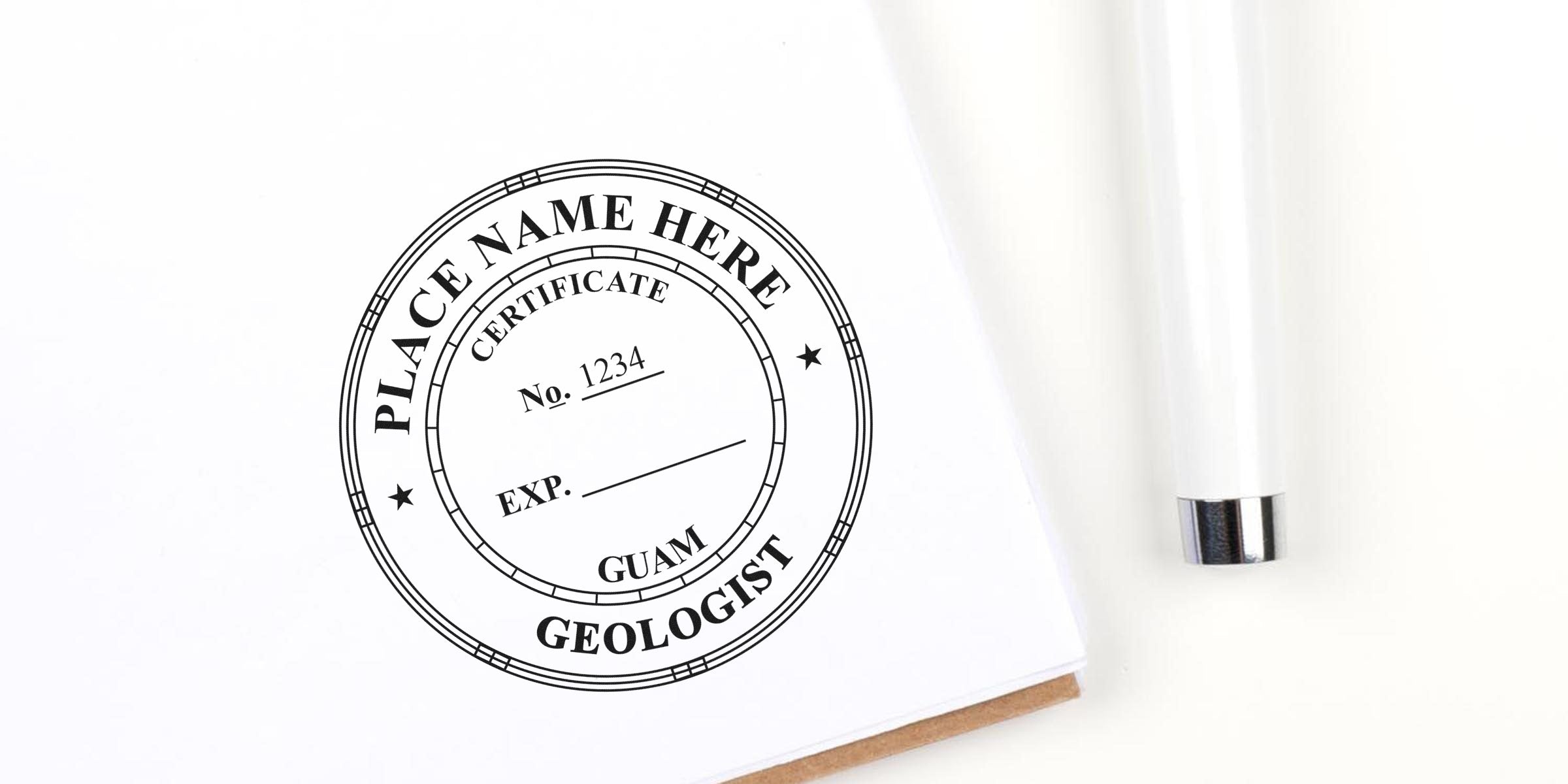
Close your eyes and imagine holding a piece of Guam’s geological legacy right in your hands. If you’re exploring stamps, seals, or simply curious about how geology shapes our world, a vintage Guam geologist stamp might spark your interest. It’s more than just a piece of rubber or metal, though. Each impression connects you to Guam’s dynamic geological past and the professionals who shaped it through decades of field research. You might be a seasoned philatelist (stamp collector) or a newly licensed geologist ready to leave your mark on vital reports. Either way, you’ll soon realize that this stamp offers something beyond a quaint relic: it’s a piece of scientific heritage.
Picture a sturdy handle that balances beautifully in your grip, paired with carefully lettered text that sets it apart from everyday stamps. Above all, feel that sense of continuity every collector loves—you’re preserving history while bridging it into modern practice. In this article, we’ll explore everything you need to know, from Guam’s professional requirements to the design cues that define authenticity. We’ll even walk you through how to care for your new find so it stays in tip-top shape. Ready to dive in? Let’s begin.
Explore The Stamp’s Unique History
Before diving into the functional aspects, it helps to understand how this tradition took root. Geology is a cornerstone of Guam’s cultural identity, from the island’s ancient volcanic formations to its thriving research community today. A geologist’s stamp or seal, vintage or modern, symbolizes a professional’s verification of their work. As a result, any relic from the past offers a window into the evolving standards of practice on the island.
Early stamps often featured simpler designs, with minimal text and unassuming fonts. Over time, these pieces started wearing a more official look, using distinctive shapes or emblems that made them instantly recognizable. Today, a collector can examine historical stamps to see how local guidelines adapted to meet the demands of modern geology.
This journey through time is especially fascinating if you’re a fan of historical documents. Official geological reports, maps, and field diaries might display the stamps of professionals who first charted Guam’s landscapes. When you hold one of these stamps, you’re sharing in that legacy. It’s a tactile reminder of the dedication poured into studying the island’s minerals, soils, and landforms. That personal link to the past adds a layer of meaning that sets this collectible apart from everyday items.
In many cases, the mere presence of a stamp on a weathered report can be just as intriguing as the discoveries documented inside. Each swirl of ink speaks to the era’s printing techniques, the day-to-day challenges of fieldwork, and even the climate conditions under which the document was sealed. Peering back into these archives, you might find evidence of repeated imprints that tell a deeper story—like a geologist who stamped multiple reports in a single expedition, braving rugged terrain and tropical storms to capture vital data. For that reason, each vintage piece is more than an artifact; it’s a testament to perseverance and scientific curiosity.
Meet Guam’s Geologist Requirements
Becoming a licensed geologist in Guam involves more than passing exams and completing fieldwork. The government also expects every qualified professional to carry a distinct seal or stamp. This element certifies that the work you submit, whether it’s a site report or geological map, is indeed your own. In other words, the stamp is your professional signature, signaling that you stand behind your findings.
For those looking to comply with current regulations, it’s key to invest in a stamp that fulfills all design specifics laid out by the Guam authorities. That means including your full name, license number, and any other details they require.
If you love the warmth and charm of older designs, you might wonder if a vintage piece can still do the job. Generally, a historical stamp may not meet today’s legal criteria, but it can still serve as a beautiful collector’s item or an inspiration for custom designs. If you do need an officially recognized seal, consider exploring the guam geologist stamp resources from Acorn Sales. They specialize in ensuring every product meets local regulations, so you won’t have to worry about compliance.
Still, there’s something undeniably special about looking at a vintage stamp side by side with the contemporary one. You can see how the requirements have evolved, reflecting the island’s growing focus on accurate geologic documentation and professional accountability. Moreover, staying updated on regulation changes will serve you well in the long run. Licensing rules can shift as new findings or administrative policies come into play. By working with reputable suppliers, you can easily confirm whether any subtle adjustments to your stamp design are required each year. On top of that, you’ll have peace of mind knowing that your official imprint will carry the authority recognized by peers in your field.
Identify Key Design Elements
Not all stamps are created equal, especially when it comes to geological seals that reflect specific local standards. If you happen to stumble upon a vintage Guam geologist stamp at a collector’s fair, you’ll notice that certain details set it apart from ordinary custom stamps.
For instance, these stamps often highlight the holder’s name and professional licensing number in a formal but readable font. The outer ring might mention Guam and the discipline of geology, sometimes along with a small state emblem or symbolic shape, such as an outline of the island. The design itself can vary depending on the era, but clarity and authority are typically the guiding principles.
A genuine stamp from decades past may feature subtle imperfections in the engraving. These slight bumps or uneven outlines tell you it was created using older manufacturing techniques, which can add to its charm. Look closely to ensure everything lines up correctly, and verify that the text remains legible despite its age.
Another distinguishing factor is material. Some older models used hardwood handles, while others used metal frames. Both can be appealing to collectors. The key is to check the overall condition. If the base or impression face is too worn, authenticity might be compromised, or you might face challenges trying to recreate a crisp imprint.
In addition, consider whether the original ink pad is still intact or if it has dried out from years of storage. Some stamp enthusiasts enjoy pairing classic pieces with modern ink pads, which can deliver stronger color and longer-lasting impressions. This approach lets you preserve the vintage charm while enjoying cleaner prints on any archival paper you choose.
Choose A Trusted Stamp Supplier
Whether you’re after a rare collectible or an official stamp to support your geologist license, partnering with a reputable supplier can make all the difference. Not only should they offer quality craftsmanship, but they should also keep you informed about local guidelines and best practices.
Since 1964, Acorn Sales has been a trusted name for professional stamps and seals, including the official models for Guam geologists. With decades of experience, we understand exactly how to produce a seal that meets legal specifications. If you’re just beginning to explore this path, you can call on our expertise to avoid any guesswork.
Along with our range of modern stamps, we also appreciate the beauty of heritage items. When you browse for an authentic piece, we can answer questions about whether the vintage version is strictly decorative or if it can be updated for active use. We also provide a free electronic stamp with your purchase, giving you a digital option that meets modern documentation needs.
Looking for a brand you can rely on is smart, especially when you’re staking your professional reputation on that final imprint. You want something that’s clear, durable, and absolutely compliant with Guam’s current rules. At the same time, if collecting is your main goal, it never hurts to consult with a supplier who respects the significance of timeless designs.
Plus, if you’re placing a bulk order for multiple team members, a good supplier can streamline the process by ensuring each stamp follows the required specifications. This level of service saves you time and prevents any headaches down the road. Remember, a stamp is more than a simple office gadget; it’s a representation of your expertise and credibility.
Maintain And Display Your Stamp
Once you’ve found the perfect stamp, what’s next? It comes down to two primary goals: preserving its condition and giving it the spotlight it deserves. If your intention is to keep it as a collectible, consider housing it in a protective case. Choose one that shields the surface from dust and moisture, as older materials can degrade faster when exposed to the elements.
If you’re actively stamping documents, store your seal in a cool, dry place when not in use. Clean it gently after each stamping session to remove excess ink. This ensures a clear impression every time and helps maintain the rubber or metal face. A quick wipe with a soft, lint-free cloth can do wonders.
Thinking of showing off your new find? A small display stand on a bookshelf or desk can highlight the stamp without risking damage. Some enthusiasts even frame the imprint itself next to the physical stamp, creating a mini art piece that marries history and function.
Above all, treat your vintage seal with respect. It might have a storied past, so avoid harsh cleaners or extreme temperature shifts. Long-term care not only keeps your stamp looking great, but it also safeguards its collector’s value, in case you ever decide to pass it down or sell it. If you plan to use the stamp occasionally, remember that ink can gather in the crevices over time. Gently using a soft brush can help dislodge any dried residue, keeping the imprint crisp with every use.
Whether you’re enthralled by its historical allure or in need of an official geologist stamp, Guam’s stamping tradition blends practicality with a sense of heritage. A vintage piece might inspire admiration for the island’s natural wonders, while a modern, compliant stamp ensures your professional work remains up to code. Either way, teaming up with a reputable supplier like Acorn Sales can simplify every aspect, from picking the right materials to securing a free electronic seal. Keep your eyes open for unique finds, care for each stamp thoughtfully, and you’ll have a piece of local geology history that lasts for generations.
Frequently Asked Questions
Are vintage Guam geologist stamps valid for official use?
Most older stamps don’t align with the current design specifications set by Guam’s licensing board. If accuracy and compliance matter, it’s best to use a new or updated model. The modern version will have the correct wording and layout recognized by the authorities. Still, vintage ones can serve as eye-catching keepsakes or reference points if you’re designing a custom seal.
What’s the difference between a stamp and a seal for geologists in Guam?
They often serve the same purpose, which is authenticating and certifying professional work. However, a seal might indicate a raised or embossed impression, while a stamp typically uses ink. In many cases, the terms are used interchangeably, though you should confirm what’s required for your particular documentation. Always check official regulations to ensure you’re using the correct format.
How do I properly store a vintage stamp?
Keep it out of direct sunlight and away from humidity, as excessive light or moisture can degrade both the handle and the impression surface. Whether you place it in a display case or a protective container, make sure it avoids extreme temperatures. Wiping off ink residues and dust before storing it goes a long way in preserving its clarity. If you notice any cracks in the material, seek professional advice on restoring or stabilizing it.
Where can I get a free electronic stamp?
Acorn Sales offers a complimentary e-stamp whenever you purchase an official physical one. This digital option helps you certify documents in online environments, so you’re covered whether you’re dealing with paper forms or electronic submissions. It’s especially handy for remote work scenarios or if you want to streamline your documentation process.








