

Written by Acorn Sales Company, manufacturing stamps and seals since 1964 · Reviewed by Holly R, VP of Sales and Marketing at Acorn Sales, against the Board for Architects, Professional Engineers, Land Surveyors, Certified Interior Designers and Landscape Architects and 18VAC10-20-760 A and B on 21 September 2026 · Updated 21 September 2026
Exempt buildings still need your seal once you are the one who drew them. Virginia exempts a long list of projects from needing a licensed professional at all, and the natural reading is that drawings for those projects need no seal. The board reversed that in 18VAC10-20-760 E: “All work performed by a professional who is licensed or certified by this board, including work that is exempt from licensure pursuant to § 54.1-402 of the Code of Virginia, must be sealed, signed, and dated pursuant to subsection B of this section.” The exemption runs to the unlicensed person, not to you.
The die is two inches in diameter, and that is a rule rather than a trade convention. 18VAC10-20-760 F: “The original seal shall conform in detail and size to the design illustrated in this subsection and shall be two inches in diameter.” The 1-5/8 inch stock die that passes in most neighboring states is not compliant here, so say two inches explicitly when you order.
The compensating good news is in the footnote to the same subsection: the number on the seal is the last six digits of the license and “The number is permanent.” Leading zeros may be omitted. A Virginia architect buys one impression and keeps it for a career.
Virginia architect seal requirements at a glance
| Requirement | Virginia rule | Source |
|---|---|---|
| Seal required | Yes | 18VAC10-20-760 A and B |
| Required elements | Your name; “Lic. No.” plus the last six digits of your license number; The arc legend “COMMONWEALTH OF VIRGINIA”; The arc designation “ARCHITECT”; Adjacent to the seal: your signature; Adjacent to the seal: the date | 18VAC10-20-760 B and F |
| Size and shape | Two inches in diameter. 18VAC10-20-760 F: “The original seal shall conform in detail and size to the design illustrated in this subsection and shall be two inches in diameter.” The same sentence warns that “The designs illustrated may not be shown to scale,” so the artwork governs layout and the two-inch figure governs size. | 18VAC10-20-760 F |
| Device allowed | The rule contemplates an original seal, signature and date, and permits an electronic seal, signature and date in lieu of the original when the three conditions in subsection C are met. | 18VAC10-20-760 C and F |
| Signature and date | Seal, signature and date travel together as a set and the rule never mentions one without the other two. | 18VAC10-20-760 A, B and C |
| What must be sealed | Final documents: the cover sheet of plans, plats, documents, drawings, technical reports and specifications, plus each individual sheet of plans, plats or drawings. | 18VAC10-20-760 B, D and E |
| Electronic seal | An electronic seal, signature and date may be used in lieu of the original set when three criteria are met: it is a unique identification of the professional, it is verifiable, and it is under the professional’s direct control. | 18VAC10-20-760 C |
| Renewal and lapse | Licenses are valid for two years from the last day of the month in which they are issued, so Virginia runs rolling expiration dates rather than a statewide cycle. | 18VAC10-20-87 A |
| Firm requirements | Registration is required, but the firm number does not go on the document. 18VAC10-20-627 requires any business entity offering or rendering professional services in Virginia to register with the board and designate a responsible person for each professional service offered. | 18VAC10-20-627 |
| Regulator | The Board for Architects, Professional Engineers, Land Surveyors, Certified Interior Designers and Landscape Architects | 18VAC10-20, Part XII, principally 18VAC10-20-760 (use of seal), with 18VAC10-20-627, 18VAC10-20-670, 18VAC10-20-87 and 18VAC10-20-770, from the Virginia Administrative Code, and Code of Virginia §§ 54.1-402 and 54.1-410. One rule chapter governs architects, professional engineers, land surveyors, land surveyor Bs, surveyor photogrammetrists, landscape architects and certified interior designers on identical terms |





Is a seal required in Virginia?
Virginia requires the seal on final documents, and the duty sits entirely in board regulation rather than in the Code of Virginia. 18VAC10-20-760 B 1: “All final documents, including cover sheet of plans, plats, documents, drawings, technical reports, and specifications, and each sheet of plans or plats, or drawings prepared by the professional, or someone under the licensee’s direct control and personal supervision, must be sealed, signed, and dated by the professional.” The same paragraph adds that “All final documents shall also bear the professional’s name or firm name, address, and project name.” Subsection A gives the act its meaning: affixing seal, signature and date indicates that the architect exercised direct control and personal supervision over the work.
What must appear on the seal
- Your name
- “Lic. No.” plus the last six digits of your license number
- The arc legend “COMMONWEALTH OF VIRGINIA”
- The arc designation “ARCHITECT”
- Adjacent to the seal: your signature
- Adjacent to the seal: the date
Only the last six digits of the license number go on the seal. The footnote to subsection F reads: “The number referred to is the last six-digit number as shown on the license or certificate. The number is permanent. Leading zeros contained in the six-digit number may be omitted from the seal.” The DPOR profession prefix is not part of the seal. Be aware that the seven designs in subsection F are published as illustrations rather than as rule text, so the exact arc wording and letter placement have to be copied from the published design for the architect credential and cannot be quoted out of the regulation’s words. Separately from the seal, the document itself must bear your name or firm name, address and project name.
Size and shape
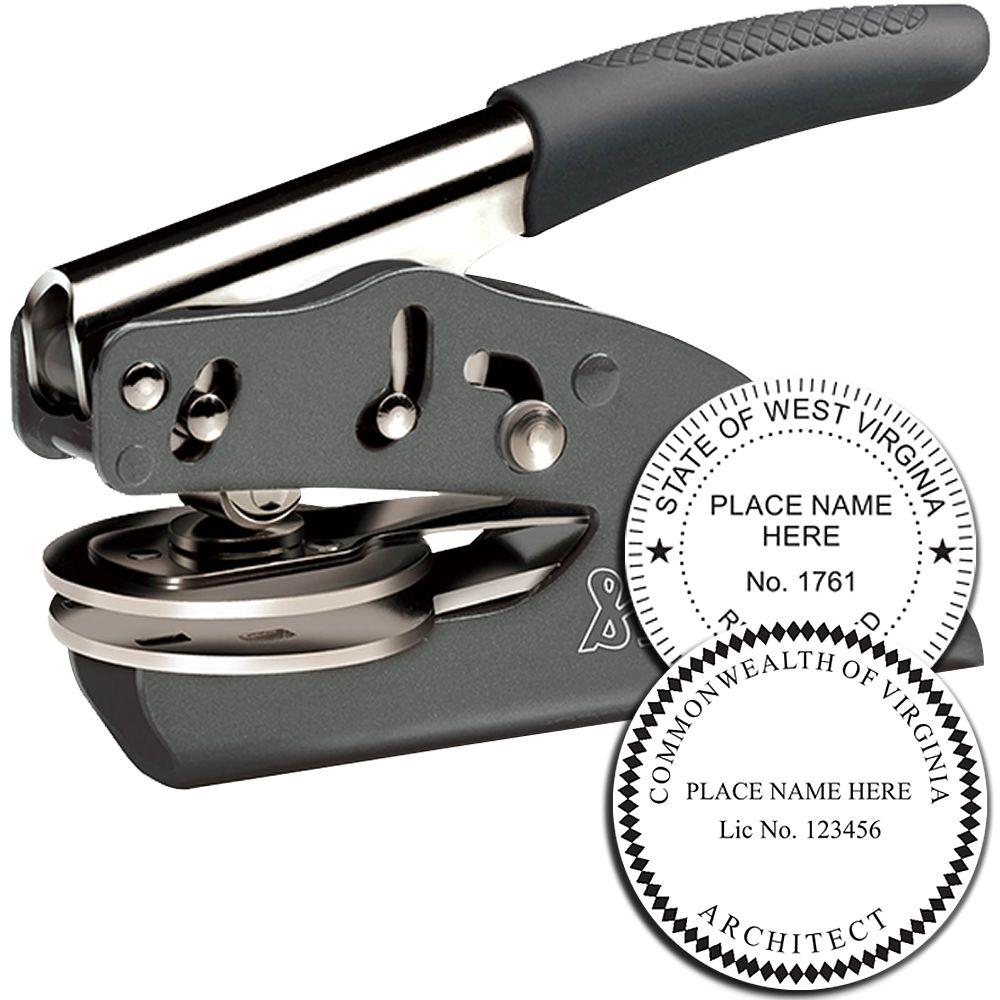
Two inches in diameter. 18VAC10-20-760 F: “The original seal shall conform in detail and size to the design illustrated in this subsection and shall be two inches in diameter.” The same sentence warns that “The designs illustrated may not be shown to scale,” so the artwork governs layout and the two-inch figure governs size. Virginia is one of the few states where the diameter is a hard number in the rule, and the 1-5/8 inch die that passes in most neighboring states is not compliant here.




Embosser, rubber stamp or digital
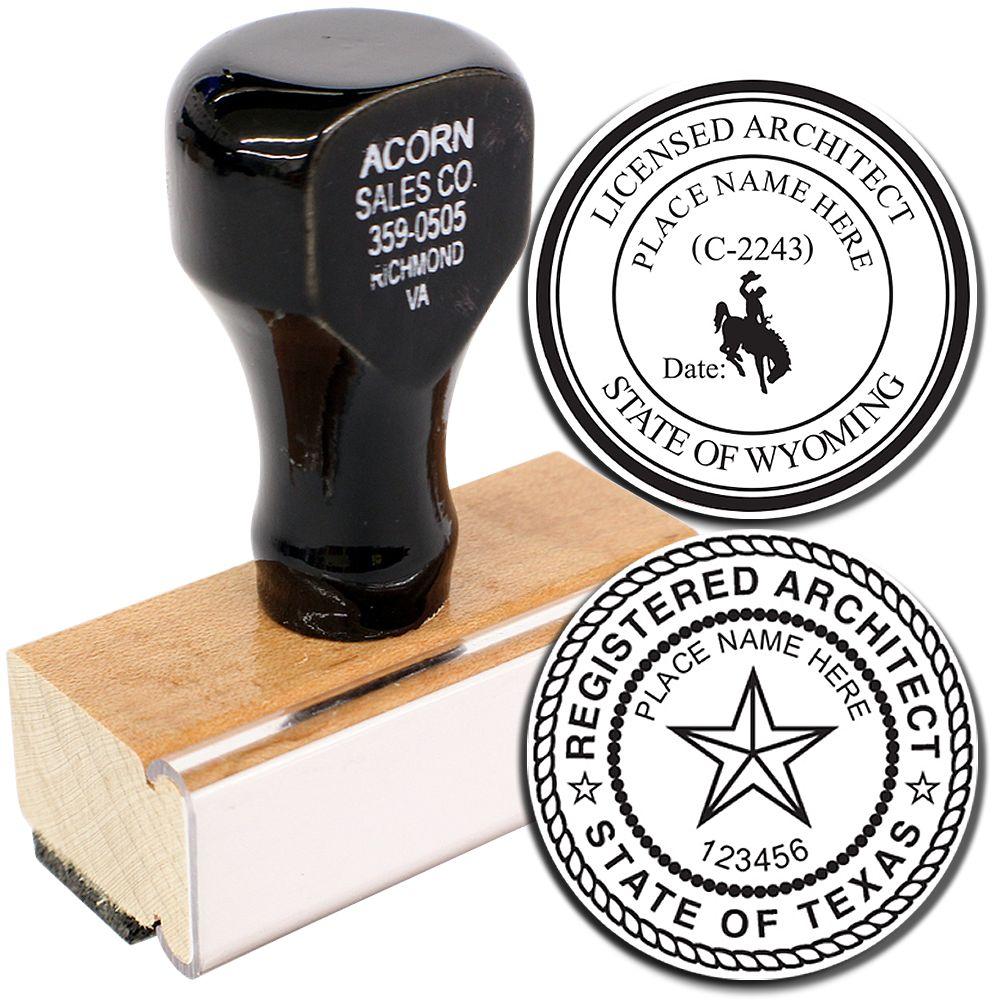
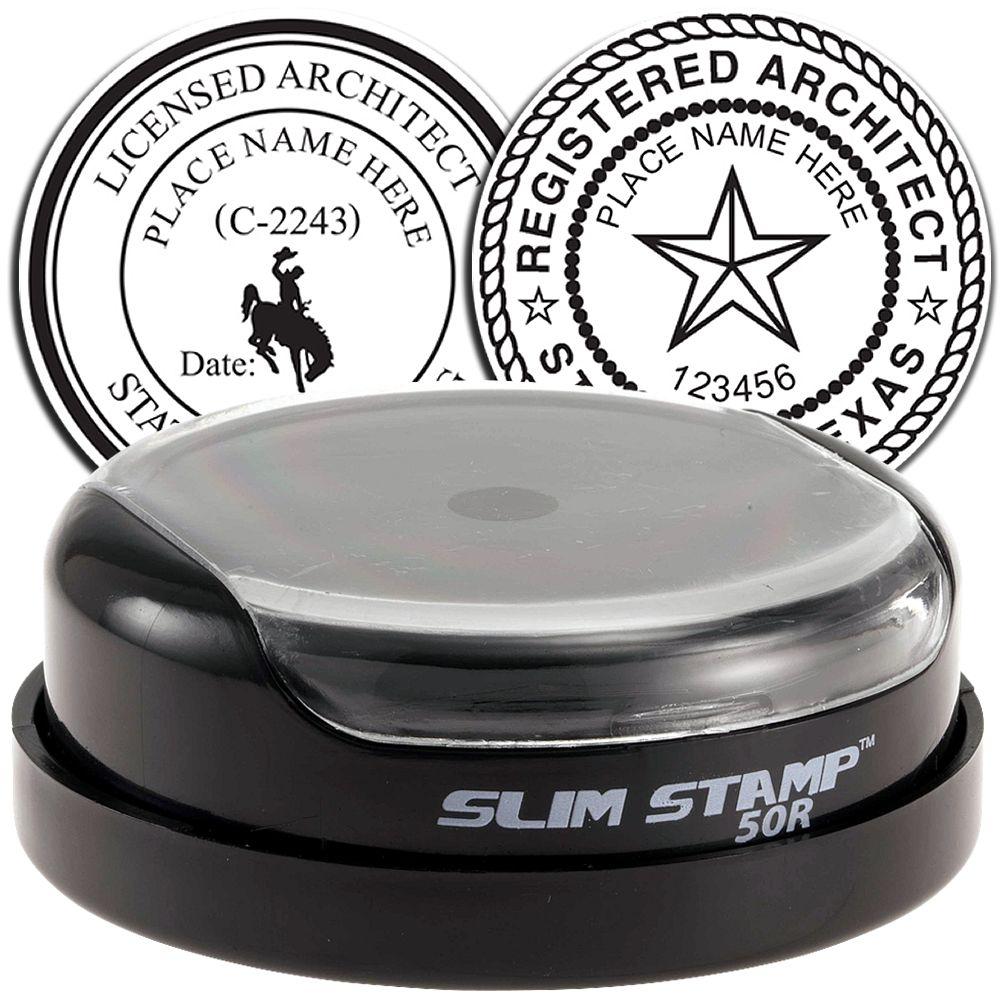
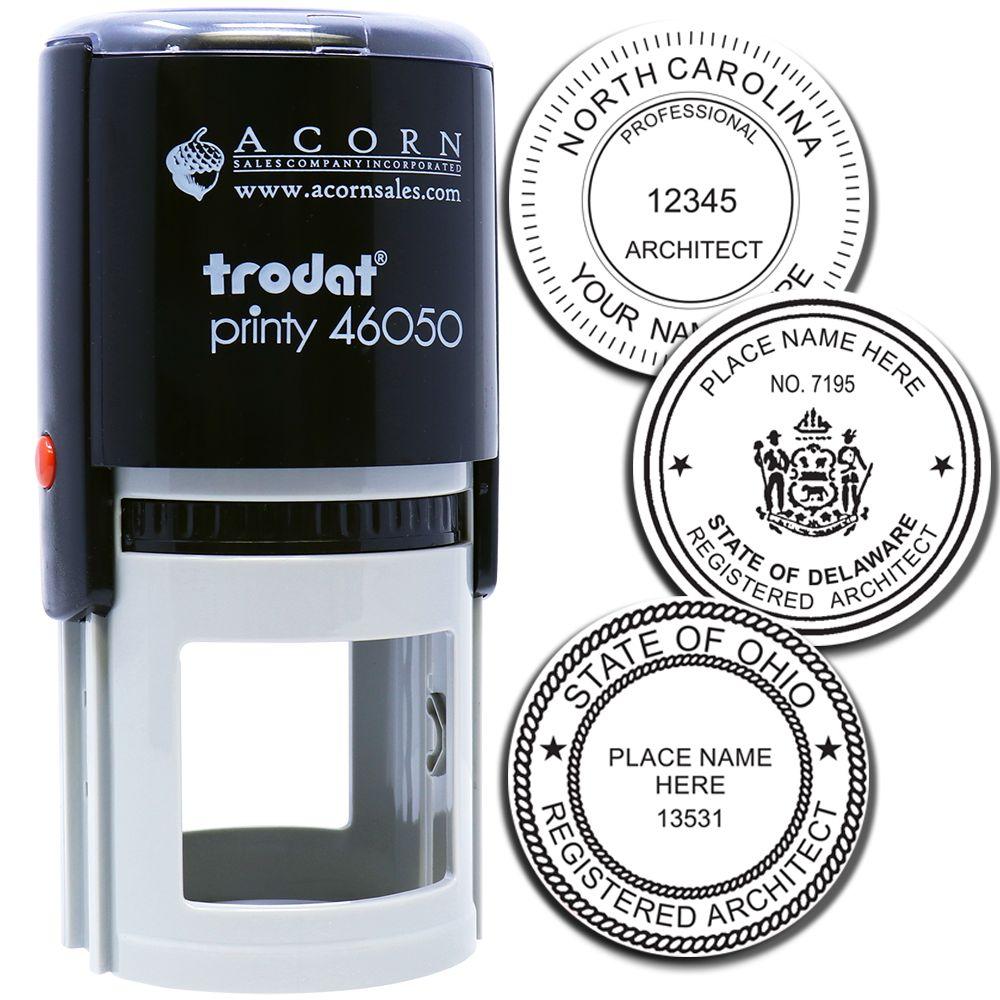
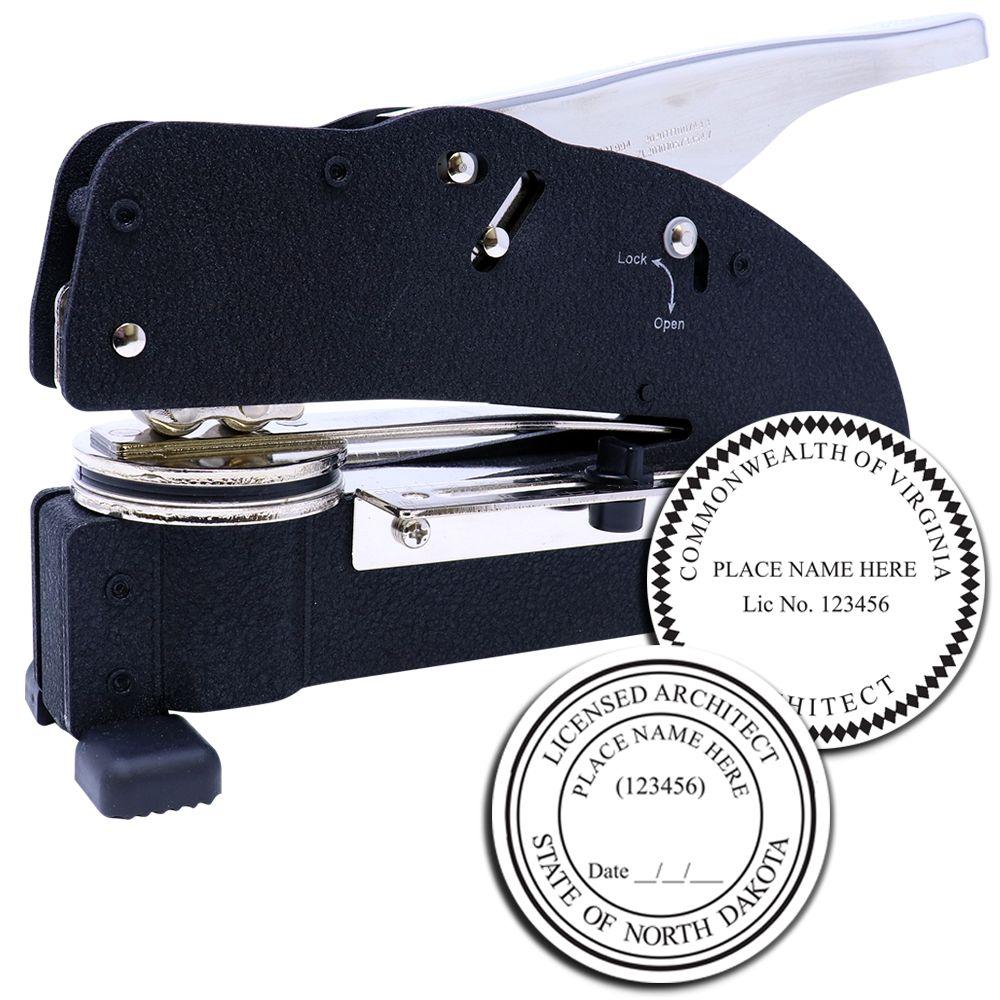
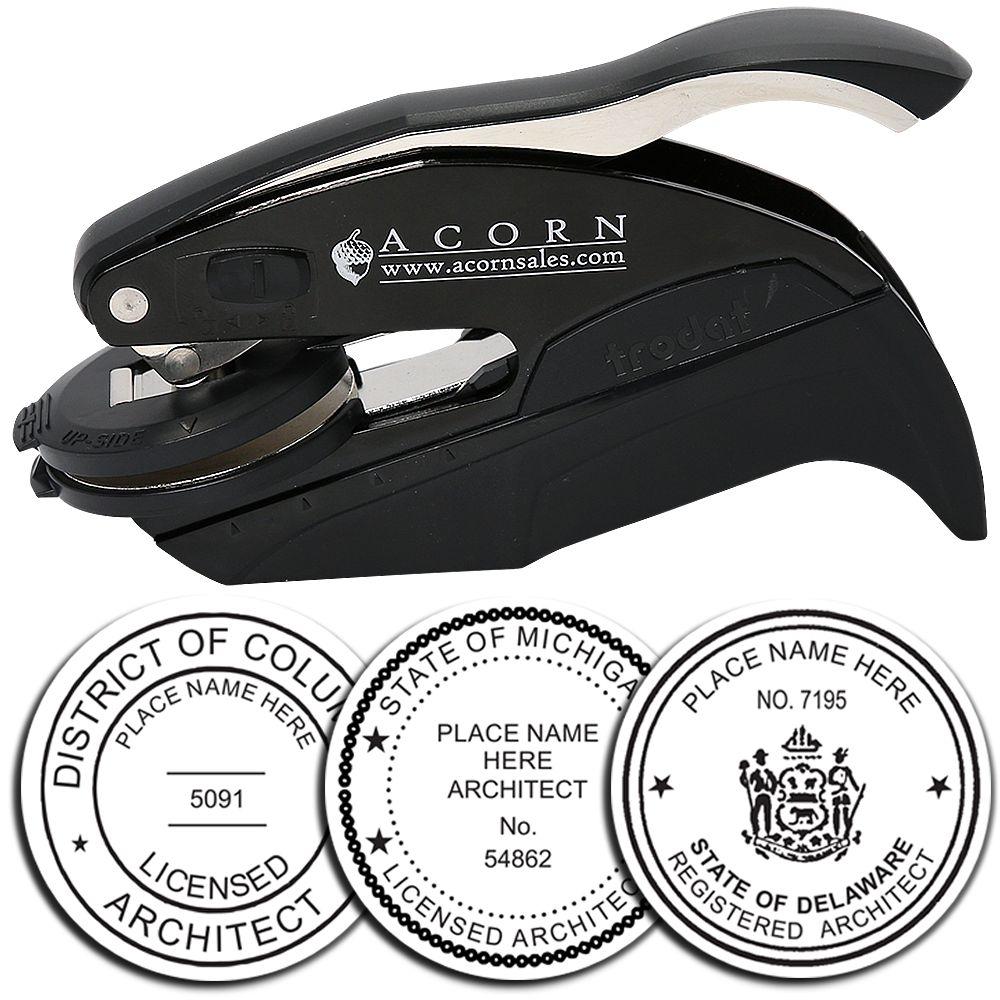
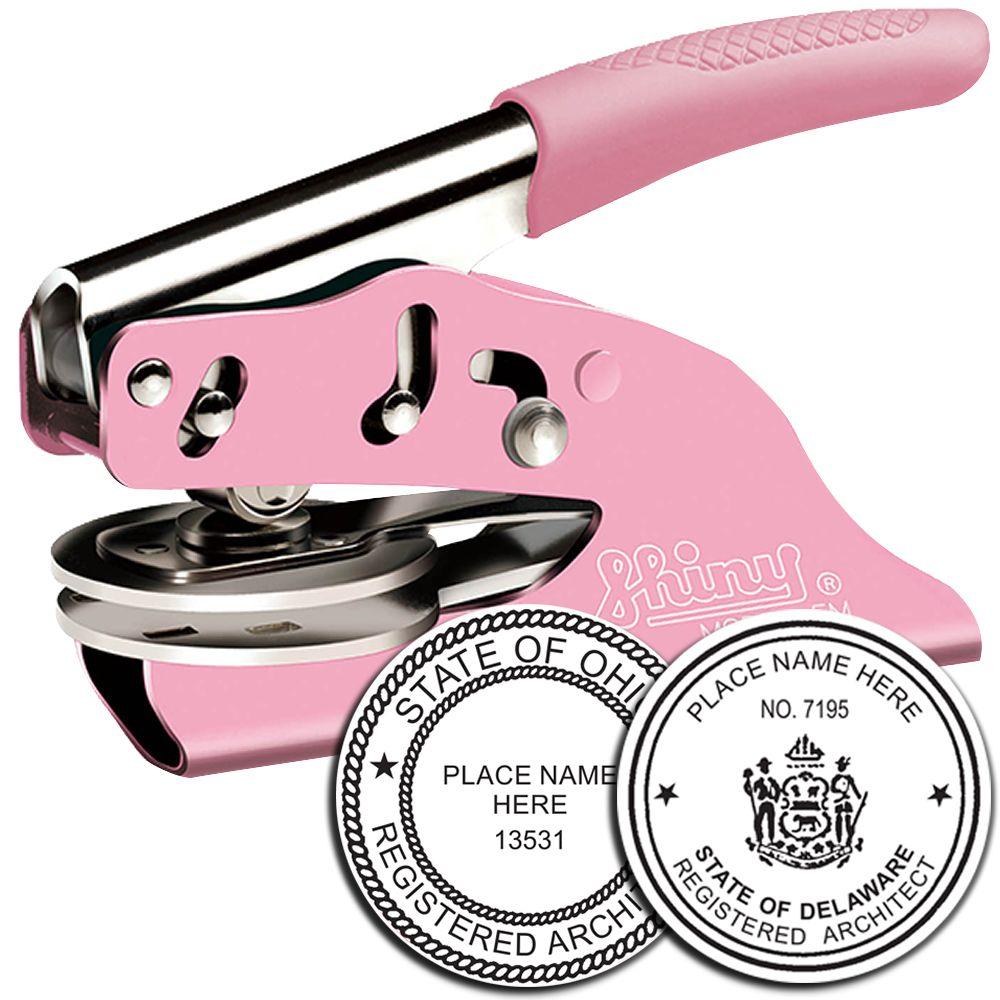
The rule contemplates an original seal, signature and date, and permits an electronic seal, signature and date in lieu of the original when the three conditions in subsection C are met. No device type is prescribed or prohibited, so an embosser, an inked rubber stamp or a digital image all qualify provided the impression conforms in detail and size. The safe buy is a two-inch inked rubber stamp, because final documents reach local building officials as copies and an embossed-only impression does not reproduce.
Signing and dating
Seal, signature and date travel together as a set and the rule never mentions one without the other two. Virginia does not require the signature to cross the seal. The date is the date you seal and sign, not a license date. Under subsection A the set carries substantive meaning: it indicates that you exercised direct control and personal supervision over the work. An electronic seal, signature and date may replace the original set when the subsection C criteria are met.
Exempt buildings still need your seal once you are the one who drew them
Virginia’s Code exempts a long list of projects from needing a licensed professional at all: two-family homes and townhouses up to three stories, farm structures, small business and mercantile buildings under 5,000 square feet, factory and storage buildings under 15,000 square feet, and certain remodels with no change of occupancy. The natural reading is that drawings for those projects need no seal.
The board reversed that in 18VAC10-20-760 E: “All work performed by a professional who is licensed or certified by this board, including work that is exempt from licensure pursuant to § 54.1-402 of the Code of Virginia, must be sealed, signed, and dated pursuant to subsection B of this section.” The exemption runs to the unlicensed person, not to you. A Virginia architect who draws a 4,000 square foot retail shell cannot hand the set over unsealed on the ground that the project was exempt.
Two consequences follow for anyone buying a device. You need a seal from your first day of licensure regardless of project scale, and it has to be two inches, because 18VAC10-20-760 F makes that a rule rather than a trade convention. The compensating good news is in the footnote to the same subsection: the number is the last six digits of the license and it is permanent, so a Virginia architect buys one impression and keeps it for a career.
Which documents must be sealed
Final documents: the cover sheet of plans, plats, documents, drawings, technical reports and specifications, plus each individual sheet of plans, plats or drawings. On a multi-discipline project each professional seals the component completed by or under that professional, and the professional who compiles the project seals the cover sheet of the aggregate collection. The only carve-out is conditional: “Incomplete plans, plats, documents, and drawings, whether advance or preliminary copies, shall be so identified on the plans, plats, documents, or drawings and need not be sealed, signed, or dated.” Identification is the price of that exemption. Subsection E then pulls statutorily exempt work back in when a licensee performs it.



Electronic and digital seals
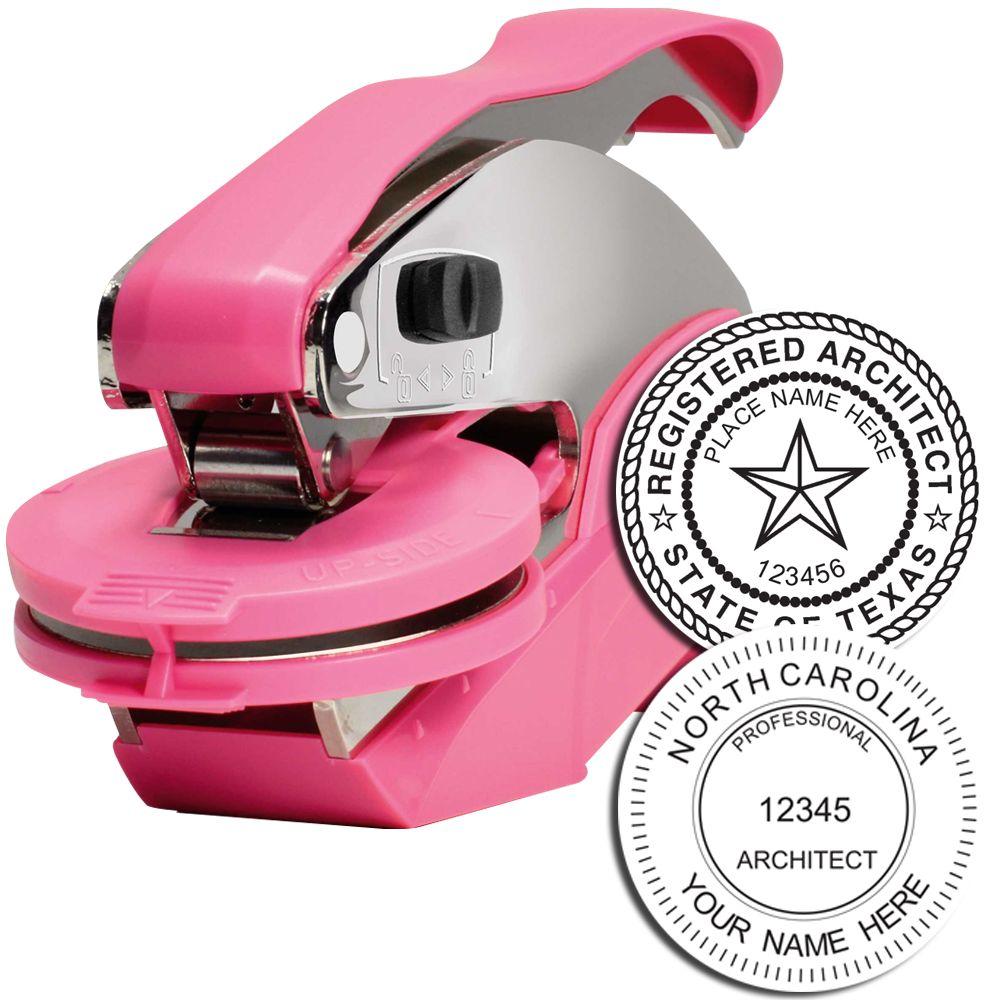
An electronic seal, signature and date may be used in lieu of the original set when three criteria are met: it is a unique identification of the professional, it is verifiable, and it is under the professional’s direct control. Every other requirement of 18VAC10-20-760 still applies, so the electronic seal must still be the two-inch architect design. Virginia names no technology, no certificate authority and no standard, and it does not require the signature to be invalidated when the document changes.
Renewal, lapse and retirement
Licenses are valid for two years from the last day of the month in which they are issued, so Virginia runs rolling expiration dates rather than a statewide cycle. Practice with an expired license is prohibited, a late fee applies after 30 days, and reinstatement is required after six months. None of this touches the device, because the seal number is permanent under the footnote to subsection F. The regulation contains no duty to surrender or destroy a seal on lapse, suspension or revocation; the board’s lever is the prohibited acts provision at 18VAC10-20-790.
Firm requirements
Registration is required, but the firm number does not go on the document. 18VAC10-20-627 requires any business entity offering or rendering professional services in Virginia to register with the board and designate a responsible person for each professional service offered. The firm holds no seal. What the sheet must carry alongside your seal is your name or the firm name, the address and the project name. A firm may offer only the professions shown on its board-issued registration, and the designated responsible person must exercise direct control and personal supervision of the work offered.
What to check before you order
Ask for a two-inch diameter die, not the 1-5/8 inch stock size, and say so explicitly, because most catalogs default to the smaller one. Give the supplier the architect design illustrated in 18VAC10-20-760 F rather than a description, since the arc wording exists only as an illustration in the regulation: COMMONWEALTH OF VIRGINIA on the upper arc and ARCHITECT on the lower arc, with your name and Lic. No. plus the last six digits inside. Leading zeros may be dropped. Choose the inked rubber stamp over the embosser, because your sealed sheets will be copied by building officials. Ask for a matching image file at the same two-inch size for electronic use. Virginia asks nothing of the supplier by way of proof of licensure.
Browse architect stamps and seals.
Frequently asked questions
Is an architect seal required in Virginia?
Yes, and the duty sits entirely in board regulation rather than in the Code of Virginia. 18VAC10-20-760 B 1: “All final documents, including cover sheet of plans, plats, documents, drawings, technical reports, and specifications, and each sheet of plans or plats, or drawings prepared by the professional, or someone under the licensee’s direct control and personal supervision, must be sealed, signed, and dated by the professional.” Subsection A gives the act its meaning: affixing seal, signature and date indicates that you exercised direct control and personal supervision over the work.
What has to appear on a Virginia architect seal?
Your name, “Lic. No.” plus the last six digits of your license number, the arc legend COMMONWEALTH OF VIRGINIA and the arc designation ARCHITECT, with your signature and the date adjacent to the seal on the sheet. The DPOR profession prefix is not part of the seal. Note that the seven designs in subsection F are published as illustrations rather than as rule text, so the exact arc wording and letter placement have to be copied from the published design for the architect credential and cannot be quoted out of the regulation’s words.
What size is a Virginia architect seal?
Two inches in diameter, stated as a hard number in 18VAC10-20-760 F. The same sentence warns that “The designs illustrated may not be shown to scale,” so the artwork governs layout and the two-inch figure governs size.
Can I use an embosser in Virginia?
No device type is prescribed or prohibited, so an embosser, an inked rubber stamp or a digital image all qualify provided the impression conforms in detail and size. A two-inch inked rubber stamp is the practical buy, because final documents reach local building officials as copies and an embossed-only impression does not reproduce.
Do the signature and date have to cross a Virginia seal?
No. Seal, signature and date travel together as a set, and the rule never mentions one without the other two, but Virginia does not require the signature to cross the seal. The date is the date you seal and sign, not a license date.
What else has to appear on a Virginia final document?
18VAC10-20-760 B 1 adds that “All final documents shall also bear the professional’s name or firm name, address, and project name.” That is on the sheet rather than on the seal.
Which documents have to be sealed in Virginia?
Final documents: the cover sheet of plans, plats, documents, drawings, technical reports and specifications, plus each individual sheet of plans, plats or drawings. On a multi-discipline project each professional seals the component completed by or under that professional, and the professional who compiles the project seals the cover sheet of the aggregate collection.
Can I issue unsealed preliminaries in Virginia?
Yes, on one condition. “Incomplete plans, plats, documents, and drawings, whether advance or preliminary copies, shall be so identified on the plans, plats, documents, or drawings and need not be sealed, signed, or dated.” Identification is the price of the exemption.
What does Virginia require of an electronic seal?
Three criteria under 18VAC10-20-760 C: it is a unique identification of the professional, it is verifiable, and it is under the professional’s direct control. Every other requirement of 18VAC10-20-760 still applies, so the electronic seal must still be the two-inch architect design. Virginia names no technology, no certificate authority and no standard, and it does not require the signature to be invalidated when the document changes.
Does my Virginia seal go stale at renewal?
No. Licenses are valid for two years from the last day of the month in which they are issued, so Virginia runs rolling expiration dates rather than a statewide cycle, and practice with an expired license is prohibited, with a late fee after 30 days and reinstatement required after six months. None of that touches the device, because the seal number is permanent under the footnote to subsection F. The regulation contains no duty to surrender or destroy a seal on lapse, suspension or revocation; the board’s lever is the prohibited acts provision at 18VAC10-20-790.
Does a Virginia architecture firm register?
Yes, and the firm number does not go on the document. 18VAC10-20-627 requires any business entity offering or rendering professional services in Virginia to register with the board and designate a responsible person for each professional service offered. The firm holds no seal. What the sheet must carry alongside your seal is your name or the firm name, the address and the project name. A firm may offer only the professions shown on its board-issued registration, and the designated responsible person must exercise direct control and personal supervision of the work offered.








