
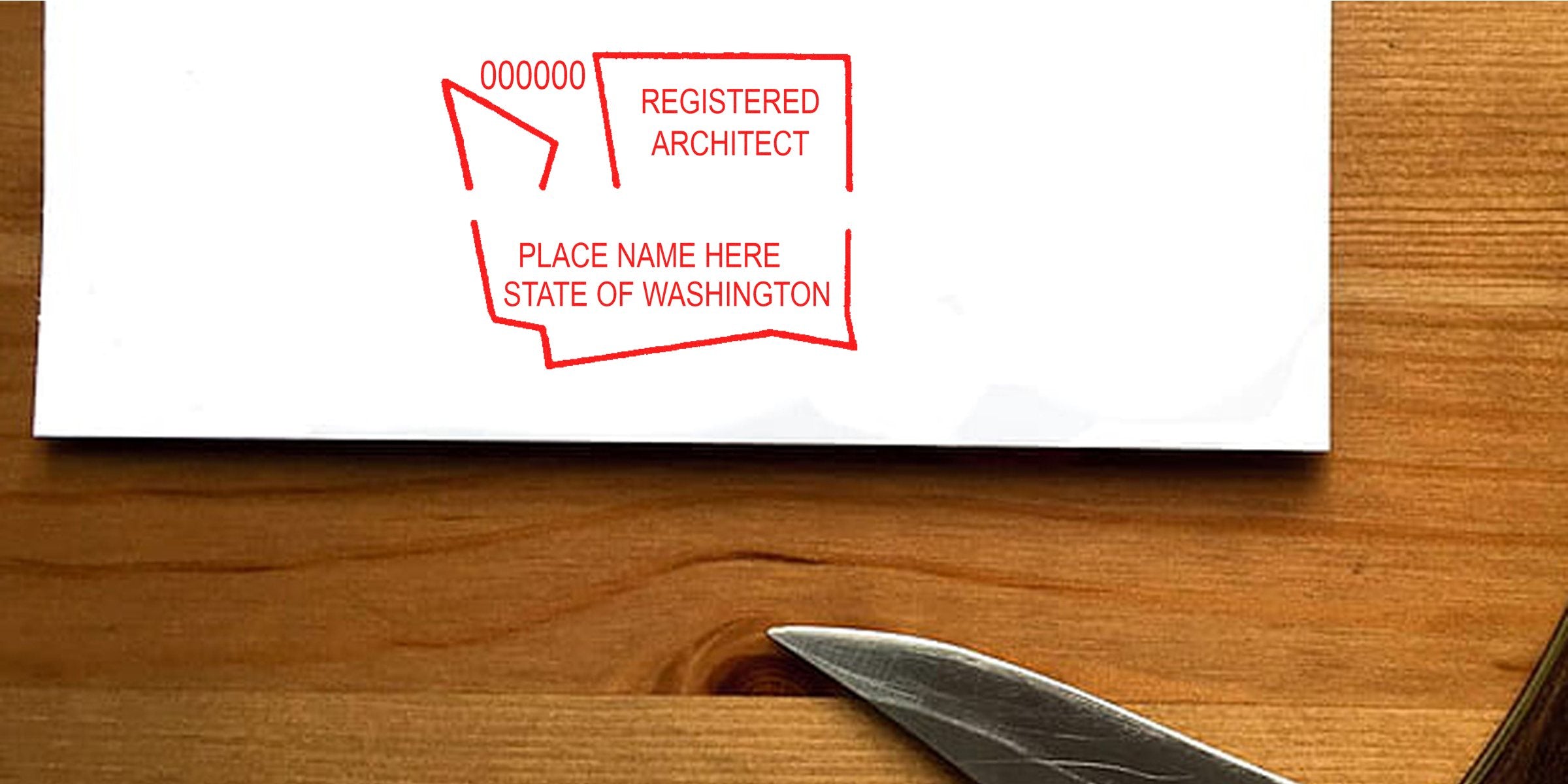
Understand Washington Architect Seal Guidelines
If you’re ready to practice architecture in the Evergreen State, you’ve probably come across various Washington architect seal guidelines. They can feel a bit overwhelming at first. But don’t worry, a little clarity goes a long way toward making sure you’re compliant and confident whenever you stamp your drawings. In short, the state of Washington requires registered architects to have an official seal that’s clear, professional, and properly used on plans and other official documents. Let’s explore the basics so you can hit the ground running.
What the Rules Mean for You
- You must include a legible seal on final documents and drawings.
- The seal must identify your name, license number, and profession.
- Stamping your documents confirms you’ve prepared them or directly supervised their preparation.
These rules aren’t here to complicate your life. Instead, they help protect your professional credibility. Clients, building departments, and contractors know they can trust a design that bears a properly executed Washington architect seal.
Find a Trusted Supplier
When you need a new seal, finding a reputable source is essential. You don’t want to scramble at the last minute, especially when deadlines loom. For more than 60 years, Acorn Sales has been a go-to stamp and seal maker, delivering Washington Architect Stamps and Seals with quick turnaround. Better yet, their seals align with state guidelines, so you never have to second-guess compliance.
Choose the Right Format
- Physical Stamp: Ideal if you prefer a traditional ink or embossing seal.
- Digital Seal: A convenient option if you submit most of your documents electronically.
Each approach has its advantages, but the key is picking a format that fits your everyday workflow. If you’re not sure, you can always opt for both. You might also find it handy to have an official washington architect stamp ready for paper submissions and a digital version for online filing.
Use Your Seal Correctly
Seals only serve their purpose if you apply them accurately. Timing and placement determine how your seal is viewed by regulatory bodies and clients alike.
Placement Best Practices
- Position the seal in a readable area, typically the lower-right corner of the document.
- Make sure the seal contrasts well with the background.
- Include your signature and date near the seal if required.
Timing Essentials
- Stamp final drawings after you’ve confirmed their accuracy.
- Never stamp incomplete or draft plans.
- Retain records of who used your seal and for what purpose.
Following these steps safeguards your professional accountability and keeps your projects running smoothly.
Avoid Common Pitfalls
It’s tempting to rush and crank out that final blueprint, but a tiny seal mistake can have a big impact. Here are a few frequent missteps to watch out for:
- Forgetting to renew: Always keep your architect license and seal up to date in line with state requirements.
- Poorly visible seal: If the seal is blurry or too small, you may have trouble with acceptance at building departments.
- Sharing your seal: Even if you trust your team, letting others use your seal without direct oversight can lead to liability issues.
Explore Different Types of Seals
Washington architects can choose between embossers, self-inking devices, and digital stamps. Each one offers distinct benefits.
| Seal Type | Pros | Considerations |
|---|---|---|
| Embosser | Classic, raised impression | Slightly slower to apply |
| Self-Inking | Quick and convenient | Ink can dry out if not stored properly |
| Digital Seal | Easy to add to electronic docs | Must ensure proper digital security |
Picking your seal type depends on your workflow. If you handle a lot of in-person meetings, an embosser or self-inking stamp may feel more authentic. However, digital options save you time when you’re submitting online.
Remember, a clear and compliant seal is more than a bureaucratic requirement. It’s the hallmark of your professional identity, representing your expertise and approval of every diagram or layout you create. If you’re in need of a new or updated Washington seal, Acorn Sales can help you find the right fit for your practice, so you can keep designing with complete peace of mind.
Frequently Asked Questions
How often do I need to refresh my seal?
You don’t typically replace the seal itself unless it wears out or your license details change. Just be sure your registration stays current with the Washington State Board.
Can I share my seal with my drafting team?
Generally, it’s best practice not to share your seal. You’re responsible for every document it appears on, so it’s wise to be the only one who uses it.
Is there a difference between an architect stamp and a seal?
In Washington, these terms are often used interchangeably. Whether you get a rubber stamp or an embosser, it should meet the same state requirements.
Are digital seals really acceptable?
Yes, digital seals are widely accepted, provided they meet all Washington guidelines. They’re especially handy for electronic submissions.
Where can I get a fully compliant seal quickly?
Acorn Sales has provided state-compliant Washington architect seals for more than 60 years. Their quick turnaround can help you meet pressing deadlines.
Do I need separate seals for different states?
Yes, each state has specific requirements. If you plan to work outside Washington, check that state’s regulations and get a dedicated seal if needed.








