
Understand the Basics
When you hear about Virginia notary stamp requirements, it might sound complicated or overly technical at first. In reality, these guidelines simply ensure that every notarized document in the Commonwealth is handled with care and authenticity. If you’re ready to serve as a notary in Virginia, or if you’re looking to refresh your knowledge, understanding the essentials of the notary stamp is step one in driving your practice forward.
In Virginia, your notary stamp (sometimes called a seal) is the mark that affirms you’ve verified a signer’s identity and complied with state regulations. It’s also your official symbol of authority, letting all parties involved know that the document was witnessed by a lawful notary who followed the rules. As straightforward as a stamp may seem, there are plenty of nuances—from size and shape to ink color and the included text—that you need to keep on your radar.
Stamping regulations in the Commonwealth also exist to keep notaries from making accidental errors. A single slip (like forgetting your commission expiration date) can cast doubt on the validity of a document. By familiarizing yourself with the rules, you’ll avoid rejections and ensure every notarized piece of paper stands up to legal scrutiny. Let’s break down the vital points so you can handle your stamp duties confidently.
Include Essential Elements
The Role of Specific Wording
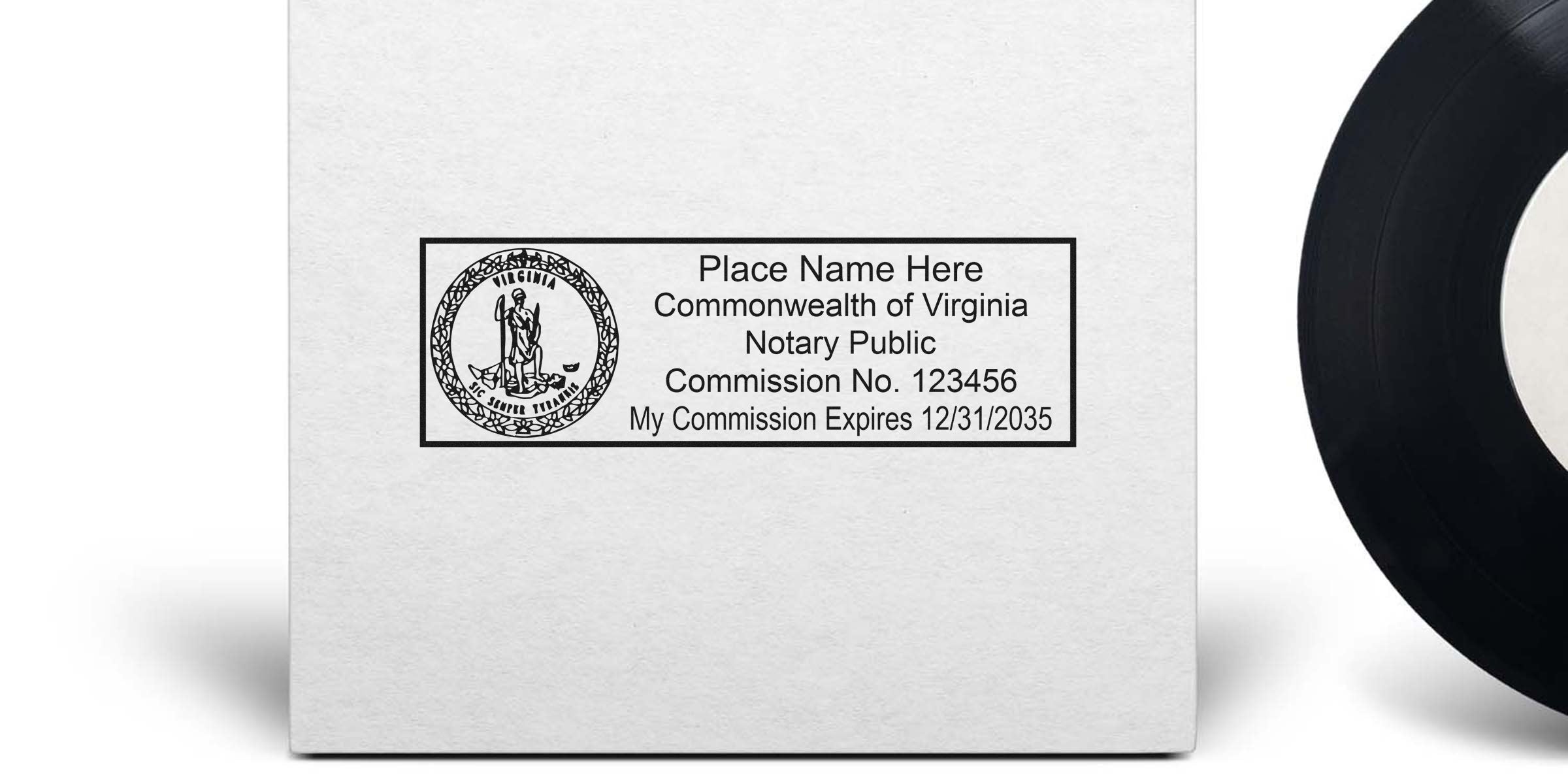
To keep your stamp legally acceptable, it must contain key pieces of information. The required text typically includes your name as it appears on your notary commission. If your commission says “Beth Ann Jones,” then your stamp must reflect “Beth Ann Jones,” not “Beth Jones” or “B. A. Jones.” You’ll also need the words “Notary Public” and “Commonwealth of Virginia.” In addition, you must include your commission’s expiration date. It’s this combination that signals to everyone that you are correctly commissioned.
Some notaries also choose to add their notary identification number and the city or county where they’re commissioned, which can be part of local requirements. This is often recommended for clarity. When you incorporate these details, your stamp becomes a precise snapshot of your authority, leaving no question as to whether you’re legitimate. If you’re unsure about specific text, check updated state guidelines or ask your notary licensing authority directly.
Why the Expiration Date Matters
It’s easy to overlook the expiration date. After all, it might feel like a small detail: you know your commission ends at a certain point, so does it need to be on the stamp as well? Absolutely. Virginia law says your stamp must clearly display a valid commission expiration date. This is so that recipients or agencies can quickly see if you’re actively commissioned. Including this detail also sidesteps any confusion about whether you’re authorized to notarize documents past a certain day. Remember, if your expiration date changes (for instance, if you renew early), you’ll need an updated stamp reflecting your new term.
Pay Attention To Shape And Size
Rectangular Dimensions
Virginia’s notary stamp laws specify that your official mark should be rectangular, not exceeding 2.5 inches in width and 1 inch in height. This size ensures the stamp fits on documents without cluttering important text. It also keeps a consistent look and feel across different notaries’ stamps, mitigating confusion when people review various documents. At first, this might feel restrictive, but countless rectangular stamp models meet these exact parameters, so you still have options.
One good practice is to test stamps on sample documents before you settle on one. You want to be sure everything appears crisp and properly aligned. If your custom design is too big or small, or if it doesn’t fit neatly within your paper margins, reformat it before ordering. Paying attention to these details once can save you heaps of frustration in the long run.
Embosser vs. Rubber Stamp
Virginia notaries may use an embosser (the type that crimps the paper and leaves a raised impression), a rubber ink stamp, or an electronic stamp for authorized remote online notarizations. The rubber stamp tends to be popular because it’s quick, easy, and clear to read. However, you might prefer an embosser if your notarial acts tend to involve more formal documents, like certain real estate or legal paperwork. An embosser sometimes provides that “official” look some clients prefer.
Whichever style you choose, clarity is required. The stamping impression has to be photographically reproducible or easily readable in photocopies. That’s why many notaries lean on a quality self-inking or pre-inked rubber stamp that produces consistent impressions without smudges or half-inked letters.
Use Photocopiable Ink
Legibility in Reproductions
When you notarize a vital record—such as a power of attorney or mortgage document—chances are the signer, the county, or another authority will make multiple copies for distribution. If your mark isn’t photocopiable, someone looking at that printout later may not see any evidence of notarization. This can stop a transaction in its tracks.
Virginia specifically requires that your stamp be photographically reproducible, which means your best bet is black ink. The law once mandated that notaries sign in black ink as well, but that requirement was repealed in 2013. Even so, black remains a safe, commonly accepted choice for your stamp because it stands out clearly on documents and scans reliably on printers, fax machines, and copiers.
All About Ink Colors
While black ink is your standard go-to, Virginia does not strictly forbid other colors for the notary’s signature. However, notary experts strongly advise you to stick with black or another dark tone to ensure legibility. If you’re tempted to add flair with purple or green, consider how well that color will scan or compare when the document is reprinted in grayscale. In some instances, lighter or more vibrant colors can either fade or appear muddy.
If you want to experiment, do a side-by-side test: create a notary impression on a blank paper, then photocopy or scan it. If the impression remains crisp, you’re probably fine. But black is still recommended as the most foolproof choice.
Choose The Right Stamp
Popular Stamp Options
Your notary stamp is akin to an everyday work tool, so you’ll want it to be reliable. Several manufacturers produce high-quality self-inking and pre-inked stamps that fit Virginia’s guidelines:
Brother Stamps. Known for crisp, 600-dpi impressions, these stamps can deliver up to 50,000 uses with proper re-inking. They often feature an oil-based ink, which helps maintain clarity and prevents the stamp from drying out too quickly.
Trodat Printy 4.0. Advertised as climate-neutral, these stamps are lightweight and designed with special grip zones for easy ink cartridge swaps. The small footprint makes them convenient if you handle mobile notarizations and need to fit your stamp in a work bag.
PSI Stamps. These include at least 50 percent recycled plastic in their construction. They produce a clear, laser-quality imprint at around 300 dpi. Many notaries like them for their sturdiness and how straightforward re-inking is.
Regardless of the brand, the biggest thing to watch for is size compliance and clarity of the text. All the top models typically come in various designs that meet Virginia’s shape requirement (rectangular within 2.5 inches by 1 inch). If you go with Brother, Trodat, or PSI, you’ll find that each line of text can be precisely laid out for a professional impression.
Ordering From a Trusted Supplier
After decades in this business, we at Acorn Sales understand how critical your notary stamp is to your day-to-day responsibilities. For over 60 years, we’ve specialized in delivering high-quality stamps backed by a State Board Guarantee. We’re proud to be a trusted supplier of Virginia notary supplies and appreciate how essential a fast turnaround is—especially if your commission is about to begin or renew. You can’t afford to wait for a subpar stamp that doesn’t arrive on time.
You can also explore our specialized packages, like a comprehensive Virginia notary kit, which includes your stamp or seal and other key accessories. By buying everything in one place, you simplify your shopping list and ensure each item meets Virginia’s regulations. If you’d rather have a self-inking model, take a look at our Virginia notary stamp self-inking options, which conveniently re-ink themselves after each impression.
Caring For Your Stamp
Cleaning and Storage
To keep your Virginia stamp working smoothly, you’ll want to perform routine cleaning. Over time, small bits of dust, lint, or even ink residue can accumulate on the stamp face. Gently wipe the surface with a soft cloth or tissue (avoid anything that could scratch or snag) to remove any debris. This quick maintenance step prevents smudged impressions. If you notice poor ink transfer, it may be time to re-ink. Check the manufacturer’s instructions for oil-based or water-based re-inking instructions—applying the wrong type can damage the stamp pad.
Storage matters, too. Keep the stamp in a moderate-temperature environment away from direct sunlight. Prolonged exposure to heat or cold can cause the rubber to harden or crack and might dry up the ink. Storing it in an upright position also helps keep the ink evenly distributed. Some stamps come with protective covers or built-in shutters that shield the impression area from dust. If you’ll be traveling with your stamp, consider investing in a carrying case to prevent accidental damage.
Replacing an Old Stamp
Stamps do wear out eventually, sometimes sooner if you’re notarizing many documents daily. Watch for fading letters or incomplete impressions. This is your cue to either re-ink or purchase a new one. A sloppy or partially visible stamp impression raises red flags and could cause someone to question the authenticity of your notarial act. Since your seal is the final sign-off on the document, it’s wise to replace any tools that might compromise clarity.
When it is time to replace, you might also consider whether your commission info remains accurate. If you’ve recently renewed or updated your name, you’ll want a brand-new stamp featuring your renewed expiration date or corrected details. A quick re-order from a reliable provider is worth it for peace of mind, so you can continue performing your duties with confidence.
Honor Your Commission
Maintaining Compliance
In Virginia, a notary is more than just a person with a stamp. You’re a public official responsible for verifying the identity of signers and ensuring their willingness to execute documents without duress. Without the right procedures, a document could be considered invalid. That’s why the Commonwealth has set guidelines: from the shape of your seal to the maximum fees you can charge ($10.00 for traditional acts, up to $25.00 for remote online notarizations). If you’re not following what’s required, you risk fines or loss of commission.
Never forget that you must keep a keen eye on your practice. For instance, you can’t notarize your own signature, nor can you notarize documents where you stand to benefit. Always keep a clear boundary between your role as a notary and any personal interest. As you gain experience, these points become second nature, but it’s still wise to check for changes in Virginia law at least once per year.
When and How to Renew
All Virginia notary commissions are valid for four years and expire on the last day of your birth month. This system makes it easier for the state to structure expiration dates. If you were commissioned on May 15, 2025, and your birth month is August, your commission would expire on August 31, 2029. That difference in months catches many new notaries by surprise, so mark your calendar.
A renewal application typically costs $45. You should submit your form 4–6 weeks before your commission expires. Doing it early ensures there’s no gap where you lose authority to notarize documents. If you renew in good standing, you don’t need to retake the oath at the Circuit Court or get your renewal application notarized. You can simply file the necessary paperwork and continue operating.
Renewal Fees and Deadlines
The renewal fee is the same as the initial application fee—$45. Your biggest challenge is timing. If you wait too long to renew, you might end up with a lapse in your commission. During that gap, you can’t legally perform notarial acts, which can be a major inconvenience if you rely on this service for clients. Plan ahead by setting a reminder a few weeks before your birth month arrives.
If your rights have been limited or you’ve encountered a criminal conviction, renewal could be more complex. People with felony convictions must usually have their civil rights restored or be pardoned before applying. Make sure you address these details well before your commission’s expiration, as they can prolong the process.
Best Practices For Using Your Stamp
Respect the No-Strikethrough Rule
A notary’s seal can’t be corrected by crossing out information. For example, if your stamp includes your name but you see a letter off, you can’t just cross out the letter. The law in Virginia specifically prohibits notaries from using strikethroughs or white-out to alter the seal. If you spot an error, you need a new, properly crafted stamp. This is all about preserving the sanctity and clarity of official documents.
Charge Fairly
Virginia sets fee limits for notarial acts, and you should follow them. For traditional notarizations, the maximum is $10 per act. If you’re providing remote online notarization services, you can charge up to $25 per act, plus a reasonable travel fee if pre-agreed upon. Remember to make your charges clear to signers from the start. Being transparent about fees fosters trust and demonstrates that you’re acting within the rules.
Maintain a Notarial Journal
While Virginia doesn’t mandate that all notaries keep a journal, many professionals do so for their own protection. A well-maintained record of your notarial acts verifies you made each entry properly, identifying signers, checking photo IDs, and noting the document type. Should a question ever arise, you can refer back to your journal for specifics. Include basics like date, type of document, signers’ names, contact details, and any relevant identification numbers. Some notaries also log the fees charged. This record can be your best friend if a dispute ever arises.
Remember the Territorial Limits
In-State Authority
Your commission confers the power to notarize in Virginia only. Once you step outside the Commonwealth’s borders, your commission is no longer valid. That means if you live near a state line, you can’t skip over to another state and continue notarizing. If a signer in another state needs your services, the typical approach is to meet them on Virginia soil or perform a remote online notarization if your state laws allow it and if the other participant is authorized to use that method.
Remote Online Notarizations
Virginia is one of the states that allows remote online notarization (RON). Under RON, you can notarize documents for a signer located anywhere—provided you’re physically in Virginia throughout the notarization, and you follow the state’s approved procedures. You’ll use specialized audiovisual tech to confirm identity, collect e-signatures, and attach your electronic notary seal. Even though you’re communicating through a screen, you must abide by the same standards of identity verification and willingness checks as traditional notarizations. RON can streamline real estate closings or help signers who can’t travel easily, but it’s crucial to stay updated on the state’s requirements for online platforms and electronic seals.
International Use
If you or your signer is traveling abroad, keep in mind that your Virginia commission does not grant you international authority. Some notaries assume they can take their stamp anywhere, but that’s typically not the case. There are special types of federal commissions that enable notaries to act in U.S. embassies and consulates. For the everyday notary, it’s best to keep your services limited to the state or authorized remote environment.
Key Takeaways
In every notarization you perform, your stamp is the mark that finalizes the process and underscores your authority as a Virginia notary. By following the guidelines—making sure your stamp is the right size, includes essential text, and uses legible ink—you’re building a foundation of trust and professionalism. Stick with a reliable brand like Brother, Trodat, or PSI for clear impressions, and focus on caring for your stamp with regular cleaning and proper storage.
Remember, your notary commission in Virginia must be renewed every four years so you can continue offering your services. Plan your renewal early to avoid a gap. If you ever need a replacement or updated stamp, recognize that even small changes, like a new expiration date or a name change, require a new impression design. You’ll find that preparing for such transitions well in advance helps you keep everything running smoothly.
Finally, if there’s one thing to internalize, it’s that paying attention to details is your best strategy. Whether it’s the text on your stamp, the color of your ink, or the fees you charge clients, aiming for clarity and accuracy benefits you and anyone who relies on your notarial acts. Whenever you need high-quality products or useful notary tools, remember you can turn to Acorn Sales. We’ve been helping Virginia notaries for decades, and we’re delighted to support you with knowledgeable advice and an extensive selection of properly formatted stamps.
Use your notary stamp confidently, secure in the knowledge that you’re meeting all requirements and delivering the professional touch that every notarized document deserves.
Frequently Asked Questions
How do I know if my stamp meets the size requirements?
Before you purchase, check the manufacturer’s specifications. Your Virginia notary stamp must be rectangular, up to 2.5 inches wide and 1 inch high. Most reputable stamp sellers in the Commonwealth already design stamps with these specific dimensions in mind.
Do I have to use black ink on my notary stamp?
While Virginia does not mandate strict ink color for your notary signature, the stamp impression must be reproducible on photocopies, which makes black ink the safest bet. Other dark colors might be acceptable, but always test them first to ensure clarity.
What if the wording on my stamp is slightly different from my commission?
The name on your stamp must match exactly what’s on your notary commission. If your name is spelled differently or you use an initial instead of a middle name, you risk having your notarizations questioned or rejected. Always confirm you have the exact spelling and format.
Do I need to update my stamp when I renew my commission?
Yes. If you’re renewing your commission, you’ll get a new expiration date, which needs to appear on your stamp. This ensures anyone checking your notarization can confirm you’re in good standing through the accurate date displayed.
Am I required to keep a journal of my notarizations in Virginia?
Virginia does not formally require a notary journal for all acts, though certain online notarization acts require recordkeeping. However, it’s smart to maintain a journal for your own records, particularly if you handle many transactions or want an extra layer of accountability.
Where can I buy an official Virginia notary stamp?
You can order directly from a trusted supplier such as Acorn Sales. We have provided official Virginia notary stamps for more than 60 years, offering quick turnaround times and a State Board Guarantee to ensure you’re getting a compliant tool.








