
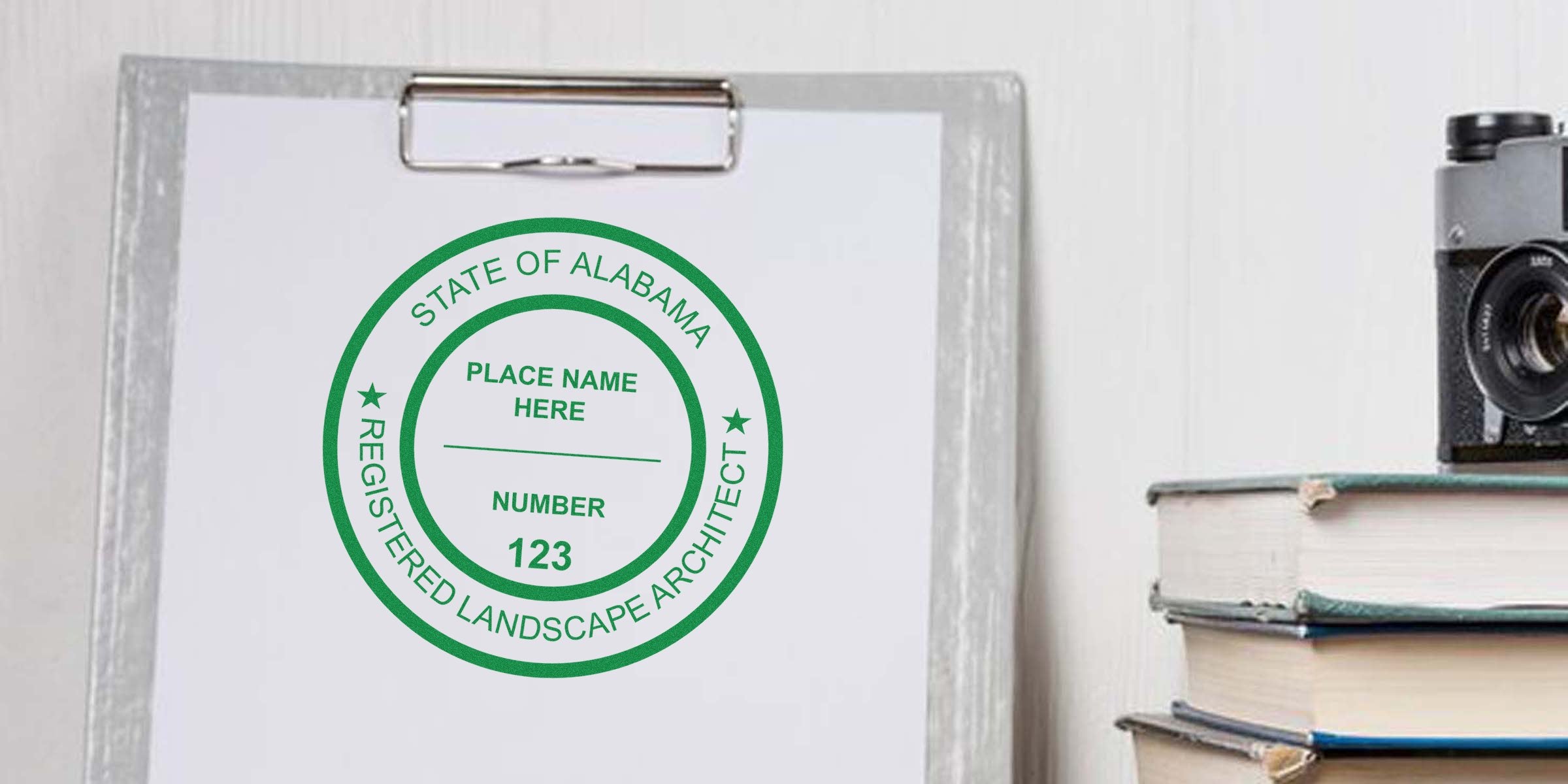
Review Alabama Landscape Architect Stamp Guidelines
If you’re on track to become a licensed landscape architect in Alabama, you’ve likely heard that an official stamp is more than a nice-to-have. In fact, it’s a requirement—one dictated by specific Alabama landscape architect stamp guidelines. These guidelines ensure that professionals like you follow uniform standards, so your clients and regulatory bodies can easily identify the authenticity of your work.
But what do these guidelines actually entail? In simple terms, they dictate what information your stamp must include, how it should look, and how it’s to be used on official drawings or documents. Understanding these rules early in your career can save you a headache down the line, especially when you’re faced with project deadlines. There’s a common misconception that stamps and seals are merely formalities. On the contrary, they’re a core part of professional responsibility, carrying weighty legal implications if not executed correctly.
In this post, we’ll clarify the must-know points about your Arkansas—just kidding—your Alabama landscape architect rules and requirements. We’ll also cover practical steps for ordering the right stamp, plus tips on what to avoid so you don’t run into compliance snags. By the time you’re done reading, you’ll feel more confident about making a well-informed choice for your official seal.
Know The Essential Requirements
To fully grasp the importance of your Alabama-approved stamp, you need a clear overview of what’s actually required by regulatory bodies. One of the top agencies overseeing licensure in this field is the Alabama Board of Landscape Architects. They set forth the guidelines you’ll need to follow, starting with:
Your Name and License Number
Most states, including Alabama, require your full legal name and your unique license number to appear clearly on the stamp. This ensures traceability in case any questions arise about project ownership or accountability.The Designation “Landscape Architect”
By labeling yourself as a “Landscape Architect” on the stamp, you’re signaling to clients and reviewers that you’ve met Alabama’s educational and professional standards. You might think of it like a badge of honor, one that says, “I’ve done my homework and earned the right to design in this state.”State or Board Insignia
Many boards provide or specify an emblem, seal, or shape that must be included in your stamp’s design for it to be valid. This element often includes Alabama’s name in a circular layout, but double-check the board’s exact wording and layout requirements.Legibility and Size Requirements
A stamp that’s too small may blur critical details, while one that’s too large can be unwieldy on certain documents. Alabama typically insists on a legible stamp with a diameter in line with board rules, often hovering around two inches.
Once you confirm these essentials, you’ll know the “bare minimum” for compliance. From there, you can decide if you want to add any personal flourishes, as long as they don’t clutter the stamp or violate any guidelines.
Identify Stamp Components
Your official seal isn’t just a random decorative mark. Each line and piece of text serves a legal and professional purpose. If you’re new to the world of professional stamps, let’s clarify what components you can expect.
Circular Border
Most Alabama landscape architect stamps appear as circles. While shapes can vary by jurisdiction, the circular form is popular because it provides enough room for text and any emblem the board specifies.
Engraved Text
Within the circular border, you’ll typically find engraved text that includes:
- “Registered Landscape Architect” or a similar label.
- Your name, exactly as it appears on your license.
- Your license number, which must match official records.
Center Emblem
In the middle, you might see either a state-approved emblem or a blank area where additional text goes. Some states have a minimalistic approach, while others propose the entire state outline or a stylized graphic.
Ink or Emboss?
You’ll hear two main terms when you start shopping for a stamp:
- Rubber Ink Stamp: Uses ink pads. Simple, cost-effective, and easy to handle.
- Embossing Seal: Imprints a raised impression on your document, giving it a more traditional look and feel.
Ink stamps tend to be more common for everyday use, while embossing seals are sometimes reserved for formal legal documents or for those who prefer a classic, professional appearance. Some architects keep both on hand, ensuring they’re prepared for any project or client request.
Acquire Your Stamp
Getting your official stamp doesn’t have to be a chore. With a little planning, you can do it quickly so you can get back to focusing on your design work. Here’s a template roadmap to help you navigate the process.
Confirm Eligibility
Before you start, make sure you’ve met Alabama’s educational and exam requirements. Being certain of your license status is crucial. If you’re still an intern, it’s best to hold off on ordering your stamp until you have proof of full licensure.Check Board Specifications
Different states have their own guidelines, so confirm the specific design or format mandated by the Alabama Board of Landscape Architects. A quick online check or phone call can make sure you have the latest, most accurate info.Choose Your Stamp Type
Will you stick with a rubber ink stamp or go for an embossing seal? Think about how often you’ll use it and on what kinds of documents. Ink stamps are speedy and convenient, while embossers can bring a certain gravitas to official papers.Purchase From a Reputable Supplier
Not all stamp makers are familiar with specialized regulatory standards. Choosing a supplier that knows the ropes for Alabama can save you from costly do-overs. More on that in a moment.Inspect Your Stamp Upon Arrival
Double-check that the details—like your name, license number, and the official phrase “Landscape Architect”—are correct and clearly visible. It’s much easier to correct mistakes before you stamp your first set of plans.
Once these steps are out of the way, you’ll likely breathe a sigh of relief. You’ll have a valid seal tucked in your desk, ready whenever you need to finalize a project for submission.
Avoid Common Pitfalls
Even if you practice with great care, a few slip-ups can still trip you up. Counting on memory alone to meet state regulations often leads to oversights. Here are a few common pitfalls and how to steer clear of them:
Forgetting to Update Your Name
If you undergo a name change, you’re responsible for updating your credentials accordingly. Using a stamp that carries an outdated name can raise questions about the document’s validity.Misplacing Your License Number
Double-check your license number each time you place an order for a new stamp. A single transposed digit can invalidate technically perfect drawings.Overusing Non-Legible Designs
Avoid small-text or fancy fonts. They might look aesthetically pleasing, but your stamp must remain crystal clear to meet official standards.Mixing Multi-State Data
If you’re licensed in more than one state, don’t cram multiple states' details into a single stamp. Each state license generally demands a separate seal to avoid confusion.Failing to Renew
Always keep track of your license renewal dates. A valid stamp used after your license expires can land you in hot water, both legally and professionally.
When you avoid these pitfalls, you protect your reputation, maintain compliance, and keep things moving smoothly in your day-to-day practice.
Select A Trusted Supplier
Finding a reliable supplier for your professional stamp or seal might feel like a minor detail, but it can make or break your compliance journey. Think about it: A poorly manufactured stamp wastes your time, money, and could lead to heaps of frustration. Here’s what to look for:
Experience and Reputation
You want a supplier who understands Alabama’s rules, including every last line in the official guidelines. Acorn Sales, for example, has been in business since 1964, providing stamps and seals nationwide. With decades of experience behind them, you can generally trust they’ll know exactly how to produce an accurate Alabama seal.Compliance-Focused Designs
A good supplier will not only replicate your information correctly but also ensure the final product meets the requirements from the Alabama Board of Landscape Architects. They’ll clarify the correct ring size, text placement, and other nuances.Free Digital Seal
In our modern world, digital versions are almost as important as their physical counterparts. Some vendors, such as Acorn Sales, include a free digital seal with every order. This perk can be a huge convenience when you need to append your credentials to electronic documents.-
User-Friendly Editing
Maybe you made a typo and only realized once you saw the preview. Look for a company with a hassle-free process for last-minute changes so you’re not stuck with an incorrect stamp. Customer Support
Do they offer quick responses to questions about design, shipping, or compliance? If a vendor makes you feel rushed or brushes off your questions, it may be worth looking elsewhere.
Once you have decided on a supplier, check if they provide direct ways to confirm compliance with state guidelines. That extra layer of assurance means you can stamp your drawings without second thoughts. If you’re ready to order now, you might be interested in exploring an Alabama Landscape Architect Stamp from a trusted vendor who understands your professional needs.
Wrap Up And Next Steps
Navigating Alabama’s requirements for your landscape architect stamp can feel like a maze, but you’re now armed with the key details. These stamps aren’t merely decorative—they carry legal weight that affirms your skill and accountability with every document you sign. By understanding the essential rules and double-checking your license information, you’ll breeze through the process of acquiring a valid seal.
Ready to make it official? Partnering with a long-standing, reputable supplier like Acorn Sales, which has been in business since 1964, is one smart move. They’ll guide you through design requirements and even throw in a free digital seal with every order. That way, you have both physical and electronic versions at the ready, ensuring you’re covered for every type of client submission.
If you haven’t already, take a peek at an Alabama Landscape Architect Stamp that meets the state’s approval. Double-check your name, your license number, and any additional details your board demands. Then finalize your purchase with confidence, knowing your professional documentation is in good hands.
Got questions about your particular situation? Refer back to the FAQs above or reach out to a trusted supplier or the Alabama Board of Landscape Architects for exact guidance. You’ve earned the right to put your signature—and your stamp—on amazing projects that stand the test of time. Now, go showcase your creative vision for all the green spaces Alabama can offer.
Frequently Asked Questions
Do I really need separate stamps for multiple states?
Yes, you do. Each state typically has its own guidelines for landscape architect stamps, so it’s better to maintain an individual seal for each license you hold. Combining them into one can cause confusion and might be considered non-compliant.
Can I use the same stamp design I used in school or for an internship?
Probably not. The stamp or seal you used as a student or intern generally won’t meet the official board’s rules, especially if it doesn’t include your current license number. Once you receive your formal license, you’ll need an updated, board-compliant stamp.
Is a digital seal acceptable for official documents?
Many jurisdictions, including Alabama, do allow digital seals, provided they meet the state’s security and authentication standards. Always confirm with the relevant board or municipality before you rely solely on a digital version.
What if I lose my stamp or someone uses it without my permission?
Immediately report the incident to the state board and take steps to prevent further misuse. You may need to re-order under a new unique identifier or add additional security measures. Protecting your seal is essential for maintaining your professional integrity.
How often should I replace my stamp?
There’s no strict timeline for replacing a physical stamp unless there’s a board-mandated update to the design. However, you’ll want to order a new one if it shows signs of wear or if any design elements become unreadable. Keep an eye out for fading rubber elements, bent embossers, or any damage that affects legibility.








