
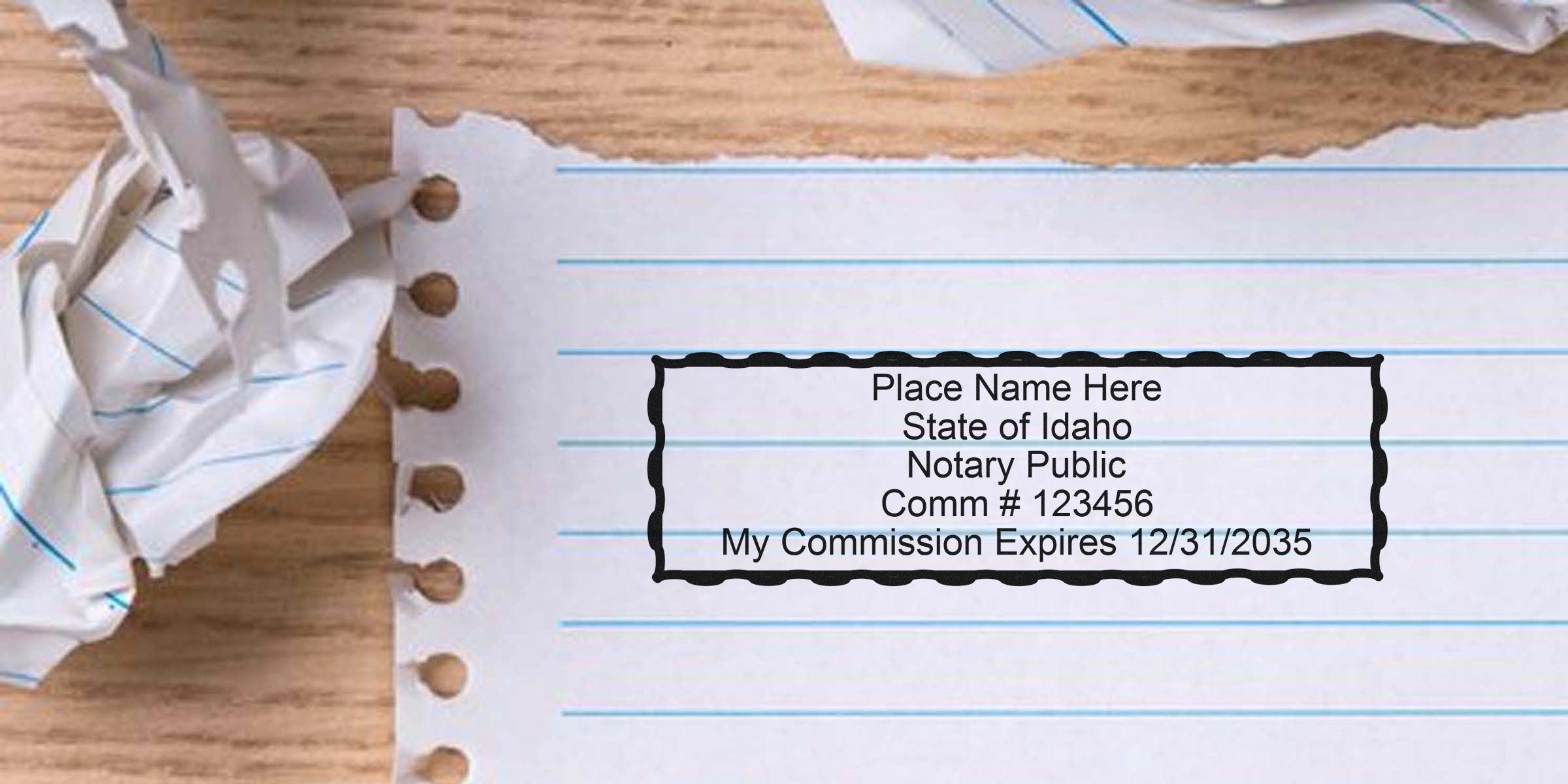
When you first think about Idaho notary seal requirements, you might wonder if they’re all that important for your day-to-day role as a commissioned notary. The truth is, those requirements are critical. They ensure your notary work stands up in legal settings and inspires trust among the individuals whose documents you notarize. If you ever found yourself doubting whether you need to brush up on these specifics, consider this: even minor mistakes, like applying the seal incorrectly or forgetting a mandated element, could invalidate the notarization and potentially lead to legal issues.
But here’s the good news: you don’t have to feel overwhelmed. By breaking down each aspect of seal usage, format, and placement, you can gain confidence and help protect the parties who rely on your services. In this guide, you’ll find a straightforward explanation of every must-know detail surrounding official notary seals in Idaho. Whether you’re just getting started or looking for a refresher, understanding these requirements is the first step in conducting your duties with professionalism and peace of mind.
Below, we’ll discuss everything from the legal foundations of notary sealing to choosing the right supplies. By the end, you’ll see how easy it can be to stay on top of each rule. Let’s get started!
Explore Idaho Notary Seal Basics
Being a commissioned notary in Idaho means you shoulder a fair amount of responsibility. The state sets standards for nearly every aspect of notarization, from the official wording on documents to the specific seal you must use. Why does having a well-crafted seal matter so much? Think of it as your notary’s personal signature: it verifies that you’re licensed to confirm identities, witness signatures, and deter fraud. If someone questions the validity of a notarial act, your seal can act like a badge of authenticity that you’ve met all Idaho notary seal requirements before stamping anything official.
How Idaho Notary Seals Differ From Others
Not all states follow the same rules. Some states allow an embosser only, while others emphasize ink stamps or even digital seals. Idaho, for instance, requires a legible seal that’s capable of being reproduced on a photocopy and includes key details such as your name, the phrase “Notary Public,” and the words “State of Idaho.” In most cases, the seal also includes your commission number. This unique arrangement helps you stand out from notaries in other parts of the country. If you’ve previously performed notarial acts in another state, double-check that your old seal meets the new guidelines—chances are, you’ll need an updated design before working in Idaho.
When You Must Use Your Seal
Generally, any notarized document in Idaho must display your seal if you want it to be considered valid. Whether you’re working with personal affidavits, real estate deeds, or simple acknowledgments, your seal is mandatory. It’s also worth noting that your signature and the date of notarization should accompany your official stamp or seal impression. Omitting any of these elements can raise validity concerns. If you’re ever unsure, err on the side of caution by including your seal.
Understand Legal Foundation
Idaho notary law has evolved over time to reflect changes in technology and the broader notarial landscape. As a notary, you’ll want to stay acquainted with current provisions in the Idaho Code (Title 51) to keep your seal usage above board. Complying with these regulations not only helps you avoid fines, but also safeguards the integrity of every document you sign.
State-Mandated Format
To align with official rules, your seal must be designed so its text is clear and readable. Idaho typically wants the words “Notary Public” and “State of Idaho” on the seal. Many notaries also add their names precisely as they appear on their certificates. This is vital because if there’s a mismatch between your legal name on your notary commission and the name on your seal, it might undermine your notarial acts. Always make sure any variation, like using an initial instead of a full first name, is approved by the state commissioning authority prior to ordering a stamp.
Why Legal Compliance Matters
You might think skipping one small detail isn’t a big deal, but it can be. For example, if your seal design lacks “State of Idaho” or appears too faded to read clearly, someone could challenge the notarization in court. If you’re found noncompliant, you might face penalties or even lose your notary status. The simplest way to avoid such mishaps is by ordering a well-made, compliant stamp or embosser right from the start. If you need help sourcing it, feel free to check out an Idaho notary supply that follows official guidelines.
Identify Seal Components
Understanding the individual elements that must appear on every official Idaho notary seal is key. Once you know each piece by heart, you’ll have a smoother time verifying that your imprint is accurate and valid for every notarial act.
Name and Commission Details
At the very core of your seal is your name, exactly as it appears on your notary certificate. Typically, if your notary commission states “Jane Q. Doe,” you’ll need to replicate that name on the seal, including the middle initial. Next, your notary commission number should appear. This typically comes from the Office of the Secretary of State when they grant your commission. If you’re renewing or changing your official details, make sure to confirm the correct number and name. If your commission is set to expire soon, be proactive about your renewal so you can avoid a lapse in your stamping privileges.
Required Wording
Beyond your name, the phrases “Notary Public” and “State of Idaho” must be legible on the seal. This requirement is so fundamental that if these words are missing or partially cut off, the seal could be deemed invalid. Idaho is relatively flexible on optional text like your county, but make sure you follow any instructions provided on your commission certificate. Remember, each detail helps others confirm the legality of the notarial act, so adding the correct wording is crucial.
Seal Size
Size can affect clarity. If your seal is too large, it might crowd the document or blur critical text. Too small, and it becomes tricky to read. Although Idaho doesn’t always dictate the exact seal dimensions, you typically see recommended guidelines around 1 to 2 inches in diameter. For more precise standards, you can look into Idaho notary seal dimensions to ensure your impressions are always sharp and clear.
Review Format And Placement
One of the most frequent questions new notaries ask is where, exactly, to place the seal. The short answer: near your signature block. But there’s more nuance to it if you want to follow Idaho notary seal requirements perfectly.
Proper Positioning
Idaho law calls for the seal to appear close to your signature and the notarial certificate wording. If you’re using an ink stamp, make sure the entire impression fits within the margin of the page. Avoid stamping over vital text or crossing any borders that might render the seal unreadable. Some notaries prefer an embosser, although that’s less common these days. If you do use one, ensure the embossed imprint is visible on photocopies. Sometimes a combination of ink stamp and embossment is used for extra authenticity, but confirm whether that practice is recognized or required where you perform notarial acts.
Clarity on Photocopies
Your notary seal should be reproducible. That’s why the state generally prefers rubber stamps instead of purely embossed seals. If your seal won’t show up on a scanned or photocopied version of the document, that can be problematic for record-keeping or proof in legal settings. Double-check your device’s impression on both original documents and photocopies to confirm legibility. No one wants a county recorder’s office to reject a document due to an unreadable stamp.
Avoiding Overuse of White Space
It’s a minor detail, but if there’s too much blank space between characters, the impression can appear stretched or incomplete. A compact yet clear layout works best. If you plan to order a custom seal, verify the spacing with your supplier so each element—name, commission number, “Notary Public,” “State of Idaho”—fits neatly.
Observe Expiration And Renewal
Your Idaho notary commission won’t last forever. As a notary, you need to keep tabs on the expiration date of your commission and plan for timely renewal to avoid a gap in your services. That renewal process also affects whether your seal is valid. If your commission expires before you update your stamp, you can’t legally notarize documents.
Monitoring Your Expiration
One of the easiest ways to stay on track is to mark your calendar several weeks—or even months—before your notary commission is due to expire. If you can’t remember your date, check your commission certificate. You can also contact the Secretary of State’s office for a quick update. To make it simpler, some notaries jot the date right on their physical seal for quick reference. Just ensure it doesn’t clutter the required details.
Renewing Your Seal
Once you’ve renewed your commission, you’ll likely need a new seal. This is because any date or information that changes on your new commission must appear on the stamp. Before you reorder, it’s wise to confirm Idaho notary stamp renewal requirements. Depending on when you renew and whether your name or address has changed, you may need an entirely new seal design. Ordering the updated stamp at least a few weeks before your current commission expires is the best way to avoid downtime.
Documenting Expiration Details
Some individuals and businesses want to see the commission expiration date on file for added assurance. While Idaho’s main requirement is that you ensure your seal is accurate and valid, providing clear documentation when asked can help bolster trust. You can also learn more about timing and best practices by exploring Idaho notary seal expiration date.
Choose Compliant Supplies
You may wonder how to guarantee you’re using the correct notary supplies in Idaho. Is there a risk of ordering a generic stamp from an online marketplace that doesn’t fully adhere to local rules? In short, yes. Low-quality or noncompliant seals can lead to issues if the required text smudges or fails to meet official guidelines.
Working With a Trusted Provider
This is where Acorn Sales comes in. Our company has been producing reliable stamp and seal solutions for over 60 years, serving notaries across the country with top-quality products. We know exactly how to align your seal design to Idaho’s regulations and ensure your text is crisp and clean. Because we understand the nuances, from spacing requirements to the size of the typeface, you can trust we’ll get your seal right the first time, helping you pass any official scrutiny without hassle.
Quick Turnaround and Compliance
When your commission deadline is looming, the last thing you want is a sluggish shipping process. That’s why we take pride in our quick turnaround on all orders. Even better, we guarantee compliance with the state’s guidelines so you can submit your seal confidently. Whether you need a simple Idaho notary stamp and seal combination or a more comprehensive Idaho notary kit, placing your order in advance lets you avoid last-minute stress.
Additional Supplies
Beyond the seal itself, you also need reliable items like a notary journal to record your transactions and a sturdy case to store your stamp. If you’re just beginning your notarial journey, you can explore id notary supplies or check out a specialized idaho notary stamp. Showing up prepared with the right materials adds a layer of professionalism to everything you do.
Maintain Seal Security
You might be surprised how crucial it is to keep your seal secure both at home and on the go. Misuse of a notary seal can devastate your reputation and open a can of legal complications. The goal is to ensure no one else has the ability to make fraudulent notarizations using your stamp or embosser.
Storing Your Stamp Properly
If you carry your seal in a purse or briefcase, always keep it in a pocket or zippered compartment you can watch closely. When you’re at home or in your office, store the seal in a locked drawer or safe. You’ll want to do everything you can to restrict unauthorized access. Popular approaches include small locking cases or designated cabinets with only a few authorized keys. While Idaho doesn’t specify a particular security measure, you’re responsible for the safe handling of your seal.
Reporting Loss or Theft
Should you ever lose your stamp or suspect it was stolen, report it immediately to law enforcement. Then, file an official report with the Idaho Secretary of State. You do not want your notary seal to be used elsewhere, so notifying authorities is a vital step. If you find yourself in this predicament, plan on ordering a replacement seal right away. Double-check that the new seal’s design meets your updated or current commission details and that you’re not inadvertently duplicating the old stamp number if it’s no longer safe to use.
Documenting Each Use
Whenever you notarize a document, it’s good practice to note it in your notary journal. Jot down the document type, any identification details, and the time and date. This step isn’t just about record-keeping—it also helps you verify that your stamp hasn’t been misused. If a questionable notarization ever arises, your well-maintained journal could be the proof you need to show that the seal was or wasn’t used legitimately at a certain time.
Wrap Up And Next Steps
By now, you should feel more comfortable about fulfilling Idaho notary seal requirements and ensuring your stamp or embosser is up to scratch. Although the rules may appear complicated at first, the path gets smoother once you know the must-haves: clear text, correct information, proper sizing, and consistent placement near your notarial certificate. Keep an eye on your commission’s expiration date and be proactive about renewals. When you’re ready to purchase or replace your stamp, choose an established supplier like Acorn Sales to help you stay fully compliant.
Before you sign your next document, take a moment to reevaluate your seal. Is it still readable? Does it contain all of your up-to-date commission details? Double-checking these small but essential elements keeps your notarial acts valid and worry-free. After all, the people relying on your services deserve to know their documents are handled by someone who takes both legality and integrity to heart.
And don’t forget to keep your stamp under lock and key whenever possible. Proper care, storage, and consistent application of seal security measures protect your commission from misuse or legal trouble. A bit of prevention goes a long way to preserving your good standing in Idaho’s notary community.
Staying compliant with Idaho law involves a bit of homework, a consistent approach, and the right supplies. Once you have those nailed down, you’ll be free to focus on what matters most—offering reliable notarial services that give the public peace of mind. If you ever need a refresher, come back to this guide for a quick review or reach out to Acorn Sales for personalized assistance. We’re here to help every step of the way.
Frequently Asked Questions
Do I need to use an embosser in addition to a stamp?
Idaho allows you to use an embosser, but it’s not strictly required. Most notaries rely on an ink stamp that reproduces clearly on photocopies. However, you can use an embosser for added formality if you’d like, as long as the impression is legible in copies.
Can I reuse my old stamp if my address changes but my name remains the same?
Even if your name isn’t changing, your official commission details might. If any part of your commissioned information changes—like your place of residence—your seal may need revising. Always confirm with the Idaho Secretary of State’s office if an updated seal is required.
What should I do if my notary commission expires before my new stamp arrives?
The moment your commission expires, you must stop notarizing until you renew. You also need a valid seal that matches your new commission. It’s wisest to reorder your stamp a few weeks before your current commission runs out. That way, you’re never stuck without a valid seal.
Where can I find specialized Idaho notary supplies in one place?
You can visit Acorn Sales, where we offer a full range of Idaho notary products. We also provide idaho notary stamp and seal sets, as well as complete idaho notary kit options that fulfill your official requirements. Our quick shipping helps you get your new tools well ahead of any deadlines.
What happens if someone uses my seal without my permission?
If you suspect fraud, contact law enforcement immediately. Then notify the Idaho Secretary of State about the unauthorized use. You’ll most likely need to order a new seal to prevent further misuse. Always keep a journal record of your legitimate acts, so you can demonstrate any notarizations you did not perform.








