

Written by Acorn Sales Company, manufacturing stamps and seals since 1964 · Reviewed by Holly R, VP of Sales and Marketing at Acorn Sales, against no Pennsylvania board regulates interior designers and 49 Pa. Code, tit. 49, pt. I, subpt. A, table of contents (no interior design board or chapter) on 21 September 2026 · Updated 21 September 2026
Pennsylvania runs three design seal chapters and interior design is not one of them. Title 49 of the Pennsylvania Code, Part I, Subpart A lists every professional and occupational board the Department of State administers. Architects sit at chapter 9. Landscape architects sit at chapter 15. Professional engineers, land surveyors and geologists sit at chapter 37. Interior design appears nowhere in that table of contents and has no chapter to read, which means the Commonwealth issues no interior design credential and prescribes no interior design seal.
Nothing prescribed is also nothing restricted. There is no required diameter, no required legend, no approved artwork and nothing to file with anyone. Your stamp becomes a design decision rather than a compliance one, and Acorn will make it to whatever you want on it: your own name, your firm name, a monogram, your logo, or a credential you actually hold such as NCIDQ.
The one place to take care is wording. Put your own name, your firm name, and any credential you actually hold, such as NCIDQ. Leave off “Licensed” and “Registered” and any state-issued title unless the state issued you one, because that is the part some states do restrict. Pennsylvania’s three seal chapters each close their legend to a specific form of words, so a circular die pairing “Registered” with a reference to the Commonwealth borrows the exact construction those chapters reserve.
Pennsylvania interior designer seal requirements at a glance
| Requirement | Pennsylvania rule | Source |
|---|---|---|
| Seal required | Not licensed here | 49 Pa. Code, tit. 49, pt. I, subpt. A, table of contents (no interior design board or chapter) |
| Required elements | No Pennsylvania interior design credential exists and No seal is prescribed | 49 Pa. Code, tit. 49, pt. I, subpt. A (no interior design chapter) |
| Size and shape | No size is prescribed, because no seal is prescribed. | 49 Pa. Code § 37.58(c) (engineers, surveyors and geologists only) |
| Device allowed | Not applicable. | 49 Pa. Code chs. 9, 15 and 37 (closed legends) |
| Signature and date | Not applicable. | 49 Pa. Code chs. 9, 15 and 37 |
| What must be sealed | Not applicable. | 49 Pa. Code §§ 9.141(b)(2), 37.59(2) |
| Electronic seal | Not applicable. | 49 Pa. Code §§ 9.141a, 15.33a, 37.60 (none applicable to interior design) |
| Renewal and lapse | Not applicable. | 49 Pa. Code §§ 9.3, 15.34(a), 37.19(a) (none applicable to interior design) |
| Firm requirements | Not applicable. | 49 Pa. Code §§ 9.3, 37.71 (no interior design equivalent) |
| Regulator | No Pennsylvania board regulates interior designers | 49 Pa. Code, tit. 49 (Professional and Vocational Standards), pt. I (Department of State), subpt. A (Professional and Occupational Affairs), table of contents, read from the official Pennsylvania Code, which lists every board chapter and contains no interior design board or chapter |




Is a seal required in Pennsylvania?
Pennsylvania does not license, register or certify interior designers, so no Pennsylvania interior design seal exists and no Pennsylvania authority prescribes one. The Commonwealth’s professional and occupational boards are listed in 49 Pa. Code, Title 49, Professional and Vocational Standards, Part I, Department of State, Subpart A, Professional and Occupational Affairs. That table of contents runs from chapter 1 through the fifties and names boards for auctioneers, barbers, chiropractic, crane operators, cosmetology, architects at chapter 9, accountancy, funeral directors, landscape architects at chapter 15, medicine, vehicle manufacturers, massage therapy, real estate appraisers, engineers, land surveyors and geologists at chapter 37, nursing home administrators, physical therapy, psychology, occupational therapy, speech-language pathology, social work and the rest. There is no interior design board and no interior design chapter anywhere in it. Interior design practice in Pennsylvania is open, and a Pennsylvania project that needs a sealed document relies on the architect or engineer of record.
What must appear on the seal
- No Pennsylvania interior design credential exists
- No seal is prescribed
There is nothing to make optional. The three Pennsylvania seal regimes that do exist each prescribe a closed legend: Registered Architect at 49 Pa. Code section 9.141(a), Registered Landscape Architect at section 15.33(c), and Registered Professional Engineer, Registered Professional Land Surveyor or Registered Professional Geologist at section 37.58(b). Interior designer appears in none of them. A die cut with that legend and a reference to the Commonwealth of Pennsylvania would correspond to no Pennsylvania credential and would visually imitate three that do exist.
Size and shape
No size is prescribed, because no seal is prescribed. The only prescribed diameter in Pennsylvania design practice is the 1 3/4 inch figure at 49 Pa. Code section 37.58(c), which governs professional engineers, land surveyors and geologists, with a 1 1/2 inch pocket allowance. The architect chapter at 49 Pa. Code ch. 9 and the landscape architect chapter at ch. 15 state no size at all. None of the three reaches interior design. Checked the Title 49 subpart A table of contents and chapters 9, 15 and 37.
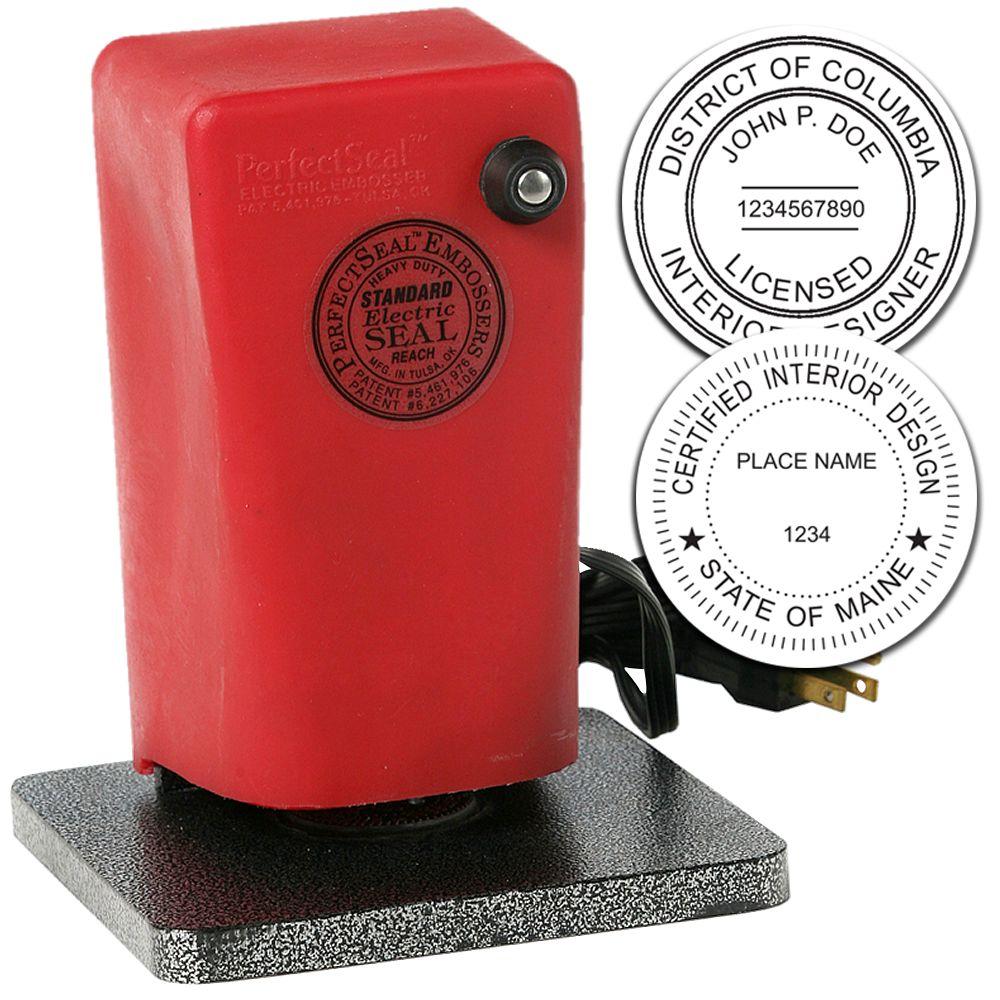
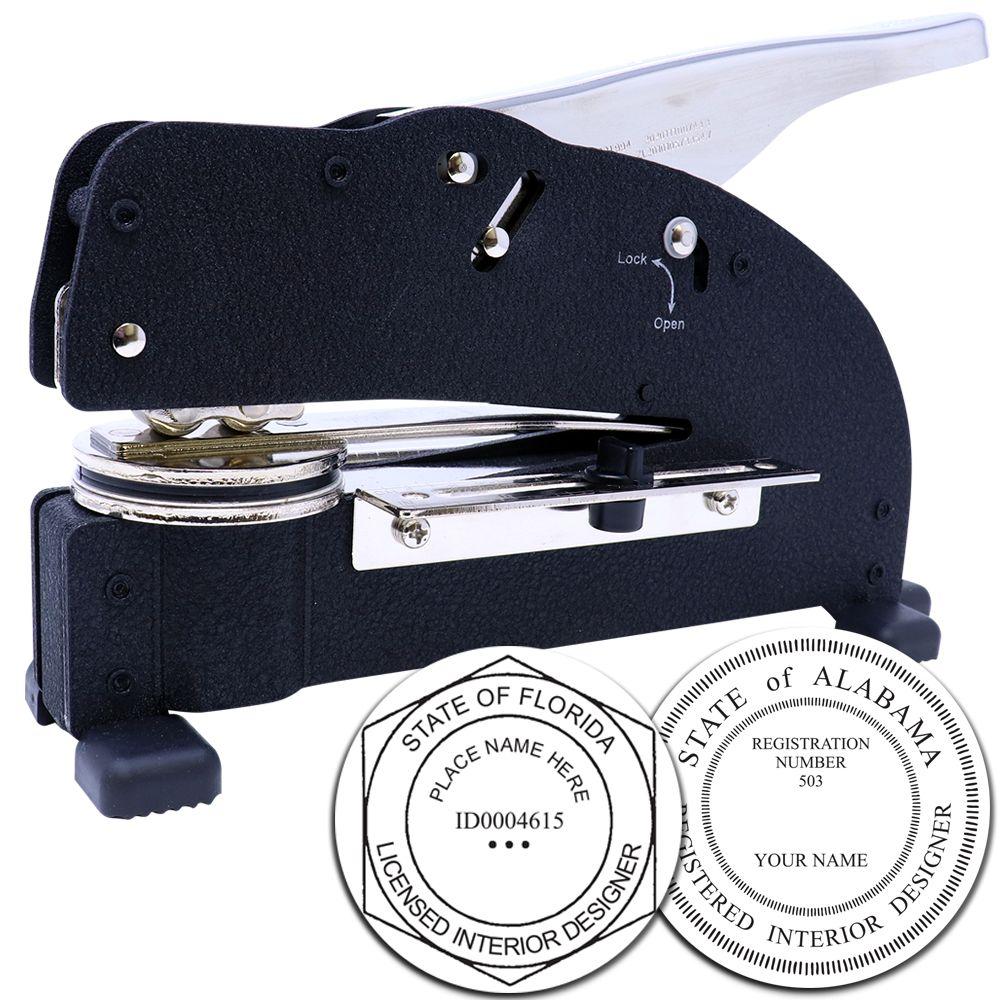

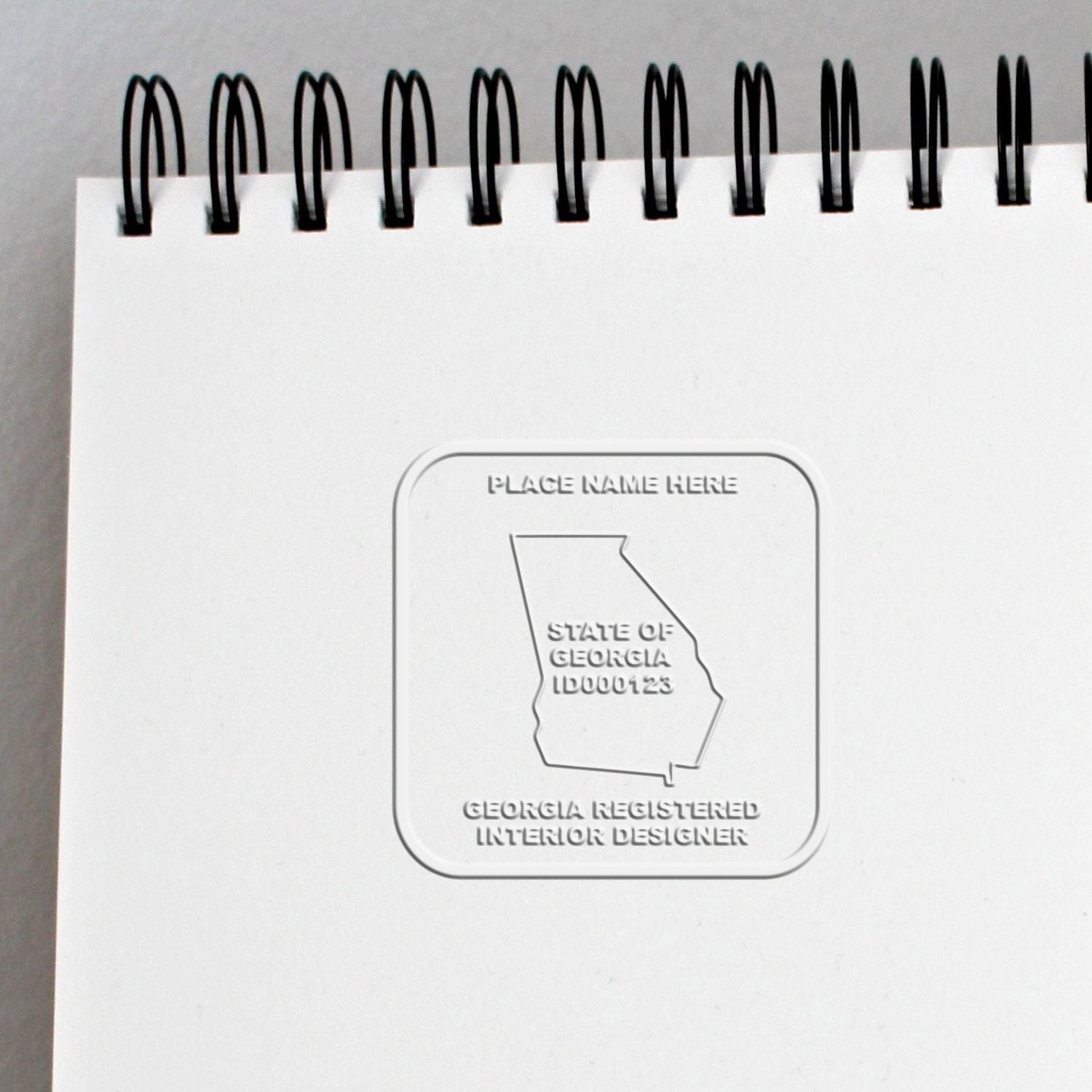
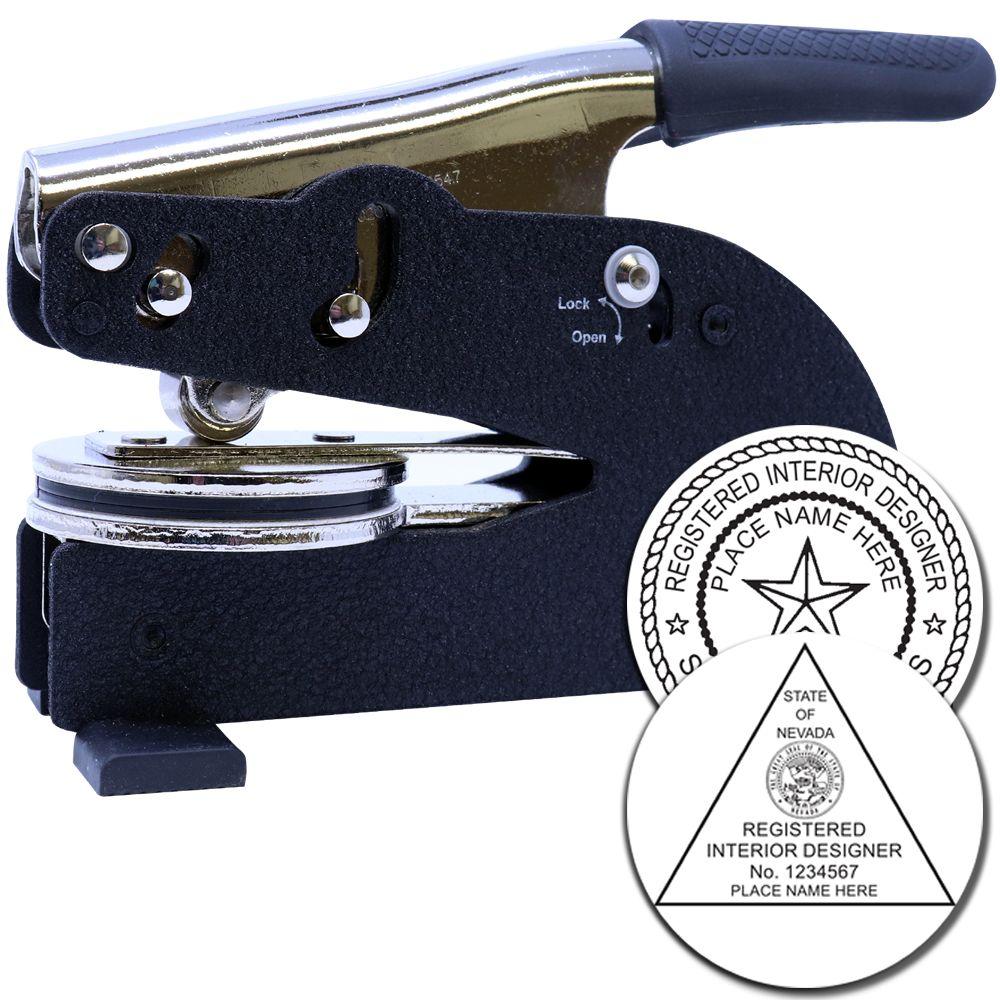

Embosser, rubber stamp or digital
Not applicable. No device is authorized because no credential exists. A Pennsylvania interior designer who wants an identification block for correspondence or drawings can carry a plain typographic name and business block, but it should not imitate the circular Pennsylvania Board designs or use the word Registered with a reference to the Commonwealth, both of which belong to credentials the Commonwealth actually issues.
Signing and dating
Not applicable. Pennsylvania prescribes no signature or dating duty for interior designers because it regulates no interior design credential. The three sealing chapters each set their own signature and dating rules: 49 Pa. Code sections 9.141(b) and 9.141a for architects, 15.33(e) and 15.33a for landscape architects, and 37.59 and 37.60 for engineers, land surveyors and geologists. None of them reaches interior design work.
Pennsylvania has three design seal chapters and none of them is interior design
The check is easy to run and worth running before anyone orders a device. Title 49 of the Pennsylvania Code, Part I, Subpart A, lists every professional and occupational board the Department of State administers. Architects sit at chapter 9. Landscape architects sit at chapter 15. Professional engineers, land surveyors and geologists sit at chapter 37. Interior design appears nowhere in that table of contents, and there is no interior design chapter to read.
Which documents must be sealed
Not applicable. Where a Pennsylvania project requires sealed documents, the seal comes from the architect or engineer of record under 49 Pa. Code section 9.141(b)(2) or section 37.59(2), not from an interior designer. An interior designer’s drawings may of course form part of a submission, but they carry no Pennsylvania seal of their own.


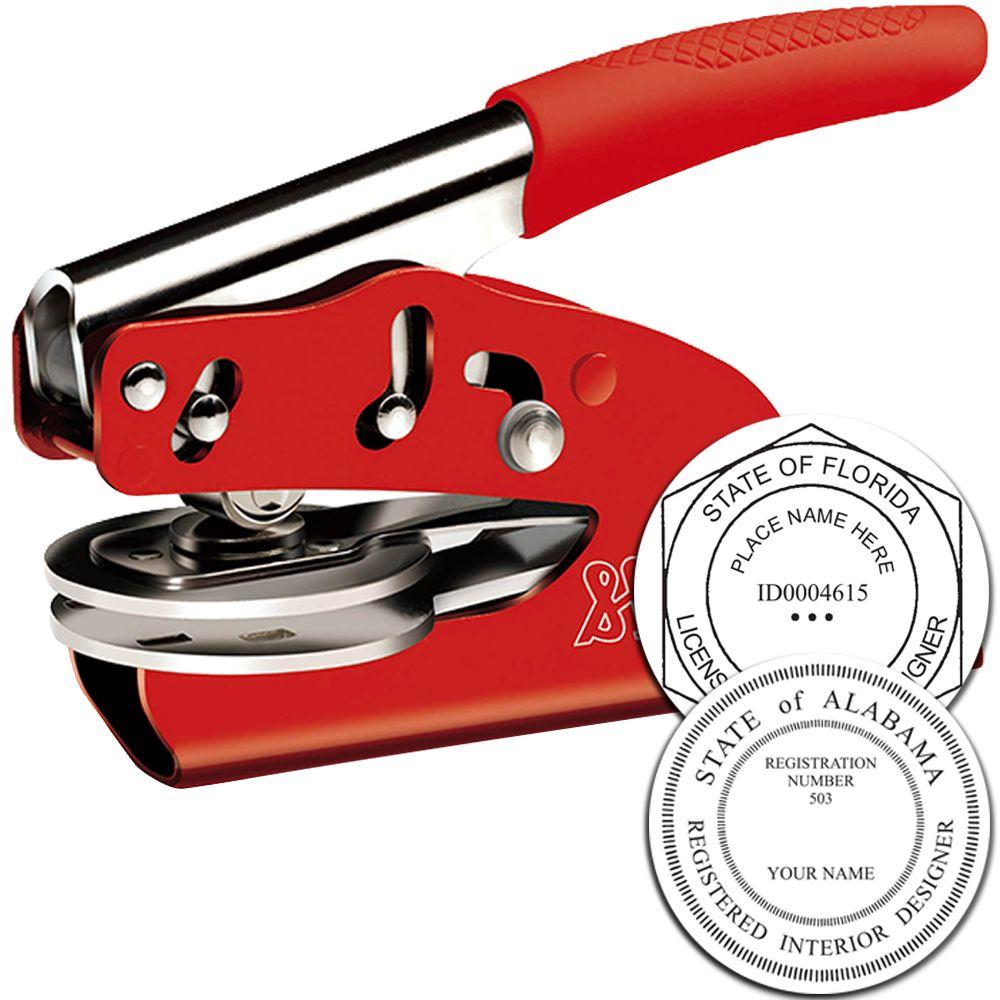

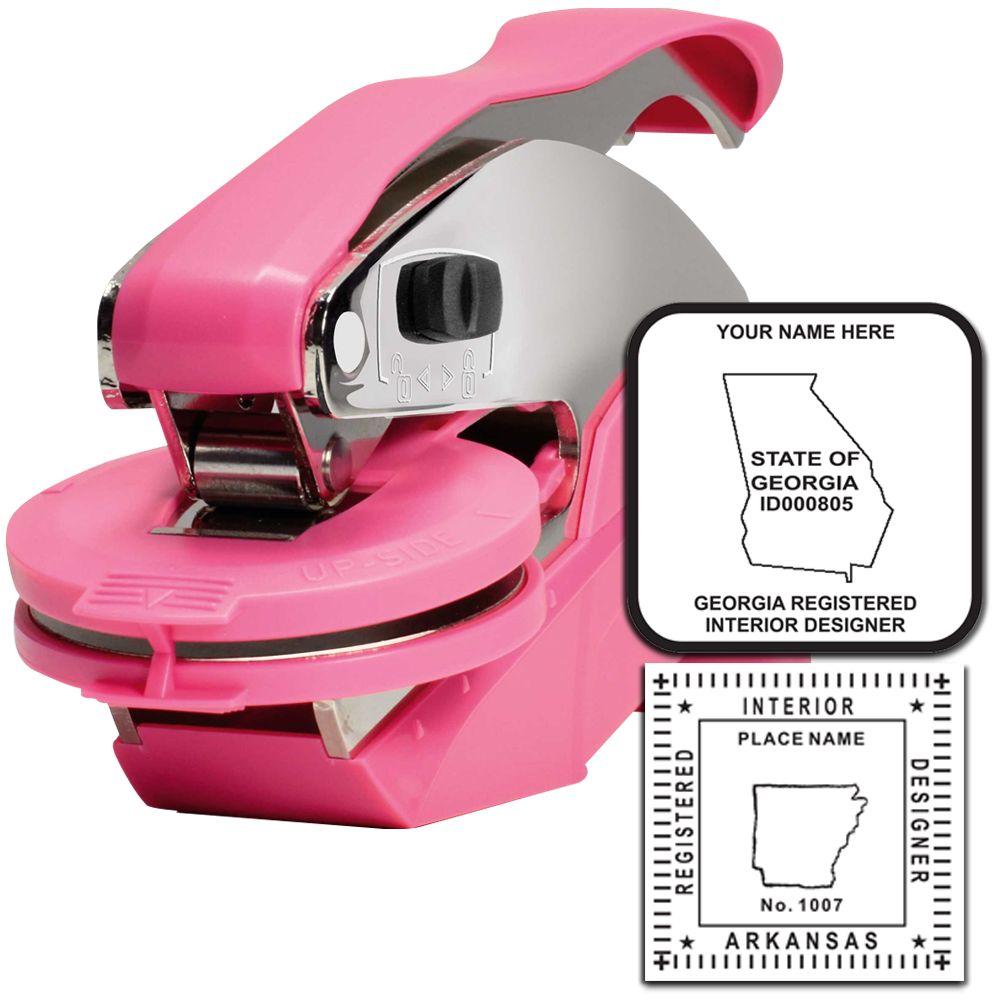

Electronic and digital seals
Not applicable. Pennsylvania’s digital sealing rules, added in the December 2022 rulemaking, are 49 Pa. Code section 9.141a for architects, section 15.33a for landscape architects and section 37.60 for engineers, land surveyors and geologists. Each governs a digital seal belonging to a Pennsylvania credential. There is no interior design counterpart because there is no interior design credential.
Renewal, lapse and retirement
Not applicable. Nothing lapses because nothing is issued. For comparison, the credentials Pennsylvania does issue run on fixed biennial cycles: architect renewal is biennial under the fee schedule at 49 Pa. Code section 9.3, landscape architect registration is biennial under section 15.34(a), and engineer, land surveyor and geologist registration expires on September 30 of every odd numbered year under section 37.19(a).
Firm requirements
Not applicable. Pennsylvania registers architecture firms, per the firm practice registration and annual firm renewal fees at 49 Pa. Code section 9.3, and controls engineering, land surveying and geology firm names through the certificate of approval of name procedure at section 37.71. There is no interior design firm registration because there is no interior design credential to register.
What to check before you order
There is no Pennsylvania interior design seal to order, because the Commonwealth issues no interior design credential. If you want an identification block for your drawings, keep it plainly typographic with your name and business name. Do not order a circular device using the word Registered together with a reference to the Commonwealth of Pennsylvania, because that form of words belongs to the architect, landscape architect, engineer, land surveyor and geologist credentials that Pennsylvania does issue, and a lookalike invites a complaint. Where a Pennsylvania project needs a sealed document, it comes from the architect or engineer of record.
Browse interior designer stamps and seals.
Frequently asked questions
Does Pennsylvania license interior designers?
No. The Title 49 Subpart A table of contents runs from chapter 1 through the fifties and names boards for auctioneers, barbers, chiropractic, crane operators, cosmetology, architects, accountancy, funeral directors, landscape architects, medicine, massage therapy, real estate appraisers, engineers, land surveyors and geologists, nursing home administrators, physical therapy, psychology and the rest. There is no interior design board and no interior design chapter. Interior design practice in Pennsylvania is open.
Is an interior designer seal required in Pennsylvania?
No rule requires one and none is prescribed. The three Pennsylvania seal regimes each fix a closed legend: Registered Architect at 49 Pa. Code § 9.141(a), Registered Landscape Architect at § 15.33(c), and Registered Professional Engineer, Registered Professional Land Surveyor or Registered Professional Geologist at § 37.58(b). Interior designer appears in none of them.
What can go on a Pennsylvania interior designer stamp?
Anything true about you: your name, your firm name, a monogram, your logo, contact details, or the exact name of a private certification such as the NCIDQ certificate from the Council for Interior Design Qualification. A plainly typographic identification block is the format that identifies you without resembling one of the Commonwealth’s circular board devices.
What should I keep off a Pennsylvania interior designer stamp?
A circular device pairing the word Registered with a reference to the Commonwealth of Pennsylvania. That form of words belongs to the architect, landscape architect, engineer, land surveyor and geologist credentials the Commonwealth does issue, and a lookalike corresponds to nothing while resembling three real things. Naming NCIDQ in plain words carries no such implication.
What size should a Pennsylvania interior designer stamp be?
Any size. The only prescribed diameter in Pennsylvania design practice is the 1-3/4 inch figure at 49 Pa. Code § 37.58(c), with a 1-1/2 inch pocket allowance, and it governs professional engineers, land surveyors and geologists. The architect chapter at ch. 9 and the landscape architect chapter at ch. 15 state no size at all, and none of the three reaches interior design.
Who seals a Pennsylvania project that needs sealed documents?
The architect or engineer of record, under 49 Pa. Code § 9.141(b)(2) or § 37.59(2). Your drawings may form part of that submission, but they carry no Pennsylvania seal of their own and no interior design device substitutes for the licensee’s.
Can I sign Pennsylvania interior design documents electronically?
Nothing constrains you. Pennsylvania’s digital sealing rules, added in the December 2022 rulemaking, are § 9.141a for architects, § 15.33a for landscape architects and § 37.60 for engineers, land surveyors and geologists. Each governs a digital seal belonging to a Pennsylvania credential, and there is no interior design counterpart because there is no interior design credential.
Does an interior design firm register in Pennsylvania?
No. Pennsylvania registers architecture firms, per the firm practice registration and annual firm renewal fees at 49 Pa. Code § 9.3, and controls engineering, land surveying and geology firm names through the certificate of approval of name procedure at § 37.71. There is no interior design firm registration, because there is no interior design credential to register.
Is there a Pennsylvania interior design renewal cycle?
None, because nothing is issued. For comparison, the credentials Pennsylvania does issue run on fixed cycles: architect renewal is biennial under the fee schedule at § 9.3, landscape architect registration is biennial under § 15.34(a), and engineer, land surveyor and geologist registration expires on September 30 of every odd numbered year under § 37.19(a).
How does Pennsylvania compare with states that do credential interior designers?
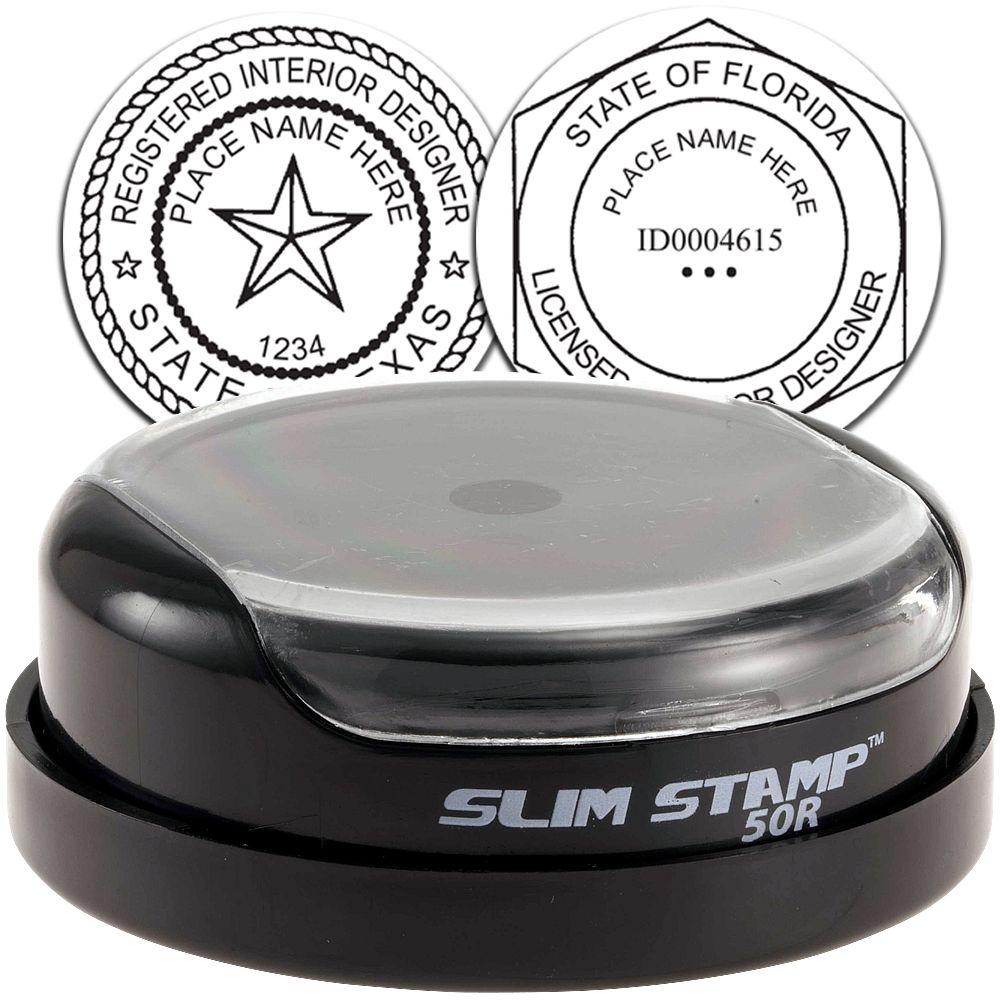
It sits at one end of a wide range. Texas registers interior designers and gives them a seal under 22 Texas Administrative Code chapter 5 subchapter F. Florida registers them and gives them a hexagonal two inch seal under rule 61G1-16.002. Illinois registers them and gives them a seal under 68 Illinois Administrative Code § 1255.45. New York certifies them and requires a manual signature but no seal. California recognizes a Certified Interior Designer with a stamp issued by a private council. Pennsylvania does none of these, which is why a device brought in from another state has no standing here.








