
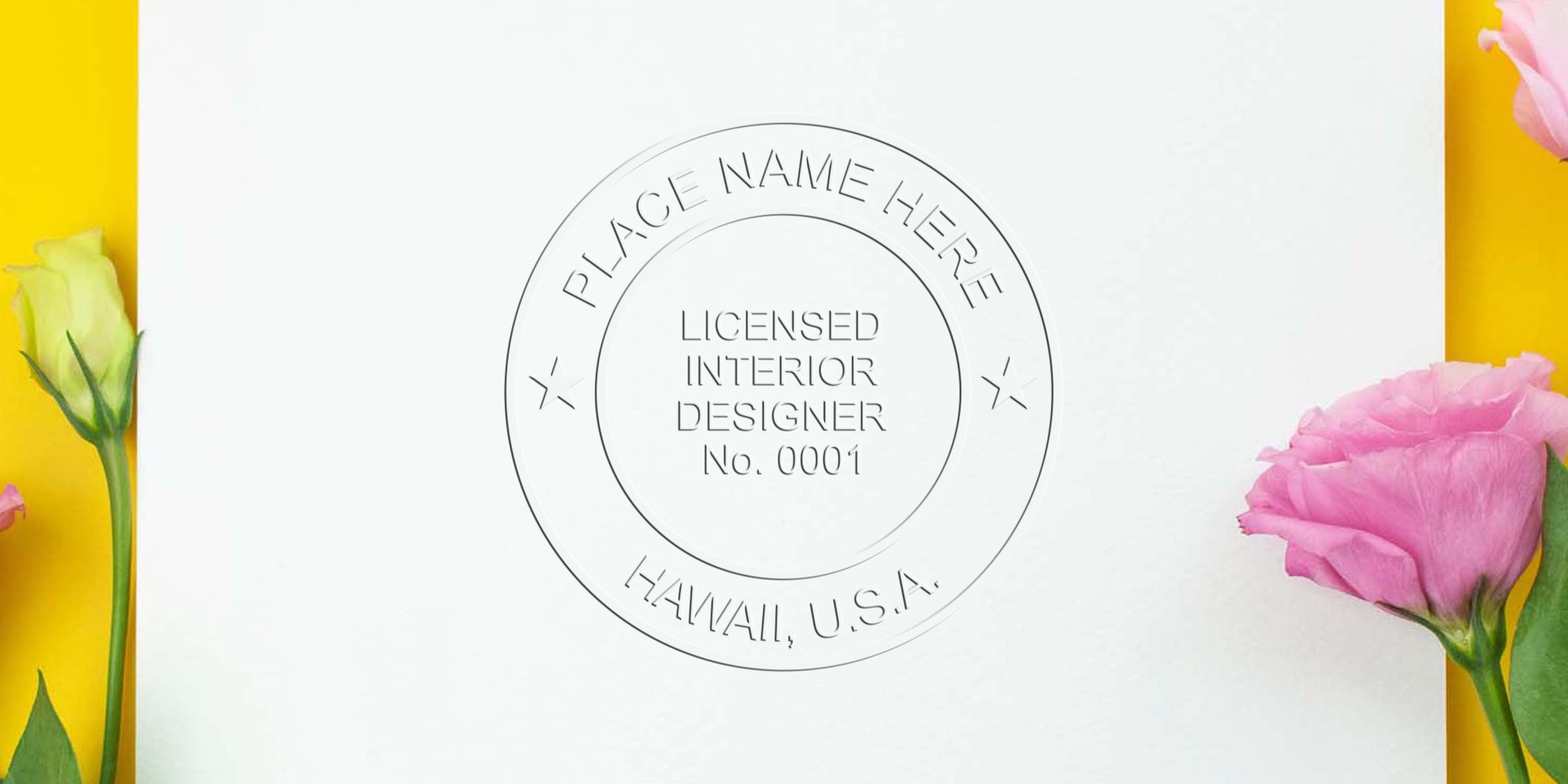
Understand Hawaii Interior Designer Seal Guidelines
Picture this: you’re in the midst of planning a gorgeous living space for a client, and you suddenly realize you need more than just a knack for colors and fabrics. You also need clarity on official requirements for your professional seal. That’s where Hawaii Interior Designer Seal Design Guidelines come in. They’re not just a technical detail. They’re an important part of being a licensed professional in the Aloha State. In this article, we’ll explore what you need to know, from typical design elements to proper usage and common pitfalls.
Why You Need an Official Seal
Your Hawaii interior designer seal isn’t just a decorative stamp. It affirms your credibility in front of clients, regulatory agencies, and project collaborators. Think of it as your professional signature that conveys, “I’m qualified to make these design decisions.”
- It assures clients that you operate under Hawaii’s regulatory standards.
- It helps contractors confirm that your plans are legitimate, especially for large or complex projects.
- It protects your own professional reputation by showing you follow local rules and guidelines.
The Role of Stamps and Seals
You might wonder, why does a little piece of rubber and ink matter so much? The short answer: your stamp or seal is a legal mark. The minute you place it on a blueprint or set of design documents, you’re claiming responsibility for the design. It essentially says, “Yes, I stand behind this plan.” If there’s any dispute or question later, your seal can come under scrutiny. That’s why the design and use of the seal is heavily regulated.
Overview of Seal Requirements
Hawaii has set specific rules to govern how your seal is created and used. That’s where your knowledge of the “hawaii interior designer seal design guidelines” truly becomes essential. If you’re unfamiliar with the state’s official standards, it’s easy to make a mistake. Below, we’ll break down the main requirements to watch for.
Key Elements of a Hawaii Interior Designer Seal
-
Shape and Size
Most seals will typically be circular. However, the exact diameter might be specified by state regulations. Generally, you’ll find a seal size in the range of 1⅝ to 2 inches in diameter, enough to be visible and legible on printed documents. -
Text Requirements
Your seal often includes your name, professional title, license number, and the phrase “State of Hawaii.” The wording must be clear enough to prevent any confusion about your credentials. -
Legibility
You’ll want a crisp imprint every time. If the text or lines become fuzzy, it may not be accepted as an official seal. Proper care of your stamp or embosser is key. -
Design Consistency
The final look has to comply with Hawaii’s guidelines. Since requirements can change over time, make sure you’re working from the most current standards.
Steps to Design and Format Your Seal
Designing your seal can feel like a process. But if you break it down, it’s much easier to avoid missteps.
-
Get Current Regulations
First, verify you have the most up-to-date design guidelines. Laws can change, and you don’t want to craft your seal around an outdated rulebook. You can usually find this info on Hawaii’s official board for professional licensure or through official state websites. -
Choose the Right Vendor
Picking the wrong supplier could mean poor-quality materials or an incorrect design. You want someone who understands “hawaii interior designer seal design guidelines.” At hawaii interior designer stamp requirements, you can find details on what your stamp should include. Meanwhile, Acorn Sales has specialized in professional seals and stamps since 1964, making them a trusted resource. -
Check Your Layout
Before you finalize your order, review the placement of your name, title, license number, and the state designation. Something as small as a misplaced dash could render your seal non-compliant. -
Confirm a Digital Option
In an increasingly remote world, you may also need an electronic or digital version of your seal. This is especially helpful if you submit plans electronically. At Acorn Sales, you receive a free digital seal with every physical order, which can save you time and hassle. -
Request a Final Proof
Once everything is laid out, ask for a proof of your seal. Take a moment to scan every word, letter, and line. If it looks great, give it the green light.
Approved Usage Scenarios
Knowing when and where to use your seal can feel a bit murky. But there are a few common situations in which an official seal is expected, or at least strongly recommended.
Sealed Project Documents
That luxurious condo remodel you’re designing? If local permits or regulatory approval are required, your final construction plans often need your official seal. The same goes for smaller renovations if the local authorities request a stamped plan.
Client Presentations
Some commercial clients insist on a sealed set of drawings before they’ll sign on the dotted line. It reassures them that you’re meeting Hawaii’s professional standards. In other words, it makes them more confident in hiring you.
Digital Submissions
If you’re sending designs via an online portal, a digital stamp or seal might be required to indicate the plans have been prepared or supervised by a Hawaii-licensed interior designer. Always double-check the submission guidelines to avoid having your documents rejected.
Pitfalls and Mistakes to Avoid
It’s easy to slip up if you’re unfamiliar with the nuances of Hawaii’s interior designer seal rules. Here are several common errors to sidestep:
-
Using an Expired License
If your license lapses, even your perfectly designed seal becomes invalid. Keep your licensure up to date. -
Illegible Mark or Low-Quality Ink
Smudgy, light, or barely visible seals risk getting kicked back by reviewers. -
Wrong Text
Insert your full legal name and correct license details. Nicknames or shortened versions might not meet requirements. -
Failure to Track Changes
If Hawaii updates regulations and your old seal design falls out of compliance, you need to adjust to the new specs right away.
Care and Maintenance of Your Seal
You’ve invested in a professional stamp or embosser. Proper care is essential so that it remains in good shape:
-
Store It Safely
Keep your seal in a dry area, away from direct sunlight or extreme temperatures. This preserves the rubber portion and ink pad. -
Clean the Imprint Area
If you notice ink buildup or stray fibers, gently wipe the metal or rubber surface with a soft, lint-free cloth. -
Re-Ink as Needed
Over time, your stamp’s ink pad will dry out. Re-ink it periodically for a crisp, clear impression. -
Test on Scrap Paper
Before stamping important documents, give it a quick run on a test page. This ensures you don’t ruin official paperwork with a blotchy mark.
Where to Get Your Seal
You might ask, “So, who do I trust for my Hawaii interior designer seal?” That’s a fair question. With many online shops offering stamps and seals, it’s tough to know which is right for you. The key is to pick a company with a solid history and a good reputation.
Acorn Sales: Trusted Since 1964
At Acorn Sales, you’ll find a track record of reliable craftsmanship and attention to detail. They understand local requirements, including those in Hawaii. Plus, you get a free digital seal with every order, which can be a lifesaver if you’re frequently submitting plans online. Here’s why they’re a go-to option for many interior designers:
- Over 60 years in business, so they’ve seen regulatory changes come and go.
- Easy online customization tools, so you get a correct seal without headaches.
- Digital seals included, which simplifies remote submissions.
- Friendly support if you have questions or need guidance on Hawaii’s specifications.
Comparing Physical vs. Digital Seals
You may wonder if you should even bother with a physical seal when so much of today’s work is done digitally. There’s a place for both formats, though, especially in Hawaii.
| Format | Pros | Cons |
|---|---|---|
| Physical Seal | - Tangible proof of authenticity | - Requires in-person use or shipping |
| - Immediately recognizable for local offices | - Can degrade over time if not maintained | |
| Digital Seal | - Ideal for remote or online submissions | - May require additional software |
| - Easily updated if guidelines change | - Some clients still want physical copies |
Ultimately, you’ll likely want both. That way, if your client’s municipality insists on a stamped hard copy, you’re ready. And if an online portal demands a digital signature, you’ve got it covered too.
Double-Checking Your Compliance
Before you finalize any official document, do a quick self-audit:
- Have you placed your seal on every necessary page?
- Is your license number clearly visible and accurate?
- Have you included “State of Hawaii” or a similar required label?
- Is your seal distinct and legible enough for scanning or photocopying?
A ten-second compliance check can spare you from a lengthy re-submission process.
How to Update an Outdated Seal
Rules can change, or maybe you got married and changed your last name. When your seal no longer matches your current credentials, you must update it. Follow the same process you used initially:
- Check current guidelines.
- Revise the text to match your new name or updated license details.
- Review the design again for compliance.
- Order a new seal from a trusted vendor like Acorn Sales.
- Dispose of your old seal securely, so it can’t be misused.
Best Practices for Using Your Seal
It’s wise to adopt a few habits to make sure you’re always on top of your sealing game:
-
Maintain a Sealing Log
Jot down the date, project name, and reason for sealing. This can be helpful if any questions arise. -
Don’t Overuse the Seal
Only stamp or emboss pages that genuinely require authorization. Using it excessively dilutes its importance. -
Educate Your Team
If you work alongside junior designers or admin staff, explain when a seal is required. That way, you don’t risk unauthorized use. -
Stay in the Know
Periodically check for rule updates. The moment Hawaii changes a requirement, you need to adapt.
Quick Recap
- Your Hawaii interior designer seal proves your professional credibility.
- Think about size, shape, legibility, and text to meet official guidelines.
- Use your seal on project documents, especially for permit approvals and client sign-offs.
- Avoid mistakes like inaccurate text, expired licenses, and poor-quality ink.
- Keep your seal well-maintained, and order from a reliable supplier like Acorn Sales, in business since 1964.
Sealing your documents properly shows that you value your work and respect Hawaii’s administrative processes. You’re not just ticking boxes, you’re building trust with clients and collaborators.
You’ve now got a solid understanding of the rules behind Hawaii interior designer seals, plus some valuable resources to ensure you’re always compliant. Go ahead, confidently design or refresh your professional seal. And remember, if you need a trusted partner, Acorn Sales is here to help you every step of the way. Happy designing!
Frequently Asked Questions
Do I Need a Separate Stamp and Embosser?
Not always. You can choose whichever form suits your style, as long as it meets Hawaii’s guidelines. An embosser creates a raised impression, whereas a rubber stamp uses ink. Both are acceptable when done correctly.
How Do I Know If I’m Using the Right Size?
Check your local regulations. Most specify a range of acceptable diameters, typically around 1⅝ to 2 inches. When in doubt, go with the standard size recommended by your supplier.
Can I Customize the Design of My Seal?
Generally, custom flourishes aren’t allowed if they conflict with official guidelines. You have some freedom with fonts or minor layout tweaks, but the essential text and shape requirements must remain intact.
What If My License Number Changes?
You’d need to update your seal. Old seals become invalid once you have a new license or number. Destroy your outdated seal or store it in a secure place to prevent misuse.
Is an Electronic Seal Legally Valid?
In Hawaii, a digital seal can be valid as long as you comply with electronic document submission rules. Make sure it’s clearly recognizable and meets the same text requirements as a physical seal.








