
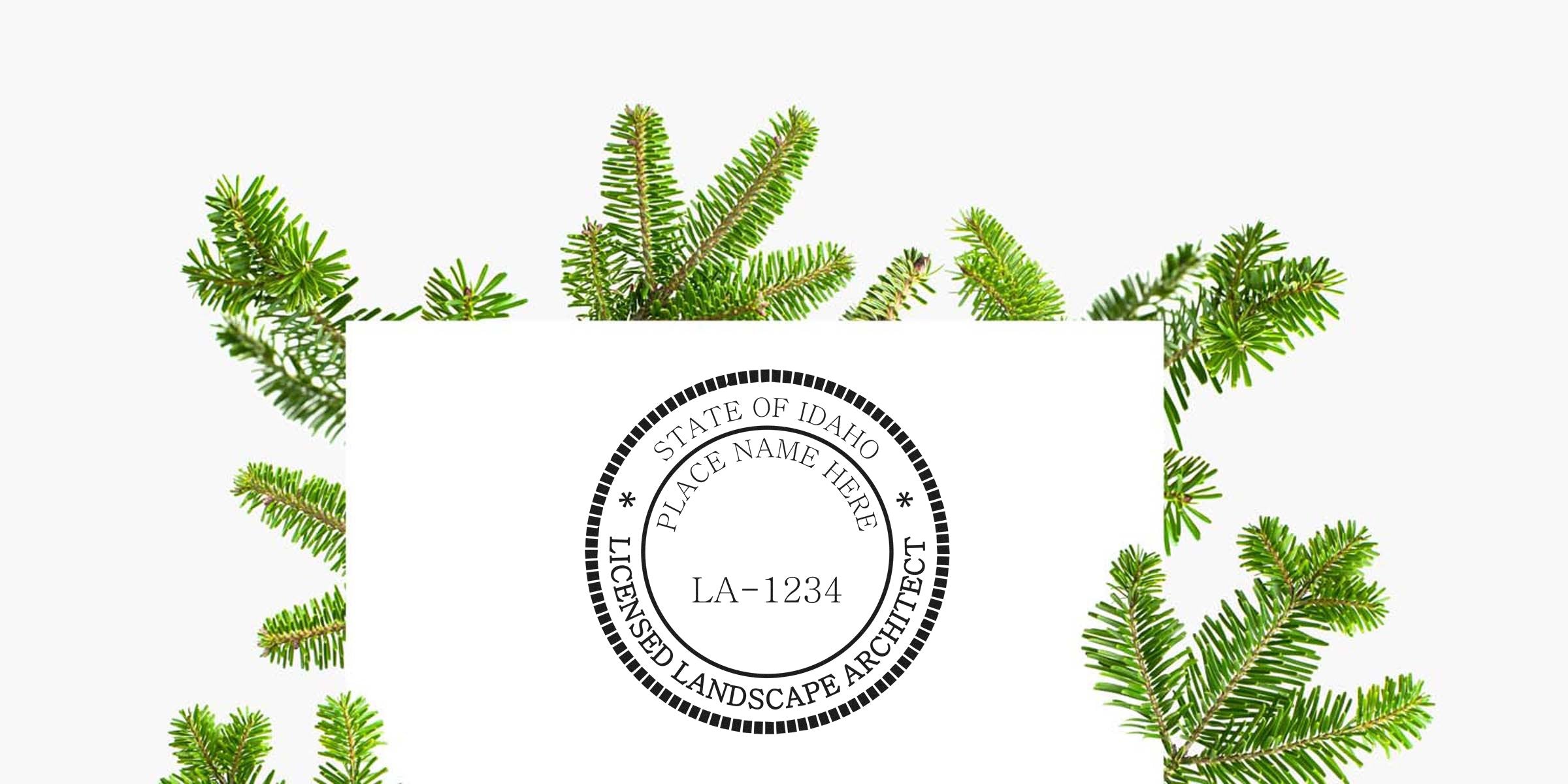
You’re probably here because you’ve heard that every licensed landscape architect in Idaho must use an official seal, and you want the real scoop on Idaho landscape architect stamp size. It’s a small detail, yet it packs a regulatory punch. By understanding Idaho’s requirements and choosing the right stamp, you’ll streamline your paperwork, meet professional standards, and make your life easier when project deadlines hit. Let’s walk through the essential info so you can check your stamp off the to-do list.
Know The Stamp Essentials
A landscape architect stamp in Idaho shows that you’re authorized to practice, and it certifies your project documents. Think of it like a personal signature for formal drawings. Without it, your plans might not pass regulatory reviews, and that can lead to delays or even refusal of your project submissions.
- The stamp displays your name and license number.
- It highlights the state of Idaho.
- It must be legible and consistently applied.
Here’s the thing: clients, contractors, or local boards often look for that stamp before they do anything else. If it’s missing, they might question your credentials. That’s why you want a stamp that’s easy to read and properly sized. You won’t want to scramble at the last second because the design was too large, too small, or simply wouldn’t fit.
In Idaho, you’ll also see references to a seal or embossing mechanism. Whether you opt for an inked stamp or an embosser that creates a raised impression, it still has to meet Idaho’s professional guidelines. Consider your typical workflow. If you’re the kind of person who needs quick stamping right at your desk, an inked stamp might be more convenient. If you want a more formal touch for high-profile projects, an embosser could provide that classic flair.
Clarify Idaho Stamp Size Rules
When it comes to official documents, size matters. While your creativity might run wild with design, the Idaho board wants a standardized stamp that follows specific sizes. In many cases, you’ll see a two-inch diameter recommended—or even mandated—for official stamps.
Official guidelines typically indicate:
- Minimum diameter: often around 1.5 inches.
- Common standard: around 2 inches.
- Must be legible for scanning, photocopying, and record storage.
Double-check that you’re not veering beyond the accepted limits if you pick a size that’s bigger than two inches. You want clarity, but an oversized seal might crowd critical information on your sheets. Meanwhile, a too-small stamp risks smearing or looking cramped. Always confirm the officially stated inch measurement with your local board, since these rules can be updated from time to time.
If you’re unsure, contact the Idaho board or consult trusted suppliers who keep track of any shifts in state requirements. They can guide you through the best dimensions for your stamp. Don’t be afraid to ask questions: clarifying your Idaho landscape architect stamp size now sets you up for fewer hiccups later, especially if your project timeline is tight.
Configure Your Stamp Format
Once you know the size, the next decision is format: rubber stamp, self-inking stamp, or embosser. Each option comes with its own perks:
-
Rubber Stamp
- Requires a separate ink pad.
- Usually the cheapest and simplest.
- Ideal if you don’t stamp documents too frequently.
-
Self-Inking Stamp
- Has ink built in.
- Delivers a clean image every time without re-inking.
- Speeds up workflows when you need consistent stamping.
-
Embosser
- Creates a raised impression.
- Often used on official or decorative documents.
- Works well if you want a more professional “feel” on certain materials.
Think about how many times a day you need to certify plans. If you’re quickly signing multiple sets of drawings, the self-inking route might be a lifesaver. If you’re going for a formal presentation, an embosser makes a polished statement.
Also, keep readability in mind. If you’re stamping text over a busy section of your drawing, consider how bold or subtle you want the imprint. A black ink stamp generally stands out more, while an embosser can be elegant but might not show up well on photocopies unless you carefully highlight it.
Order From A Trusted Source
There’s one important factor you shouldn’t overlook: picking the right supplier. A subpar stamp won’t just look sloppy, it might leave you wrestling with unclear lines that get your documents rejected.
Acorn Sales has been in business since 1964, providing Idaho Landscape Architect stamps and seals that are built to last. If you want a Idaho Landscape Architect Stamp that meets current regulations and consistently produces a crisp impression, they can help. Plus, they offer a free digital seal, a handy bonus that you might need for electronic submissions.
As you shop, pay attention to:
- Quality of materials: High-grade rubber, durable handle, or metal frame.
- Customer reviews: A good supplier should have positive feedback.
- Options for customization: Are you able to add your license number clearly?
Many architects find that investing in a top-quality stamp cuts down on wasted time and frustration. You won’t have to keep reordering because the handle broke or that elaborate lettering bled together. A reliable supplier knows the real guidelines for your profession and won’t sell you something non-compliant.
Use Your Seal Confidently
You’ve got your seal in hand, ready to verify your drawings and documents. But how do you ensure each application meets the professional standard? There are a few best practices that keep your plan sets tidy and credible.
-
Test on scrap paper
- Before you stamp official sheets, give it a quick test run on plain paper. Check for clarity and alignment.
-
Position for visibility
- Stamp near your signature or relevant design section, but avoid overshadowing important plan details.
- Make sure it doesn’t smear into a title block or text.
-
Keep your stamp clean
- If ink builds up, gently wipe it off.
- Store it in a protective case or upright position so surfaces stay dust-free.
-
Renew your license on time
- That stamp is only valid if your license is active.
- Address any renewal conflicts promptly to stay compliant.
Also, remember to remain consistent throughout a project’s documentation. Placing your stamp haphazardly or using varying ink colors on different pages might confuse building authorities who review your work. Consistency shows attention to detail and respect for guidelines.
Your stamp itself doesn’t expire, but your license does. As soon as your license becomes inactive, you must stop using that stamp. Once you renew or reactivate your license, you can resume stamping your plans, assuming all information on the seal remains accurate.
Feel free to keep this list handy or pass it along to any new hires in your firm. It’s a good reference point if they ever question the ins and outs of stamping their designs.
Following Idaho’s rules for your official seal might feel like just another to-do on your daily checklist, but it’s essential for credibility and compliance. By securing the properly sized stamp, confirming the right format, and ordering from a trustworthy supplier like Acorn Sales, you’ll clear another hurdle in your practice. Stamp away with confidence, and keep delivering those meticulously crafted designs without worrying about rejections or do-overs.
Frequently Asked Questions
Can I Customize The Stamp With A Personal Design?
It’s best to keep the design much like the state board’s template. Your name, license number, and “State of Idaho” typically appear in a circle or circular layout. Adding extra graphics, like logos or promotional art, can create confusion and might not meet official specifications.
Do I Need An Embosser And A Rubber Stamp?
Not necessarily. Many professionals like having both, but Idaho typically only requires that you have a seal meeting size and clarity rules. An embosser offers a raised imprint for physical documents, while a rubber stamp (or self-inking stamp) can speed up your day-to-day approvals.
What If The Board Changes The Stamping Rules?
Check official Idaho regulations periodically to see if the stamp size or design standard has changed. Suppliers like Acorn Sales stay updated on new regulations. That’s one reason it helps to order from a source with decades of experience, so you don’t have to scramble for last-minute fixes.
Can I Use A Digital Seal On PDF Plans?
Electronic submissions are increasingly common, and many regulatory bodies allow or encourage a digital seal, provided it’s up to code. Acorn Sales offers a free digital seal alongside your physical stamp, so you can streamline your digital workflow. Always verify your local electronic submission rules for final approval.








