
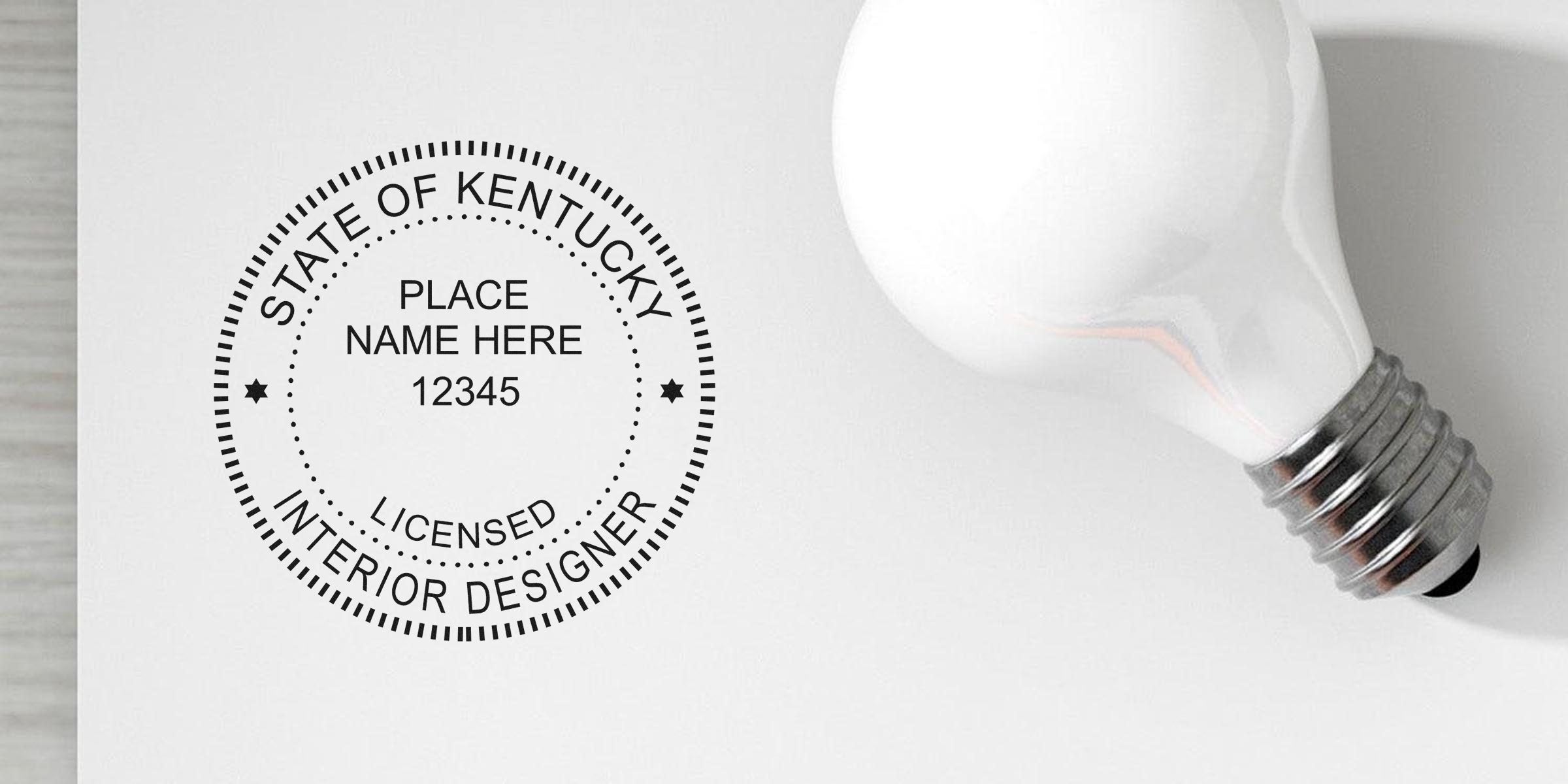
Understanding the exact requirements for your Kentucky interior designer stamp can sometimes feel confusing. You might be asking yourself: “What is the correct Kentucky interior designer stamp size?” Because each state lays out specific guidelines, choosing the right size and format ensures your professional documents remain valid. As an interior designer, you juggle creative tasks, client relations, and compliance with local regulations, so let’s break down what you need to know to keep the process hassle-free.
Below, we’ll explore how Kentucky’s guidelines typically shape your stamp’s dimensions, why these measurements matter, and how to choose a design that meets official standards. You’ll also find practical tips on selecting the best stamp type, plus insight into how Acorn Sales supports interior designers like you with reliable products and a free digital seal. Let’s dive in.
Understand Why Stamp Size Matters
You’ve probably heard that a professional stamp is more than just a fancy ink mark. It validates your work, shows your commitment to quality, and proves you have the credentials to practice as an interior designer in Kentucky. This small piece of equipment carries a lot of legal responsibility.
- A correct stamp size conveys professionalism and compliance.
- It proves that you respect Kentucky’s interior design regulations.
- It ensures your construction documents or layout plans pass inspections without pushback.
When you submit documentation to clients, builders, or reviewers, you want everything to look uniform. A mismatched or unclear stamp size might cause confusion or even rejection of your documents. Proper sizing keeps everything neat and helps local officials quickly verify that your stamp meets state rules.
Review Typical Dimensions For Kentucky
Kentucky, like many states, usually has standardized formats for professional seals or stamps. These size restrictions make sure your credentials remain clearly readable. While official resources are the best place to double-check each detail, here are some general guidelines you’ll often see discussed in professional circles:
- Many state boards accept stamps that measure around two inches in diameter. This size is common enough to neatly display your name, license number, and other essential details.
- Others may allow a slightly smaller or larger dimension, anywhere from 1⅝ inches to 2 inches, as long as the text remains legible.
Of course, these guidelines can evolve over time. You might find minor variations on exact measurements, so always confirm the latest Kentucky standards. If you’d like to see the bigger picture, take a quick look at the Kentucky Interior Designer Stamp Requirements. That page covers the basic rules for your state and provides more insight into the final look of your seal.
Verify The Official Layout
Stamp size is only one piece of the puzzle. The stamp’s layout, lettering, and border style also factor into whether your seal is accepted. Here’s what you typically need to ensure:
- Clear Annular Border: Many Kentucky interior designer seals feature a circular border. Your name often goes around the top curve, while “Kentucky” or “Registered Interior Designer” appears around the bottom.
- Legible Font Size: This is where the diameter matters. If the stamp is too small, the lettering can become cramped and unreadable. If it’s too large, it might not fit neatly on standard drawings.
- License Number Placement: Some states require the license number to be in the center of the seal, while others allow it just below your name. No matter where it goes, make sure it’s easy to see.
Taking time to confirm these details helps you avoid reordering stamps or reprinting documents down the road. It’s a simple step that can save you extra headaches when you’re juggling multiple projects.
Ensure Your Stamp Is Clearly Visible
When preparing official documents, you want a crisp imprint so that the authorities see every detail: your name, the words “Interior Designer,” and the state name. That imprint’s clarity depends on both stamp quality and correct stamp size. Here are a few tips to keep everything legible:
- Choose a high-contrast ink color (often black or dark blue) so your stamp stands out on architectural drawings.
- Test the stamp a few times on scrap paper. Check that each letter is distinct and the circle is uniform.
- Store your stamp in a cool, dry spot. Excess heat or moisture can affect both rubber and ink, making it blur or fade quicker.
A faint or smudged stamp imprint can raise questions about authenticity. By double-checking that your stamp is printing properly, you maintain a professional look and streamline your project approvals.
Pick The Right Stamp Format
You’ll find various stamp formats out there, from traditional rubber to modern self-inking. Each style has its pros and cons, but whichever you choose should maintain the needed Kentucky interior designer stamp size.
Self-Inking Stamps
If convenience ranks high on your list, consider self-inking stamps. These have a built-in ink reservoir, so you won’t need a separate pad. The ink is re-inked automatically, which typically yields a consistent and sharp impression. In a busy design office, this simplicity can keep your workflow moving:
- Fast and efficient for high-volume usage.
- Generally clean, without a messy ink pad.
- Available in round shapes that meet Kentucky design requirements.
If you create frequent documents or plans, you’ll likely appreciate how quickly self-inking stamps speed up your process.
Pre-Inked Stamps
Pre-inked stamps hold ink within the stamp’s surface. When you press down, the ink seeps out, creating a crisp imprint. These stamps often produce highly detailed impressions, which can be helpful if your seal contains intricate lines or smaller text:
- Tends to offer the sharpest impression.
- Perfect for detailed stamps with multiple lines of text.
- Often comes with a soft grip or easy press handle.
Pre-inked stamps are slightly more expensive, but they usually last longer before needing a refill. If you’re aiming for maximum quality, this format could be a solid choice.
Traditional Rubber Stamps
Old-school rubber stamps require a separate ink pad. You press the rubber face into the pad, then onto your project. Although they involve more steps, some designers prefer the nostalgic feel, while others like having full control over ink saturation:
- You can choose any color pad you want.
- Typically a bit more budget-friendly.
- Simple to replace if the rubber wears out.
Still, you’ll want to confirm that your rubber stamp maintains the proper Kentucky interior designer stamp size. Rubber stamps can be slightly more prone to faint impressions if you don’t apply even pressure.
Embossing Seals Vs. Ink Stamps
Although an ink stamp is often the go-to, you might also consider an embossing seal. Instead of ink, embossers press a raised impression into the paper, giving your documents a tactile look. This approach can add a sense of prestige, but you’ll need to decide whether your local regulations allow an embossed-only seal or require ink.
- Embossers help prevent forgery because the raised imprint is harder to replicate.
- Some states don’t consider an embossed seal alone to be legally sufficient, so confirm the rules.
- Make sure the embossed text is easy to read, especially if you’re shipping documents or making copies.
For official Kentucky forms or certain digital workflows, an embossing seal might be a nice complement to your ink stamp. You can keep both on hand for different occasions or client preferences.
Confirm Compliance With Kentucky Rules
Earlier, we touched on how states set guidelines for professional stamps. Kentucky is no exception. It’s wise to periodically check the Kentucky Board related to interior design, just in case of any regulatory updates or changes. The last thing you want is to discover mid-project that your stamp is no longer acceptable.
Here are a few proactive steps:
- Bookmark the state’s official website for interior designers, so you can quickly look up current mandates.
- Keep track of renewal cycles. Some states update license or seal requirements when a new licensing period starts.
- Ask colleagues or fellow designers about any new rule changes, because word of mouth can be faster than official announcements.
Remember to cross-reference the official instructions to ensure you have the latest on Kentucky interior designer stamp size, because stamped drawings are typically subject to close scrutiny by county offices or regulatory bodies.
Save Time With Digital Seals
In today’s digital world, designers often email or upload documents, which means your stamp might sometimes need to appear in PDF format. A digital seal is essentially an electronic version of your physical stamp. It carries the same official elements—your name, license number, and state designation. Many professionals appreciate having both a physical stamp and a digital version handy.
- A digital seal can speed up your approvals when clients or agencies require electronic submissions.
- Consistent sizing in your digital seal ensures your stamp remains recognizable, even on a screen.
- Some states allow or even encourage digital stamping, provided it meets security standards to prevent unauthorized use.
At Acorn Sales, we offer a free digital seal when you purchase a physical stamp. This extra perk helps you tackle both paper and electronic documents without any added cost or hassle. However, always confirm that your local jurisdictions accept or prefer digital seals before relying on e-signatures or PDF stamping.
Acorn Sales: Your Trusted Supplier
If you’re curious about where to get your Kentucky interior designer stamp, we would love for you to consider Acorn Sales. We’ve supported design professionals since 1964, so we understand how important it is to get these details right the first time. With decades of experience in providing high-quality stamps, seals, and customer service, we’re all about making your ordering process as smooth as possible.
What sets Acorn Sales apart?
- We’ve been in business since 1964. Our legacy means we’re well-versed in state-specific guidelines, ensuring your stamp meets Kentucky’s current standards.
- Free digital seal is included with your physical stamp purchase. That alone can save you both time and money.
- We prioritize clarity. Every piece of text on your seal is carefully spaced for easy visibility.
- Our customer service team is friendly and responsive. If you have questions, we’ll walk you through each step, from verifying your license number to finalizing your design.
So if you want that perfect blend of compliance, convenience, and expert support, Acorn Sales is here for you.
Utilize Your Stamp Effectively
Owning the right stamp is step one. Knowing when and how to use it can save you from unexpected holdups. These are some suggestions for applying your stamp effectively:
- Stamp every official document that requires your signature. This might include floor plans, specification sheets, and certain client proposals.
- Use consistent placement in the same general area on each sheet. This habit makes it simpler for reviewers to spot.
- Keep a record of all attempts at stamping, especially if you run multiple versions of a document. Any minor changes could require a fresh seal.
- Check your imprint at least once a month. If the image starts to fade, replace or re-ink your stamp right away.
The stamp is a handy tool, but it’s also a key part of your professional responsibilities. Treat it with respect, maintain it with care, and consider storing it in a secure place to prevent misuse.
Stay Organized With A Stamp Log
Whether you manage a large design firm or run a small solo practice, it’s brilliant to keep a simple log of all sealed documents. Think of it like a diary for your stamping activities:
- Date of stamping.
- Project name or reference number.
- Document type (blueprints, specification sheets, etc.).
- Any notes on stamp quality or changes needed.
This log will quickly show you if something goes astray, like a mismatch in your stamp’s appearance or an unintentional omission of certain pages. It also helps if a client or inspector calls later asking for proof of which documents you officially sealed.
Consider Any Ongoing Updates
Like all states, Kentucky can update interior design rules depending on legislative changes or new standards in the industry. So remain flexible and prepared. Try:
- Subscribing to state newsletters, if available.
- Checking professional organizations or boards for announcements.
- Chatting with mentors or industry peers, because networking often grants you early news.
When regulations do change, hopefully they won’t drastically alter the required Kentucky interior designer stamp size, but it’s wise to confirm so that you don’t order the wrong item. Staying informed keeps your practice agile and helps ensure you never have to redo work unnecessarily.
Wrap-Up And Next Steps
Getting the right Kentucky interior designer stamp size might feel like a small detail, but it’s a crucial one. Whether you’re drafting floor plans, signing off on cosmetic updates, or designing an entire building interior, your stamp communicates professional legitimacy. Make sure it meets state guidelines, stays crisp, and matches the visual standards that Kentucky expects.
If you ever need a high-quality stamp or simply want to confirm details about your design, Acorn Sales is here to help. Our mission is to smooth out your workflow by offering user-friendly products, reliable guidance, and plenty of experience—since 1964. Better yet, remember that you’ll receive a free digital seal with any physical stamp purchase, so you’ll be covered for both paper and electronic submissions.
Ready to get started? You can check out more details about the Kentucky Interior Designer Stamp Requirements whenever you like. Feel free to share your experiences or ask any questions you have along the way. Designing beautiful interiors should be fun, and your stamp setup shouldn’t slow you down. With the right tools in hand, you can focus on what you do best: creating stunning spaces that clients love. Happy stamping!
Frequently Asked Questions
Can I Use A Smaller-Than-Standard Stamp If The Details Are Legible?
Generally, you should stick to the standard range. Kentucky often recommends around two inches in diameter, and smaller stamps may be rejected if officials deem the text too cramped. Always confirm that every part of your stamp is easily readable.
Do I Need An Embosser In Addition To My Ink Stamp?
It depends on your preferences and the local authority’s specific requirements. While some designers like the professional touch of an embossed seal, others rely on ink stamps alone, especially for digital-scan-friendly documents.
What If My Stamp Fades Over Time?
Regularly test your impression. If you see any unclear lines or smudges, re-ink your self-inking stamp or replace the ink pad for a traditional rubber stamp. A crisp, professional mark is essential for document approval.
Does The Free Digital Seal Still Meet The State’s Size Requirements?
Yes. When you set up your digital seal, you’ll typically maintain the same proportions as the physical stamp. That way, your electronic documents match the state’s standard for shape and readability. Just ensure it appears clearly when viewing on-screen or printing.








