
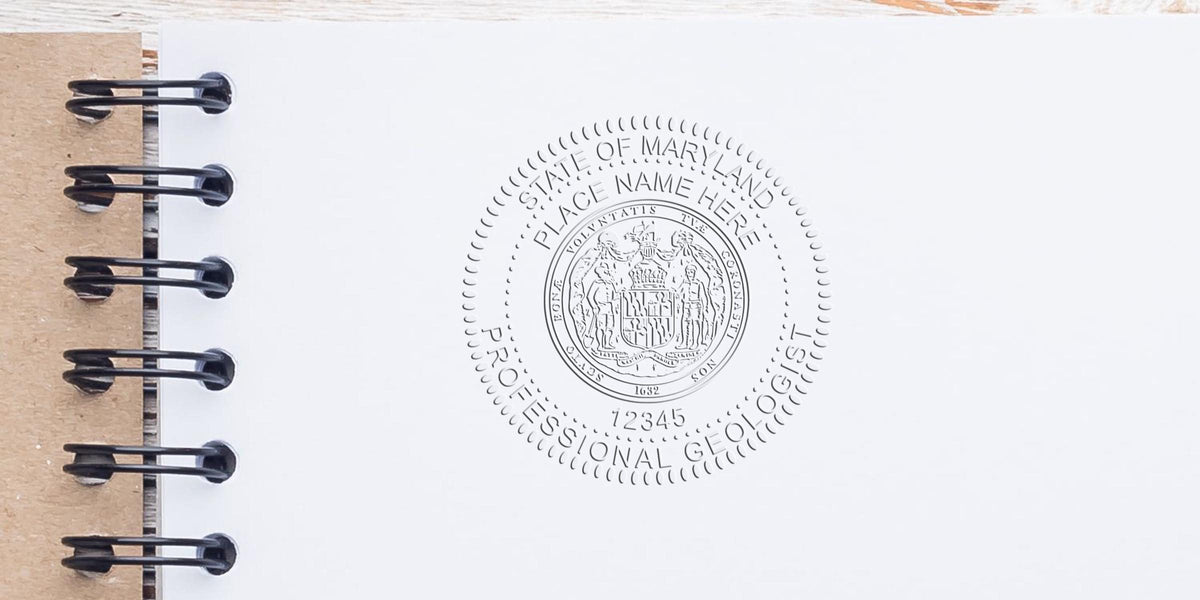
Know the Stamp Basics
If you intend to operate as a geologist in Maryland, you’ve likely heard about Maryland geologist stamp regulations. These rules aim to ensure public safety and maintain professional standards. Simply put, if you’re compiling reports, signing off on geological findings, or handing in official documents, you need an authorized seal or stamp that connects back to your registered status.
So, why all the fuss about stamps? In Maryland, the state heavily emphasizes credentials in professional fields, particularly geology. That means your stamp is more than just an image; it’s an official mark that confirms you’ve met the educational, exam, and licensing benchmarks set out by the Maryland Board for Professional Geologists. In other words, your seal shows that you’re truly qualified to guide environmental investigations, groundwater studies, and more. Let’s walk through everything you need to know about obtaining and using one.
Understand Why You Need One
Think of your stamp like your professional ID. When you place it on a document, you’re vouching for the accuracy of the data, the reliability of your methods, and your adherence to state regulations. Most official paperwork—for example, site maps or final geological reports—requires your stamped approval. Without it, readers and regulatory bodies won’t be sure the documents were produced under a licensed geologist’s watch.
A stamp can also streamline your workflow. Instead of attaching lengthy credentials every time you submit a report, you simply affix the seal. It’s much like signing a check. People on the receiving end immediately understand the significance of your stamp’s appearance. That single mark conveys competence and authority on all things geological within Maryland.
Review Design Requirements
Maryland geologist stamp regulations typically outline specific guidelines about shape, size, and the information included. Essentially, your official seal must be legible and consistent with state standards. While specifics can shift over time, the general design guidelines typically include:
- Your name as it appears on your license
- “Licensed Professional Geologist” or an approved designation
- The word “Maryland” to identify the jurisdiction
- Unique license number, typically displayed at the center or bottom
You might also see rules stating that any reproduction must be crisp and easily readable, whether it’s on a project plan or a drilled-well log. Double-check the rules before purchasing your stamp to avoid reordering due to small design errors. If you want an in-depth overview, you can also check out the official board regulations or call the Maryland licensing office for clarifications.
Sizing and Legibility Tips
- Keep text clear and free of fancy fonts
- Ensure the diameter meets minimum or maximum criteria, often around 1.5 to 2 inches
- Avoid resizing the stamp design so much that the text looks blurry
Pay special attention to spacing. If the letters are cramped, it’s easy for an official reviewing your documents to misread your license number. A neat, accurately sized seal goes a long way in communicating your professional status.
Acquire Your Official Stamp
Now that you know what’s required, how do you actually get one? Here’s a quick breakdown of the steps:
-
Verify Your License
Make sure you’re listed and active with the Maryland Board for Professional Geologists. Your license must be in good standing before you can purchase an official seal or stamp. -
Choose a Reputable Vendor
It’s worth investing in a reliable stamp supplier. You want a company that follows the state’s guidelines and offers clean, precise engraving. For more details on your options, check out the Maryland Geologist Stamp page. There, you’ll see the recommended formats and have a chance to pick the style that fits your workflow. -
Inspect the Proof
Then, you’ll typically receive a proof image of the seal. Review it carefully—check spelling, license number, and overall design. Once you approve, the stamp is produced, shipped, and you’re set to go. -
Consider a Digital Seal
Many geologists today also need an electronic version for digital filings. Some suppliers, like Acorn Sales, even provide a free digital seal package so you can quickly sign off on electronic documents as needed.
Don’t overlook this step because a well-made stamp saves you from the headache of compliance issues or confusion in your workspace. Getting a high-quality seal from the start can be the difference between smooth project approvals and a stockpile of returned paperwork.
Keep Up With Compliance
Regulatory guidelines in Maryland aren’t static. They can change along with industry updates or new standards for public safety. That’s why it’s wise for you to keep tabs on any news coming out of the Maryland Board for Professional Geologists. Whether you receive annual newsletters, join a geology association, or simply check the board’s website periodically, staying updated can help you avoid accidental noncompliance.
There are also certain best practices you’ll want to keep in mind once your stamp is in hand:
-
Use Ink Wisely
Always use a color that’s easily photocopied, typically black or dark blue. Light or special colors may look great but can fade or become illegible in scanned documents. -
Secure the Stamp
Just as you’d safeguard your signature, keep your stamp in a safe spot to prevent unauthorized usage. If others get hold of it, they could illegally stamp off on a project under your name. -
Record-Keeping
Log your official uses of the seal, from project proposals to final site assessments. In the event of a dispute, having detailed records of when (and on which documents) you used your seal can be a lifesaver.
Leverage a Trusted Supplier
When it comes to purchasing your stamp or seal, not all providers are created equal. You want someone who knows Maryland geologist stamp regulations and can advise you on your best options. That’s where Acorn Sales comes in. We’ve been in business since 1964, and we pride ourselves on precision, durability, and customer support. Our robust knowledge of state requirements ensures every geologist seal we produce meets the official criteria to the letter.
One highlight our customers love is the free digital seal. With the rise of online submissions, e-signed documents, and paperless offices, you might need a quick digital imprint at your fingertips. That’s why we bundle our stamps with a digital version—no extra fee. It simplifies your document management and helps you meet electronic filing specs without jumping through hoops.
In short, partnering with a reputable vendor means less stress, fewer mistakes, and more time for you to focus on the real heart of your work: geology.
Keeping up with Maryland geologist stamp regulations might feel overwhelming, but it’s a crucial part of building a credible reputation. The right stamp ensures your work is stamped with authority, recognized by local authorities, and good to go for official purposes. If you haven’t already, take a moment to pick your supplier, finalize your design, and secure your free digital seal. You’ll be set to produce top-notch reports and analyses without a hitch. And remember, if you have any lingering doubts, always check your licensing board’s latest updates or ask a trusted vendor for guidance. Happy stamping!
Frequently Asked Questions
How Soon Should I Get My Stamp After Licensing?
It’s best to order your stamp or seal as soon as your Maryland license is confirmed. You never know when you’ll need to sign off on a project. Having your official seal ready makes sure you’re not scrambling at the last minute.
Can I Design My Own Stamp?
While there’s a certain level of customization, official guidelines largely dictate size, text, and layout. You’ll still have some stylistic choices, but compliance with Maryland’s standards is nonnegotiable.
Do I Need Both a Stamp and a Seal?
Technically, “stamp” and “seal” often refer to the same concept: a physical impression that verifies your status. Some professionals prefer a metal embosser (physical seal), while others go for pre-inked or self-inking stamps. Maryland generally treats them similarly, as long as they conform to the regulations.
Is a Digital Signature Enough for E-Documents?
Digital signatures are helpful, but the board usually wants a seal that’s visually displayed on electronic files. Many geologists use a digital seal in PDF or other software to replicate that official look. Check to confirm the exact rules for your project, particularly if it’s for government or corporate documentation.
What If My Stamp Doesn’t Match the Regulations?
You’ll likely need to replace it immediately. Using a noncompliant stamp can invalidate your documents. Plus, you risk fines or other disciplinary action. If you discover your stamp has an error—like missing text—contact your supplier quickly. Most reputable vendors will correct the mistake once it’s reported.








