
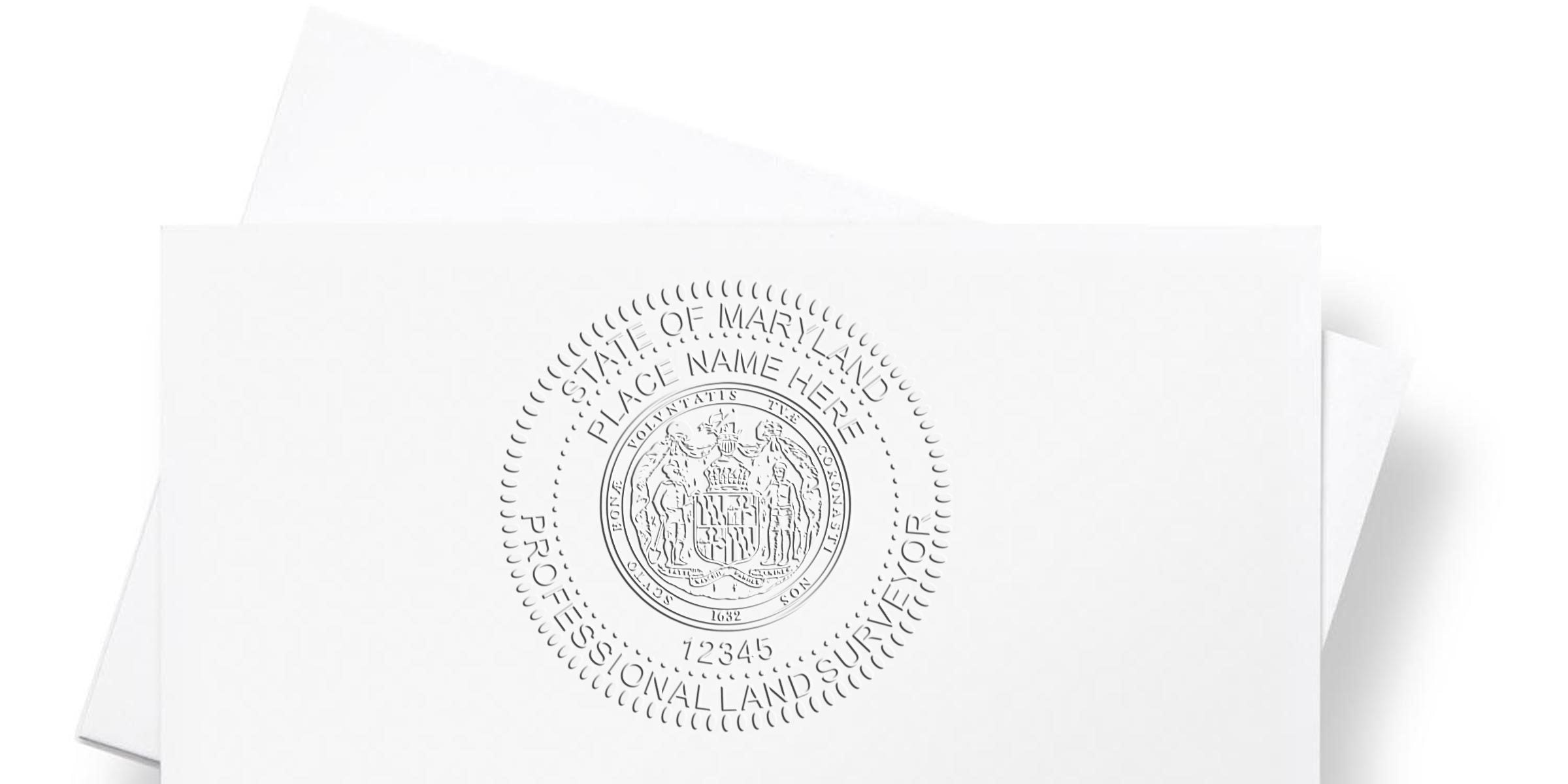
Understand Maryland Land Surveyor Stamp Requirements
If you’re stepping into the land surveying profession in Maryland, you’re probably asking yourself, “What exactly are the Maryland land surveyor stamp requirements?” These requirements might sound intimidating at first, but once you see how they protect your work and ensure professional credibility, you’ll realize they’re well worth following. By learning the essentials, you’ll avoid common pitfalls and have peace of mind that your surveys meet state standards.
You’ll soon discover that having a proper stamp—or seal—is a cornerstone of land surveying practice. In Maryland, the stamp is often your official signature, verifying that you’ve taken responsibility for the survey’s accuracy and integrity. After all, it’s not just about inking a piece of paper, it’s about establishing trust and professionalism. So, let’s break down why this small but mighty tool matters so much, and how you can go about getting the right one in your hands.
Why Your Stamp or Seal Matters
An official stamp or seal immediately signals your status as a licensed land surveyor. It shows that you’re abiding by the standards set by the Maryland Board for Professional Land Surveyors, and it offers a clear indication to clients, government agencies, and courts that your work is both credible and valid. Simply put, the right stamp can be your silent brand ambassador.
Ever wonder how people outside the surveying world interpret a stamped survey? Think of it like a notarized document. When someone sees that imprint, they know a qualified professional stood behind it. The stamp itself ties your name, license number, and the state of Maryland together in a concise format. It also reduces confusion in case of legal or administrative questions down the road. If a municipal authority or client ever challenges the validity of your work, a proper seal stops those conversations in their tracks.
Beyond face value, your stamp or seal is essential for compliance. Several rules, laws, and regulations govern what a stamped document should look like. In some situations, you might have to emboss your seal directly onto the final paper record, ensuring it can’t be easily tampered with. Other times, a self-inking stamp is fine as long as it meets the official requirements. Either way, it’s your responsibility to conform to what Maryland law expects.
Key Elements of a Maryland Land Surveyor Stamp
Size and Dimensions
Maryland law outlines specific standards regarding the dimensions of a surveyor stamp. You can find guidance by reviewing official sources or by checking out Maryland Land Surveyor Stamp Size details. Typically, the stamp should fit neatly on most document margins without overwhelming the page. You want it to be large enough to read the text clearly, but not so large that it disrupts your carefully drafted survey. Most professionals aim for a standard circle or square that rests well within an inch and a half to two inches in diameter—just enough to include all critical information.
Mandatory Wording
If you’ve never given much thought to the text that appears on a professional seal, you’re not alone. Yet the wording is crucial. Maryland typically requires your full name, the term “Professional Land Surveyor,” your license number, and the state’s name. The goal is to communicate exactly who is stamping the document and in which capacity. You might see some slight variations depending on the format—for instance, an embossed seal versus a self-inking stamp—but the core data remains the same.
In the end, the text is there to tie you to the survey’s authenticity. Small details, like whether you abbreviate the state name or not, can matter. For questions about these small intricacies, you can refer to official guidelines or consult Maryland Land Surveyor Stamp Regulations.
Embosser vs. Self-Inking
Curious if you should go with an embosser or a self-inking stamp? Each choice has advantages. An embosser, such as one offered by Acorn Sales, creates a raised impression that you can see and feel. It looks especially professional and makes tampering more difficult. You can learn more about embossers in the Maryland Land Surveyor Seal Embosser resource.
A self-inking stamp, on the other hand, is quick, portable, and easy to use. It’s handy if you need to place multiple impressions in a short time. Some surveyors opt for both—a self-inking stamp for routine use and an embosser for final drawings or official records that require that crisp, tactile imprint.
Consider Templates and Samples
If you don’t have a visual reference, it helps to see how a properly formatted seal looks. You can consult a Maryland Land Surveyor Seal Sample to check for layout and design. Templates can also be a lifesaver when you’re first ordering or setting up your stamp. Explore a Maryland Land Surveyor Stamp Template to visualize common layouts. The more familiar you become with these examples, the more confidently you’ll finalize your own.
Compliance and Laws
Maryland’s stamp-related guidelines aren’t just friendly suggestions, they’re codified in law. The Maryland Land Surveyor Seal Laws specify exactly what you need to include, how you must use the stamp, and in some cases, the time and place to affix it. You also want to be aware of the official procedure for registering your seal with the Board, which ensures there’s a recognized record of your stamp’s design in case questions ever surface.
Keeping an eye on the law may sound time-consuming, but it’s a crucial aspect of protecting your professional standing. A single oversight—like using an unauthorized stamp size or forgetting to note your exact license name—can lead to regulatory headaches. Plus, you might end up invalidating a survey altogether, which causes even bigger problems down the line. It’s always best to stay informed.
Don’t forget that local county offices can have their own submission rules too. One county might require an embosser; another might be fine with a self-inking style. Paper type, ink color, and even stamp placement can come under scrutiny. While these finer points may not be spelled out in broad state regulations, they matter in your day-to-day practice, so it pays to ask around.
Avoiding Common Pitfalls
Are you second-guessing where to place your seal on the final documents? You’re not alone. New land surveyors often face a bit of trial and error. Here are a few quick tips to steer clear of trouble:
- Place the seal so it doesn’t obscure crucial text or data. You never want to stamp over your boundary lines.
- Use clear ink or embossing foil for maximum readability. Dark inks generally work best.
- Double-check that your name and license number appear exactly as Maryland’s licensing board has them recorded.
Take the time to confirm small details now, so you don’t have to reprint or re-stamp entire batches of plans later. It’s the small stuff that often trips people up—like forgetting the Oxford comma in your name or misplacing a digit in your license number.
Finding the Right Price Point
Cost is another factor you won’t want to overlook. Stamps and embossers can vary in price depending on materials, product quality, and special features. If you’re shopping around, take a quick peek at the Maryland Land Surveyor Stamp Cost guidelines to get a sense of what’s fair. Generally, you’ll pay more for heavier-duty devices with robust metal parts and advanced engineering.
But the question is, do you really need that high-end model, or will a standard stamp do the trick? That often depends on how frequently you plan to use it. If you’re stamping or embossing daily, investing in a rugged stamp that won’t break the bank can save money in the long run. On the other hand, if you only stamp occasionally, a midrange product might suffice. Just remember—quality usually wins over cutting corners, especially for something as pivotal to your profession as a seal.
Engraving Tips and Specifications
Have you considered personalizing your seal? Some surveyors go the extra mile with special engravings or unique frames. If that piques your interest, you can explore Maryland Land Surveyor Seal Engraving options for a custom touch. The main advantage of engraving is that it can add a sleek, professional flair to your stamp, particularly if you’re going for a metallic or high-quality finish.
When it comes to the official seal design, reviewing Maryland Land Surveyor Seal Specifications is a must, especially if your design might deviate even slightly from the norm. Don’t forget that while you can add minimal decorative elements, you still need to fulfill the mandatory text and layout. Creativity is exciting, but compliance comes first.
Choosing a Reliable Supplier
Once you understand the legal and design specifics, you’re ready to pick a supplier who can meet your needs. The marketplace is full of options, so how do you know where to turn? That’s where a longstanding reputation can make all the difference.
Acorn Sales, for instance, has been a trusted supplier of Maryland Land Surveyor stamps and seals for over 60 years. Why does experience matter? In a field where every state’s requirements can be unique, a seasoned vendor ensures that the product meets the official guidelines right out of the box. Acorn Sales even includes a free digital seal with your purchase, simplifying the process of adding your official seal to online documents or PDFs. Offering both newer self-inking models and traditional embossers, they make it easy to find exactly what you need.
Another plus? You can count on them for personalized guidance on your order. If you’re unsure whether your stamp design is fully compliant, they can walk you through the process. That level of customer service can save you time, frustration, and possibly even legal trouble in the future.
Bringing It All Together
It might feel like a lot to balance stamp sizes, legislation, embossing options, and so on, but it comes together pretty naturally once you’ve established your routine. Think of it as part business card and part legal requirement. Your seal is how you show the world you’re a legit professional and that you stand behind your work. With the right supplier, the right dimensions, and some familiarity with local regulations, you’ll be stamping—and impressing—people in no time.
When in doubt, reference official protocols to ensure you’re in line with the law. You could even keep a short checklist posted in your office, reminding you to check each element: exact name match, valid license number, correct size, and appropriate ink or embossing. That way, every survey you finalize carries your endorsement.
By now, you’ve got a firm handle on why your Maryland land surveyor stamp matters and how to get one that meets all the official requirements. Remember, it’s more than just a formality. It’s a fundamental part of your professional identity. With a reliable supplier and an understanding of the state regulations, you’ll be able to proudly stamp every survey knowing you’re fully compliant and well-prepared for any inspections or challenges that come your way. And once those stamped documents land on a client’s desk, they’ll instantly recognize the expertise and care behind your work.
Frequently Asked Questions
What happens if I use the wrong stamp size?
If your stamp is too large or too small, you risk noncompliance with state rules. Authorities might reject your paperwork, which can hold up important deadlines. In some cases, you could even face disciplinary action.
Can I purchase a customized design for my seal?
Yes. You just need to maintain all legally required elements. Feel free to personalize additional flourishes, as long as they don’t obscure the mandatory text or detract from legibility. Consult your supplier about special styles or Maryland Land Surveyor Seal Engraving options.
Do I need to register my seal with the Maryland Board?
Typically, yes. Most states require you to file impressions or samples of your seal with the licensing board so they know what your official imprint looks like. Check local guidelines in your county to see if there are any further requirements.
Is a physical seal necessary if I have a digital one?
While digital seals are increasingly common for electronic document submissions, physical seals are still required in many cases. Having both can keep you flexible. Luckily, companies like Acorn Sales offer a free digital seal when you purchase a physical version, meaning you have instant access to whichever format you need.








