
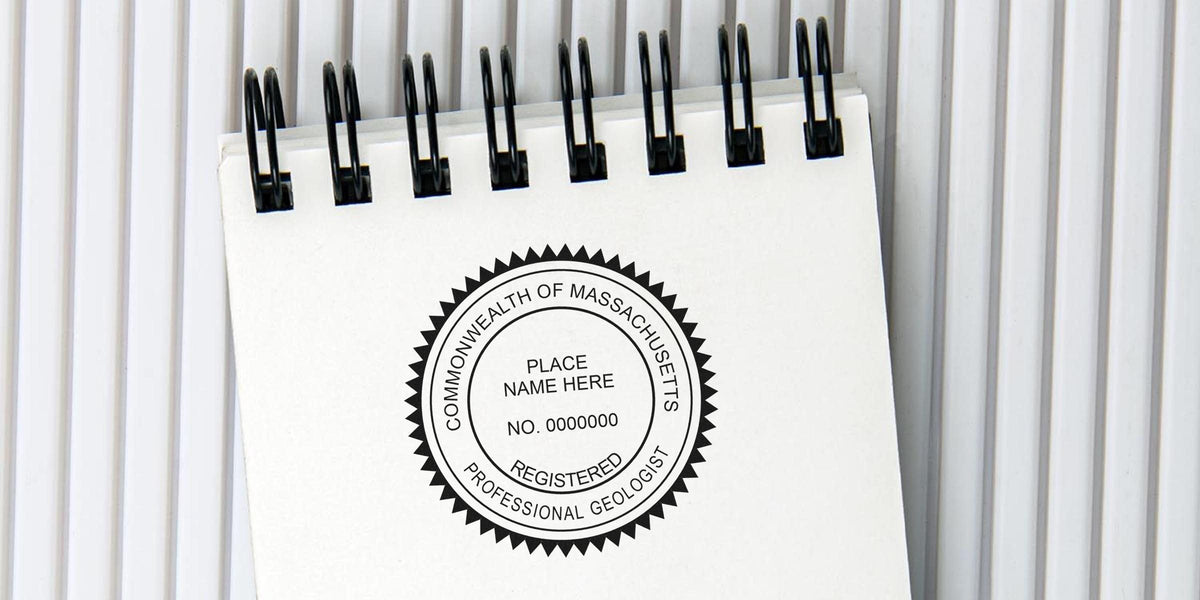
If you’re a geologist working in Massachusetts or you’re planning to become one soon, you’ve likely heard a fair bit about official stamps and seals. But did you know there’s a set of specific guidelines that make the Massachusetts geologist stamp a must-have for your practice? Understanding how, when, and why to use this stamp can feel like a chore, especially if you don’t have all the details in one place. Let’s dive into the essential information you need to confidently secure and use your professional seal.
Know The Core Basics
A geologist’s stamp, sometimes called a professional seal, is a mark of legitimacy. It confirms that you have met the educational and experiential requirements set by the state. In Massachusetts, you typically need a valid license before you can order or use a seal. Once you press your seal onto documents, you’re demonstrating to clients, regulatory boards, and peers that your work meets professional standards.
Why You Need One
You’ve probably signed countless forms in your career, but the seal is different. It offers an official layer of credibility. In many situations, a stamped document can help verify that the geotechnical data, reports, or analyses you provide meet state requirements. When you place your stamp on a project, you’re also confirming you’ve personally supervised or prepared the material.
Designing A Professional Image
Your stamp is more than just a mark on paper. It’s also part of your professional image. Using an official geologist seal in Massachusetts shows you take your responsibilities seriously. Clients and colleagues can see that your credentials are legitimate, which often leads to higher trust and respect for your work. In a field where accuracy and credibility are everything, that boost can be invaluable.
Check The State Requirements
While every state has its own approach, you’ll find that Massachusetts is quite specific about what must go on your stamp. The details tend to revolve around:
- Your name, exactly matching how it appears on your license
- The term “Licensed Professional Geologist” or a similar official designation
- The words “Commonwealth of Massachusetts” or “State of Massachusetts”
- Your unique license number
Board Guidelines
You’ll want to review any guidelines the Massachusetts licensing board provides. If you haven’t already done so, check official directives to confirm the exact size and wording required. Failure to meet those requirements might mean you have to reorder your seal. It’s best to get it right the first time and avoid potential compliance issues or reprints.
Timing Your Application
Before you rush off to order a massachusetts geologist stamp, be sure your license is officially recognized and up to date. The state might have a specific timeline for newly licensed geologists. If you’re still waiting on final confirmation of your professional status, hold off on ordering your seal until you’ve cleared all licensing hurdles.
Decide On A Format
A geologist stamp in Massachusetts is more than a piece of rubber. In fact, you have several format choices, each with its own pros and cons.
Embosser Seals
Embossers use raised lettering or designs. You’ve probably seen them on certificates or official documents that have a slightly raised imprint. They’re a timeless option if you prefer a classic look. Keep in mind that embossers work best on thicker paper, as the raised imprint might be less visible on flimsy sheets.
Self-Inking Stamps
If you do a lot of fieldwork or need to move from site to site, self-inking stamps can be your best friend. You simply press down on the stamp, and it applies ink automatically without separate ink pads. Still, you’ll want to verify the ink’s quality. You don’t need a smudged or blurry stamp on your important documents.
Pre-Inked Stamps
A pre-inked stamp differs from self-inking models in that it uses a built-in reservoir of ink instead of a rotating ink pad. The impressions often come out crisp and sharp, and you can typically re-ink the stamp several times before needing to replace it. These can be a good fit if you want a clean, professional impression with minimal flair.
Digital Seals
In this age of online documentation, a digital version of your stamp can make life easier. Think about PDF deliverables or electronic submissions. A digital seal is often accepted as long as it meets state regulations around electronic documents and signatures. Always confirm acceptance with the relevant agency before relying solely on a digital format.
Acquire Your Stamp Properly
Once you’ve chosen a format that matches your workflow and style, the next step is to order your stamp from a reputable source. You want assurance that the design meets the official specifications, the materials are high quality, and you’ll get a reliable customer service experience along the way.
Working With A Trusted Supplier
If you’re looking for a consistent, high-quality option, consider Acorn Sales. They’ve been in business since 1964, so they’ve had plenty of time to refine their craft. For Massachusetts geologists, Acorn Sales typically offers a free digital seal along with the physical stamp, which can be a game-changer if you deal with digital files as part of your daily routine. In an industry where reliability is key, partnering with a longstanding supplier can save you a ton of headaches.
Verification And Accuracy
Before you finalize your order, double-check the spelling of your name and your license number. Simple typos are easy to overlook when you’re busy juggling fieldwork and office tasks. While some suppliers may allow you to review the final design before it goes into production, it’s still best to be absolutely sure. A small mistake can turn into a big reprinting cost down the line.
Maintain And Renew
A geologist stamp in Massachusetts isn’t just a one-and-done purchase. You have to ensure the accuracy of your stamp if any of your licensing details change. If the licensing board updates its preferences for stamp or seal designs, you might need an updated version to stay in compliance.
Keeping Your Details Current
Licenses can expire, and so might certain elements on your seal. If your license number changes for any reason, or you shift from one professional category to another, you’ll want to contact your stamp supplier about a revision. It’s always better to make these changes proactively, rather than discovering a mismatch when you’re about to submit an official document.
Protecting From Loss Or Damage
Even high-quality stamps can wear out over time. If your seal begins to fade or the edges of your design aren’t as sharp, you’ll need a new one. Ink cartridges or pads also run out eventually. Make sure you store your stamp in a protective case or keep it upright in a clean spot on your desk. That way, you’ll prolong its life and maintain crisp impressions on your important paperwork.
Choose A Reputable Supplier
You’re bound to find dozens of online sources for stamps and seals. Not all of them are going to deliver the same level of customer support or pay close attention to the state’s specific guidelines. Here’s how to narrow your search:
- Look for longevity. Companies that have been around for decades, such as Acorn Sales (since 1964), typically have a track record for quality and customer satisfaction.
- Seek clarity on the ordering process. Does the company offer a proof before final production? Do they have dedicated support for your specific stamp requirements?
- Check for included extras, like a free digital seal. In Massachusetts, you often need both paper and electronic versions. Getting both from a single source saves you time and reduces the risk of errors.
- Prioritize quick turnaround times if you’re in a rush. Being stuck waiting might delay important projects.
Comparing Costs
Cost matters, but treat it as just one factor. A slightly higher price tag can be worthwhile if it comes with guaranteed compliance, customer service, and longevity. Cheap stamps might fade sooner or fail to meet Massachusetts design standards. After all, your stamp represents your professional standing, so it’s worth making a solid investment upfront.
In short, getting a Massachusetts geologist stamp is a key part of your professional identity. You’ll need to confirm your license, check state requirements, and decide which stamp format fits your workflow best. Once you secure one from a trusted vendor, be sure to keep it in top shape. If you’ve got your eye on the future, consider adding a digital seal to handle electronic documents and keep your process streamlined. With the right stamp, compliant design, and up-to-date license, you’ll be ready to tackle any geotechnical challenge that comes your way.
Frequently Asked Questions
Does Massachusetts Require A Geologist To Have A Seal?
Yes. While each state sets its own guidelines, Massachusetts generally requires licensed geologists to use a professional stamp or seal to authenticate their work. It’s a core part of verifying you’ve met the necessary professional standards.
Are Digital Seals Acceptable For Submissions?
In many cases, yes, but it depends on the agency and the nature of the documents. If your local board or a specific client requests original paper documents, you’ll need the physical seal. However, a free digital seal is often included with your purchase, so you can cover both bases without extra cost.
What Happens If I Lose My Stamp?
If it’s lost or stolen, you should replace it as soon as possible. You might also want to alert the relevant authorities, especially if there’s any risk of someone misusing your professional seal. Always keep track of your stamp if you travel frequently for field assignments.
Where Can I Order A Replacement Quickly?
You can typically contact the supplier who produced your original stamp. They may have your design on file, making the replacement process faster. If you ordered from Acorn Sales, just provide them with your details, and they can help you get a new stamp or seal without jumping through unnecessary hoops.








