
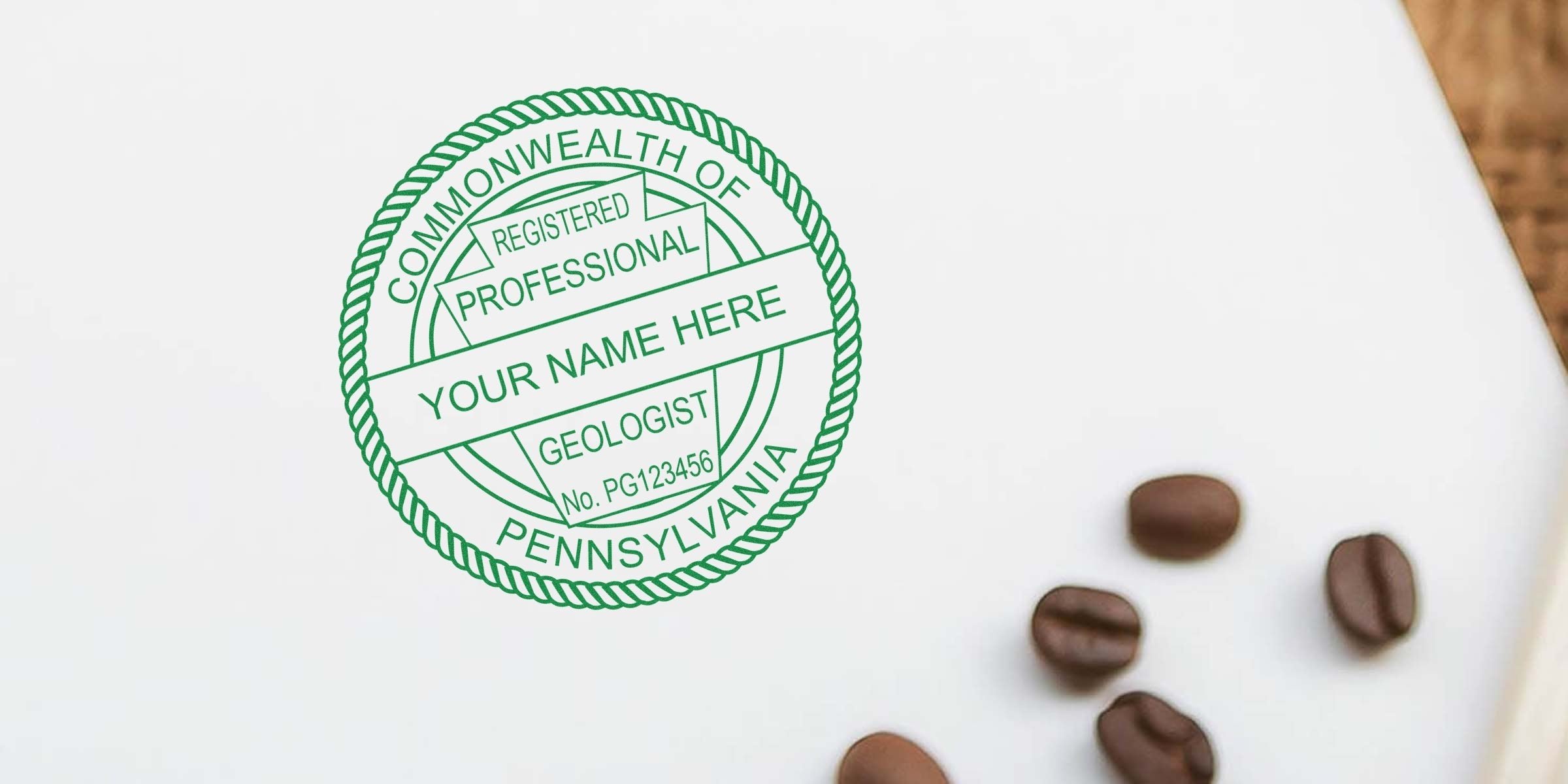
Pennsylvania geologist seal regulations can feel like a maze of do’s and don’ts, especially when you’re juggling licensing paperwork and fieldwork. But don’t worry, you’re not alone. Let’s break down the essentials so you can fulfill state requirements, order the right seal, and keep your geologist practice running smoothly. You’ll also discover a few insider tips on choosing a reliable supplier (hint: we’ve got one in mind) and ensuring you meet every detail of the official rules. Ready to get started?
Understand the Regulations
Pennsylvania requires licensed geologists to use an official seal or stamp on certain documents, such as geology reports and site evaluations. This seal signifies your professional credentials and confirms that you stand behind the accuracy of your work. Think of it as your personal quality guarantee. The state has very specific rules governing how your seal must look and be used, which helps maintain consistency and credibility across the field.
If you’re a newly licensed geologist, these regulations might sound intimidating at first. However, once you learn the basics, it’s a piece of cake to stay in compliance. You just need to know when, where, and how to affix your seal properly. From project proposals to formal findings, your seal is a simple but critical step in showing your professionalism.
Review Key Requirements
So, what exactly do you need to keep in mind? The Pennsylvania State Board of Professional Engineers, Land Surveyors, and Geologists outlines a few vital points:
- You must use an official seal or stamp that includes your name and license number.
- The design must meet the standards set by the Board, including shape and text requirements.
- Every final document that you produce or approve for submission, such as geological reports or site evaluations, needs to display your seal and signature.
- Ink color preferences can vary. Many professionals prefer black ink for clarity, but double-check the local rules or your employer’s guidelines.
- Seals need to be legible. If your stamp starts to wear down, replace it as soon as you notice a loss of detail.
Accuracy is key. An unreadable or incomplete seal won’t do you any favors and could land you in regulatory hot water. The Board wants to ensure that your seal is clearly recognizable to anyone reviewing the document, from your client to an official auditor. That’s why paying attention to design, ink choice, and the angle of your stamp matters more than you might think.
Choose Your Ideal Seal Type
You’ve likely seen both stamps and embossing seals. Today, there’s also the option to use a digital seal in certain scenarios. Wondering which format suits you best? It helps to weigh the pros and cons of each.
Physical vs Digital
Below is a quick comparison to guide your decision:
| Feature | Physical Seal | Digital Seal |
|---|---|---|
| Format | Uses an ink-based stamp or an embosser, leaving a tangible impression on paper | Electronic file or software-based seal you can apply to digital documents |
| Pros | - Visually impressive, especially embossed - Clearly highlights authenticity - Long-standing tradition |
- Faster to apply on digital files - Saves paper and ink - Can be securely encrypted |
| Cons | - Requires re-inking or replacing the embosser’s plate - Slower if you have multiple pages |
- Requires software setup - Clients might need to verify authenticity electronically |
| Best For | - Formal reports in printed format - Original signed documents |
- High-volume electronic submissions - Remote and paperless workflows |
| Compliance Tips | - Ensure the seal’s text and lines are crisp - Store carefully to prevent damage |
- Use Board-approved software or methods - Keep your digital signature secure with passwords |
Many Pennsylvania geologists opt for both a physical and a digital seal so they can quickly adapt to the type of project they’re handling. Always confirm whether your organization or client requires a traditional seal or is open to a digital alternative. Each has its own advantage, so it can be handy to have both in your toolkit.
Partner With a Trusted Supplier
Ready to order your seal but unsure where to start? Choosing a reliable supplier is not just about price; it’s about getting a product that will remain legible and professional for a long time. After all, a seal or stamp that wears out quickly is a headache you simply don’t need.
Why Acorn Sales?
At Acorn Sales, we’ve been helping professionals like you since 1964. We understand how crucial it is to have a durable, accurate seal that follows the rules. Plus, we get that your time is valuable, and you don’t want to worry about the small stuff, like whether your stamp will smudge on an important document.
- Decades of Trust: In business for more than half a century, we’ve served countless geologists who rely on our knowledge of Pennsylvania’s guidelines.
- Quality Assurance: Our seals are crafted in line with the Board’s standards, so you won’t have to worry about designs that fail to meet state requirements.
- Personalization: Need a certain size or style? We offer flexible customization so your seal fits your personal or company branding.
- Durability: No one wants to replace a seal every few months. Our products are built to hold up, even if you stamp multiple documents a day.
Free Digital Seal Benefits
Here’s a bonus many geologists enjoy when working with Acorn Sales: you get a free digital seal included with every order. That means you’ll have both a physical seal and a digital version you can attach to PDFs, spreadsheets, or whatever file format you use for your reports. This means zero extra hassle or hidden costs when you’re ready to make the jump to paperless. It’s a practical perk that’s especially handy if you handle digital submission forms or regularly email your finalized documents to clients.
Avoid Common Pitfalls
When it comes to geologist stamps and seals, small missteps can lead to a frustrating back-and-forth with the Board. You’ll want to sidestep these errors:
- Outdated Design: Regulations can change over time, so if you’re using a seal from several years ago, verify it still matches current guidelines.
- Improper Use: Using your seal on documents that aren’t finalized or leaving a seal off important reports can raise regulatory flags. Know the difference between draft documents and final ones.
- Unreadable Imprints: It’s easy to overlook the clarity of your stamp if you’re in a rush. Take a second to check each impression. If it’s even slightly fuzzy, redo it.
- Skipping Signature: A seal alone is not enough. Be sure to sign near your seal, as required by Pennsylvania law. This pairing of signature and seal completes the official certification.
- Missing Digital Verification: If you use an e-seal, remember you also need a secure method of verification. Password-protected PDFs or specialized e-seal software can help you meet requirements for electronic versions of your documents.
Whether you’re new to these regulations or you’ve been stamping documents for years, regular check-ins with the Board’s guidelines help you stay compliant. You might be tempted to assume that this year’s procedure is the same as last year’s, but a quick review is always a good idea.
Take the Next Steps
By now, you’ve got a solid understanding of what’s required. If you still have questions about the nitty-gritty details, you might want to explore the specific design and compliance rules further. Check out these pennsylvania geologist stamp requirements to see what your stamp or seal should look like and how large it must be.
Once you know what format suits you best, place your order with a vendor you trust. Acorn Sales takes pride in offering quick turnaround times and an on-the-ball customer service team. You also have that free digital seal waiting for you if you place an order. Essentially, you’ll have everything you need to knock out those final steps and maintain good standing as a Pennsylvania geologist.
Think of your seal as a silent partner. Each time it appears on a report or set of calculations, it quietly reassures clients and officials that a certified expert has reviewed and approved the document. The sooner you sort it out, the sooner you can stop worrying about compliance and focus on what really matters: providing valuable geological insights.
Remember, your seal is more than a rubber stamp. It’s a statement of your integrity and professionalism. By understanding and complying with the guidelines, you’ll show clients, employers, and the state that you’re serious about delivering accurate, reliable geological work. If you’re ready to move forward, give yourself a pat on the back and start using that seal with confidence—Pennsylvania geologist seal regulations will be one less thing on your plate. Happy stamping!
Frequently Asked Questions
Do I have to update my seal each time I renew my license?
Typically, no. If your license number hasn’t changed and the Board hasn’t updated any design requirements, you can continue using the same seal. Just ensure your license is active when you stamp documents, and stay aware of any new regulations that might affect design.
What happens if I forget to seal a final document?
In most cases, you’ll need to correct the oversight as soon as possible. The Board may consider it a violation if unsealed or unsigned documents are mistakenly treated as final. Quick action to stamp and sign the document can help fix the situation.
Can I use a digital seal exclusively?
Yes, as long as it meets Pennsylvania’s regulations. However, some clients or project managers may prefer a traditional stamped or embossed seal. Having both a digital and physical seal can save you from potential conflicts.
How long does it take to receive my stamp if I order from Acorn Sales?
Generally, orders are processed quickly, and shipping often takes just a few days. If you have a tight deadline, reach out to Acorn Sales directly. They can often expedite orders so you get the seal in the time frame you need.
Do I need a special kind of ink for my physical seal?
Black ink is the standard go-to, making your stamp easily readable across copied and scanned documents. Some professionals switch to blue or another dark color to differentiate original documents from photocopies, but confirm that your employer or the Board doesn’t have a stricter policy.








