

Written by Acorn Sales Company, manufacturing stamps and seals since 1964 · Reviewed by Holly R, VP of Sales and Marketing at Acorn Sales, against the Connecticut Department of Consumer Protection, which registers interior designers under chapter 396a and Conn. Gen. Stat. § 20-377l on 21 September 2026 · Updated 21 September 2026
The seal is optional in Connecticut, and the statute closes the list of what may appear on it. Conn. Gen. Stat. § 20-377l, headed Use of title and Use of seal, provides that “Any person holding a certificate of registration under this chapter may utilize a seal. Such seal shall only include: (1) The name of such person, (2) the words ‘Registered Interior Designer, State of Connecticut’, and (3) such person’s registration number.” May, not shall. And the word only does real work: no firm name, no logo, no discipline line, no expiration date and no extra legend may be added.
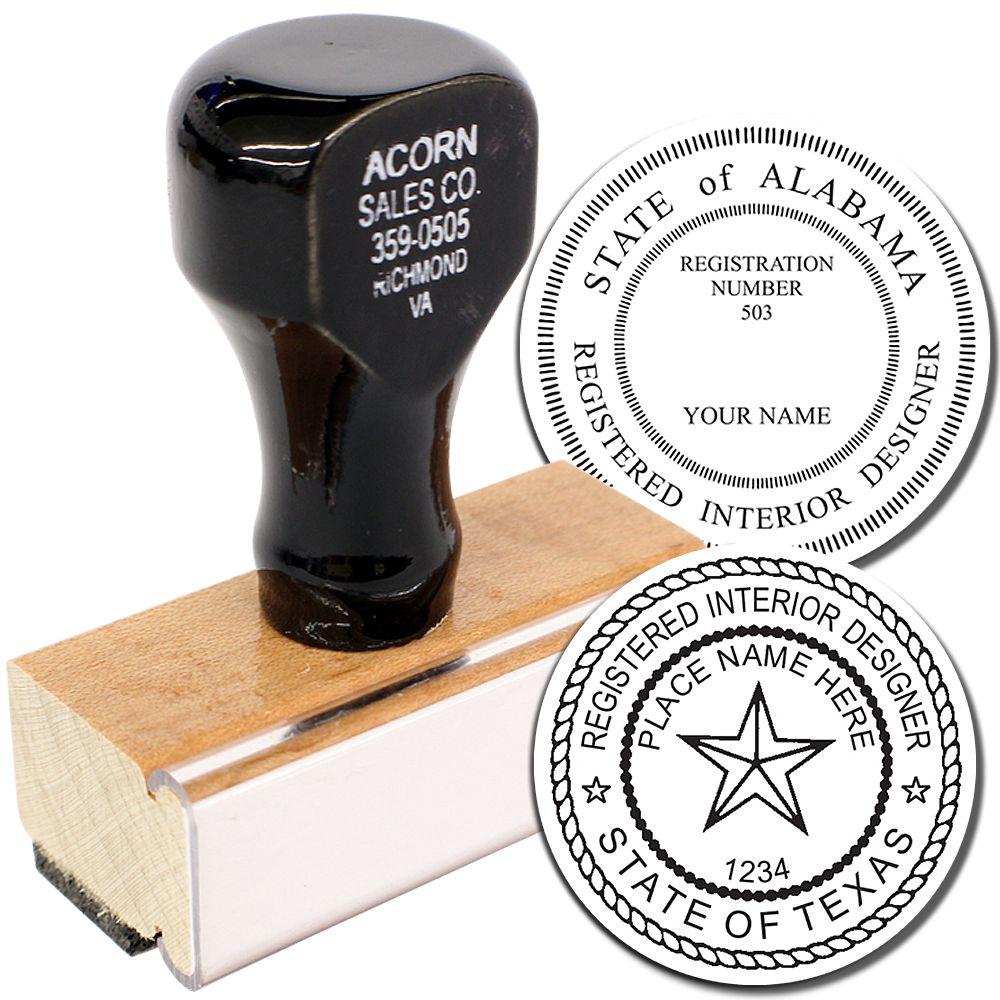
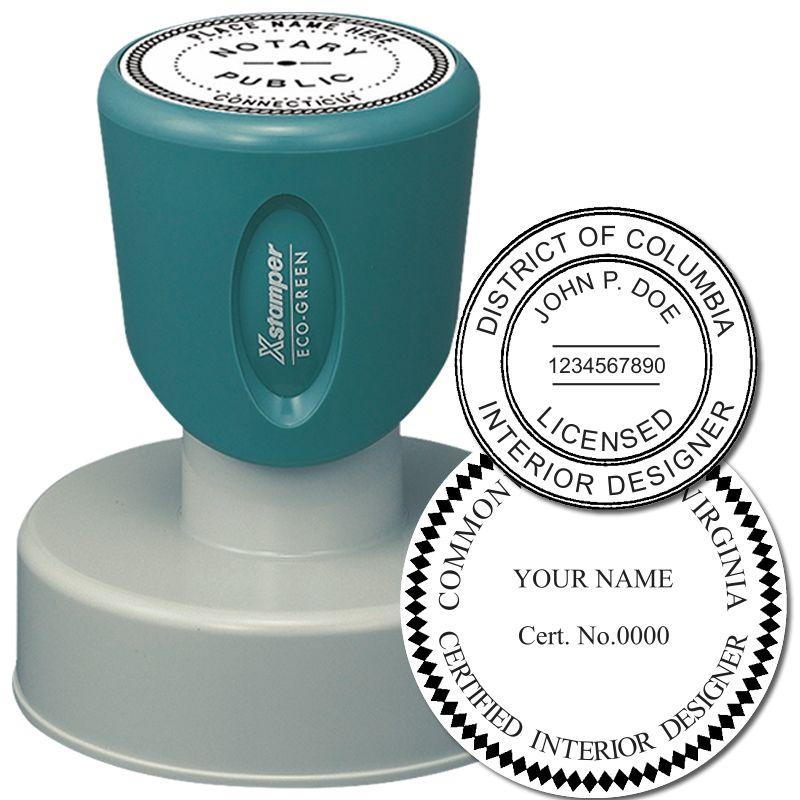
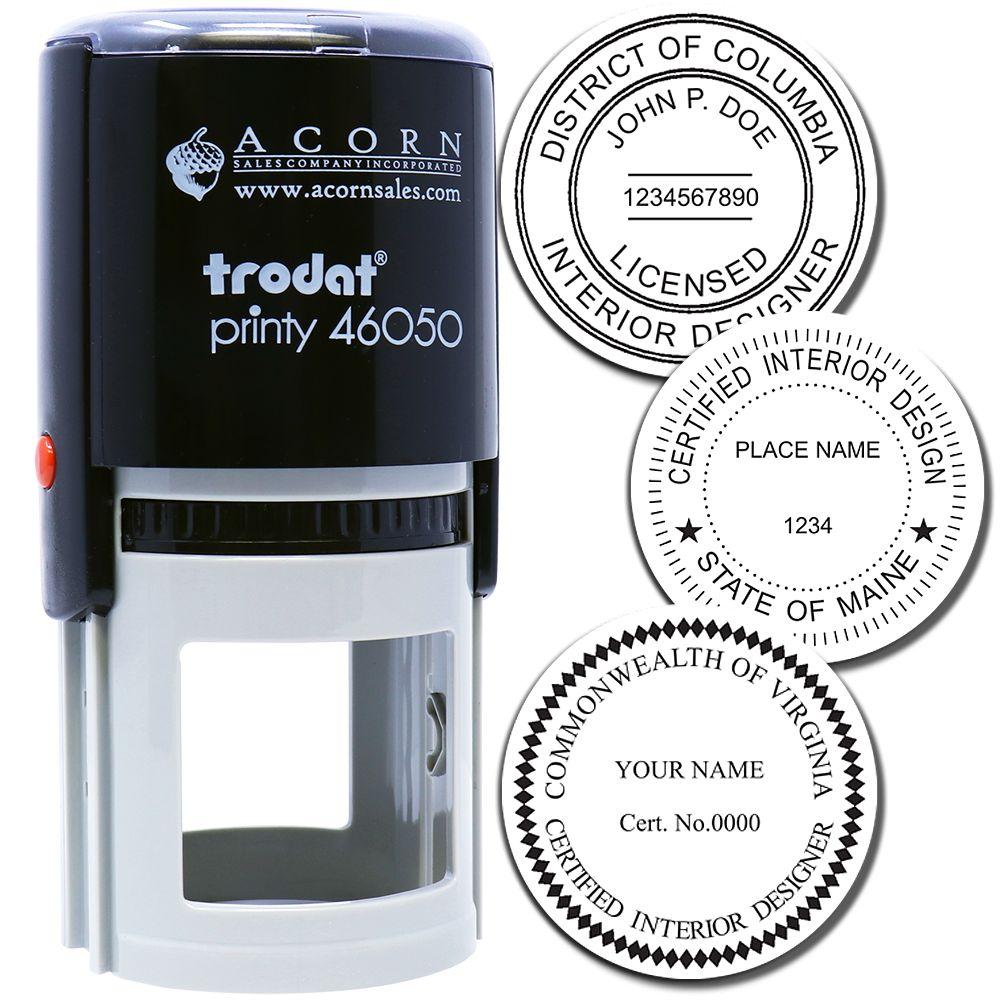
Everything physical about the device is unprescribed. Section 20-377l states three elements and nothing about diameter, shape or proportion, chapter 396a names no device and never uses the words embossed, rubber stamp, facsimile or electronic, and no Connecticut agency approves the artwork. Size it for legibility on the documents you actually issue, and an inked stamp is the practical choice.
The title is what chapter 396a protects. The Department of Consumer Protection states the position plainly: the state does not regulate who may practice interior design, and what the chapter restricts is the right to use or market the title registered interior designer. So the exact legend “Registered Interior Designer, State of Connecticut,” with the comma, belongs to you only if Connecticut registered you. If it did not, put your own name, your firm name and any credential you actually hold such as NCIDQ on instead, and leave off “Licensed” and “Registered” and any state-issued title unless the state issued you one.
Connecticut interior designer seal requirements at a glance
| Requirement | Connecticut rule | Source |
|---|---|---|
| Seal required | No, but an optional seal is specified | Conn. Gen. Stat. § 20-377l |
| Required elements | Your name, The words Registered Interior Designer, State of Connecticut and Your registration number | Conn. Gen. Stat. § 20-377l |
| Size and shape | No dimension exists. | Conn. Gen. Stat. § 20-377l (silent on dimensions) |
| Device allowed | Not addressed. Chapter 396a names no device and does not use the words embossed, rubber stamp, facsimile or electronic. Because nothing restricts the format, any legible device is acceptable, and an inked stamp is the. | Conn. Gen. Stat. ch. 396a (no device named) |
| Signature and date | Not addressed. Chapter 396a imposes no signature requirement, no date requirement and no placement rule in connection with the seal, because the seal itself is permissive and carries no statutory legal effect on a filed. | Conn. Gen. Stat. § 20-377l (silent as to signature and date) |
| What must be sealed | No document requires this seal. | Conn. Gen. Stat. §§ 20-293, 20-295b(b), 20-377l |
| Electronic seal | Not addressed. Chapter 396a contains no electronic or digital seal provision and names no technology, certificate authority or verification standard. The sources here are §§ 20-377k through 20-377v. The. | Conn. Gen. Stat. ch. 396a (no electronic seal provision) |
| Renewal and lapse | Registration renews annually on December 31, with continuing education, under Conn. Gen. Stat. § 20-377s, which also governs expiration of the certificate and makes the registration nontransferable. | Conn. Gen. Stat. §§ 20-377o, 20-377r, 20-377s |
| Firm requirements | Not applicable. | Conn. Gen. Stat. ch. 396a (no firm registration provision) |
| Regulator | The Connecticut Department of Consumer Protection, which registers interior designers under chapter 396a | Conn. Gen. Stat. ch. 396a (Interior Designers), §§ 20-377k through 20-377v, principally § 20-377l (Use of title. Use of seal) and § 20-377s, read from the Connecticut General Assembly’s published statutes |





Is a seal required in Connecticut?
Connecticut registers the title and makes the seal optional. Conn. Gen. Stat. § 20-377l, headed Use of title and Use of seal, provides that “Any person holding a certificate of registration under this chapter may utilize a seal. Such seal shall only include: (1) The name of such person, (2) the words ‘Registered Interior Designer, State of Connecticut’, and (3) such person’s registration number.” May, not shall. The Department’s own licensing page states the position plainly: the state does not regulate who may practice interior design, and what chapter 396a restricts is the right to use or market the title registered interior designer.
What must appear on the seal
- Your name
- The words Registered Interior Designer, State of Connecticut
- Your registration number
This is a closed list, and the statute says so: the seal “shall only include” those three items. That word only does real work. No firm name, no logo, no discipline, no expiration date, no state seal artwork and no extra legend may be added, which is the opposite of the Connecticut architect and landscape architect statutes, where the board may require “such other words or figures as the board deems necessary.” The legend is exactly “Registered Interior Designer, State of Connecticut”, with the comma.
Size and shape
No dimension exists. Section 20-377l states three elements and nothing about diameter, shape or proportion, and no Connecticut agency prescribes a size for this device because no agency approves it. The sources here are Conn. Gen. Stat. ch. 396a §§ 20-377k through 20-377v and the Department of Consumer Protection licensing page for Interior Designer. Size the device for legibility on the documents you actually issue.




Embosser, rubber stamp or digital
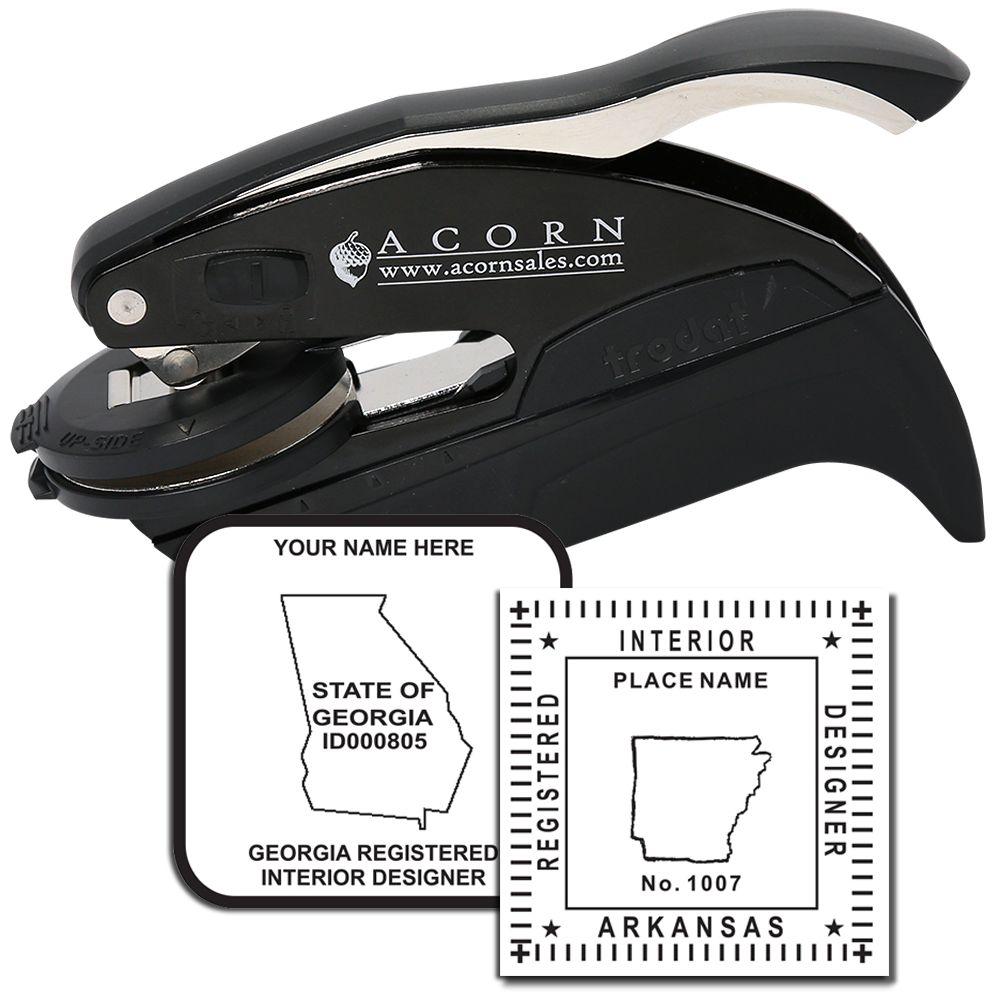
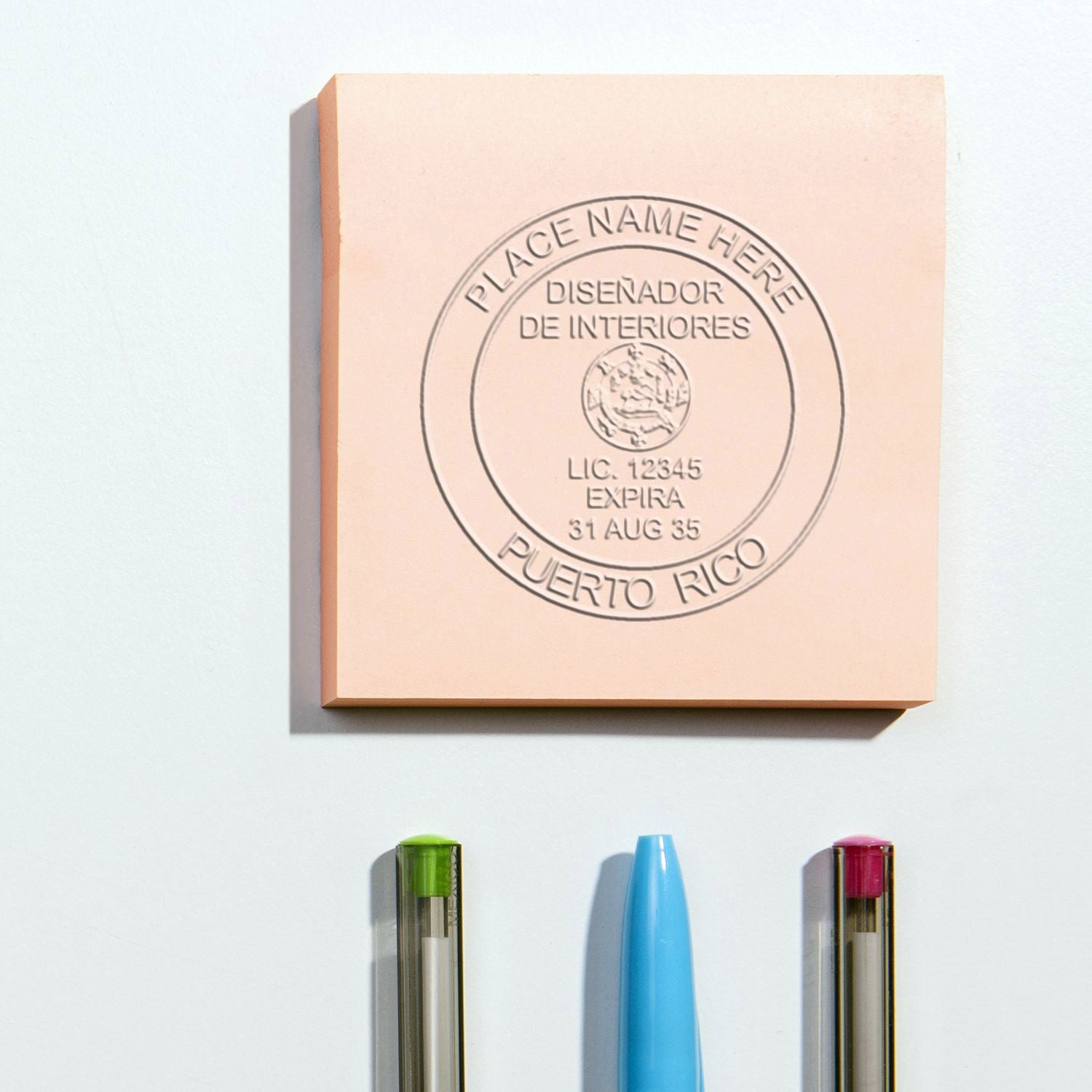
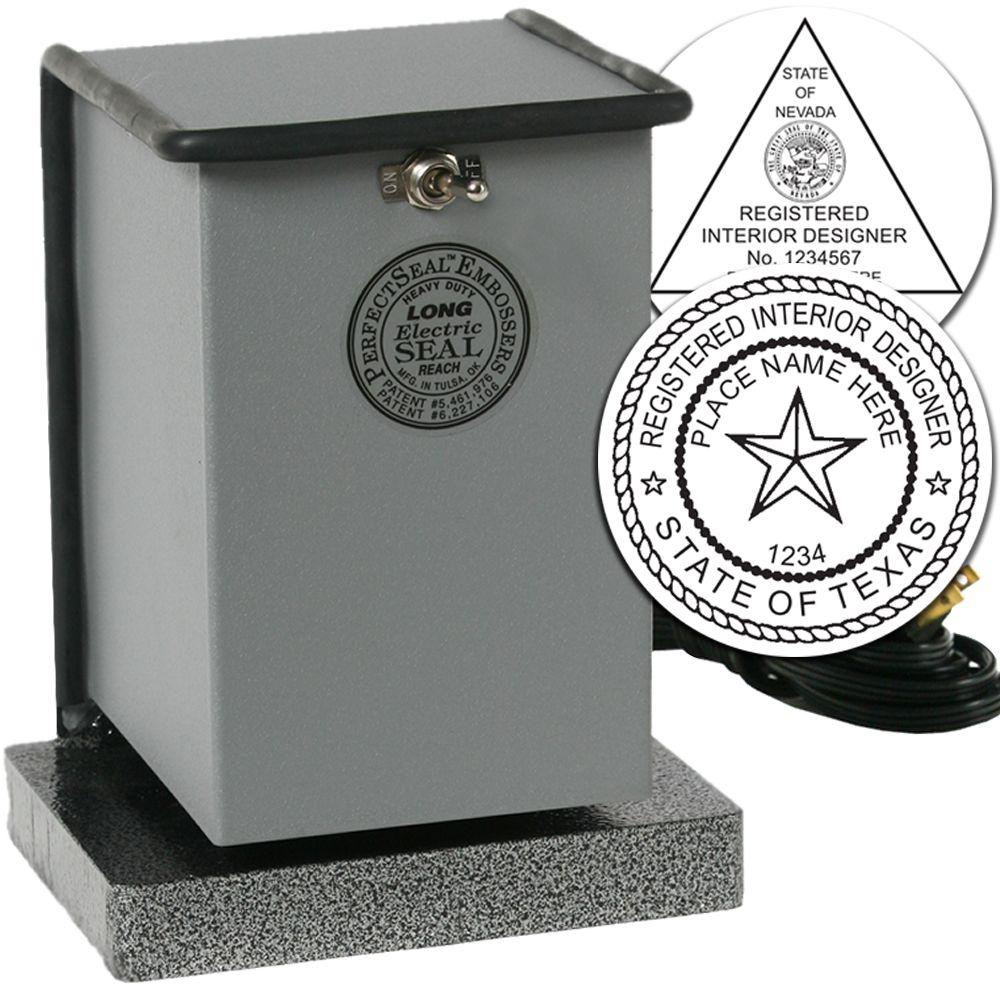
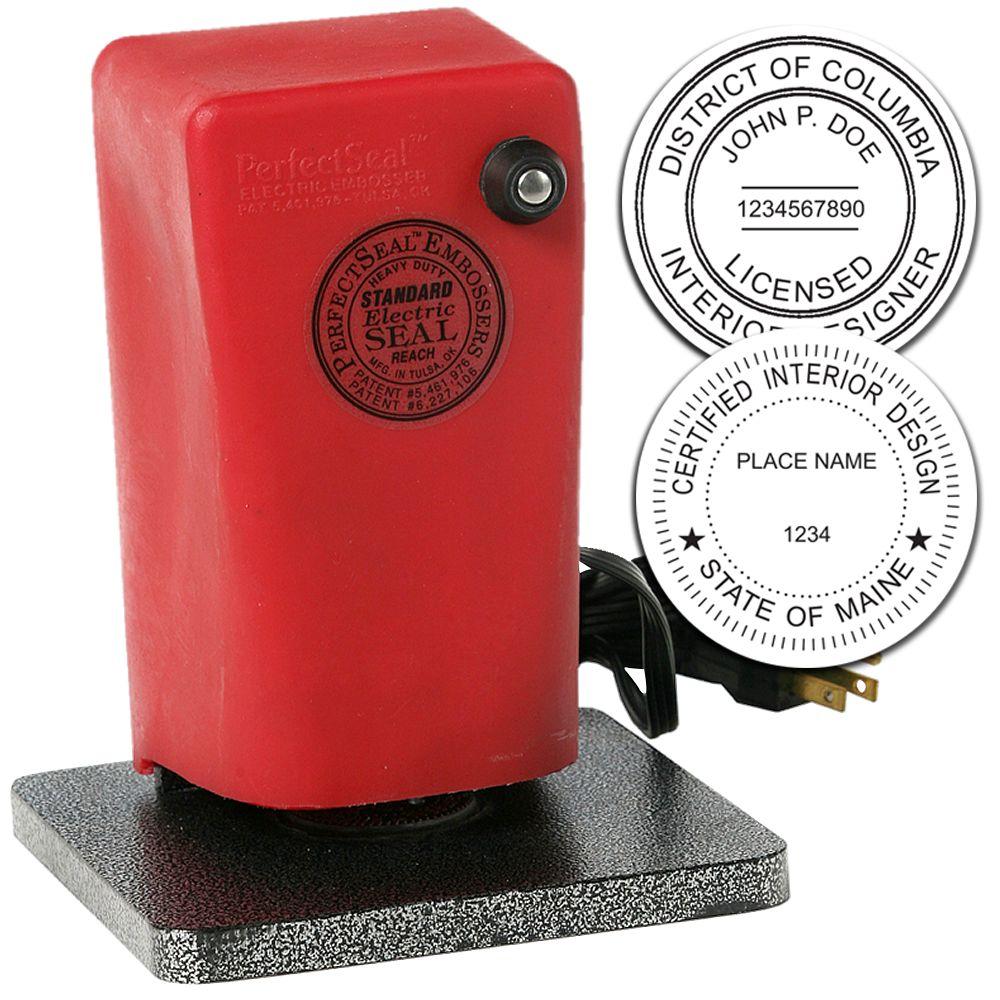
Not addressed. Chapter 396a names no device and does not use the words embossed, rubber stamp, facsimile or electronic. Because nothing restricts the format, any legible device is acceptable, and an inked stamp is the practical choice. What matters more than the format is the content restriction: a device carrying anything beyond the three permitted items is not the seal chapter 396a authorizes.
Signing and dating
Not addressed. Chapter 396a imposes no signature requirement, no date requirement and no placement rule in connection with the seal, because the seal itself is permissive and carries no statutory legal effect on a filed document. The sources here are §§ 20-377k through 20-377v. What the chapter does require is at § 20-377s: the certificate of registration number must be included in advertisements and written communications.
The seal is optional, and the statute caps what may appear on it
Connecticut is one of the few states that authorizes an interior design seal without requiring one. Section 20-377l says a registrant “may utilize a seal,” and then closes the face: it “shall only include” the name, the words Registered Interior Designer, State of Connecticut, and the registration number. A device that adds a firm name, a logo or a NCIDQ reference is outside what the statute permits.
Which documents must be sealed
No document requires this seal. Connecticut does not regulate the practice of interior design, so no Connecticut filing is conditioned on a registered interior designer’s seal. The sealing duty for construction documents falls elsewhere: Conn. Gen. Stat. § 20-293 bars building officials from accepting plans or specifications that are not stamped with the seal of a licensed architect or a licensed professional engineer, subject to the § 20-298 exemptions. Note also § 20-295b(b): a Connecticut licensed architect may perform the work of an interior designer under chapter 396a without holding an interior design certificate of registration.





Electronic and digital seals
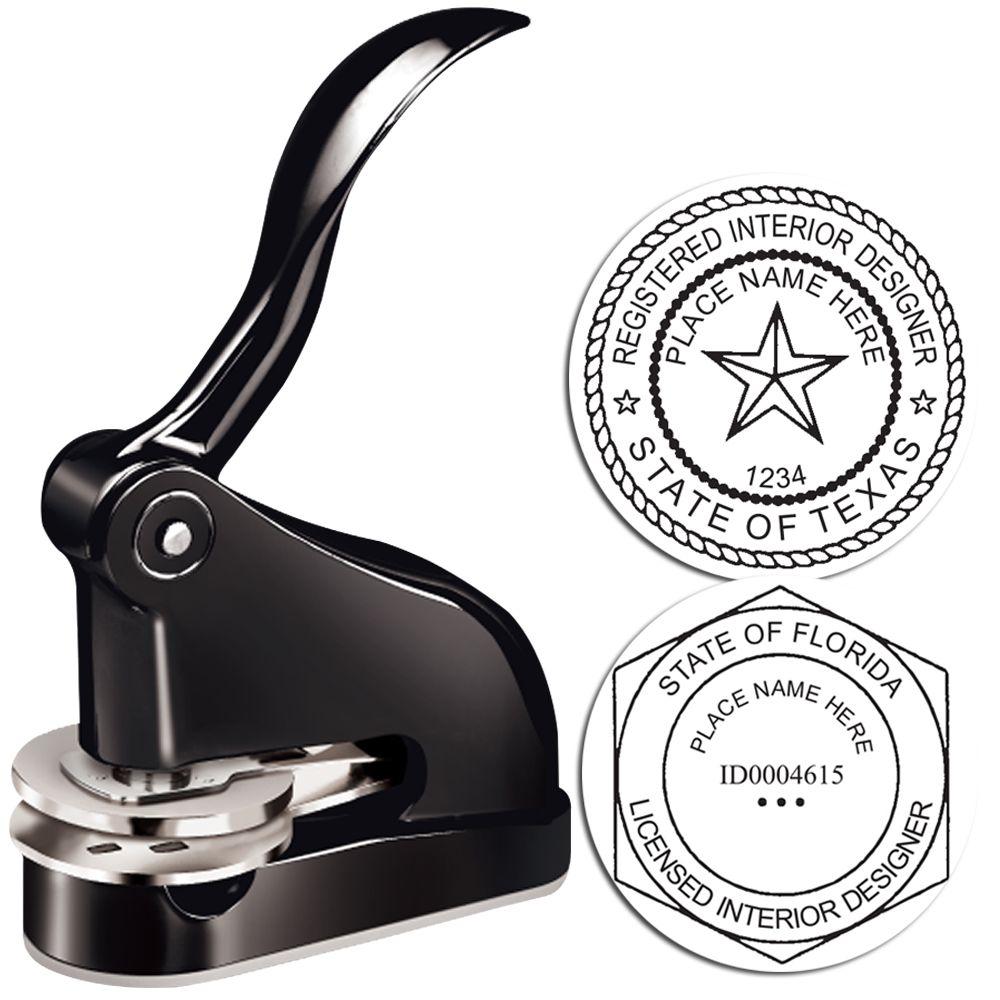
Not addressed. Chapter 396a contains no electronic or digital seal provision and names no technology, certificate authority or verification standard. The sources here are §§ 20-377k through 20-377v. The detailed digital signature regulation Connecticut applies to engineers and land surveyors at Regs. Conn. State Agencies § 20-300-10(c) is adopted under chapter 391 and does not reach a registered interior designer.
Renewal, lapse and retirement
Registration renews annually on December 31, with continuing education, under Conn. Gen. Stat. § 20-377s, which also governs expiration of the certificate and makes the registration nontransferable. Section 20-377o allows the Department to suspend, revoke or refuse to issue or renew after notice and hearing, and § 20-377r sets out the grounds. Because the registration number is one of only three permitted seal elements and no expiration date belongs on the face, annual renewal does not make the device stale. Not addressed: whether the registration number changes on reinstatement, and whether the seal must be surrendered.
Firm requirements
Not applicable. Connecticut registers individuals only under chapter 396a and issues no interior design firm registration, no certificate of authorization and no firm seal. Compare architecture, where § 20-298b requires a corporate certificate of authorization, and landscape architecture, where § 20-369a governs corporate and limited liability company practice.
What to check before you order
You may order a seal, and Connecticut does not require one. If you do, put exactly three things on it: your name, the words Registered Interior Designer, State of Connecticut, and your registration number. The statute says the seal shall only include those items, so leave off your firm name, any logo and any other credential. No size is prescribed, so size for legibility. An inked stamp is the practical choice. Remember what the device is for: Connecticut does not regulate who may practice interior design, and plans going to a building official still need the seal of a licensed architect or a licensed professional engineer. Your registration number also has to appear in your advertising and written communications.
Browse interior designer stamps and seals.
Frequently asked questions
Is a seal required for a Connecticut registered interior designer?
No. Conn. Gen. Stat. § 20-377l says a registrant “may utilize a seal,” which is permissive. Nothing in chapter 396a requires you to own one or to apply one to anything.
What may appear on a Connecticut interior designer seal?
Exactly three things, and the statute uses the phrase “shall only include”: your name, the words Registered Interior Designer, State of Connecticut, and your registration number. A device that adds a firm name, a logo or an NCIDQ reference is outside what the statute permits. That is the opposite of the Connecticut architect and landscape architect statutes, where the board may require “such other words or figures as the board deems necessary.”
What size is a Connecticut interior designer seal?
No dimension exists. Section 20-377l states three elements and nothing about diameter, shape or proportion, and no Connecticut agency prescribes a size because none approves the device. Chapter 396a, at §§ 20-377k through 20-377v, adds nothing. Size for legibility on the documents you issue.
Rubber stamp or embosser in Connecticut?
Either, and neither is named. Chapter 396a names no device and does not use the words embossed, rubber stamp, facsimile or electronic, so any legible device is acceptable and an inked stamp is the practical choice. What matters more than the format is the content restriction: a device carrying anything beyond the three permitted items is not the seal chapter 396a authorizes.
Which Connecticut documents need this seal?
None. Connecticut does not regulate the practice of interior design, so no Connecticut filing is conditioned on a registered interior designer’s seal. Conn. Gen. Stat. § 20-293 bars building officials from accepting plans or specifications that are not stamped with the seal of a licensed architect or a licensed professional engineer, subject to the § 20-298 exemptions. The interior design seal identifies a credential; it does not certify a construction document.
Does Connecticut require a signature or a date with the seal?
No. Chapter 396a imposes no signature requirement, no date requirement and no placement rule in connection with the seal, because the seal is permissive and carries no statutory effect on a filed document. What the chapter does require is at § 20-377s: your certificate of registration number must be included in advertisements and written communications.
Can an architect do interior design work in Connecticut?
Yes. Conn. Gen. Stat. § 20-295b(b) lets a Connecticut licensed architect perform the work of an interior designer under chapter 396a without holding an interior design certificate of registration. An architect who does choose to hold the interior design registration picks up the interior design continuing education requirement and renewal fee under § 20-295b(c), which is why many do not.
Is there an electronic sealing standard in Connecticut?
Chapter 396a contains no electronic or digital seal provision and names no technology, certificate authority or verification standard. The detailed digital signature regulation Connecticut applies to engineers and land surveyors at Regs. Conn. State Agencies § 20-300-10(c) is adopted under chapter 391 and does not reach a registered interior designer.
Does my Connecticut seal go stale at renewal?
No. Registration renews annually on December 31, with continuing education, under Conn. Gen. Stat. § 20-377s, and because the registration number is one of only three permitted elements and no expiration date belongs on the face, annual renewal does not make the device stale. Whether the registration number changes on reinstatement, and whether the seal must be surrendered, the chapter does not say. Section 20-377o allows the Department to suspend, revoke or refuse to issue or renew after notice and hearing, with the grounds at § 20-377r.
Does a Connecticut interior design firm register?
No. Connecticut registers individuals only under chapter 396a and issues no interior design firm registration, no certificate of authorization and no firm seal. Compare architecture, where § 20-298b requires a corporate certificate of authorization, and landscape architecture, where § 20-369a governs corporate and limited liability company practice.








