
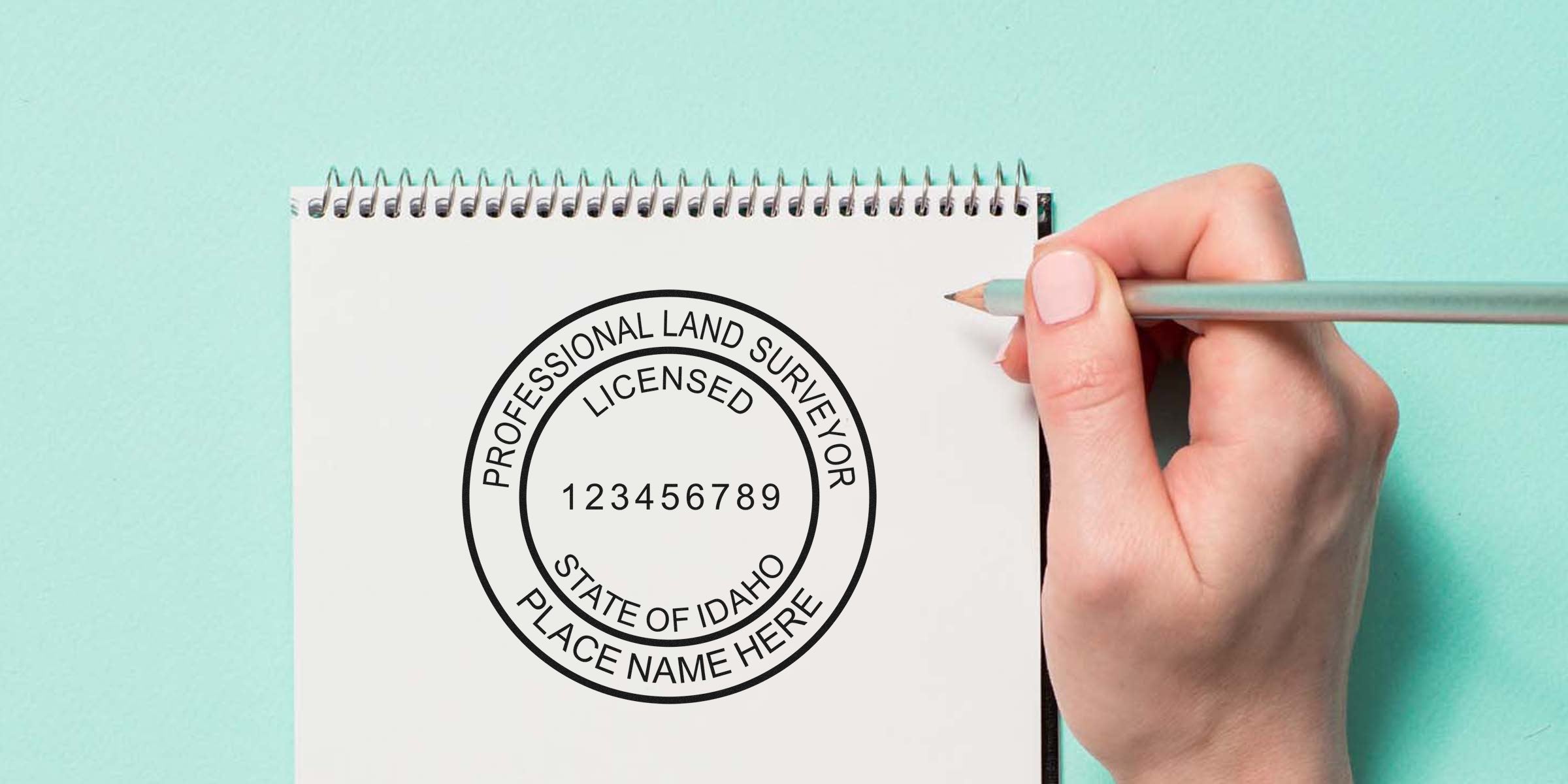
Want to make sure your surveying practice in Idaho follows every official guideline? Let’s walk through the essential Idaho land surveyor seal specifications so you can confirm your stamp or seal meets all the right requirements. When you’re working as a professional land surveyor, there’s nothing more important than ensuring your seal is both accurate and compliant, so you communicate professionalism and adherence to state standards.
Idaho’s regulations aren’t just about stamping your name on a piece of paper. They also dictate vital elements like the seal’s size, the text layout, and the overall design. This is good news because a properly executed seal reassures clients (and local boards) that you’re qualified to offer land surveying services in the Gem State. Let’s explore the nuts and bolts of the process while keeping things clear and friendly. By the end, you’ll have a solid handle on what you need to do and where to turn for additional guidance, no jargon necessary.
Surveying can be a delicate endeavor. You’re often verifying property boundaries, topographic features, or key project details that major construction crews rely on. If your seal is missing, incomplete, or noncompliant, you could face legal trouble, project delays, or a tarnished reputation. Working under Idaho’s guidelines ensures every plan or survey you produce can be trusted, recognized, and ultimately used without hesitation.
Understand Idaho Seal Requirements
To kick things off, it’s best to know exactly why Idaho invests so much in regulating surveyor seals. The state board aims to protect the public by verifying that only licensed professionals affix seals to surveys, plats, and official documents. Your seal essentially says, “I’m an Idaho-certified surveyor who stands by this work.” When you follow all the guidelines, you reinforce trust with both agencies and private clients.
Beyond simply stamping your credentials, a seal indicates you’ve taken an oath to uphold professional standards. In Idaho, a valid seal must include your name, license number, and the designation of “Professional Land Surveyor” or an accepted abbreviation. If you want more details on specific stamping procedures, you can take a look at the idaho land surveyor stamp requirements, which goes deeper into the day-to-day usage rules. This consistent approach ensures all parties reading your documentation know who’s accountable for the accuracy of that survey.
Keep in mind that each official submission might also require supplementary documents. For instance, you could be asked for your certificate of licensure or additional references to confirm your good standing. The seal is a visual testament, but the board can ask for other credentials. It’s all part of making sure only qualified professionals stand behind critical surveying findings.
Recognize Key Design Elements
When it comes to the core design for your Idaho Land Surveyor Seal or Stamp, there are a few cornerstones to keep in mind. The overall circular format is standard, though the precise layout can vary slightly. Idaho generally prefers a certain ring of text around the perimeter. This ring typically states your professional title and the words “State of Idaho,” leaving space in the center for your name and license number.
You’ll also notice that fonts should be legible and professional. Avoid comedic or overly elaborate scripts that might distract from clarity. In addition, some Idaho land surveyor seal specifications mention the diameter of the outer seal circle, which usually hovers around 1 5/8 inches or 2 inches. Double-check the board’s latest guidelines to be sure you select a size that’s accepted, because outdated or personal customizations could get your documentation flagged.
Many surveyors like to include a personal touch, such as a distinct font or minor stylistic flourish. While Idaho isn’t against small expressions of individuality, be sure these tweaks don’t overshadow the clarity of critical data. The best rule of thumb is: when in doubt, keep it simple. Your seal should first and foremost communicate licensing, not artistic flair.
Comply With Official Dimensions
Roomy or petite? Commonly, Idaho’s surveying standards call for a seal that’s easy to read while not overpowering the document. The standard dimension is often around two inches in diameter, and that gives your details enough space to appear tidy. The text along the ring of the seal should be crisp, ensuring you don’t accidentally smudge or scrunch important words. If your seal is too small, verifying your credentials gets harder, which defeats the seal’s purpose in the first place.
At the same time, watch out for “supersizing” your seal. A massive logo might overwhelm your work, making the finished pages look unprofessional. Remember: a good seal is like a well-tailored suit. It fits seamlessly. It’s neat and noticeable, but never visually distracting. Checking dimension requirements one more time before you order a new stamp is a quick step that avoids multiple headaches later.
Of course, verifying the final size often happens right before you place an order for your seal or stamp. If you’re switching suppliers, double-check the dimension specs you submit. A single oversight, like mixing inches with centimeters or misreading a sizing chart, can result in a seal that’s out of compliance. It’s a small detail, but it can cause big problems if overlooked.
Adopt Proper Seal Usage
Even if you have the perfectly designed stamp in hand, you still need to stamp responsibly. In Idaho, the placement often goes near your signature and the date. That helps confirm exactly who did the project and when it was finalized. Some surveyors also place the seal on multiple pages if the plan set is large enough to warrant it. The key is consistency, use the seal on every official record that requires your licensure confirmation.
Don’t forget about color and clarity. Typically, black ink stands out best on white background, but blue is occasionally permissible. The idea is to ensure your seal is easy to read in all lighting conditions, including photocopies or scanned images. No one wants confusion if a print gets circulated among offices. In short, keep it legible, keep it consistent, and keep it official.
Also, be mindful of how you store your physical stamp. Keep it in a clean, dry place so the impression remains crisp. If you’re in an Idaho climate with seasonal shifts, you don’t want excess heat or moisture to warp the rubber. A protective case can go a long way. And if your stamp features replaceable ink pads, schedule regular refills so your seal never fades mid-project.
Consider Digital Seal Options
You might be wondering whether a digital seal is acceptable in Idaho. The good news? Idaho recognizes the importance of modern technology. While physical stamps remain popular, digital seals are allowed in certain cases, provided they meet security and authenticity standards. This typically means using encrypted files or secure formats to prevent tampering. If you attach a digital seal to an electronic document, you’re essentially vouching for the file’s integrity the same way a physical stamp would on paper.
The convenience of a digital seal can’t be overstated. It speeds up submissions and eases data transfers. For instance, if you need to re-send a property boundary survey to a client who’s in another state, a quick email can save everyone time. At Acorn Sales, we offer a free digital seal with every purchase of a physical stamp, so you have both options ready when you need them. Still, always confirm with the Idaho board if any special disclaimers or file types are mandated before you finalize older or large-scale e-documents.
You’ll also want to track who has access to your digital seal. If unauthorized individuals can attach it to documents, it could raise serious liability concerns. Consider password-protected files, secure signature software, or encryption systems that verify your identity before applying the seal. A digital seal offers speed and efficiency, but it also demands responsible handling to maintain credibility.
Trust a Reliable Supplier
Working with a trustworthy provider goes a long way in making sure your seal meets regulations the first time around. Acorn Sales has been in business since 1964, so we’ve picked up a thing or two about creating high-quality stamps and seals that pass official muster in states like Idaho. Our designs follow the latest rules on size, layout, and text, and we also keep our finger on the pulse of any regulatory changes.
Another bonus is the free digital seal we include with your physical stamp. That means you can issue professional, board-compliant documents in both printed and electronic forms. With decades under our belt, we never compromise on the details, so each seal is made to reflect the professional image you’ve built. Your seal speaks volumes about your credibility, and we understand how crucial that is. After all, a well-made seal not only verifies your license but also enhances the trust factor with your clients.
One more aspect to check is customer service. If a company doesn’t respond quickly or seems unfamiliar with Idaho requirements, that’s a warning sign. At Acorn Sales, our team stays up-to-date with state regulations, so you always know you’re getting the right product. Plus, we’re happy to answer questions that might pop up. That blend of experience and approachability helps ensure your seal not only meets specifications but also fits your daily workflow.
Wrap Up And Next Steps
Getting a handle on your Idaho land surveyor seal specifications is a must for any professional who wants to practice confidently. By understanding the design requirements, proper usage protocols, and the option of a convenient digital seal, you’ll be able to streamline your work and impress your clients. The added bonus of a partner like Acorn Sales, where you have access to well-crafted, board-approved stamps, saves you time and headaches when regulations shift.
When you’re ready to order or replace your seal, be sure to keep the above guidelines close by. Idaho sets these specifications to maintain uniformity and accountability, which ultimately boosts your credibility. You’ve got your design foundation in place, your recommended dimensions, and your digital seal waiting in the wings, so why not get started? If you have any questions, we’re here to help in every possible way to keep your land surveying documents looking professional and compliant.
Whenever new guidelines from the Idaho board roll out, it’s wise to update your seal promptly. This demonstrates your commitment to accurate, legal surveying practices. Your clients will appreciate the professionalism, and local agencies will find it easier to trust your work. Remember, your seal is more than a stamp, it’s a promise that you’re prepared and accountable.
Frequently Asked Questions
What If My Seal Gets Damaged?
If your seal starts to fade or the worn-out rubber no longer produces crisp lines, it’s time to replace it. Idaho does not allow you to use an illegible seal, since it undermines the official verification process. A quick reorder from a reputable supplier ensures you’re never stuck delivering subpar impressions.
Do I Need A Signature With My Seal?
Yes, the seal alone doesn’t cut it. Most Idaho rules require a handwritten or secure digital signature accompanying the stamped or sealed area. By pairing your seal with your signature, you confirm the authenticity and finality of the drawings or documents.
How Often Do Regulations Change?
While Idaho’s guidelines aren’t updated daily, small changes can pop up every few years. It’s wise to check the Idaho board site periodically or partner with a supplier who tracks changes on your behalf. Staying informed prevents last-minute scrambles to correct your seal format.
Can I Use A Non-Circular Design?
The circular shape is the officially recognized icon for Idaho land surveyors. Straying too far from that norm can lead to rejections or additional scrutiny. Always consult the latest rules before experimenting with any alternative seal shape.
Is A Digital Seal Acceptable For All Projects?
Most of the time, yes, but you’ll want to confirm the specifics with the receiving agency or client. Some local offices still prefer hard copies. If you plan to submit purely digital files, make sure you follow guidelines for secure and tamper-proof documents.








