
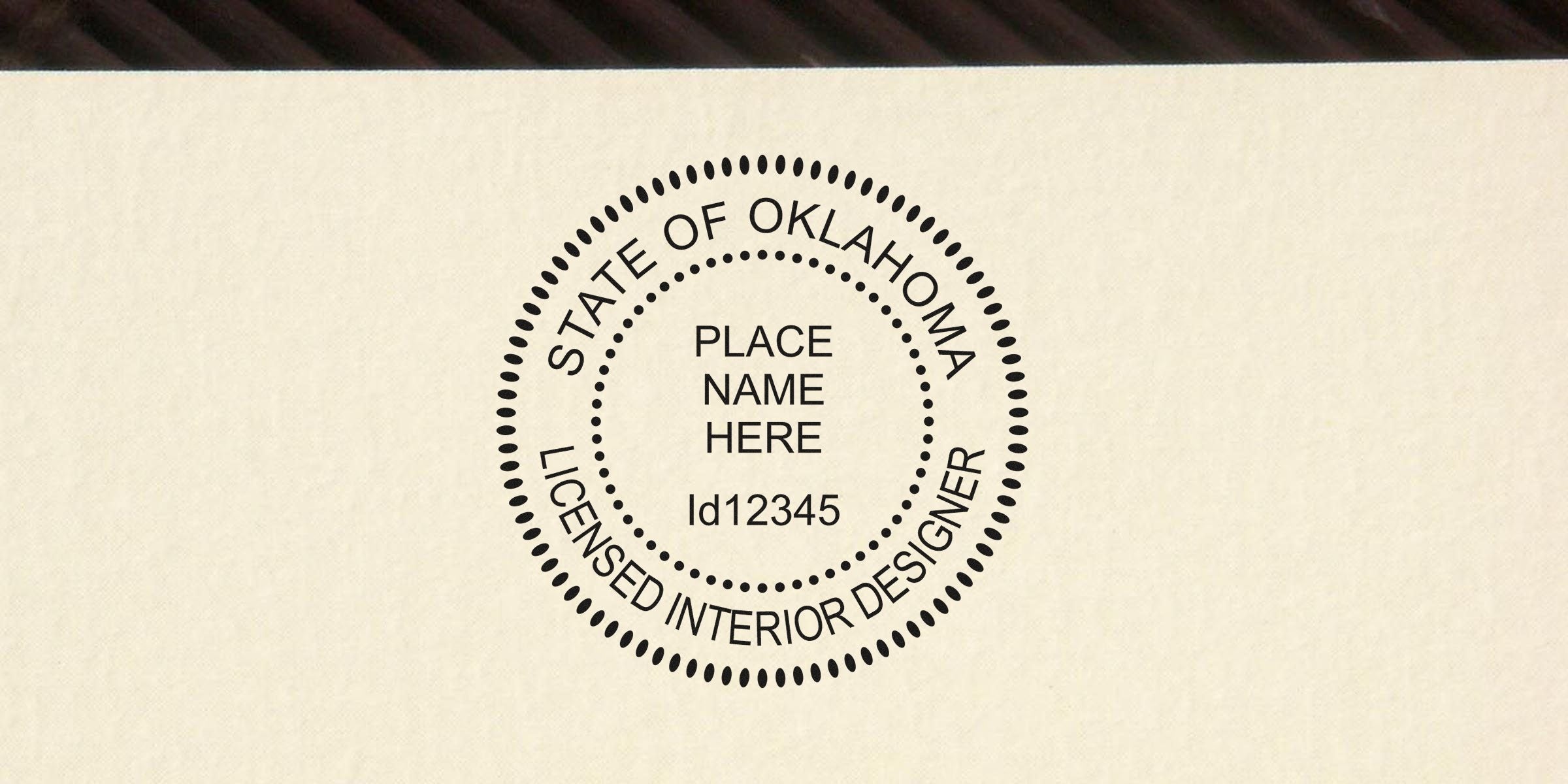
Natural light and color can open up a room, but For your professional credentials, you need something more official. If you’re in the market for a professional interior designer seal Oklahoma requires for legal documents, you’re in the right place. This guide explains why the seal is so important, how to obtain it, and ways to stay compliant with state regulations. Think of it as a friendly chat on all things Oklahoma interior designer seal, related, with plenty of detail and tips sprinkled in.
Understanding The Professional Interior Designer Seal
Every licensed interior designer in Oklahoma must stamp or seal key documents, but do you know why? A seal is more than a fancy marking, it’s an official emblem that shows you’ve met the education, exam, and registration standards required by state law. Placing it on your drawings or specifications signals that you take your profession seriously and are responsible for the work.
Having this seal establishes trust with your clients. They can see that you’ve gone through the proper steps to become a registered interior designer. Think of it like a handshake that says, “Hey, I’m qualified and my designs meet Oklahoma’s requirements.” Plus, some clients won’t move forward without a stamped plan, especially if local building codes insist on verification by a professional. You might also need to present the seal for project permits or to confirm your credentials during code inspections.
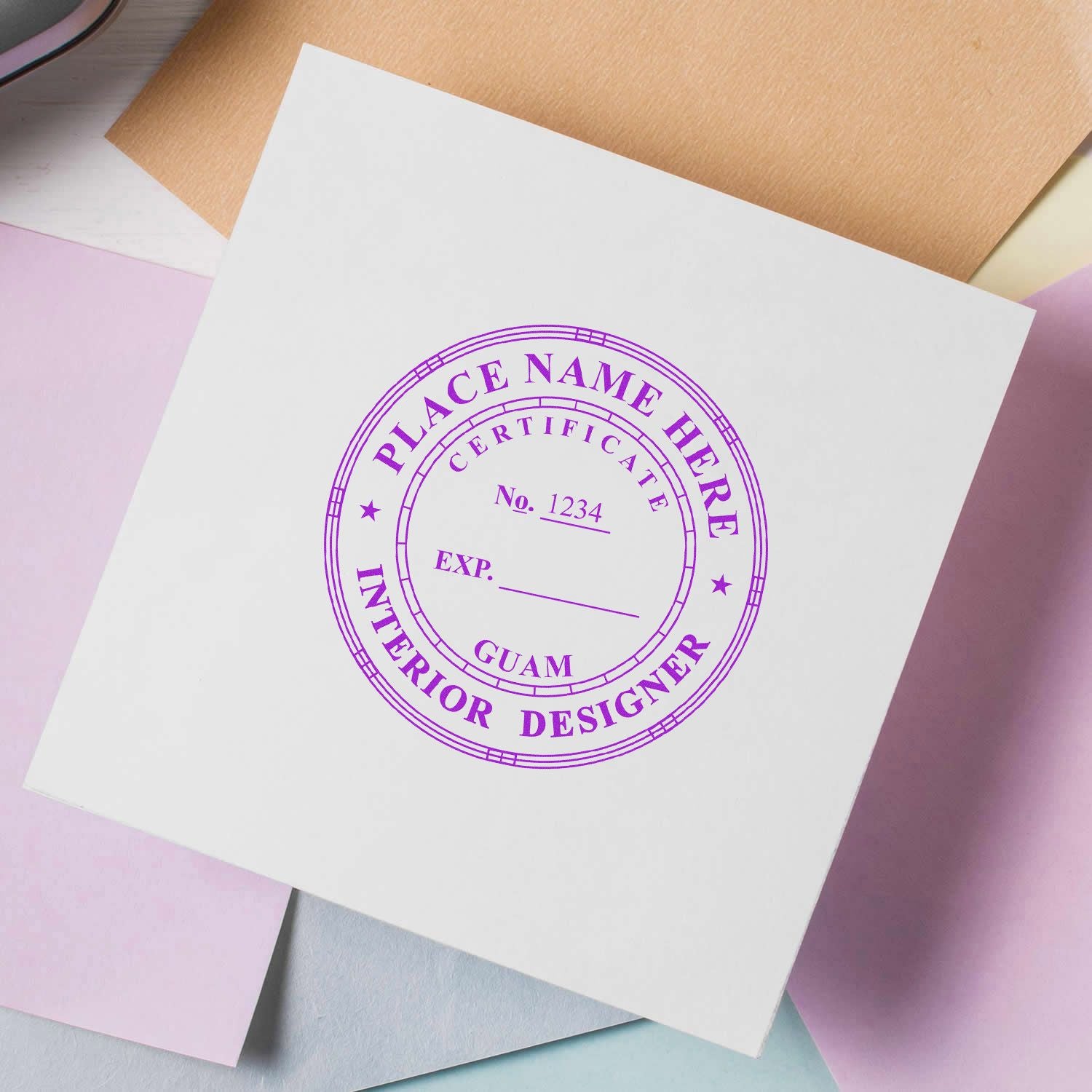
The seal itself usually comes in a physical form and might be placed with ink or embossing. However, modern technology also offers electronic seals, which are handy if you frequently submit digital design files. You’ll want to keep both options available, so you can adapt to any project’s requirements.
Understanding Oklahoma Regulations
The Oklahoma Board of Architects, Landscape Architects, and Registered Interior Designers sets the guidelines for licensure and practice. These policies aren’t just for show, they ensure the public’s safety and the quality of professional design work. If you’re working in the state, you’ll need to maintain an active license, follow board updates, and stay on top of continuing education requirements.
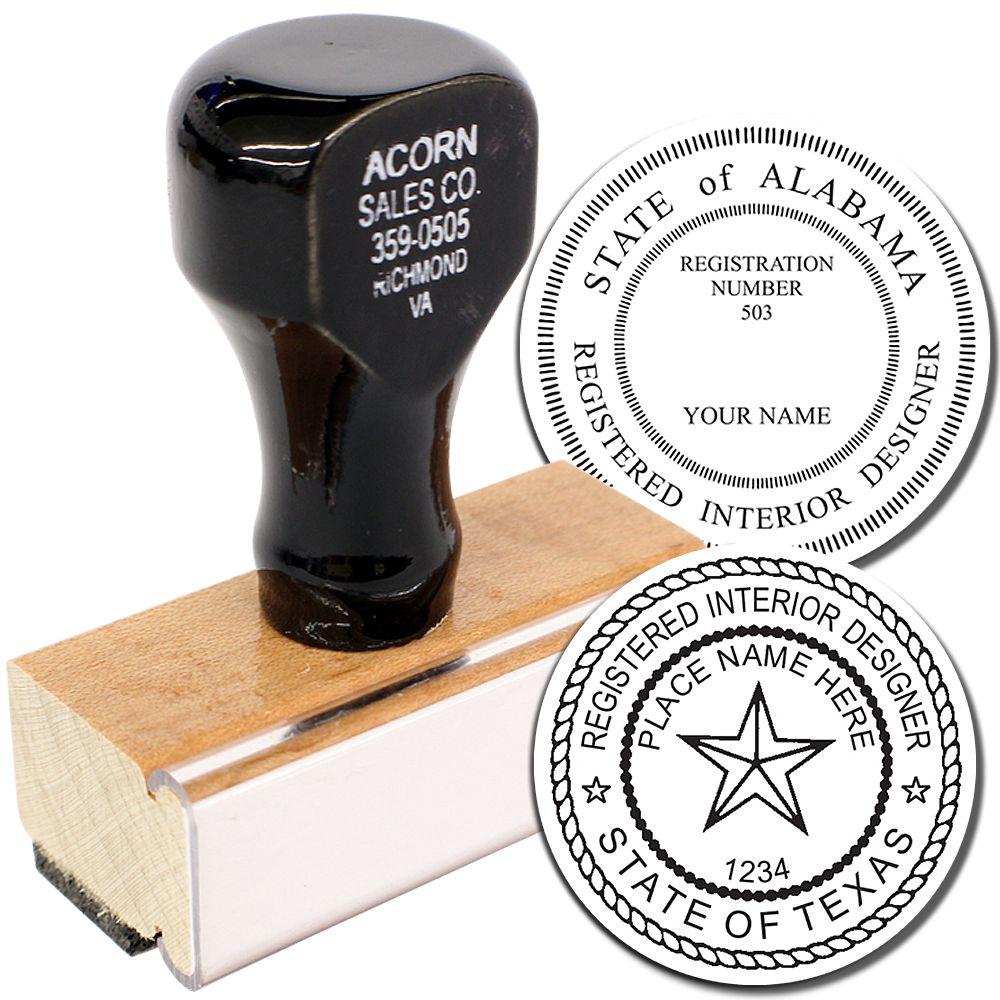

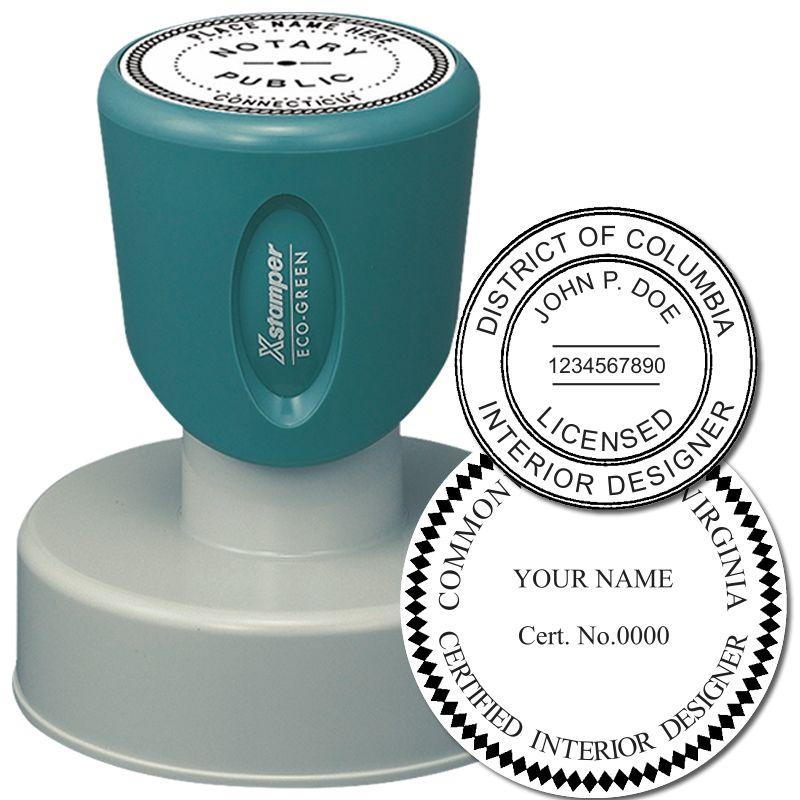



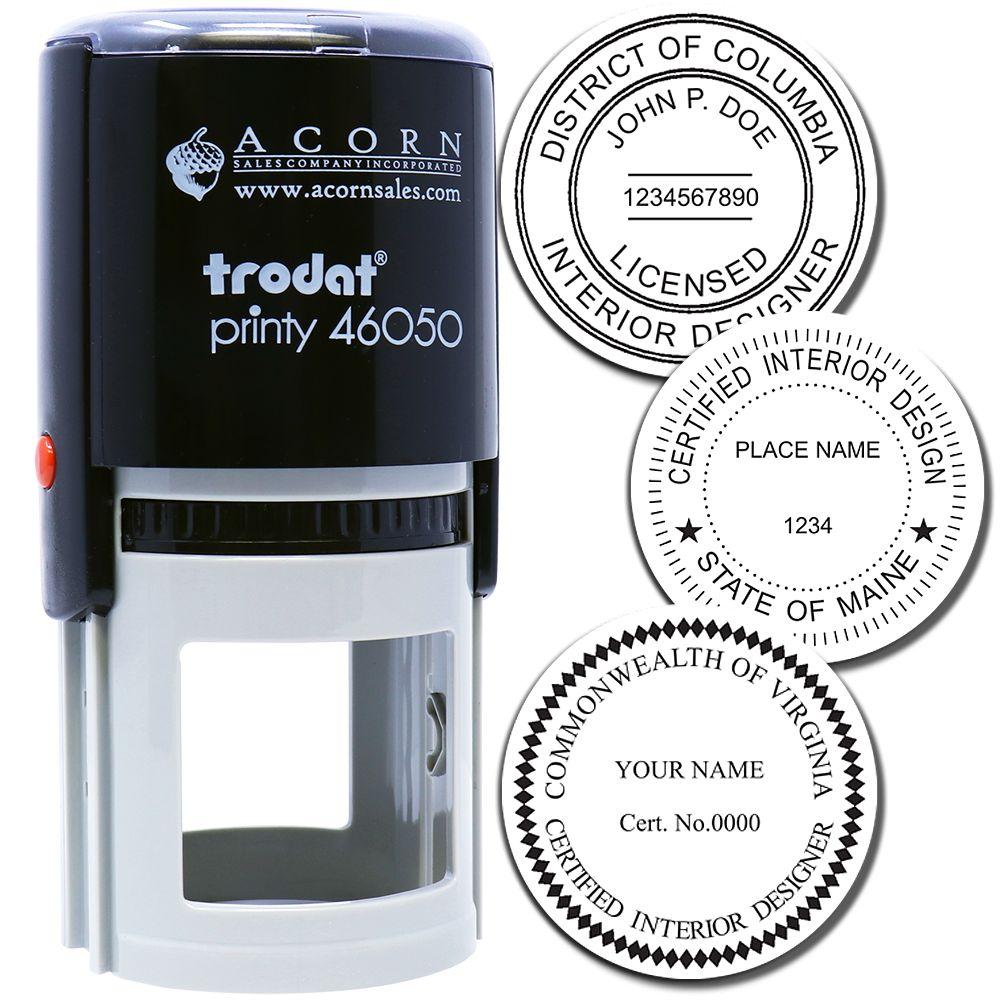
Sometimes, states revise regulations to address new industry trends or emerging design technology. Digital presentations have become standard, so the acceptable format for a seal may evolve over time. It’s essential to track these changes and adjust your stamping or sealing habits accordingly. After all, you don’t want to discover mid-project that you’re using a seal that’s no longer valid.
Keeping your license in good standing is only part of the story. Many regulatory agencies also require that you maintain professional liability insurance and follow ethical guidelines. The takeaway here? When you know your state requirements, you’re far less likely to face unwanted roadblocks or fines. You’ll also be positioned to deliver top-notch, code-compliant work that impresses your clients.
How The Seal Protects You And Your Clients
Wondering why documents need to be sealed anyway? This official imprint offers legal clarity. For instance, if a question ever arises about who designed a particular project, the presence of your seal indicates clear responsibility. Instead of endless back-and-forth, your seal confirms that you stand behind those plans or specifications.
At the same time, the seal shields your clients from subpar or fraudulent work. When they see detailed documents bearing your seal, they know they’re dealing with a licensed professional who adheres to state-wide standards. It gives your clients peace of mind that the design meets safety codes and best practices.
Beyond trust, the seal ensures accountability in the event something goes wrong with a completed project. Of course, nobody hopes for structural or safety issues, but if they arise, the seal shows that a qualified professional took responsibility for the design. That can influence how potential liability is addressed and resolved, preventing blame from landing randomly.



Differences Between A Stamp And A Seal
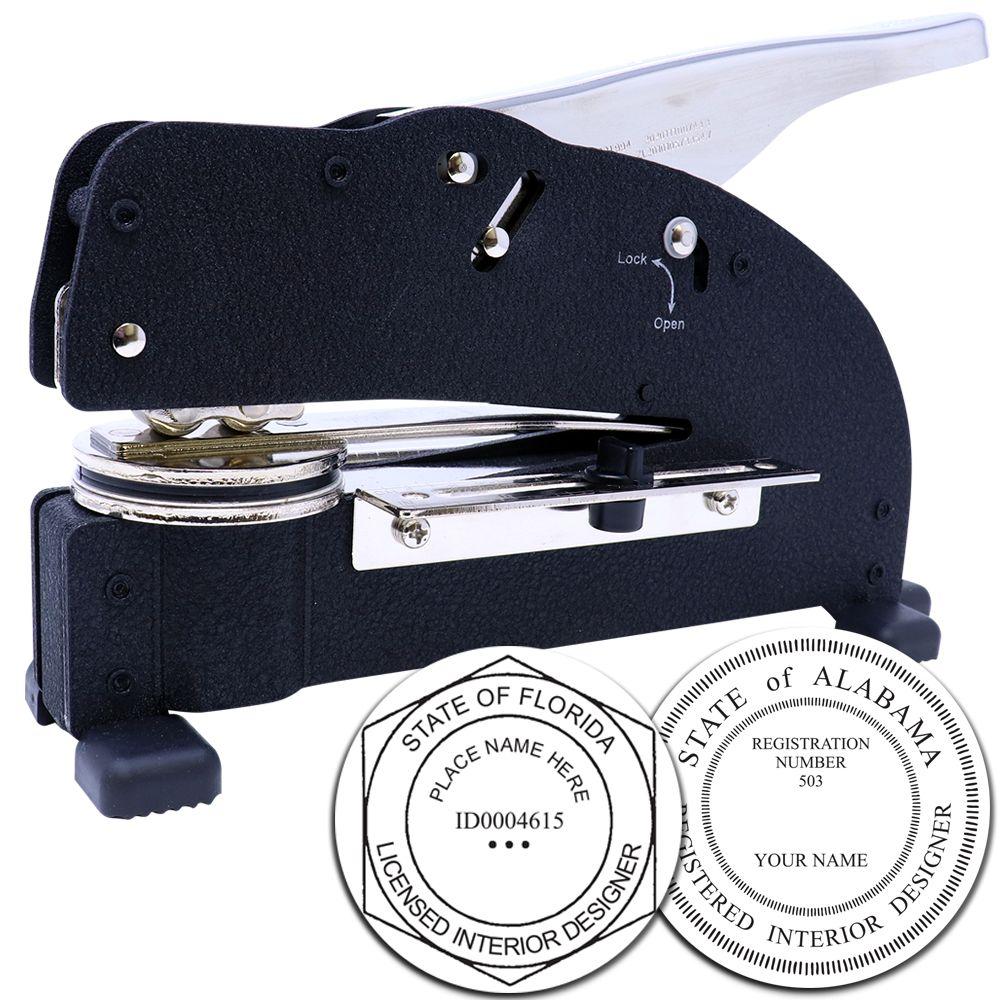
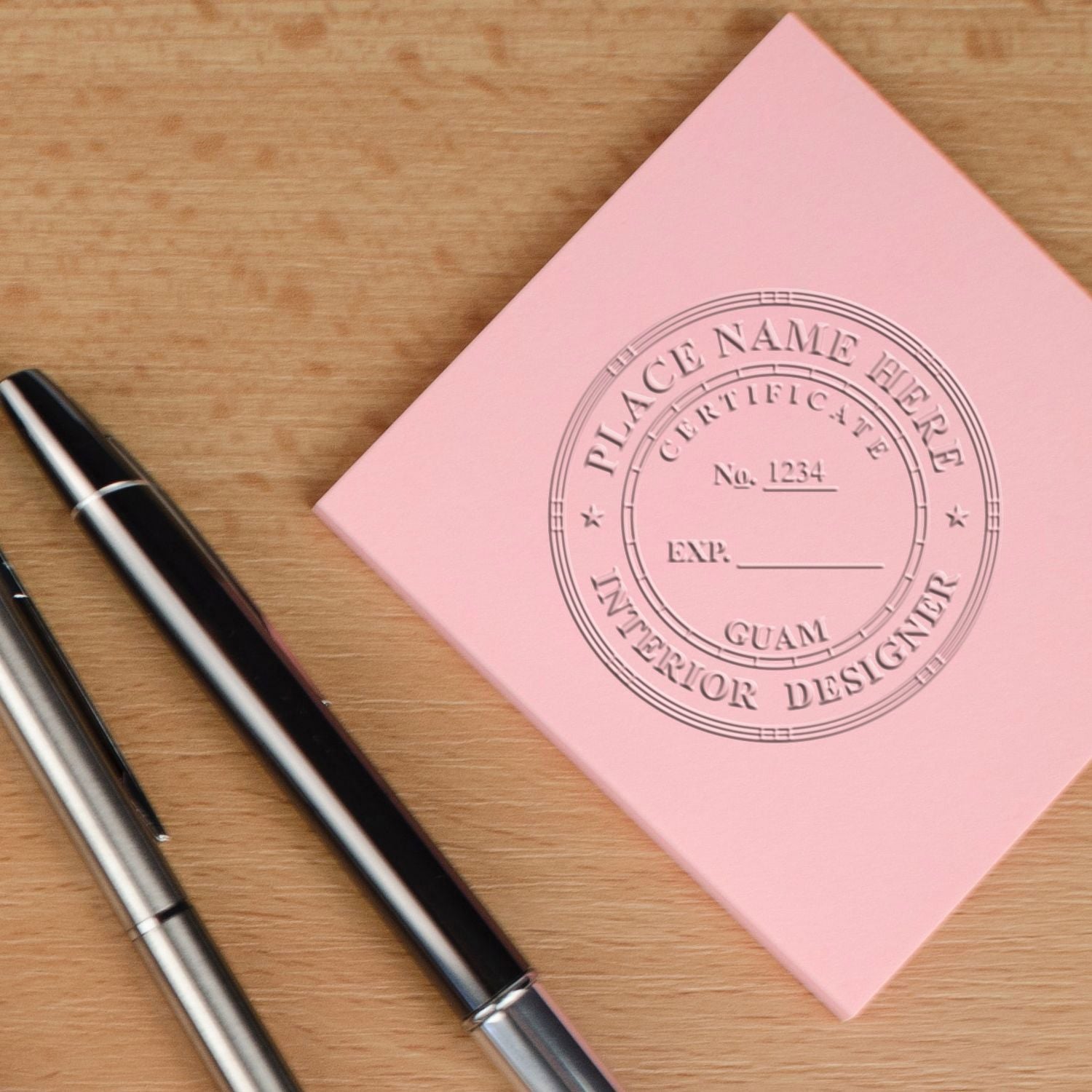
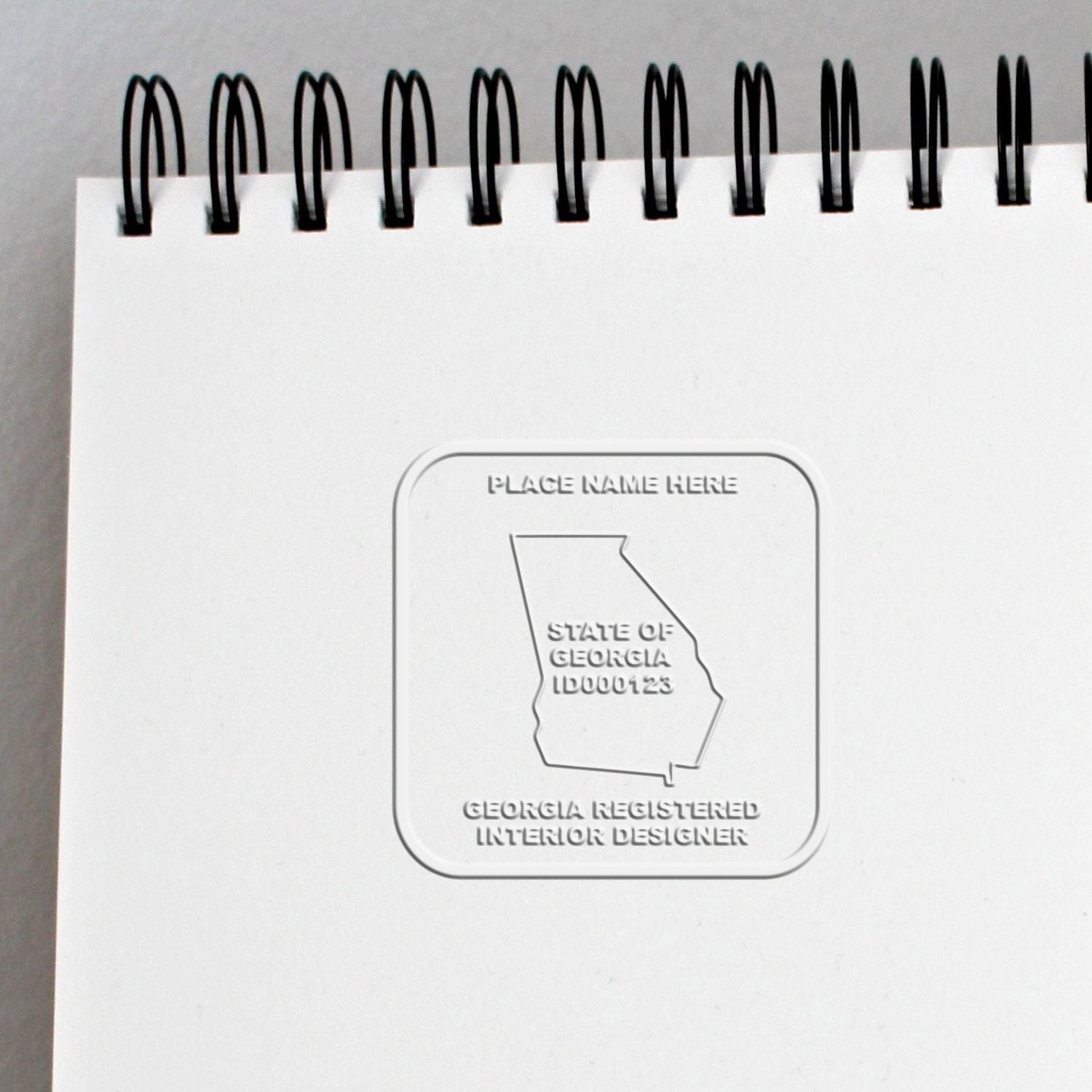
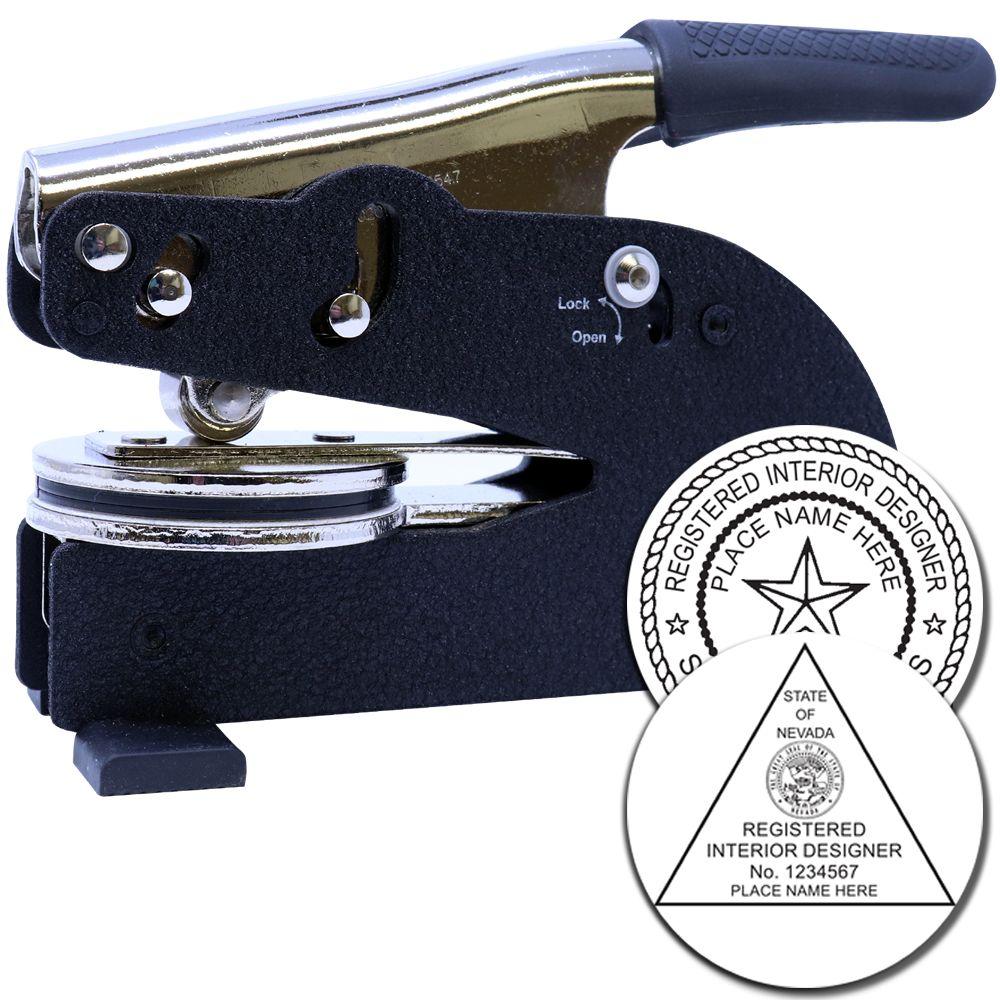
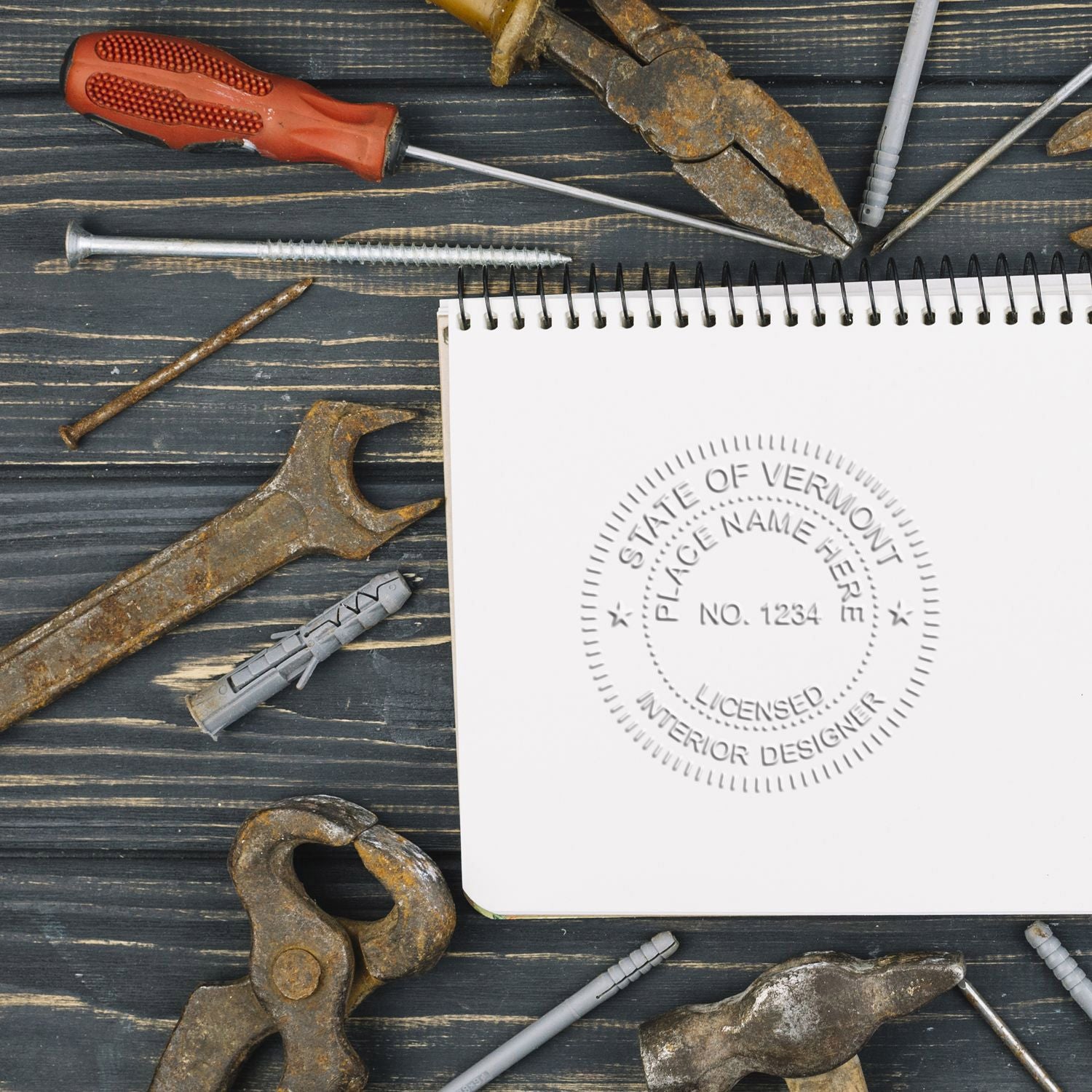
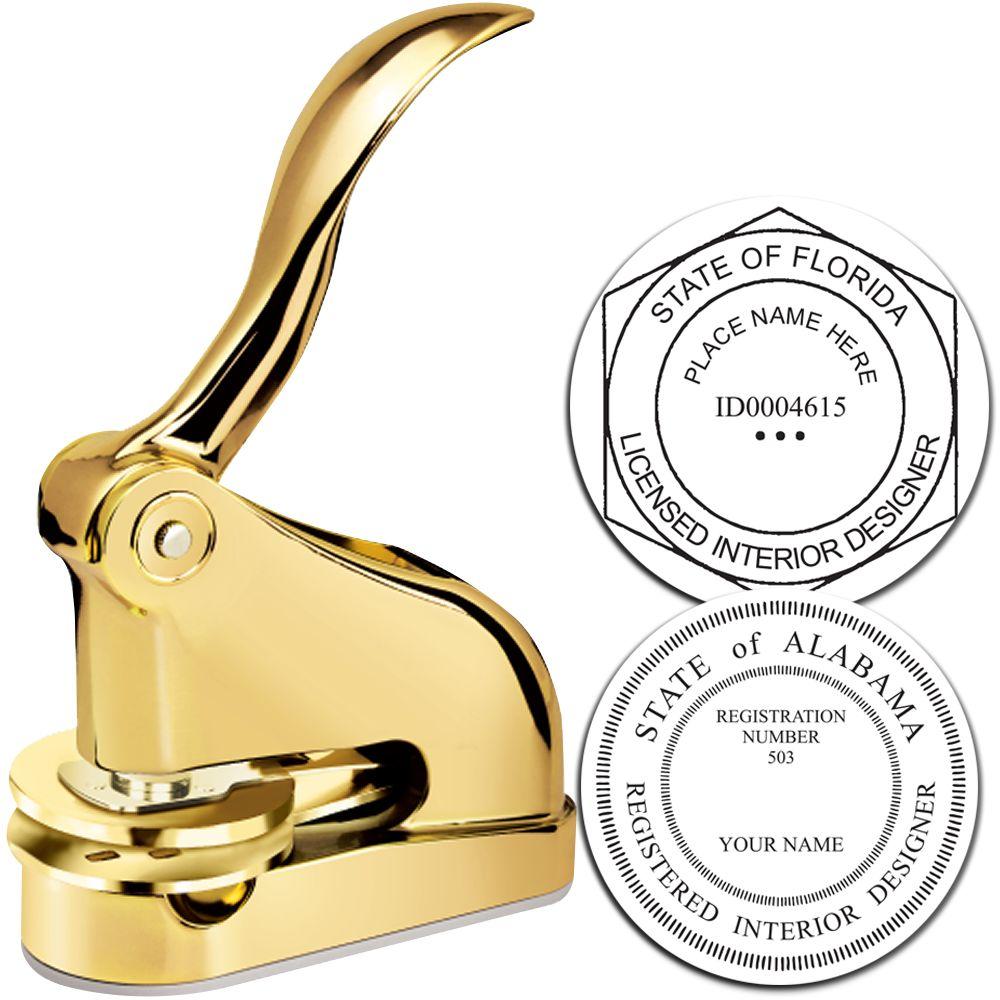
If you’re new to the whole process, you might wonder whether there’s a difference between a “stamp” and a “seal.” In many contexts, the words are interchangeable, referring to a professional mark that identifies you as a licensed interior designer. However, in practical terms, a stamp often involves ink, while a seal can refer to an embossed imprint or an electronic version.
- Ink Stamp: Usually a rubber stamp that applies ink to your plans or paperwork. This type is quick, convenient, and easy to replace if it wears out.
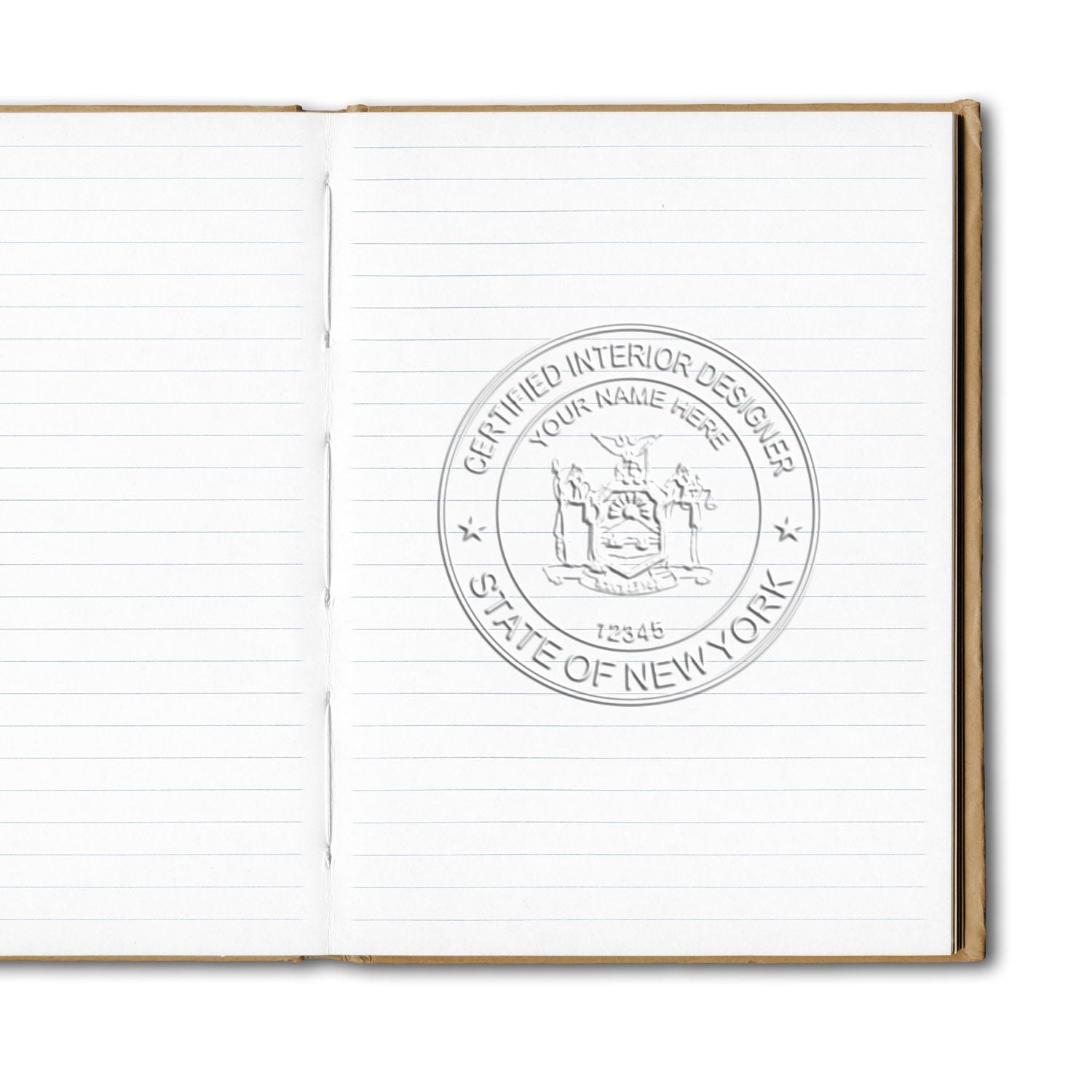
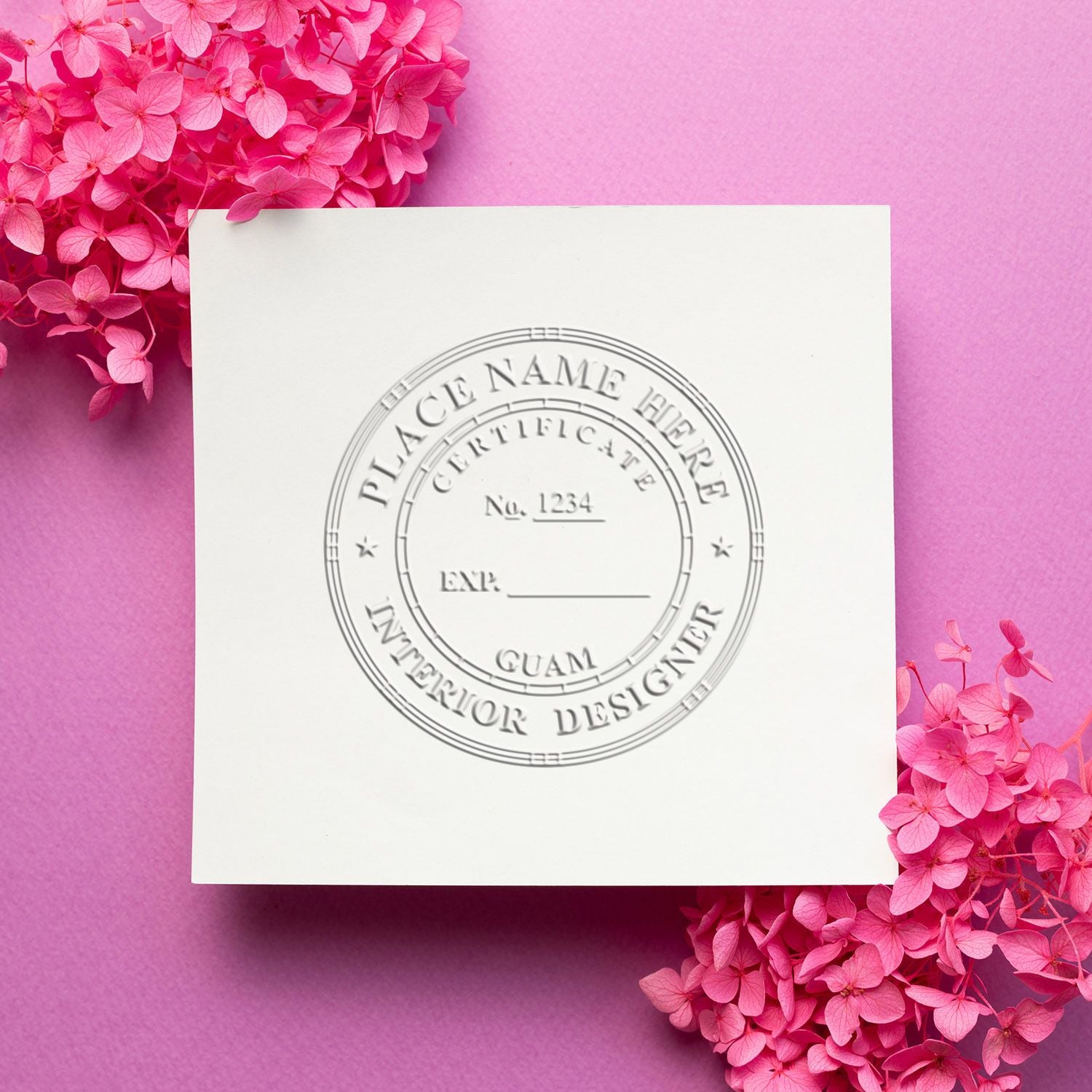
- Embossed Seal: Creates a raised impression on paper, offering a tactile, elegant look. Some professionals prefer embossing for added formality.
- Electronic Seal: A digital file that serves the same purpose but can be placed on PDFs, images, or other electronic documents.
All three options serve the same official function. Which one you choose will depend on personal preference, budget, and the projects you tend to work on. Many professionals keep multiple formats on hand in case a client requests a specific presentation style.
Steps To Obtain Your Oklahoma Seal
Securing your seal involves more than going online and placing an order. First, you must satisfy the state’s licensing requirements. Typically, that includes completing an accredited interior design program, passing an approved exam (often the NCIDQ exam), and meeting any experiential requirements. You’ll then apply for your Oklahoma license through the state board.
Once you’re officially licensed, you can purchase your seal or stamp. Be sure to:
-
Identify a Trusted Supplier
You want to buy from a company that understands Oklahoma’s design laws and produces seals of the correct size and format. Some suppliers specialize in professional stamps that comply with state mandates. -
Choose Your Seal Format(s)
Decide whether you need an embossed seal, an ink stamp, or both. Many professionals also opt for an electronic seal to handle digital submissions. -
Provide Your Licensing Details
Typically, you’ll need to supply your official name, license number, and sometimes the date of licensure. This information goes on the seal to confirm your identity and authority. -
Verify Requirements
Double-check that your seal meets any state board guidelines, including wording and layout. If you go with a custom design, ensure it doesn’t stray from the recognized template. -
Maintain Copies
Keep a log of your seal usage, in case you need to document when and where it was applied. It’s good practice to archive digital copies of your sealed drawings too.
This initial setup may take a bit of time, but it’s important to get it right. Cutting corners could mean redoing your seal later, or worse, accidentally violating state regulations.



Where Acorn Sales Comes In
If you’re shopping for a trusted supplier to create or replace your Oklahoma interior designer seal, consider Acorn Sales. We’ve been in the business since 1964, helping professionals like you maintain compliance with ease. We offer a free electronic seal along with your purchase, which can save you time if most of your work is digital.
Because the rules can change, our team stays up to date on Oklahoma’s licensure standards. We ensure that every seal is customized according to current specifications. Whether you prefer an embossing device, a self-inking stamp, or a combination of both, we’ve got you covered. Need more info on the design process or how to integrate your seal into your workflow? Just reach out, and we’ll guide you step by step.
If you’re also in need of an official stamp, you can learn more about the entire range of options at Oklahoma interior designer stamp. That quick read might help clarify your choices if you’re still deciding between an ink stamp or an embossing seal.
Tips To Maintain Compliance
Securing your seal is just one step. Once you have it, you’ll need to make sure you’re following all relevant regulations. Here are a few tips to keep your practice on the up-and-up:
-
Keep Your License Current
Always renew your Oklahoma interior designer license before it expires. Missing a renewal deadline could mean extra fees or suspension. -
Stay Informed
Sign up for updates from the state board. Any changes in seal size or format might come from official bulletins, so it pays to read them. -
Document Everything
It’s wise to store scanned or digital versions of every sealed document. This not only protects you, but also helps you respond swiftly to any client questions. -
Use Your Seal Properly
Make sure you only apply your seal on documents you’ve prepared or directly supervised. Stamping someone else’s work can violate state guidelines. -
Meet Continuing Education
Oklahoma, like many states, often requires ongoing professional education. Keep track of these courses so you can renew your license hassle free.
Staying organized is the key to good compliance habits. You’ll save yourself headaches later by properly logging each project, maintaining your own verification records, and ensuring that you only seal documents that truly reflect your own work.
What to check before you order
By now, you know how important your seal is. Your seal is a visible declaration of your expertise and accountability. In a field where design and safety intersect, that’s a big deal. The better you understand why your seal matters, the more easily you can incorporate it into your daily workflow.
If you’re ready to move forward, consider setting up your order with Acorn Sales. You’ll receive guidance tailored to Oklahoma’s rules, plus a free electronic seal to simplify your digital submissions. We’re proud to have served professionals since 1964, and we’d be honored to assist you too.
Taking time to understand your professional obligations is well worth the effort. With the right tools, proper licensing, and a reliable supplier, you can confidently apply your seal to every project and show off your hard-earned expertise.
Frequently Asked Questions
What Is The Purpose Of A Professional Interior Designer Seal?
Your seal is an official mark that verifies your qualifications and compliance with Oklahoma law. When you place it on plans or documents, you confirm that you’re the licensed professional responsible for that work.
Why Does Oklahoma Require Seals On Interior Design Documents?
Requirement standards vary by state, but in Oklahoma, the main goal is to ensure public safety and enforce accountability. The seal shows that a recognized professional has reviewed the plans, which reduces the risk of errors in building or remodeling projects.
Can I Use An Electronic Seal Instead Of A Physical Stamp?
Yes, electronic seals are accepted when you’re sending digital documents, as long as they meet Oklahoma’s official guidelines. Many designers like having both digital and physical versions, especially if they handle projects in multiple formats.
How Often Do I Need To Renew My Interior Designer License?
In Oklahoma, you typically renew your license every set period (often annually or biennially, check the state’s requirements for the exact schedule). Make sure you track the renewal dates, complete any required continuing education, and pay fees on time.
Where Can I Buy An Official Seal That Meets Oklahoma Regulations?
Acorn Sales is a trusted source for Oklahoma interior designer stamps and seals. We’ve been around since 1964, so we know the ins and outs of compliance. Plus, each purchase comes with a free electronic seal, making it easier for you to handle both paper and digital submissions.








