
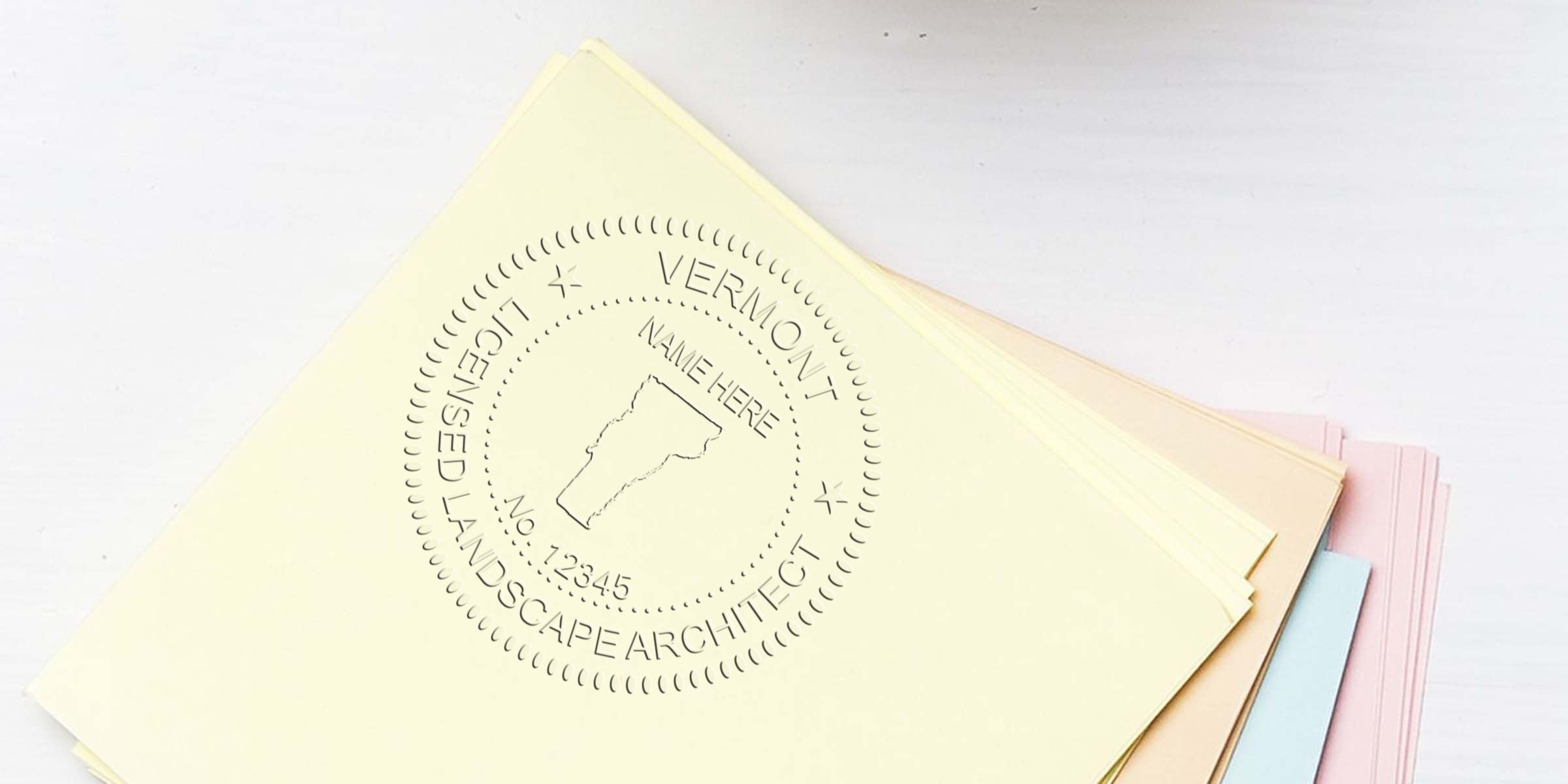
When you’re looking for Vermont Landscape Architect Stamp information, you probably want clarity on the rules, where to buy, and how to stay compliant. You might be designing a public park, a backyard oasis, or a citywide green-space plan. Either way, Vermont requires that you affix a professional seal to finalize your landscape architecture drawings. In this post, we’ll walk through the essentials, clear up any confusion, and share a few insider tips to help you feel confident about using your stamp or seal. By the end, you’ll know exactly why a Vermont Landscape Architect Stamp matters, where to get one, and how to keep it in good standing.
Know the Purpose of Your Stamp
A professional landscape architect stamp is more than a formality. It reflects your credibility and ensures that your designs meet Vermont’s regulatory and professional standards. This state-specific stamp includes your name, license number, and often the official state seal. Once you place it on drawings and other formal documents, you’re taking responsibility for the design’s accuracy and compliance with local codes.
Why State Specifics Matter
Vermont has unique rules and guidelines for landscape architecture. Each state sets its own requirements, so a seal used in one location won’t necessarily meet the needs of another. When you register as a landscape architect in Vermont, you commit to following the state’s laws, and your stamp is a permanent reminder of that pledge. If you have questions about the nitty-gritty details, you can check out the vermont landscape architect stamp requirements to make sure you’re on the right track.
Understand the Regulatory Basics
Before you start stamping everything in sight, it helps to understand the governance behind it all. Vermont’s Office of Professional Regulation typically outlines:
- The official design of your seal or stamp.
- The size and shape requirements, so your seal is always visible.
- The information you must include (like your name and license number).
- Whether electronic seals or wet stamps are acceptable.
Because these rules can change, it’s good practice to keep up with the Office of Professional Regulation updates. Staying informed reduces the risk of an unintentional violation that could complicate your project or licensing status.
Common Submission Requirements
Placing your Vermont Landscape Architect Stamp on a document might sound straightforward, but there are a few common submission rules:
- Ensure each page with technical details is sealed.
- Sign or date the document near the stamp, if required.
- Double-check if you need a raised impression or a wet signature.
- Avoid incomplete documents: only stamp final drawings.
By following these steps, you show that you’re taking care of your clients, your profession, and Vermont’s residents—everyone trusts that a properly sealed plan is accurate and safe.
Choose a Trusted Stamp Supplier
Once you’re clear on the basics, you’ll need a reliable place to purchase a Vermont Landscape Architect Stamp. This ensures that you meet all regulatory standards and that the stamp itself lasts for years to come. Here’s the thing: not all suppliers are created equal, and you don’t want to waste money on a stamp with poor craftsmanship.
Why Acorn Sales?
Acorn Sales has been trusted for Vermont Landscape Architect stamps and seals since 1964. We’ve stayed in business for over half a century by delivering durable, high-quality stamps and seals time after time. Plus, you get a Free Electronic Seal included with every physical stamp purchase—meaning you can effortlessly apply your seal to digital documents without having to rely on scanned versions or messy graphics.
What To Look For
When shopping for stamps, keep these pointers in mind:
- Durability: You want a stamp that can handle hundreds (or thousands) of imprints.
- Clarity: The letters and numbers should be sharp and easy to read.
- Customization: Make sure your name and license number are perfectly accurate.
- Customer support: A friendly, knowledgeable team can make a huge difference if you run into any technical or compliance questions.
Explore Your Stamp Format Options
Landscape architect stamps come in a few different formats, and each has its perks. The type you pick might depend on your plan submission method, professional preference, or budget.
Self-Inking Stamp
A self-inking stamp contains ink within the device itself. Every time you press down, an internal pad re-inks the die, creating a crisp impression. If you’re working on dozens of pages in a single day, a self-inking stamp can save you time, and you won’t need a separate ink pad.
Pre-Inked Stamp
A pre-inked stamp generally offers sharper impressions compared to self-inking models. It uses an ink reservoir within the stamp, but the material is more tightly compressed, leading to cleaner lines. If you like a crisp, professional look with minimal maintenance, pre-inked is often a good bet.
Embossing Seal
An embosser creates a raised impression on the page. It looks official, feels distinct, and is highly tamper-resistant since you can feel the seal by touch. However, embossing can be tricky if you frequently need to scan or photocopy documents. The raised relief isn’t always visible in digital copies, so you might need to pair your embossing seal with an ink stamp to satisfy submission rules.
Maintain Compliance with State Rules
Having the right Vermont Landscape Architect Stamp is essential, but staying compliant is an ongoing job. You want to keep your license active, renew your stamp or seal if needed, and stay aware of any regulatory changes. Vermont’s rules might shift over time, especially in matters of design standards or submission processes.
Routine Check-In
Here’s a habit worth forming: schedule a quick yearly review of the current guidelines for your license. Make sure your contact information is up to date with the relevant board or association. If they send a notice about a new rule or upcoming changes, you’ll get it quickly and can adapt before it affects your next project.
Top Mistakes To Avoid
- Neglecting to sign or date your stamped documents.
- Using a worn-out stamp that’s no longer legible.
- Leaving your stamp in the hands of someone unlicensed.
- Failing to update your seal if you change your name or license details.
A little diligence goes a long way. Plus, by sidestepping these pitfalls, you protect both your professional reputation and your clients’ trust.
Consider the Benefits of Electronic Seals
We live in a digital era, and as a Vermont landscape architect, you might deal with a lot of online submissions. That’s why electronic seals are increasingly popular. They’re quicker to apply, simpler to replicate, and they save you from the occasional pen stain. With an electronic seal, you can stamp drawings, reports, or any other required documentation in just a few clicks.
Security Features
Digital doesn’t mean insecure. Reputable e-seal providers (like Acorn Sales) typically include security features such as tamper-proof stamping, unique identifier codes, and date tracking. If a file is modified after you place the seal, you or the statereview board can often detect that change.
Convenience and Speed
Electronic stamps save time and paper. Think of it like this: you don’t have to wait for someone to physically drop off a document needing your stamp. Instead, they send a file, you apply your e-seal, and it’s good to go. This streamlines your workflow, especially if you’re juggling multiple projects or working with an out-of-state team.
Protect Your Professional Identity
Your Vermont Landscape Architect Stamp is linked to your professional license. Once you begin stamping official documents, you put your credibility on the line. A few pointers to keep your professional identity safe:
- Keep your stamp locked away or protected with a password (if it’s electronic).
- Never lend it out for any reason.
- Monitor your official documents for unauthorized modifications.
Once a design is sealed, it’s recognized as your professional work. If something doesn’t align with your plans, you don’t want your stamp associated with it. Taking the extra step to safeguard your official tool might spare you confusion later.
Plan for the Future of Your License
As a landscape architect in Vermont, you likely have continuing education or renewal requirements to maintain your license. The seal requirements may also evolve, particularly with increased use of e-signatures and secure digital platforms.
Keep Track of Renewals
Make a note of your license expiration date. Renewing on time is crucial because working with an expired license can lead to fines and disciplinary action. If your license lapses, your stamped designs won’t hold the same legal weight. Renewing might also involve verifying that your stamp meets updated standards.
Upgrade Your Equipment
If you’ve been using the same physical stamp for several years, it may be time for a refresh. Over time, a worn die can compromise the clarity of your imprint. Likewise, if your e-seal software is outdated, you could face technical glitches or issues with official acceptance. Periodic upgrades keep your business running smoothly and reflect a level of professionalism that your clients will appreciate.
Key Takeaways
- Vermont landscape architect stamp information is vital for proving your licensing and meeting regulatory standards.
- Each state has its own rules, so keep up with the requirements that apply in Vermont.
- Acorn Sales has been a trusted supplier since 1964, offering high-quality stamps, free electronic seals, and top-notch customer service.
- Don’t forget the ongoing compliance steps: renew your license, keep your seal updated, and guard it against unauthorized use.
- Electronic seals can streamline your digital workflow, but many projects still require a physical stamp for official paper documents.
By understanding all these elements, you’re putting yourself in a strong position to excel as a professional landscape architect in Vermont. If you’re still curious, check out the vermont landscape architect stamp requirements or swing by our website for more details on everything from self-inking stamps to embossers. Now you can confidently apply your stamp, knowing it holds the weight of your dedication, expertise, and the trust of the Green Mountain State. Happy designing!
Frequently Asked Questions
Do I Need a Physical Stamp if I Have an Electronic Seal?
” Yes, in most cases, you still need a physical stamp for traditional paper submissions. An electronic seal is handy for digital workflows, but some agencies or clients require hard copies with a standard ink or raised impression.
What Happens if My Stamp Gets Damaged or Worn Out?
” You should replace it promptly. A poorly stamped impression can lead to document rejections. At Acorn Sales, we can quickly update your design, making sure you’re always ready to meet Vermont’s requirements without hiccups.
Am I Required to Sign Every Page That I Stamp?
” Guidelines can vary, so check the official rules or any relevant local ordinances. Often, you must sign or initial near the stamped area, especially on technical drawings or formal documents.
Can Someone Else Use My Stamp If I’m Out of the Office?
” No, only you as the licensed landscape architect may use your stamp. Lending it out, even to a trusted colleague, violates professional conduct rules and could lead to penalties.








