
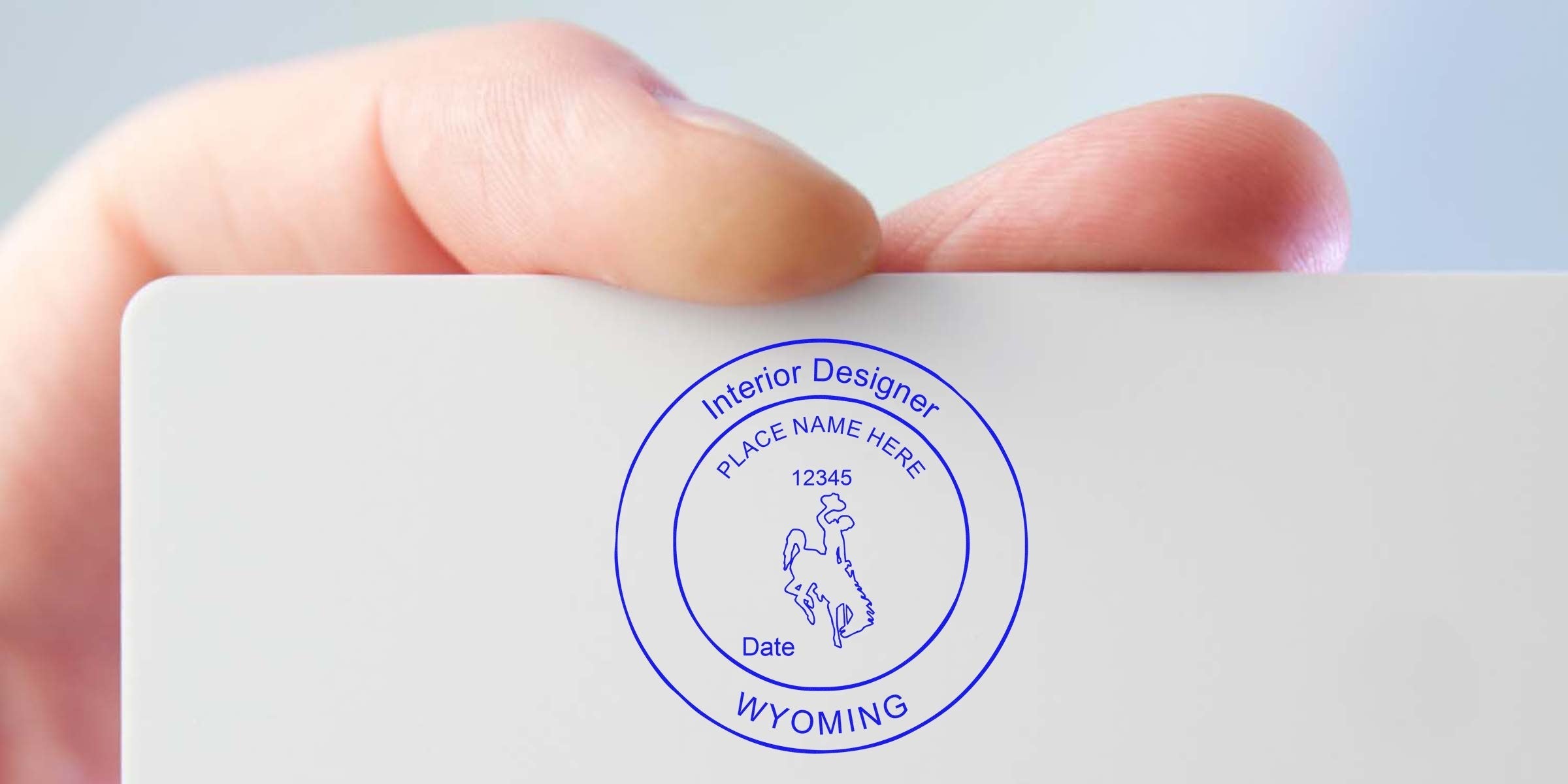
Are you planning to practice interior design in Wyoming and curious about the rules around stamping your work? Let’s chat about Wyoming interior designer seal specifications right from the start. You’ve likely poured your heart into designing unique spaces, choosing perfect textures, and aligning every piece of furniture with your personal style. But in Wyoming, as in many other states, an official designer seal is more than just a formality. It’s a stamp of approval that shows clients, regulatory boards, and the public that your designs meet professional standards and follow legal guidelines. In this post, we’ll talk about why these specifications matter, how to meet them, and how to keep your work fully compliant.
Explore Seal Importance
Why does a seal matter so much? As an interior designer, you’re responsible for ensuring that the spaces you create are safe, functional, and aesthetically pleasing. The right seal is often the first sign that you’ve followed all required procedures. It helps clients trust your expertise and signals your professional integrity to anyone who checks your documents.
- Seals provide a legal signature. They prove the authenticity of your plans and confirm that you, a credentialed professional, stand behind your work.
- They aid in clear communication. When a project has an official stamp, it tells contractors, clients, and city officials that the plans meet Wyoming’s guidelines.
- They help protect you from disputes. If somebody questions your design, a valid seal shows you’ve met requirements.
Seals also unify your documentation. Think of them like the finishing touch on a masterpiece, similar to an artist signing a painting. Without it, your work might look incomplete, no matter how perfect the rest of the design is.
Know The Regulations
You might be wondering, what exactly are the official rules in Wyoming for interior designer seals? While every state sets its own standards, Wyoming typically follows a standard process that includes verifying your professional qualifications, making sure your design plans are code-compliant, and confirming that your seal meets specific layout details.
To stay on top of the rules:
- Check the state’s board requirements. Wyoming’s regulatory body outlines what is mandatory for the seal, such as size, wording, and spacing.
- Confirm your licensure. You have to be properly licensed in Wyoming or hold a recognized equivalent.
- Keep your information updated. If you move, change your name, or transition from one professional status to another, update your details with the state.
If you’d like a deeper dive into official guidelines, you can explore the Wyoming interior designer stamp requirements. This resource will help you verify that your seals and stamps fully comply with the relevant laws so you can focus on what you do best, which is creating inspiring interiors.
Follow Official Specifications
Now let’s look closer at the actual layout and formatting. Because interior design often involves precise drawings and detailed plans, the seal should clearly identify you and your work. Although exact details can shift if state regulations are updated, here are some core elements:
- Diameter: Many states advocate a standard size, often around 1.5 to 2 inches, so it remains legible without overwhelming the drawing.
- Wording: Your legal name and your professional designation (e.g., “Registered Interior Designer”) typically appear in a circular layout around the seal.
- Border: Most seals include a fine line or stylized border, which helps the text stand out.
- Signature Field: Some seals leave room in the center for your signature or an official stamp date.
Because these Wyoming interior designer seal specifications can evolve, double-check current state guidelines to make sure you don’t miss new details. While these rules might feel like an extra step, they actually create consistency across design documents, making your paperwork easier for clients and regulatory boards to review.
Common Format Tips
- Use high-resolution graphics if you’re creating a digital seal. Blurry images look unprofessional and might not be accepted by certain agencies.
- Keep fonts simple and legible. Overly stylized lettering diminishes clarity.
- Practice stamping. Before you seal final drawings, do a few test stamps to ensure even ink coverage and correct placement.
Obtain Your Stamp
When you’re ready to get your Wyoming interior designer stamp, it’s crucial to work with a trusted supplier that knows the ins and outs of state rules. Since 1964, Acorn Sales has been a go-to resource for architects, engineers, and interior designers who need reliable, regulation-compliant stamps and seals. We’ve stayed on top of changes to state regulations for decades, ensuring you get products that won’t leave you guessing about compliance.
What’s more, we offer a free digital seal with every physical stamp purchase. That means you can finalize drawings online or in printed format. Whether you’re submitting electronic plans to a client or printing documents for local building officials, having a digital version of your seal saves time and streamlines your workflow.
What To Consider Before Buying
- Verify authenticity: Make sure the vendor provides stamps specifically designed to meet Wyoming laws.
- Check product durability: You’ll be using the stamp regularly, so a sturdy, long-lasting device is a must.
- Confirm shipping and support: If you’re crunched for time, quick delivery and responsive customer service can spare you headaches.
You might be tempted to order a generic seal from the first online store you find, but that could lead to trouble. If the seal doesn’t meet Wyoming requirements, you might have to reorder, potentially delaying your projects. Working with a reputable supplier like Acorn Sales ensures you’re set up for success from day one.
Maintain Compliance Properly
Seals aren’t just about the initial design, stamp, and signature. Once you have your official Wyoming interior designer seal, you also need to maintain best practices throughout your career. Wyoming law, like that of other states, can evolve over time, meaning that you may need to refresh your seal or update accompanying documentation.
- Stay updated on legislative changes. If new guidelines are published, you may need a revised seal.
- Keep records of all your sealed documents. You never know when you’ll need to reference a past project.
- Renew your license on time. Your seal is only valid if your professional credentials are valid too.
One easy tip is to create a digital folder for your design projects, each labeled with the date and project details. That way, if there’s ever a question about a sealed document, you can quickly find your reference materials. Think of it like organizing your closet: the more everything has its place, the easier it is to locate exactly what you need.
Avoiding Common Pitfalls
- Double-check your signature. Be sure it’s consistent and legible.
- Confirm the seal placement. Most states prefer corners or designated areas on the plans so the seal doesn’t obscure vital information.
- Don’t reuse outdated seals. If the laws or your credentials change, get a new seal immediately.
Keeping your seal up-to-date isn’t just a box to check. It’s an ongoing commitment to professional standards that reflect positively on your practice.
As you can tell, the right seal isn’t just a formality on paper. It’s a practical tool that helps you align your professional identity with state requirements and keep your projects running smoothly.
Whether you’re a brand-new designer or a seasoned pro, understanding and following Wyoming interior designer seal specifications is crucial. You don’t want to find out too late that your seal is invalid or missing key elements. By staying current with regulations, acquiring a compliant stamp, and maintaining everything properly over time, you’ll demonstrate your commitment to top-quality design. Not only does this protect your reputation, but it also builds trust with clients, colleagues, and regulatory boards.
Ready to level up your documentation? Check out trusted suppliers like Acorn Sales for a tailor-made stamp solution and free digital seal, so you can focus on what truly matters: creating inviting, functional spaces that people love. If you have your own tips or questions, feel free to share them. After all, interior design is better when we learn and grow together.
Frequently Asked Questions
Do I Need A New Seal If I Move Within Wyoming?
If your contact information or professional status changes (for instance, you change your name or city), you typically don’t need an entirely new seal unless the board specifically requires updated text. However, you should notify the licensing board to keep your records current.
Is A Digital Seal Worth It If I Still Print Most Plans?
Absolutely. Even if you primarily print your drawings, many clients and agencies now accept or even prefer digital submissions. A digital seal can speed up collaboration, allowing you to send sealed documents instantly, especially for remote projects. Acorn Sales can provide a free digital seal with your physical stamp purchase to make your life easier.
How Often Do Wyoming Regulations Change?
Regulatory changes vary, but any shifts in legislation or professional guidelines usually occur after formal board reviews. It’s a good idea to check official announcements at least once a year or subscribe to updates from your local professional societies.
Can I Use My Wyoming Stamp Outside The State?
Typically, professional stamps are valid only in the jurisdiction where you’re licensed. If you plan to work in another state, you’ll need a separate stamp that meets that state’s rules. Always confirm licensing requirements before sealing documents for other jurisdictions.
Why Choose Acorn Sales Over Other Stamp Suppliers?
Acorn Sales has served design, engineering, and architectural professionals since 1964, offering both reliability and know-how. We stay on top of regulatory shifts, we’re known for our durable products, and we provide a free digital seal with every stamp. Plus, friendly customer support helps you select the perfect stamp, so you’re not stuck with something that doesn’t match Wyoming’s guidelines.








