

Written by Acorn Sales Company, manufacturing stamps and seals since 1964 · Reviewed by Holly R, VP of Sales and Marketing at Acorn Sales, against the South Carolina State Board of Architectural Examiners and S.C. Code Ann. § 40-3-280 on 21 September 2026 · Updated 21 September 2026
Two seals go on a South Carolina sheet, and the plural on the firm seal is the tell. Regulation 11-11.A requires that “The seal and signature of the architect in responsible charge and the architectural firm’s seal shall appear on all architectural documents to be filed for public record and shall be construed to obligate the architect and the firm,” and then forecloses the shortcut in the other direction: a firm seal alone is insufficient. The individual seal reads Registered Architect. The firm seal reads Registered Architects. A supplier cutting a firm die from the individual specification gets the legend wrong by one letter.
Both devices are circular, one and three-quarter inches in diameter with a concentric inner circle of one and three-sixteenths inches. The individual seal carries the name of one architect, the business location and the registration number inside the inner circle; the firm seal carries the firm name, business location and license number.
That business location is unusual, and it has a consequence nobody expects: an office move makes an otherwise valid South Carolina architect seal inaccurate even though the registration is untouched. Budget for a new die when the address changes, and update the electronic image too, since Regulation 11-11.E requires it to carry the same words and substantially the same appearance and size.
South Carolina architect seal requirements at a glance
| Requirement | South Carolina rule | Source |
|---|---|---|
| Seal required | Yes | S.C. Code Ann. § 40-3-280 |
| Required elements | State of South Carolina at the top of the annular space; Registered Architect at the bottom of the annular space; The name of one architect inside the inner circle; Your business location inside the inner circle; Your registration number inside the inner circle | S.C. Code Ann. Regs. 11-11.C |
| Size and shape | Circular, one and three-quarter inches in diameter, with a concentric inner circle one and three-sixteenths inches in diameter. | S.C. Code Ann. Regs. 11-11.C, 11-11.D |
| Device allowed | Regulation 11 does not name a physical device type. | S.C. Code Ann. Regs. 11-11 (no device type prescribed) |
| Signature and date | Both seals plus the architect’s signature, and the record documents dated. | S.C. Code Ann. Regs. 11-11.A, 11-11.E |
| What must be sealed | All architectural documents to be filed for public record, and record documents used for obtaining building permits. | S.C. Code Ann. Regs. 11-11.A, 11-11.B |
| Electronic seal | Regulation 11-11.E permits an electronic seal and signature in lieu of originals on five conditions: unique identification of the architect in responsible charge; verifiability, having been signed and dated; direct control by the professional; a graphic image readily available and produced in a manner acceptable to the board, containing the same words and having substantially the same graphic appearance and size as the physical seal when viewed against the original; and compliance with state law on the graphic display. | S.C. Code Ann. Regs. 11-11.E |
| Renewal and lapse | Regulation 11-11.B ties use of the seal to current registration: an architect shall not use the seal or perform any service as an architect “unless holding at the time a current Certificate of Registration.” Not addressed: whether the registration number changes on reinstatement, and whether the seal must be surrendered or destroyed on expiration, suspension or revocation. | S.C. Code Ann. Regs. 11-11.B |
| Firm requirements | The firm has its own seal, and it is not optional. | S.C. Code Ann. Regs. 11-11.A, 11-11.D |
| Regulator | The South Carolina State Board of Architectural Examiners | S.C. Code Ann. Regs. ch. 11, State Board of Architectural Examiners, Regulation 11-11 (Seals), most recently amended by SCSR 46-5 Doc. No. 5082, effective May 27, 2022, read in full from the South Carolina Legislature’s Code of Regulations |


Is a seal required in South Carolina?
The statute puts a seal in the hands of both the architect and the firm. S.C. Code Ann. § 40-3-280 provides that “Every architect and firm practicing in this State shall have a seal containing the name, the place of business, and the words ‘Registered Architect, State of South Carolina’.” Regulation 11-11.A then requires that “The seal and signature of the architect in responsible charge and the architectural firm’s seal shall appear on all architectural documents to be filed for public record and shall be construed to obligate the architect and the firm.”
What must appear on the seal
- State of South Carolina at the top of the annular space
- Registered Architect at the bottom of the annular space
- The name of one architect inside the inner circle
- Your business location inside the inner circle
- Your registration number inside the inner circle
South Carolina puts the business location on the face of the seal, which most states do not, and it limits the face to a single architect: “The name of only one (1) architect, business location, and registration number shall be placed within the inner circle.” The firm device is a separate seal with its own legend, described in Regulation 11-11.D, and the plural there is deliberate. Nothing provides for an expiration date, a discipline line or an NCARB number. Do not import the South Carolina landscape architect layout from Regulation 76-4, which shares the geometry but swaps where the name and the profession sit.
Size and shape
Circular, one and three-quarter inches in diameter, with a concentric inner circle one and three-sixteenths inches in diameter. Regulation 11-11.C: “The seal shall be circular in shape and 1 3/4 inches in diameter. Concentric with the outside of the seal there shall be a circle 1 3/16 inches in diameter.” The firm seal in 11-11.D uses the same two figures.

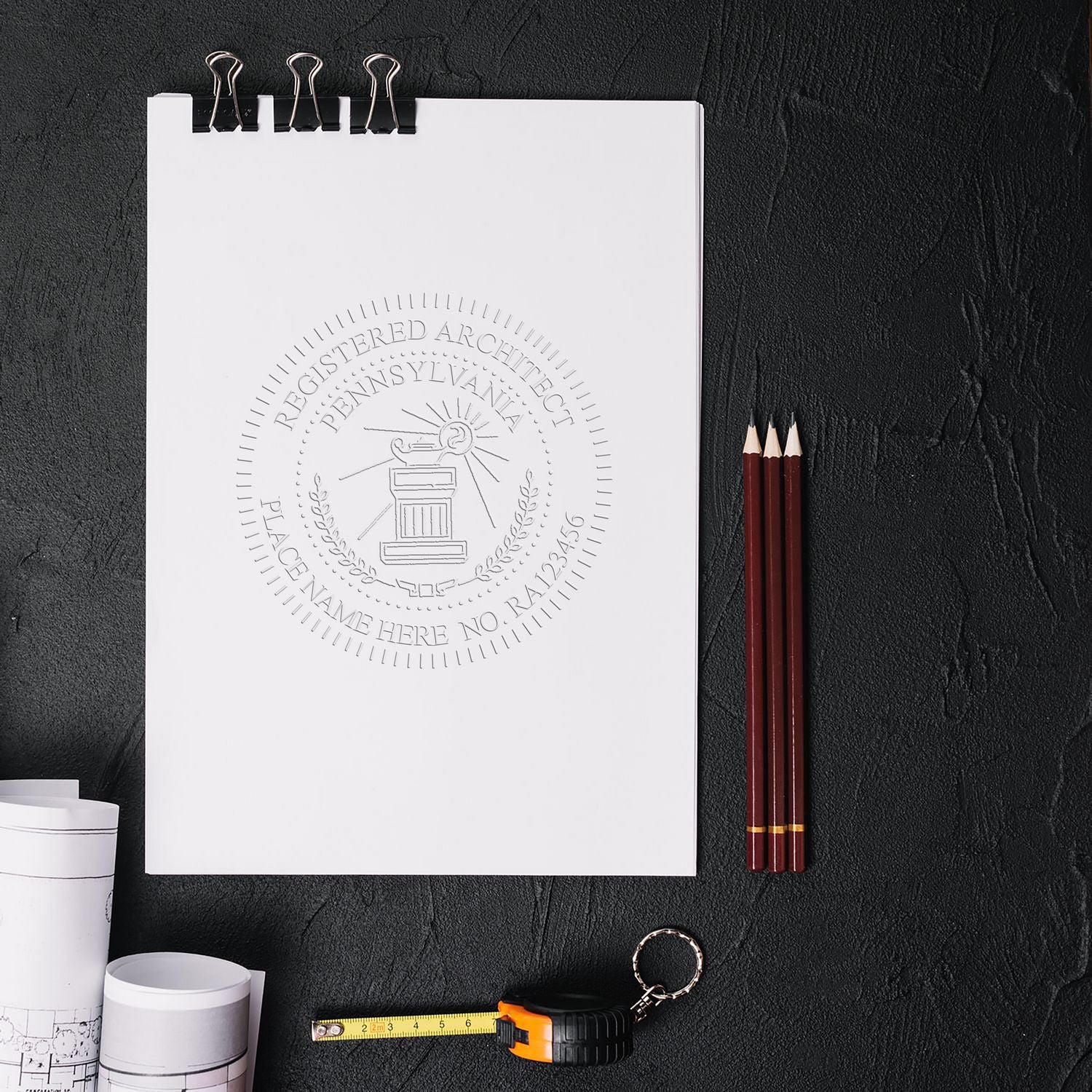
Embosser, rubber stamp or digital
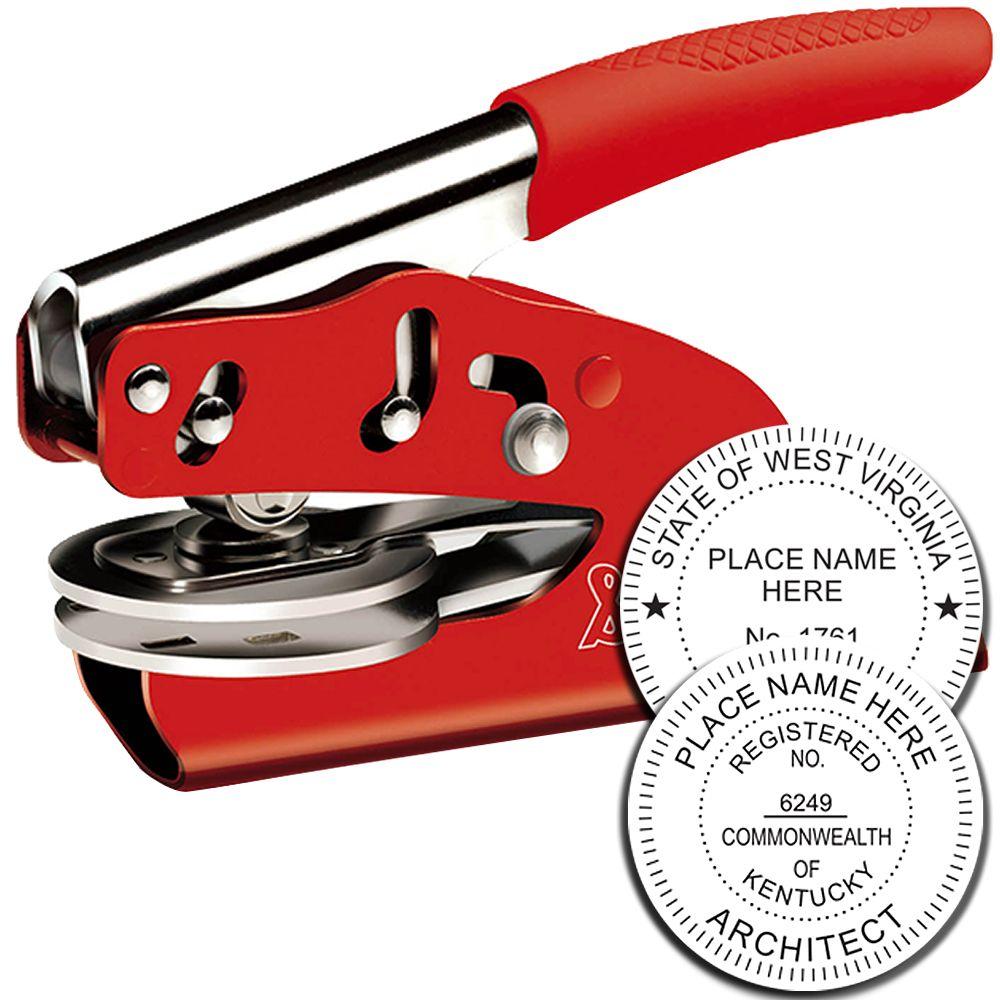
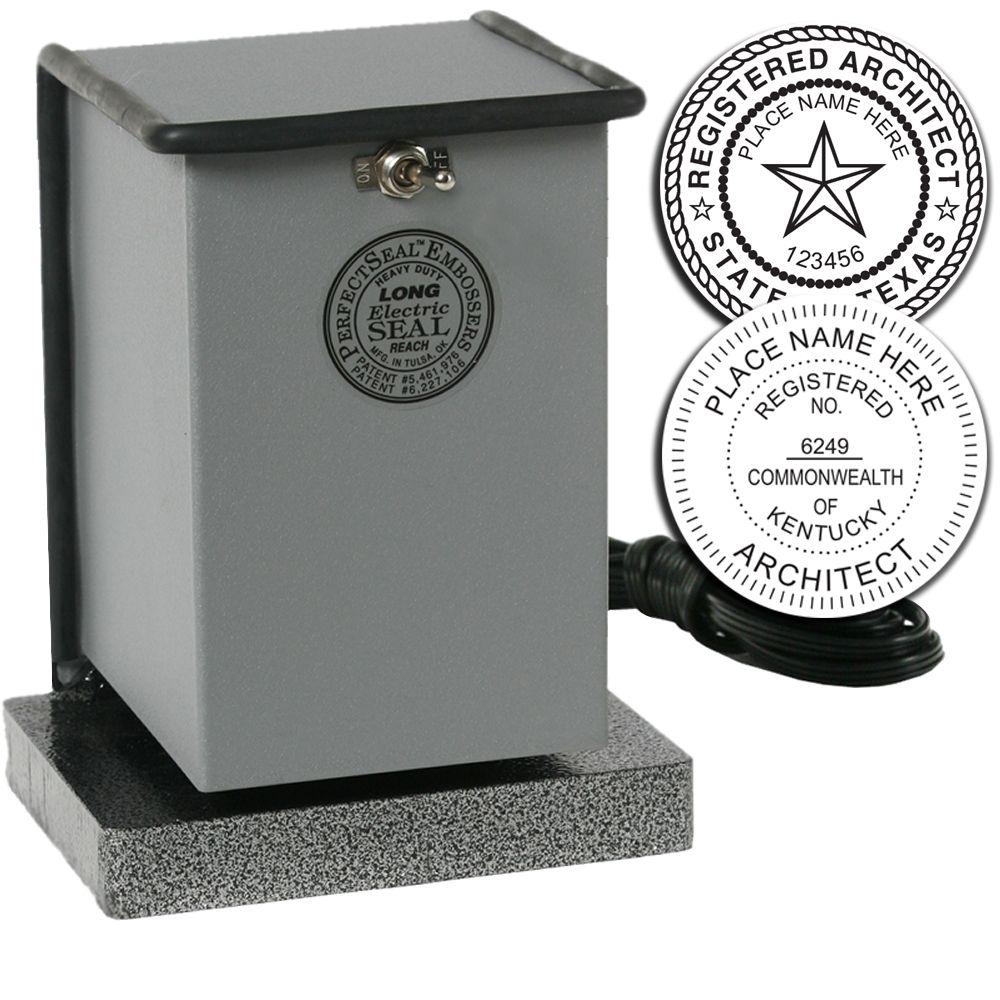
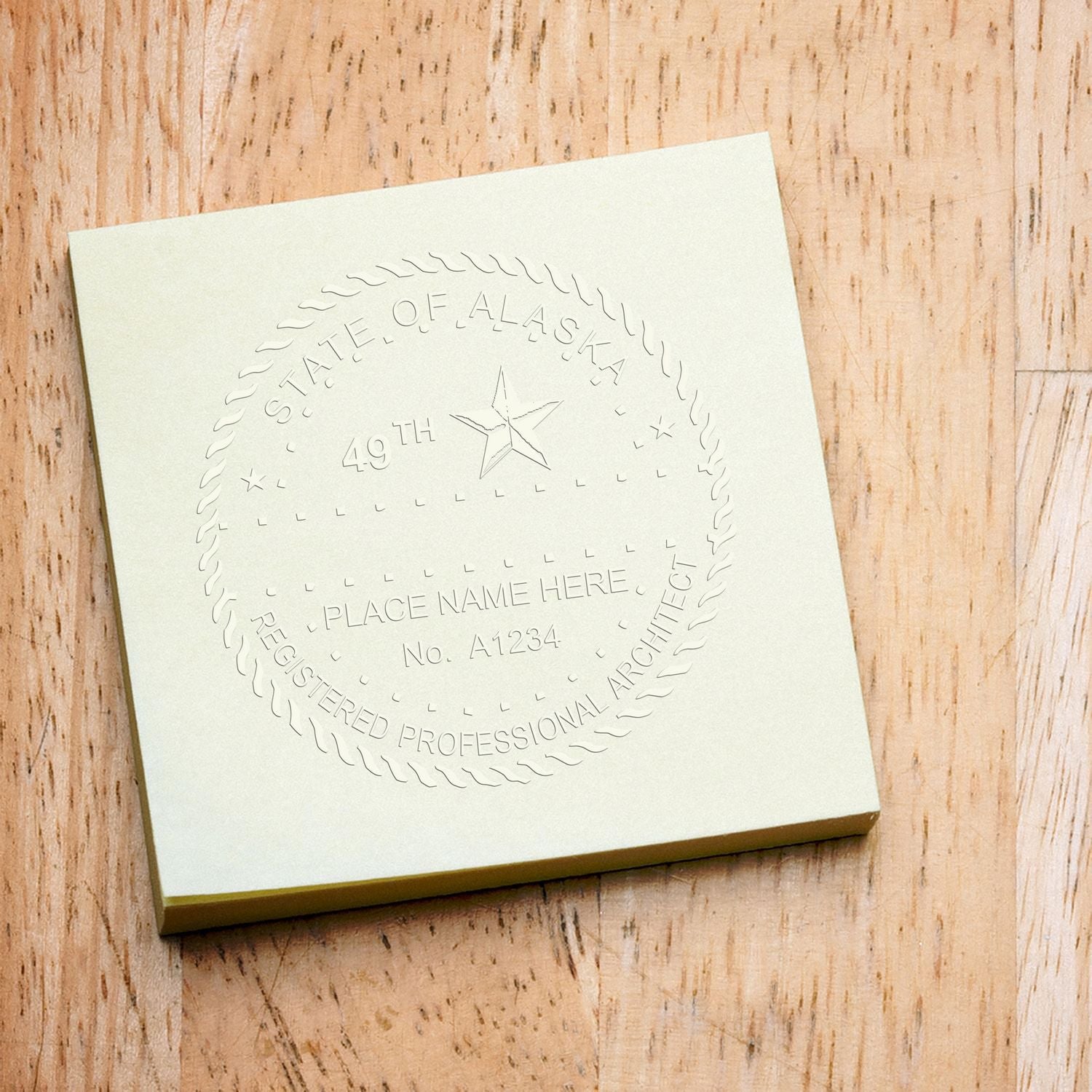
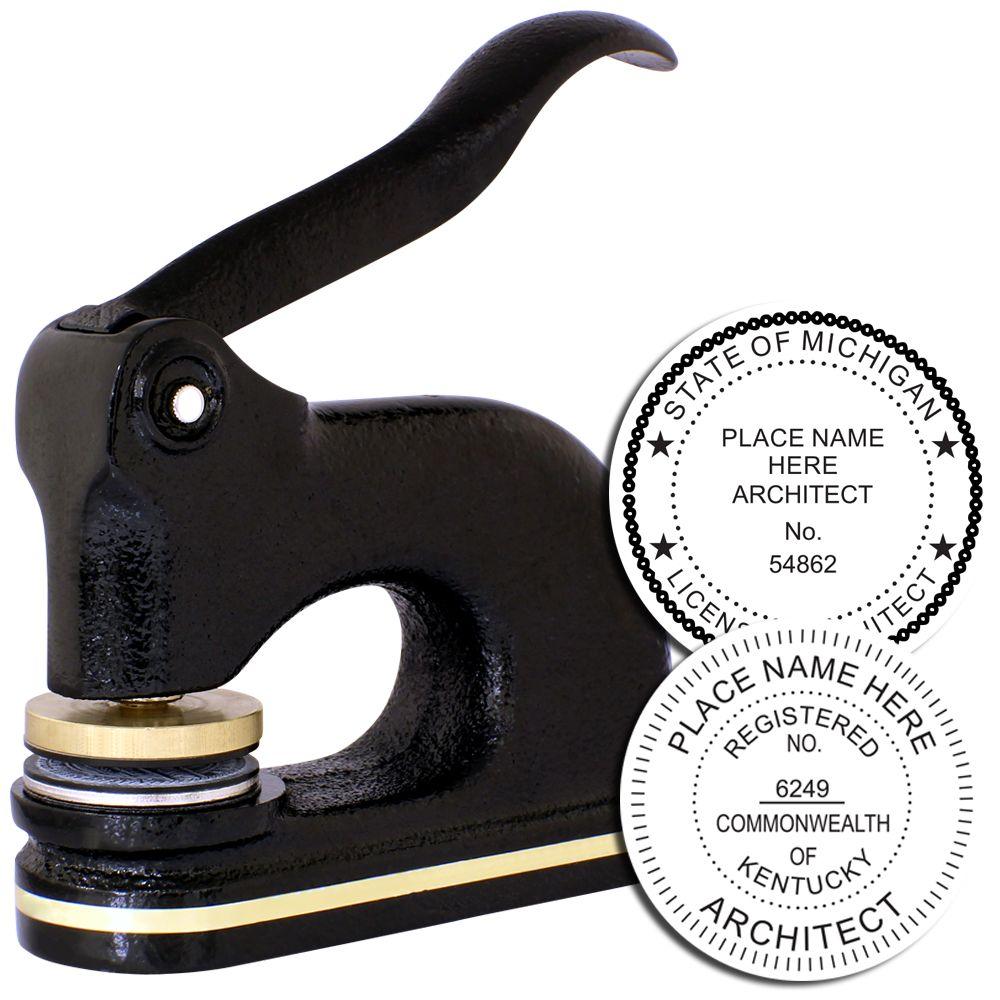
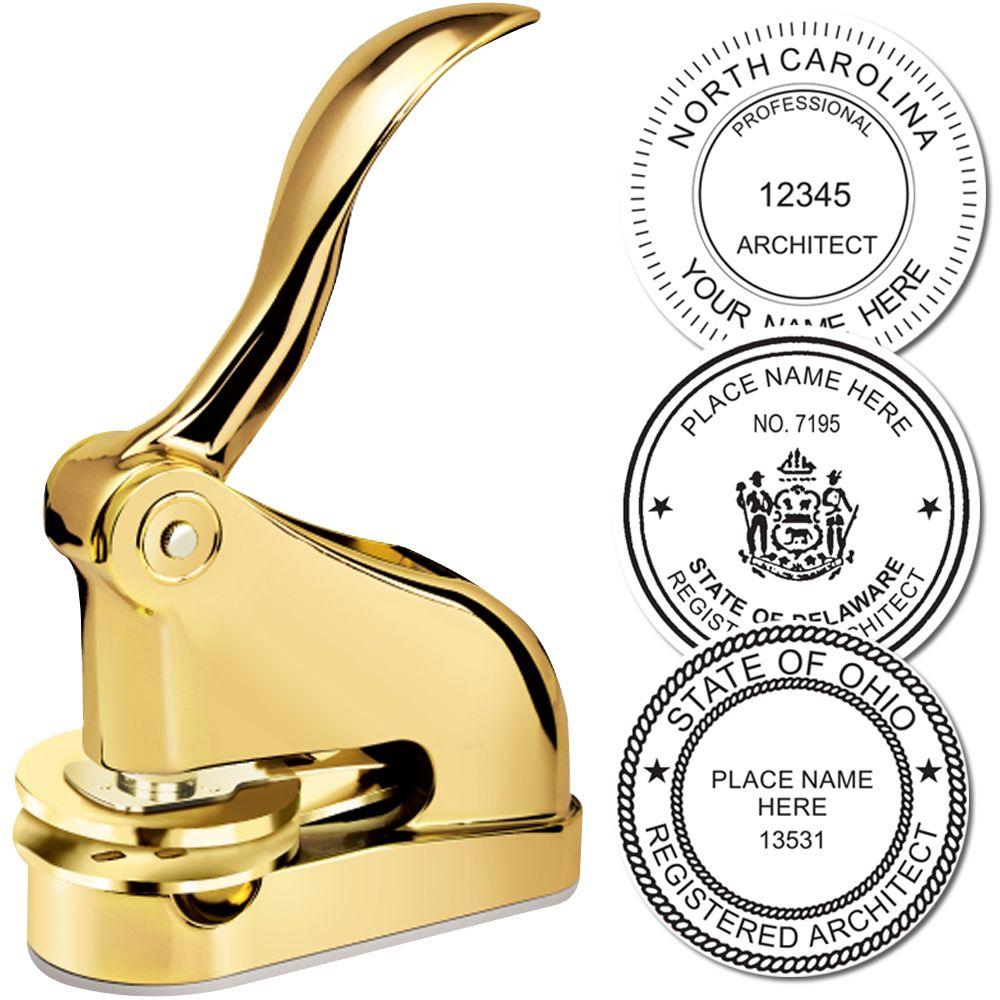
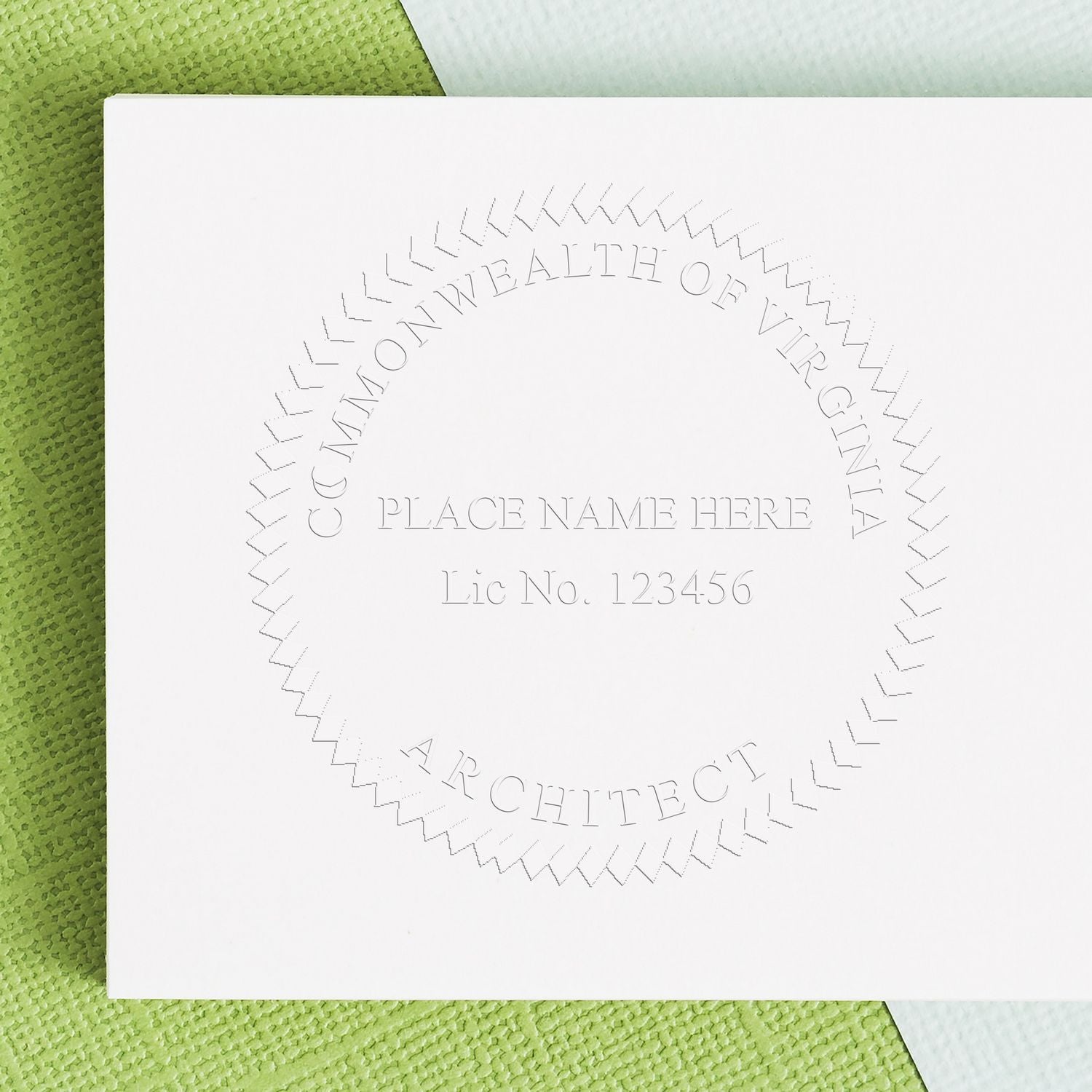
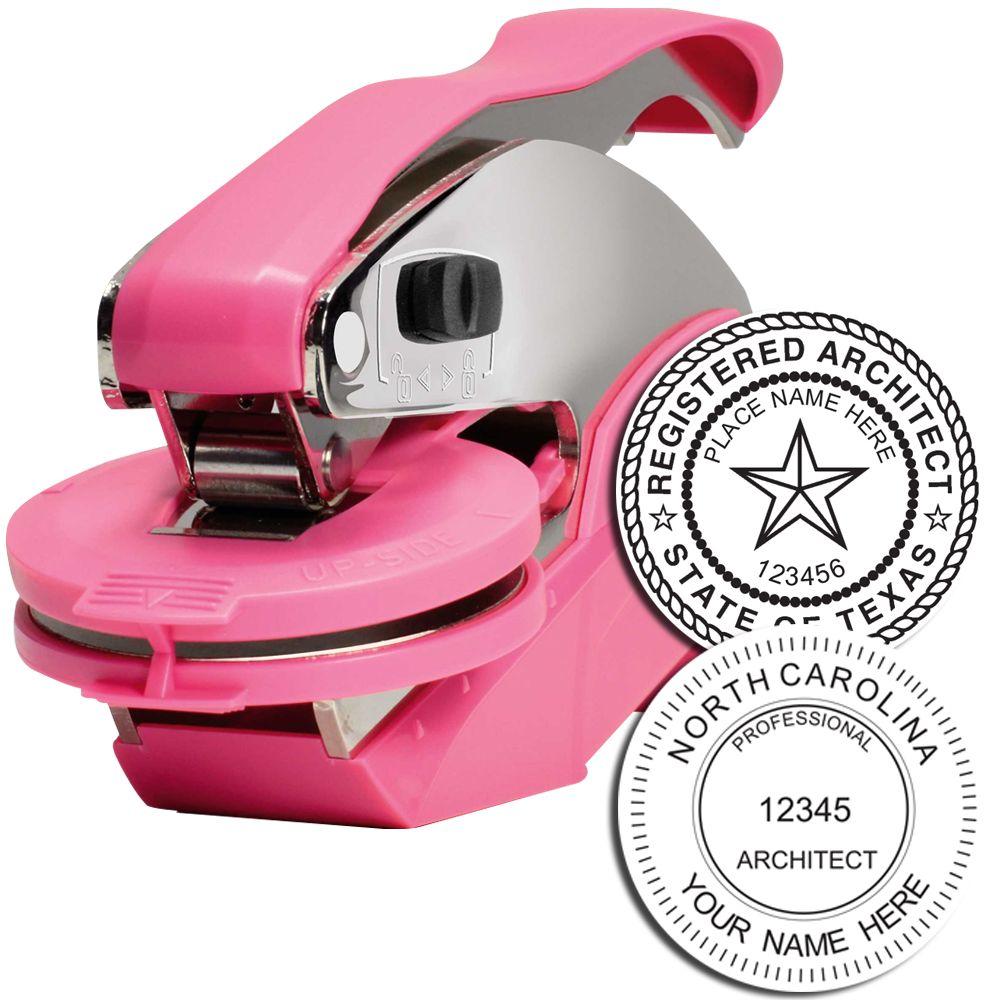
Regulation 11 does not name a physical device type. It speaks of the seal and its description, and then permits an electronic route: “An electronic seal and signature are permitted to be used in lieu of an original seal and signature” on five conditions in 11-11.E. Nothing distinguishes an inked stamp from an embosser, and nothing forbids either, so the regulation does not address the point. The sources here are Regulation 11 in full. The safe buy is an inked stamp at one and three-quarter inches, because the sealed document goes into the public record and 11-11.E(4) requires the electronic equivalent to have substantially the same graphic appearance and size.
Signing and dating
Both seals plus the architect’s signature, and the record documents dated. Regulation 11-11.A requires the seal and signature of the architect in responsible charge together with the firm’s seal on all architectural documents filed for public record, and adds that “Record documents used for obtaining building permits shall be so signed and dated.” Placement of the signature relative to the impression is not prescribed. For the electronic route, 11-11.E(2) requires the electronic seal and signature to be “verifiable, having been signed and dated.”
Two seals on the sheet, and the plural on the firm seal is the tell
South Carolina is one of the few states where the architectural firm carries a seal of its own and both devices go on the document. Regulation 11-11.A requires the seal and signature of the architect in responsible charge and the architectural firm’s seal on all architectural documents filed for public record, and says the combination obligates both. Then it forecloses the shortcut in the other direction: a firm seal alone is insufficient.
Which documents must be sealed
All architectural documents to be filed for public record, and record documents used for obtaining building permits. Regulation 11-11.A supplies a concession that saves a great deal of stamping: “The signing and sealing of the index sheet(s) or the title page of specifications shall be considered adequate.” Regulation 11-11.B is the responsibility limit and it is strict: an architect shall not affix or permit to be affixed the architect’s seal or name to any plans, specifications, drawings or other related documents “which were not prepared by the architect or under the architect’s direct responsible charge,” and shall not use the seal unless holding a current Certificate of Registration at the time.


Electronic and digital seals
Regulation 11-11.E permits an electronic seal and signature in lieu of originals on five conditions: unique identification of the architect in responsible charge; verifiability, having been signed and dated; direct control by the professional; a graphic image readily available and produced in a manner acceptable to the board, containing the same words and having substantially the same graphic appearance and size as the physical seal when viewed against the original; and compliance with state law on the graphic display. No certificate authority or cryptographic product is named; the test is functional.
Renewal, lapse and retirement
Regulation 11-11.B ties use of the seal to current registration: an architect shall not use the seal or perform any service as an architect “unless holding at the time a current Certificate of Registration.” Not addressed: whether the registration number changes on reinstatement, and whether the seal must be surrendered or destroyed on expiration, suspension or revocation. Checked Regulation 11 in full and S.C. Code Ann. § 40-3-280. Because the business location is cut into the die, note the practical point that moving office makes the seal inaccurate even while the registration is current.
Firm requirements
The firm has its own seal, and it is not optional. Regulation 11-11.D prescribes a firm seal circular in shape and one and three-quarter inches in diameter with a one and three-sixteenths inch inner circle, reading State of South Carolina at the top and “Registered Architects” at the bottom, with the name, business location and license number of the firm inside the inner circle. Regulation 11-11.A requires both devices on documents filed for public record and adds the warning that “A firm seal alone is insufficient; documents shall be signed and sealed by the architect in responsible charge.”
What to check before you order
Order two devices. The individual seal is circular, one and three-quarter inches in diameter with a concentric inner circle of one and three-sixteenths inches, reading State of South Carolina at the top of the ring and Registered Architect at the bottom, with one architect’s name, the business location and the registration number inside the inner circle. The firm seal uses the same two diameters but reads Registered Architects, plural, at the bottom, with the firm name, business location and license number inside. Both appear on architectural documents filed for public record; the firm seal alone is not enough. The regulation does not prescribe a device type, so an inked stamp is the practical choice. An electronic seal and signature may be used instead, provided the image carries the same words and substantially the same appearance and size. Reorder when your business location changes, because it is on the face.
Browse architect stamps and seals.
Frequently asked questions
Is an architect seal required in South Carolina?
Yes, and so is a firm seal. S.C. Code Ann. § 40-3-280 provides that “Every architect and firm practicing in this State shall have a seal containing the name, the place of business, and the words ‘Registered Architect, State of South Carolina’.” Regulation 11-11.A then requires both the individual and the firm device on all architectural documents to be filed for public record.
What has to appear on a South Carolina architect seal?
Five elements under Regulation 11-11.C: State of South Carolina at the top of the annular space, Registered Architect at the bottom, and the name of one architect, your business location and your registration number inside the inner circle. The rule limits the face to a single architect: “The name of only one (1) architect, business location, and registration number shall be placed within the inner circle.” Nothing provides for an expiration date, a discipline line or an NCARB number.
What size is a South Carolina architect seal?
Regulation 11-11.C: “The seal shall be circular in shape and 1 3/4 inches in diameter. Concentric with the outside of the seal there shall be a circle 1 3/16 inches in diameter.” The firm seal in 11-11.D uses the same two figures. Do not import the South Carolina landscape architect layout from Regulation 76-4, which shares the geometry but swaps where the name and the profession sit.
Can I use an embosser in South Carolina?
Regulation 11 does not name a physical device type. It describes the seal and then permits an electronic route, and nothing distinguishes an inked stamp from an embosser or forbids either, across Regulation 11 in full. An inked stamp at one and three-quarter inches is the practical buy, because the sealed document goes into the public record and 11-11.E(4) requires the electronic equivalent to have substantially the same graphic appearance and size.
What goes on the South Carolina firm seal?
Regulation 11-11.D prescribes a firm seal circular in shape and one and three-quarter inches in diameter with a one and three-sixteenths inch inner circle, reading State of South Carolina at the top and “Registered Architects” at the bottom, with the name, business location and license number of the firm inside the inner circle.
Do I have to seal every sheet in South Carolina?
No. Regulation 11-11.A supplies a concession that saves a great deal of stamping: “The signing and sealing of the index sheet(s) or the title page of specifications shall be considered adequate.” Record documents used for obtaining building permits shall be so signed and dated.
Whose work can a South Carolina architect seal?
Only your own or work under your direct responsible charge. Regulation 11-11.B provides that an architect shall not affix or permit to be affixed the architect’s seal or name to any plans, specifications, drawings or other related documents “which were not prepared by the architect or under the architect’s direct responsible charge,” and shall not use the seal unless holding a current Certificate of Registration at the time.
What does South Carolina require of an electronic seal?
Five conditions under Regulation 11-11.E: unique identification of the architect in responsible charge; verifiability, having been signed and dated; direct control by the professional; a graphic image readily available and produced in a manner acceptable to the board, containing the same words and having substantially the same graphic appearance and size as the physical seal when viewed against the original; and compliance with state law on the graphic display. No certificate authority or cryptographic product is named; the test is functional.
Does my South Carolina seal go stale?
Not at renewal, but possibly at a move. Regulation 11-11.B ties use of the seal to holding a current Certificate of Registration at the time. Whether the registration number changes on reinstatement, and whether the seal must be surrendered or destroyed on expiration, suspension or revocation, is not addressed in Regulation 11 or S.C. Code Ann. § 40-3-280. What is worth planning for is the business location cut into the die, which makes the seal inaccurate on an office move even while the registration is current.








