
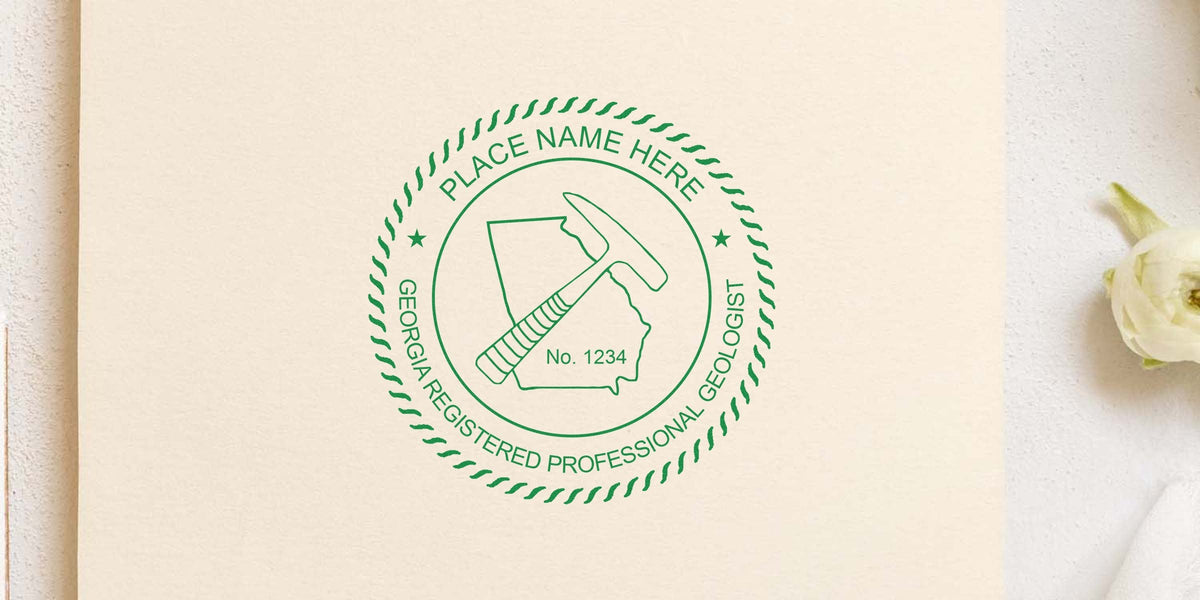
You might be surprised at how essential a geologist stamp for Georgia can be. Whether you’re newly licensed or you’ve been working in the field for decades, there’s a good reason why having a proper stamp or seal matters. In Georgia, your professional credibility and compliance hinge on it. Let’s walk through the details so you feel completely prepared to choose, use, and maintain your own geologist stamp.
Before you dive in, here’s a quick promise of value: you’ll discover what makes these stamps so important, what Georgia’s regulations typically look like, and how you can avoid the most common pitfalls. By the end, you’ll know how to pick a supplier, keep your seal in top condition, and even snag a free digital seal along the way.
Understand the Purpose
Georgia, just like many other states, requires professional geologists to affix an official stamp or seal on certain documents. This stamp isn’t just a decorative piece; it’s how you authenticate your reports, drawings, or plans. When your clients or regulatory agencies see that seal, they can confirm you’re certified to practice geology in the state.
A geologist stamp also protects the public. Because only properly credentialed geologists get the legal right to use the official seal, it safeguards the integrity of the profession. In other words, your stamp reassures everyone that your work is produced by a qualified expert who meets Georgia’s standards.
Georgia’s Basic Requirements
You might be asking, “Why does Georgia have specific requirements for geologist stamps?” Simply put, the state wants to make sure each geologist is legitimately licensed. Certain forms and official plans must bear that licensed geologist’s stamp in order to hold legal weight.
For a closer look at some specifics, you can check out georgia geologist stamp requirements. But generally speaking, you’ll need to:
- Obtain your state license from the Georgia Board of Professional Geologists (or the relevant licensing body).
- Acquire a stamp or seal that features your name and license number.
- Use the stamp in compliance with Georgia’s guidelines on official documents or plans.
Remember, these regulations can evolve over time, so it’s always a good idea to stay current. A quick visit to your state board’s website or a chat with an experienced colleague can keep you well-informed.
Explore the Benefits
Getting a stamp might feel like another item on your professional to-do list, but there are some real advantages. First and foremost, it’s a surefire way to validate your credibility. When decision-makers, clients, or government agencies see that seal, they know they’re dealing with a fully vetted geologist.
Beyond credibility, a proper seal can open doors to bigger projects. Many contracts, especially those involving environmental or geological assessments, demand a stamped report. Without the right seal, you might face disqualification before you even begin. And let’s not forget about liability protection. In many cases, using your seal on final documents helps clarify your professional responsibility, which is often necessary when a dispute arises.
Complete the Process
So how exactly do you get your geologist stamp for Georgia? The process isn’t complicated, but it’s wise to follow these steps in order:
-
Confirm Your License.
Make sure your licensing paperwork is all squared away. If you’ve just passed your exam, wait until your license number is officially assigned. -
Identify Approved Designs.
Most states, including Georgia, have rules or guidelines for the physical design of the stamp: its overall shape, diameter, and required text. Double-check that your design aligns with your licensing board’s specifications. -
Pick a Trustworthy Provider.
Once you’ve sorted the format, you’ll want to choose a supplier who understands Georgia’s standards. Quality materials, legible text, and correct dimensions are non-negotiable. -
Order Your Stamp.
Decide on a style, such as a traditional rubber stamp, a pre-inked model, or even an embosser. Place your order, wait for delivery, and confirm it’s correct. -
Double-Check Everything.
Inspect the final product carefully. Is your license number correct? Is your name spelled exactly as it appears on your license? If something’s off, get it fixed right away.
Once your stamp is in your hands, it’s officially time to put it to work. After all, the primary purpose of having a geologist stamp is to certify your professional work. Keep it handy, protect it from damage, and apply it precisely where required.
Pick the Best Supplier
Selecting a reputable supplier can make the difference between a subpar stamp that smudges and a crisp seal that’s compliant for years. Here are a few tips on what to look for:
-
Experience in Professional Seals.
Not all stamp companies specialize in professional credentials. Look for someone who knows the ins and outs of state regulations. -
Range of Styles.
Whether you prefer a pre-inked stamp for a quick and consistent imprint or an embosser for that raised effect, it’s good to have options. -
Quality of Materials.
Cheaper materials can wear down or distort. A durable stamp ensures legibility through all those project submissions.
Below is a small comparison table of popular seal types. It’ll help you figure out which option best fits your style and work routine:
| Type | Pros | Cons |
|---|---|---|
| Rubber Stamp | Affordable, easy to re-ink | Possible smudging if over-inked |
| Pre-Inked Stamp | Crisp imprint, no extra ink pad | Slightly higher initial cost |
| Embosser | Professional raised impression | Harder to reproduce digitally |
And if you’re wondering where to start, consider Acorn Sales. We’ve been in business since 1964 and have specialized in stamps for all sorts of professional fields, including geology in Georgia. Each order even comes with a free digital seal so you can apply your certification electronically.
Avoid Common Mistakes
You’d be surprised how many new geologists (and sometimes even seasoned pros) slip up when it comes to using their stamps. Here are three common mistakes and quick ways to dodge them:
-
Leaving the Stamp Unprotected.
If you drop your seal in a drawer with a bunch of paperclips and pens, you might damage the impression face. Store it in a small plastic case or a designated compartment. -
Misusing the Stamp on Preliminary Work.
In Georgia, you’re typically only required to seal final documents. Placing your seal on drafts can cause confusion. Only stamp your final, approved documents to keep things crystal clear. -
Forgetting to Update with New Regulations.
Requirements can and do change. If you move to another state or Georgia revises its guidelines, you may need a fresh stamp or an updated design. Stay in the loop by joining professional organizations or checking announcements from the Georgia Board of Professional Geologists.
It only takes a bit of extra care to ensure you stay in compliance and maintain a professional appearance at all times.
Maintain Your Stamp
You’ll rely on your stamp for official business. That means it’s worth taking a few simple steps to keep it in top shape. Even high-quality stamps can fade or degrade if you let them gather dust or run out of ink.
-
Clean the Stamp Surface.
Every so often, gently wipe away any buildup of ink or small debris. This helps maintain a crisp impression. -
Reink Appropriately.
If you’re using a self-inking or pre-inked stamp, add ink when the imprint starts to fade. Avoid over-inking. That’s a quick way to get smudged stamps. -
Protect It from Heat and Moisture.
Stamps are typically made of rubber or polymer. Keeping them away from direct sunlight or extremely humid conditions will help them last longer. -
Check for Wear and Tear.
If the impression begins to look distorted, it may be time to reorder a stamp face or an entire new stamp. A fuzzy imprint can lead to rejected documents.
A small amount of maintenance ensures every seal you imprint stays readable and authoritative.
Wrap It Up
By now, you know that having a geologist stamp for Georgia isn’t a mere formality. From verifying your professional credentials to securing high-value contracts, a properly used seal can elevate your credibility and protect your career. It also keeps you aligned with state regulations and fosters public trust in your work.
Just remember:
- Double-check you meet all licensing requirements.
- Choose a stamp style that fits your workflow (and budget).
- Keep up with state regulations so you remain compliant year after year.
If you’re still on the fence about where to get your stamp, consider Acorn Sales. We’ve got decades of experience, and every stamp ships with a free digital seal. You’ll be up and running in no time, confident that your documents are in line with Georgia’s standards.
Go ahead and put your best professional foot forward. You’ve got the know-how, and now you have the details. Grab your geologist stamp for Georgia and show off your well-earned credentials on every final document you produce. If you have any more questions, don’t hesitate to reach out. Happy stamping!
Frequently Asked Questions
What Types Of Documents Require My Geologist Stamp?
Typically, you’ll need to stamp final reports, drawings, or plans that you submit to clients or regulatory agencies. Preliminary sketches or draft documents usually don’t need an official seal.
Can I Use A Digital Seal Instead Of A Physical Stamp?
Georgia often allows digital seals as long as they meet security and authenticity standards. Still, it’s recommended to maintain both a physical stamp and a digital seal for where each is accepted.
What Happens If My Stamp Information Changes (e.g., name change)?
You’ll generally need to update and order a new stamp. Make sure the name and license number on your seal match exactly what’s on your state record.
Is There A Renewal Process For My Stamp Or Seal?
While you don’t usually renew the actual stamp face, your license must stay active. If your license expires, your stamp is no longer valid. Renew your license as required by Georgia’s licensing board.
Who Should I Contact If I’m Unsure About Georgia’s Stamp Rules?
Your best bet is to visit the Georgia Board of Professional Geologists’ website or speak to a seasoned professional already practicing in the state. They can give you the up-to-date scoop on any recent changes.








