
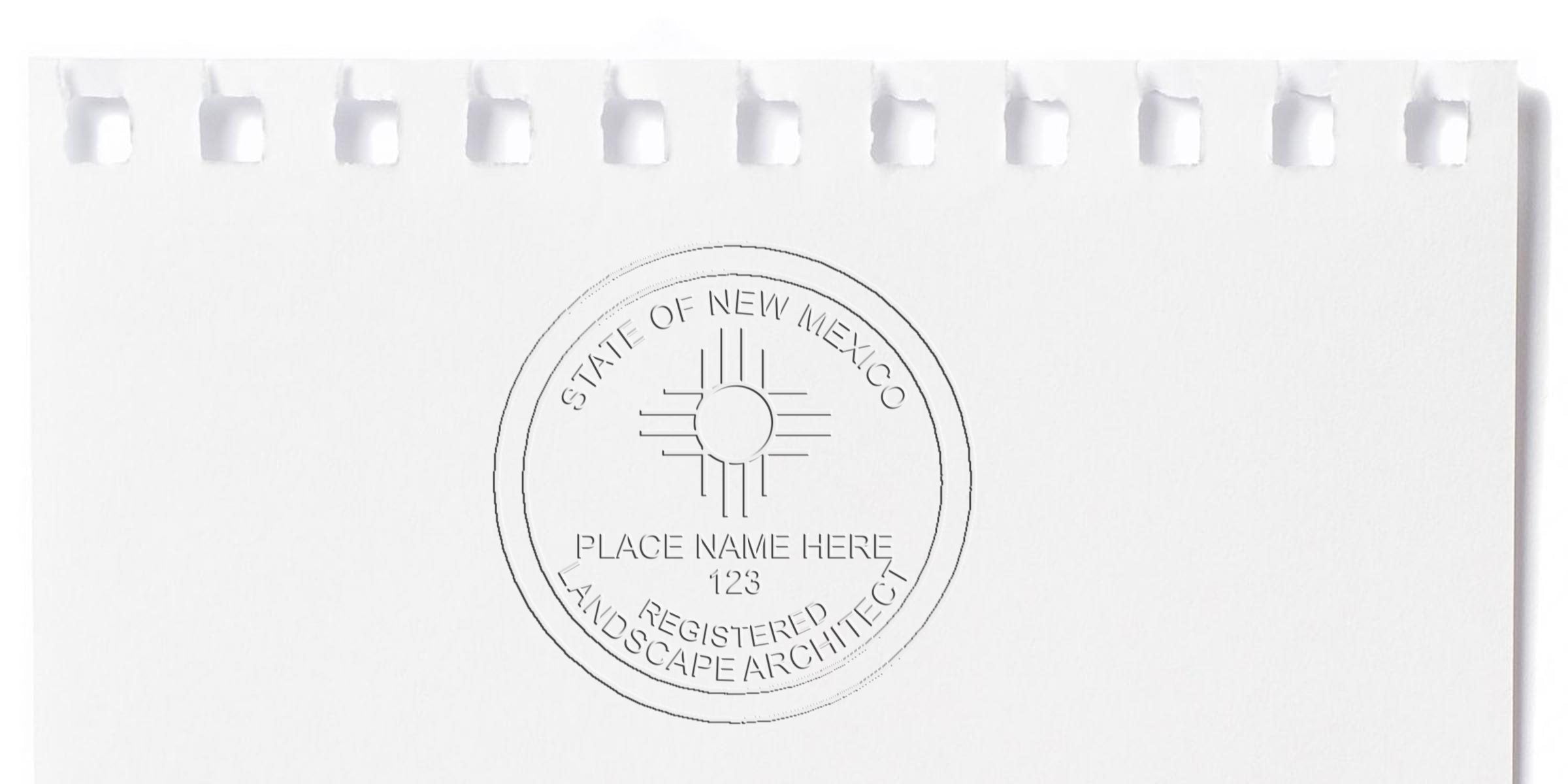
Understand The Need For A Reliable Template
If you’re considering a new mexico landscape architect seal template, you probably want a fast and foolproof way to meet your state’s requirements for professional documentation. After all, New Mexico has specific rules surrounding how you present your credentials, and your seal is at the heart of it all. The last thing you want is a sloppy or outdated design that an official board might reject. Let’s talk about how a dependable seal template helps you stay compliant, save time, and protect your professional reputation.
Ensuring Compliance
You know how important it is to follow state regulations as a licensed landscape architect. In New Mexico, rules can change over time, and it’s easy to fall behind if you’re using an older seal design. A reliable seal template compiles the most up-to-date standards, so you don’t have to worry about scouring the internet for every new tweak to the guidelines. Instead, you can focus on your projects—like designing that next award-winning outdoor space—while your seal template takes care of the official part.
Protecting Your Professional Reputation
Imagine you’re submitting permits for a major public park redesign. You’ve poured your creativity into making the park both eco-friendly and stunning to look at. Then you attach your documents, only to realize your seal design doesn’t meet official specs. Not only could your submission get rejected, but you also risk looking unprepared in front of the review board. Having a trustworthy New Mexico landscape architect seal template keeps your professional image intact. It signals you pay attention to detail, follow the right procedures, and respect the legal parameters of your practice.
Meet State Regulations
Before diving into specific template features, it helps to understand exactly which legal requirements you’re trying to meet. New Mexico’s licensing authority sets the standards for what your seal can and can’t do. That includes dimensions, shape, and text layout. While this process may feel like an extra chore, it serves an essential purpose: ensuring that anyone viewing your documents has confidence in their authenticity.
Licensing Authority And Requirements
Every state has its board or licensing agency responsible for monitoring practitioners, and New Mexico is no exception. The New Mexico Board of Landscape Architects typically requires the seal to include your name, license number, and a clear indication that you are a licensed landscape architect in the state.
If you’d like further details, you can always check out the New Mexico Landscape Architect Stamp Requirements. It’s a concise resource for a deeper look into sizes, wording, and other specifics you should know. Once you understand these regulations, choosing or designing a template becomes a more straightforward task.
Types Of Seal Templates
When searching for the best new mexico landscape architect seal template, you’ll soon spot two main types: digital and physical. Each style brings its own advantages. Picking the right one for you depends on how you typically submit documents and how important convenience is to your workflow.
Digital Vs. Physical Seals
Digital Seal Templates
If you frequently email documents or upload files to a client portal, digital seals might be your go-to solution. These templates let you insert your professional stamp directly into PDFs or image files. They also reduce clutter, since you won’t need to store physical stamps at your desk. Once you’ve purchased or created a digital seal template, you can reuse it as many times as you like.Physical Seal Templates
A physical seal often comes in the form of a rubber stamp or metal embosser. You might see this used for official drawings or documents that need a raised impression. While less convenient for quick file sharing, a physical seal can leave a tangible, professional touch—ideal for in-person presentations or records that a client wants in print.
Key Design Elements
No matter which format you choose, your New Mexico landscape architect seal template should look neat, clear, and easy to read. A seal conveys your standing as a licensed professional, so any extra flourishes might distract from the essential details. Let’s look at the must-have design elements that matter for compliance and readability.
Layout And Text Guidelines
The New Mexico Board of Landscape Architects typically dictates the general arrangement of your seal. This often includes the circular shape, your full name, your official license or registration number, and the phrase “Licensed Landscape Architect” along the outer edge. Any template you use needs to allow space for all these elements. The text must be legible, so pay attention to font size and clarity—no fancy script fonts that might get distorted in small prints or scans.
A helpful rule of thumb is to space out text in a balanced way. Keep your name at the top or bottom arc of the circle, and position your license number opposite to it, ensuring even visual weight. The outside edge typically contains the state name, creating a complete ring that frames your details. This symmetrical layout not only looks impressive but also meets common board requirements more smoothly.
Color And Readability
While many seals default to black ink for maximum contrast, some professionals wonder if color might set them apart. Generally, color is fine—as long as it doesn’t make the text hard to read or violate any official guidelines. But remember, black ink is the industry standard for a reason: it’s highly legible on paperwork, and it scans well if your documents are digitized. If you’re planning to use an embossing device, a color option doesn’t apply. Instead, you’d typically see a raised impression on white paper with no ink at all.
Choosing A Trusted Provider
Shopping around for a new mexico landscape architect seal template can feel overwhelming, with each provider claiming to be “the best.” The trick is to look for a reliable, experienced vendor that understands all the state’s rules. You don’t want to gamble on a random online store only to discover that your newly bought seal design is outdated or incorrect.
Samples And Revisions
Before handing over your payment info, check if the provider offers sample seal designs. Being able to see a proof or sample version helps you confirm that all text is spelled correctly and that the layout meets your expectations. Ideally, you’ll have a chance to request revisions—like adjusting the font size or spacing—without extra hidden fees.
Cost And Maintenance
Budget matters, but so does quality. A dirt-cheap seal might not hold up well over time, or it may lack the clarity you need on professional documents. If you opt for a digital template, spend a bit more to get high-resolution files that won’t blur or distort when scaled. For physical stamps or embossers, ensure the materials are durable so you won’t be replacing them every few months. Overall, think of your seal template like an investment—and treat it with the same care you would any essential work tool.
Practical Steps For Implementation
Once you’ve purchased or designed your seal template, it’s time to incorporate it into your day-to-day practice. Whether that means stamping paper drawings, adding a digital seal to PDF plans, or both, you want a smooth and consistent process.
Using Your Seal On Official Documents
-
Identify Which Files Need Seals
While some documents benefit from your signature only, others legally require the official seal. By clarifying this early, you’ll avoid confusion with clients or project managers. Double-check state regulations to confirm exactly which documents need a seal. Construction drawings, specification sets, and other final design files typically top the list. Set Up Digital Tools
If you lean toward a digital seal, create a dedicated folder on your computer for the seal files. Label them clearly and back them up regularly. You can then insert the image or PDF stamp whenever you finalize a document, ensuring a consistent file naming convention so there’s no confusion in the future.Use The Physical Seal Properly
If you have a rubber stamp or embosser, practice stamping on scrap paper to learn the right amount of pressure. Nothing’s worse than a smudged seal, especially if you only have one official copy of a project plan. You might also keep a clean cloth or wipe near your desk to remove any excess ink from the stamp between uses.
Record-Keeping And Future Updates
One of the easiest ways to maintain your professional standing in the state is by staying organized. Keep a log of every finished project, noting whenever you apply your seal to important documents. That way, if the licensing board asks you for verification, you can provide clear records without scrambling. Also, check for updates to the regulations. If the board changes the seal’s required text or shape, you’ll want to update your template promptly so you don’t risk using an outdated version.
Avoid Common Mistakes
Like any process, sealing your work can introduce errors if you’re not careful. It’s easy to get used to a routine and miss small details that could invalidate your documents. Let’s walk through a few missteps you can avoid.
Skipping The Proof
Always proofread every detail on your seal. Is your license number correct? Is your name spelled as it appears on your official license? Mistakes here can lead to unnecessary resubmissions, slowing your project approvals.Using An Unauthorized Design
Sometimes, you might see a fancy variation of the seal that looks cool. But if it doesn’t meet the board’s guidelines, you risk a rejected application. Stick to recognized templates that contain all required text in the correct arrangement.Neglecting To Update
Regulations and professional rules evolve. If you or the state board changes your licensing info—even a small tweak—update your template. You never know when a random audit might highlight discrepancies.Relying On Low-Quality Artwork
Whether you choose digital or physical, fuzzy details make your seal look amateur and might even be hard to read. Invest in crisp lines, sharp text, and solid construction or file quality.
Share Your Seal Across Projects
Once your template is set, you’ll find it handy for multiple tasks. Beyond just stamping final designs, you might share it in your personal portfolio, on your website, or even in client proposals to showcase your professionalism. These small touches can build trust and reassure potential clients they’re working with a properly credentialed landscape architect.
Client Proposals
Adding your seal in a small but visible spot can show you’re licensed to operate in their region. That can be especially helpful if they’re comparing different architects.Portfolio Highlights
If you’re showing off scanned drawings in an online portfolio, embedding a clear seal can reinforce that this is genuine professional work, not just conceptual sketches.Educational Presentations
When presenting at conferences or workshops, you can use your seal on the cover slide or title page. This immediate visual clue lets attendees know you’re speaking from a position of official expertise.
Maintaining Professional Credibility
Picture how you feel when someone hands you a business card that looks unprofessional. The same concept applies to your seal. It might be a small mark on the page, but it speaks volumes about your credibility. Maintaining your seal so that it aligns with current rules—and always looks clean—establishes you as a thorough professional.
One approach is setting a reminder on your phone or calendar to revisit your seal template annually. Ask yourself: Have any rules changed since you last updated your seal? Is the design still in line with best practices? A quick check each year ensures you’re always in top form, even if the licensing board updates regulations.
Addressing Your Clients’ Concerns
Clients often have questions about what they see on your drawings. They might wonder: Why is that circular mark important? What’s that number in the middle? By having a properly formatted New Mexico landscape architect seal template, you can confidently explain that your seal proves your qualifications in the state. It’s a simple way to build trust.
If they’re still curious, you can let them know the seal is part of regulated documentation. This added peace of mind can tip the scale in your favor. Clients appreciate clarity and transparency, so never shy away from showing them how your seal meets official guidelines.
Conclusion And Next Moves
Adopting a reliable new mexico landscape architect seal template is not just about ticking a box for compliance. Think of it like wearing a well-tailored suit to an important meeting—everything looks polished, and you exude authority in your field. With the right template at your fingertips, you won’t lose valuable hours double-checking each new document. Instead, you’ll rest easy knowing your seal checks every requirement and supports your professional reputation.
Now that you have a grasp on why a dependable seal matters, you can explore your options—whether it’s a digital template or a traditional rubber stamp. Look for trusted vendors, review a few samples, and confirm you’re complying with the latest New Mexico rules. You have enough on your plate designing landscapes, so let your seal template simplify at least one part of your workload.
Ready to learn more about specific rules and guidelines for your stamp? Make sure to visit the New Mexico Landscape Architect Stamp Requirements if you haven’t already. It can save you time by clarifying must-have elements in your template. Once you’re set, you’ll be free to concentrate on the creative side of your profession—crafting beautiful, functional spaces that stand the test of time.
Try getting your seal template finalized this week. You’ll feel a new level of confidence the next time you submit documents for review. Plus, it’s a powerful signal to clients and boards that you’re on top of your game. Good luck, and here’s to building a future of well-designed, officially sanctioned projects in every corner of New Mexico!
Frequently Asked Questions
Do I Really Need Both A Stamp And A Digital File?
It depends on your workflow. If you mostly file documents online, a digital file might be enough. However, you may want a physical stamp for those rare occasions when physical documents are required.
Can I Design My Own Template?
Yes, as long as it follows all the required rules for size, text placement, and wording. If you’re skilled with design software, you can create a custom image. Just remember to confirm it meets board requirements before you start using it.
How Often Do I Need To Update My Seal?
You only need to update your seal if your licensing info changes or if the state amends its guidelines. Staying in touch with the board’s announcements is the best way to be sure.








