
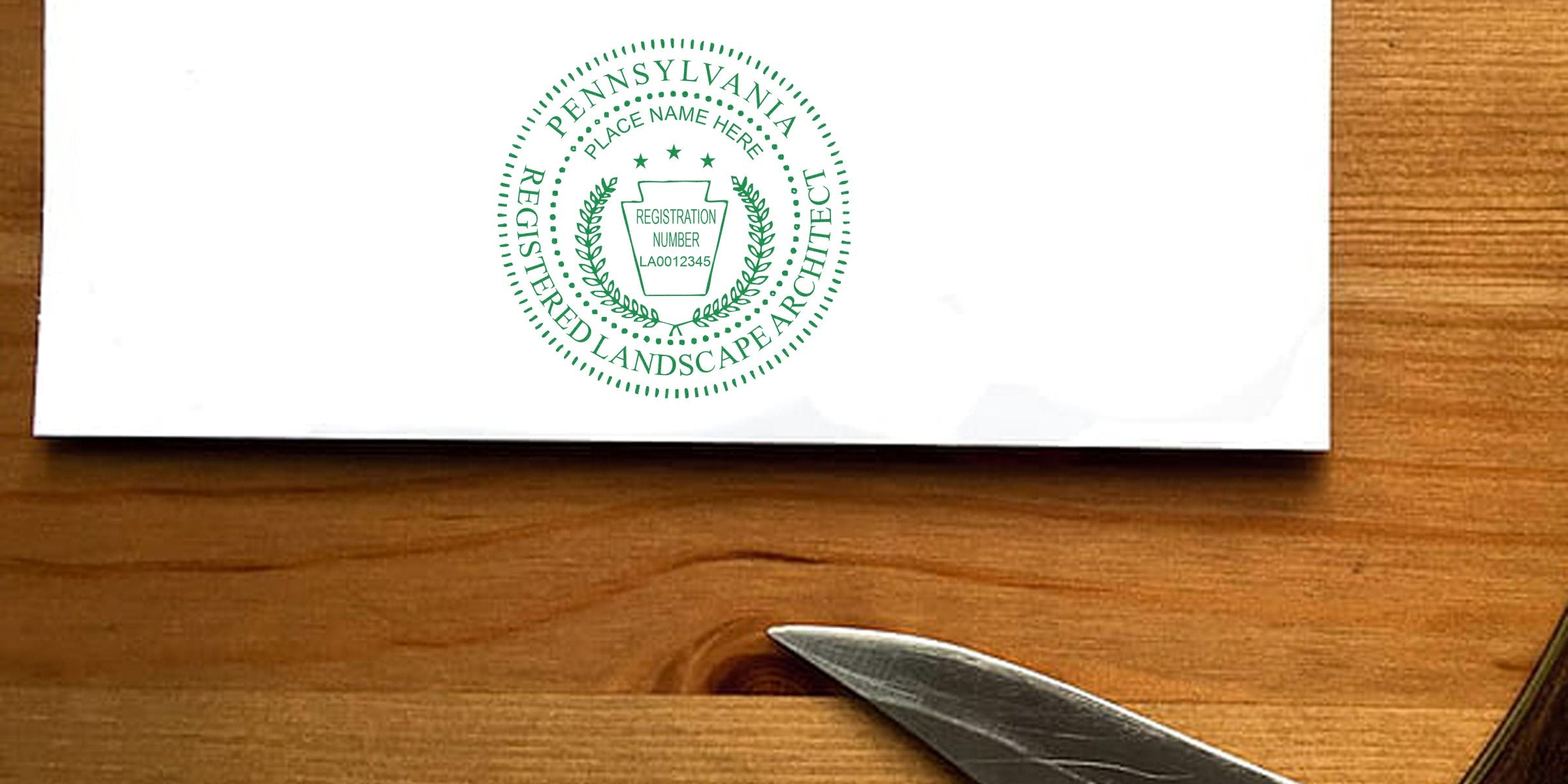
Are you hunting for Pennsylvania landscape architect seal samples and feeling a bit unsure about where to begin? You’re definitely not alone. Whether you’re working toward licensure, updating your current credentials, or simply trying to stay on top of state regulations, understanding what a proper seal looks like can save you a lot of time and hassle. In this guide, you’ll learn why having samples of Pennsylvania’s official landscape architect seal is important, how to interpret those samples for your needs, and how to choose a reliable supplier. Let’s walk through the details so you can feel confident when ordering and using your new stamp or seal.
Understand Pennsylvania Seal Basics
A state-mandated seal affirms your authority to practice as a landscape architect, but that might sound more formal and complicated than it actually is. In reality, the seal’s main purpose is to confirm your credentials for legal documents, drawings, and other materials you submit in Pennsylvania. It’s not just a rubber stamp of approval, metaphorically speaking—it’s an actual physical (and sometimes digital) endorsement of your professional qualifications.
Purpose of the Official Seal
When you sign off on a final design or set of blueprints, your seal underscores that you stand by the accuracy and compliance of those documents. State agencies and potential clients look for your seal as proof that your work meets Pennsylvania’s standards for landscape architecture. At its core, this stamp is designed to do just one thing: show that you are legally authorized to perform these services.
Key Elements in a Seal
No two states have the exact same seal requirements. In Pennsylvania, your landscape architect seal will typically include:
- Your name as it appears on your professional license
- The words “Registered Landscape Architect” or a specific variation required by the state board
- The unique license or registration number assigned to you
- A circular or rectangular border, following the state’s official guidelines
If you’d like to dive deeper, check out the pennsylvania landscape architect stamp requirements for more specific details on what the stamp or seal must include. Reviewing these rules can help you avoid any misprints that might slow down your projects.
See Why Samples Matter
You might be wondering, “Why should I bother looking at samples first?” It’s a fair question. Samples act as your dress rehearsal—they let you see how everything lines up before you finalize your order or begin using the seal on official documents. By previewing fonts, spacing, and overall design, you can confirm that the final product will meet Pennsylvania’s legal guidelines and your own personal style needs.
Checking Accuracy
One of the biggest perks of reviewing a sample is double-checking for errors. It’s easy to overlook a tiny spelling mistake or a transposed number in your registration number. When you have a clear reference, you can confirm every detail before you pay for the final seal or stamp. A small mistake might not sound like a big deal, but it can lead to all kinds of hassles—like having documents rejected or even facing questioning from authorities about your credentials. Samples keep you safe from these slip-ups.
Evaluating Legibility
You also want your seal to be crystal clear when stamped or embossed. Samples give you a sense of how well the text shows up on paper. Are the letters large enough to be readable, yet small enough to fit neatly inside your seal design? Does the spacing look balanced? Are all words—especially your name—clearly legible? Seeing an example in advance ensures you won’t be frustrated later by a cramped or fuzzy imprint.
Know the Pennsylvania Requirements
Besides giving you a preview of the finished look, samples also help you verify that your seal meets all regulations handed down by the state licensing board. Pennsylvania has specific rules, and failing to follow them can invalidate your seal, damage your professional standing, or cause confusion for reviewing bodies.
Seal Format and Wording
Typically, the state lays out what phrases should appear on your seal, like “Commonwealth of Pennsylvania” or your professional designation. You’ll need to match these exact phrases so your seal can stand up to scrutiny. If your sample looks off—maybe a missing word or a slightly altered phrase—it’s best to resolve that before you order a batch of stamps or an embosser you can’t use.
Dimensions and Shape
Seal size is not just about aesthetics. In many cases, states will enforce a minimum or maximum dimension so the seal remains legible and consistent across documents. Looking at the sample helps you confirm that the proposed size (often measured in inches) aligns with state guidelines. While Pennsylvania’s rules can change over time, they usually stick to a consistent shape and size to avoid confusion. If you’re worried about updates, it’s smart to check for the most recent guidelines.
Approved Usage
Is your stamp self-inking, pre-inked, or an embosser? Does the state allow for digital versions as well? More and more professionals are taking advantage of electronic seals, especially for online submissions. By examining a range of sample outcomes—like ink-based impressions, embossed paper, or digital files—you can pick a format that works best for you and complies with evolving regulations.
Reduce Your Legal Risks
Without a doubt, following the law is essential. Missing or tampering with a seal can cost you time and money in the long run. Having a correct seal means greater peace of mind for you, your clients, and any agencies that request your plans. Ultimately, verifying your seal in advance helps you avoid the headache of having to correct official documents that get flagged.
Keeping Records Straight
Say you’re submitting multiple projects a year. Each blueprint, landscaping plan, and addendum you sign off on needs your seal to confirm its legitimacy. If your seal is inconsistent across documents—maybe you switched suppliers partway through or tried a new design—the mismatch can raise red flags. Sticking to one standardized seal, validated by a dependable sample, keeps your files uniform and professional.
Protecting Your Reputation
You’ve worked hard to build your reputation in the landscape architecture field. A properly stamped document signals attention to detail and reliability, while missing or incorrect seals can make you look careless. Samples help ensure you deliver accurate work every time, strengthening your professional standing among clients and peers.
Choose a Trusted Supplier
Getting your seal or stamp from a fly-by-night operation is risky. An established supplier can walk you through each step—confirming your details, providing high-quality samples, and offering helpful customer support if something goes wrong. This is where Acorn Sales comes in.
About Acorn Sales
Acorn Sales has been in business since 1964, providing seals, stamps, and related office essentials to professionals across various industries. That’s more than half a century of expertise! Our company has built a reputation for reliability and top-notch quality, specifically for landscape architects like you who need a Pennsylvania-approved seal. We understand state guidelines and can guide you in creating a seal that meets every specification.
Free Digital Seal Included
These days, having a digital seal can be just as important as a physical one. Whether you’re submitting documents electronically or just storing them on the cloud, a digital seal is an enormous help. At Acorn Sales, you can get a free digital seal included with your order. That means you’ll have everything covered—paper documents that need a traditional stamp or embosser, plus digital PDFs that need an official seal. You can even request Pennsylvania landscape architect seal samples to triple-check your design before you finalize your purchase.
Why It Matters
A Pennsylvanian landscape architect seal might not seem like a big deal at first glance, but it can be critical to the success of your practice. When you hold a seal from a trusted supplier, you signal that you’ve invested in quality and that the documents you create are up to professional standards. Your clients find comfort knowing you’ve done your homework, and any state reviewers appreciate that you respect the guidelines.
Compare Different Seal Options
If you’re feeling a bit overwhelmed by the range of available tools, taking a glance at side-by-side comparisons can help. Below is a small table comparing popular seal or stamp types you could explore:
| Type of Seal | Advantages | Considerations |
|---|---|---|
| Rubber Stamp | Affordable, lightweight, easy to use | Needs separate ink pad |
| Self-Inking | Quick, less mess, portable | Ink eventually runs out, but replaceable |
| Embosser | Professional look, tamper-resistant | Can be trickier to press on thick stock |
| Digital Seal | Perfect for electronic submissions | Must ensure correct file format |
Reviewing samples for each category lets you decide which style fits your workflow best. Many professionals prefer having both a self-inking stamp for doing quick on-site markings and an embosser for more formal presentations.
Minimize Common Mistakes
Even with all of the right intentions, errors happen. Here’s how you can spot and avoid the most common missteps before you end up with a useless or out-of-spec seal.
Spelling Errors
It’s surprisingly easy to invert one letter in your name or license number. Check the sample thoroughly, then walk away for a minute and re-check. Another quick tip: Read your details out loud to catch anything that looks off.
Wrong Format or Sizing
Sometimes a supplier might follow general guidelines but not the specifics required by Pennsylvania. If you have an old sample from a different state, don’t assume it’ll be the same. Confirm the diameter or shape matches your state’s current laws.
Using an Expired License Number
If your license number changed due to a renewal or an administrative update, make sure your seal reflects the new number. You don’t want to stamp 20 documents only to figure out your license details are outdated.
Adopt a Step-by-Step Process
Getting your Pennsylvania landscape architect seal doesn’t have to be complicated. Consider these steps once you’ve decided it’s time to order a new seal or update your existing one:
- Confirm Your License Details: Double-check your name, official title, and license number as listed by Pennsylvania’s professional board.
- Review Regulations: Look up the latest state guidelines so you know exactly what the seal should say and how it should look.
- Request a Sample: Get a mock-up or physical impression of the design from a reliable supplier like Acorn Sales.
- Inspect and Approve: Make sure every detail—from spelling to spacing to legibility—is correct.
- Finalize Your Order: Whether you need a rubber stamp, embosser, or a free digital seal, place your order once you’re satisfied.
- File It Safely: Keep a record of your seal’s official appearance so you’ll always have a reference if questions arise.
Acorn Sales has been around since 1964, which means decades of experience guiding architects and other professionals through the ins and outs of seal requirements. Their commitment to quality and accuracy, plus the bonus of a free digital seal, makes them a convenient one-stop-shop.
Final Thoughts
Opting to review Pennsylvania landscape architect seal samples is one of the smartest ways to protect yourself from costly mistakes. You’ll confirm that your seal meets the state’s guidelines and that every detail—from your name to your license number—is accurate. Plus, having high-quality samples in hand lets you visualize how your official stamp or embosser will look on project documents.
Most importantly, taking the time to secure a proper seal underscores your professionalism and dedication to doing things the right way. Clients and governing boards will notice your attention to detail, and you’ll feel more confident the next time you sign off on an official blueprint or proposal. If you’re looking for a trusted supplier, Acorn Sales has you covered—with a free digital seal included and decades of expertise that can help you navigate any curveballs.
Ready to see your own sample come to life? Now’s the perfect moment to finalize the details of your seal so you can stamp your future projects with confidence. Have fun picking out the style that best represents your practice, and enjoy the peace of mind knowing your professional documents will always be in perfect alignment with Pennsylvania’s requirements.
Frequently Asked Questions
How do I know if the sample matches Pennsylvania’s rules?
Always cross-check your sample against the most current state guidelines. You can also refer to the pennsylvania landscape architect stamp requirements to understand any recent changes in wording, shape, or size. If in doubt, contact the Pennsylvania State Board of Landscape Architects for confirmation.
Is a digital seal acceptable for official submissions?
Yes, in many cases Pennsylvania now recognizes digital seals for electronic document submissions. Just ensure the digital version meets the same criteria as the physical seal, including proper wording and your valid license number. With Acorn Sales, you can receive a free digital seal to streamline online approval processes.
Can I use an embosser as my primary seal?
Absolutely. Many landscape architects prefer an embosser for formal presentations because it creates a raised, tamper-resistant impression. However, it’s a good idea to keep a self-inking or rubber stamp handy for everyday usage and simpler tasks.
Do I need a new seal if I move or change my name?
If any part of your legal name or license status changes, you’ll likely need an updated seal. This includes adjusting the seal text to match your new name or license details. Double-check with the state board to avoid any compliance issues.








