

Understand professional seals
Picture yourself signing an important contract and wanting to reinforce its authenticity. You might include your company’s official stamp or seal, right? That small impression or mark can carry significant weight for both you and the recipient. Professional seals serve as proof that a document comes directly from your business, verifying its legitimacy and formality. They can also communicate expertise and consistency, showing that you use recognized methods to finalize paperwork.
In short, professional seals are specialized markings that identify the authority or expertise behind a document. You’ll often see them used by architects, engineers, notaries, and various other professionals who must add a layer of official approval. Yet, the concept of having a business seal applies to almost any organization that values credibility. By adding a seal to documents, you give clients and partners confidence that every file they receive from you is genuine, properly executed, and traceable back to your enterprise.
Discover their importance
So, why do these seals matter so much for your business? At first glance, they might look like minor finishing touches. But take a second to think about the message they deliver. A well-crafted emblem on a product or document suggests you’re not just “winging it”, you’re prepared, consistent, and methodical.
At the same time, professional seals can protect you from unnecessary risks. When a stamped or embossed mark is present, it’s much harder for others to claim your document is fake. Some official institutions even require these marks before they accept contracts, plans, or other sensitive paperwork. Imagine you’re in the construction or legal field: a lack of an approved seal can keep your project from moving forward, or it might raise doubts about your legitimacy.
Perhaps you’re in a smaller niche, running a local consulting practice or a specialty shop. Even then, aiming for consistent branding across all official channels, logo, letterhead, and seal, can set you apart. You might be the only consultant in your area who invests in high-quality seals. That small detail can make a positive impression, sparking that all-important word-of-mouth buzz.
Identify core benefits
You may be wondering exactly how professional seals benefit you in daily business operations. Let’s explore a few key advantages that you’ll notice once you start using them:
Boosted credibility
When documents bear an authentic seal, your brand appears more trustworthy. Clients often trust their first impressions, so presenting them with sealed letters or certified forms can instantly position your company as professional and detail-oriented.Improved brand identity
High-quality seals help tie together your company’s overall image. By designing the seal with your logo or signature color, you create a consistent look that shows up on everything from proposals to promos.Legal compliance
In some industries, seals are a must for stamping official documents. Notaries, engineers, and architects, for instance, require state-approved seals to legitimize plans or witness signatures. This practice keeps you in line with local guidelines and industry regulations.Protection from tampering
It might be easy to forge a signature, but a carefully embossed or inserted seal is significantly harder to replicate. This security aspect can deter fraud and ensure the documents that leave your office remain authentic.Professionalism at a glance
When your recipients see a crisp, high-quality mark, they’ll recognize that you invest in your operations and care about quality control. That small gesture can encourage them to do business with you again, reinforcing loyalty over time.
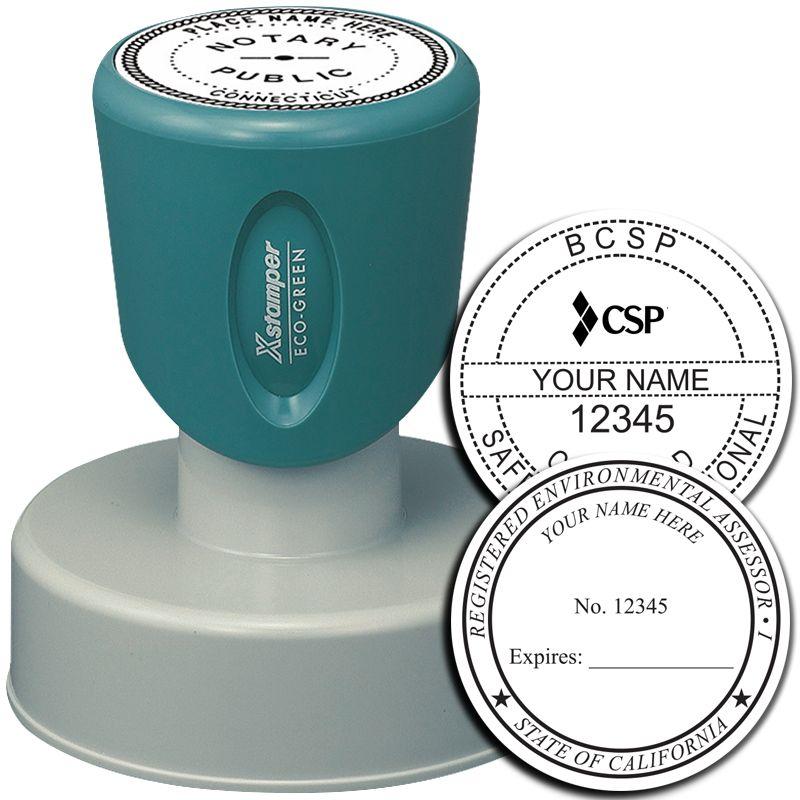
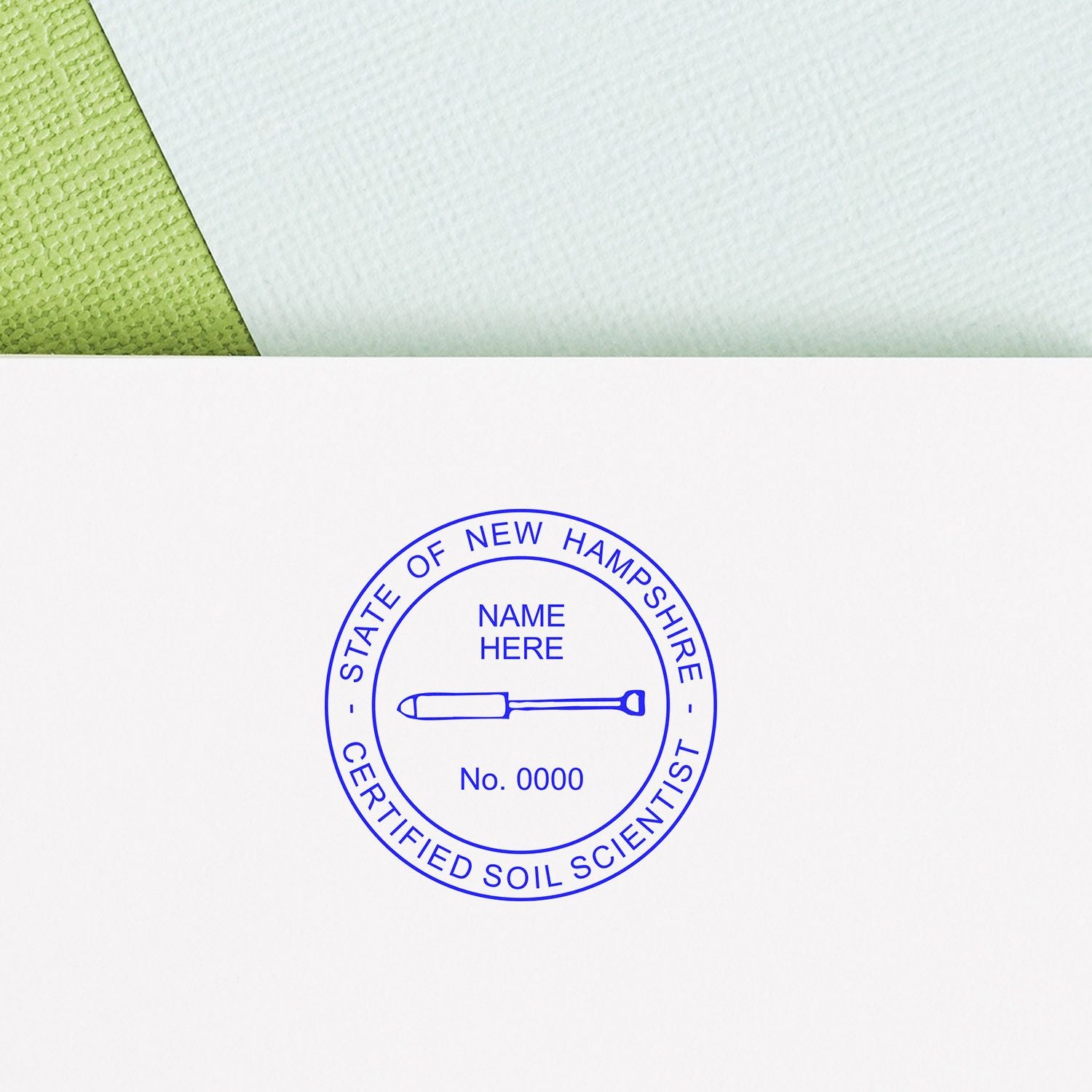
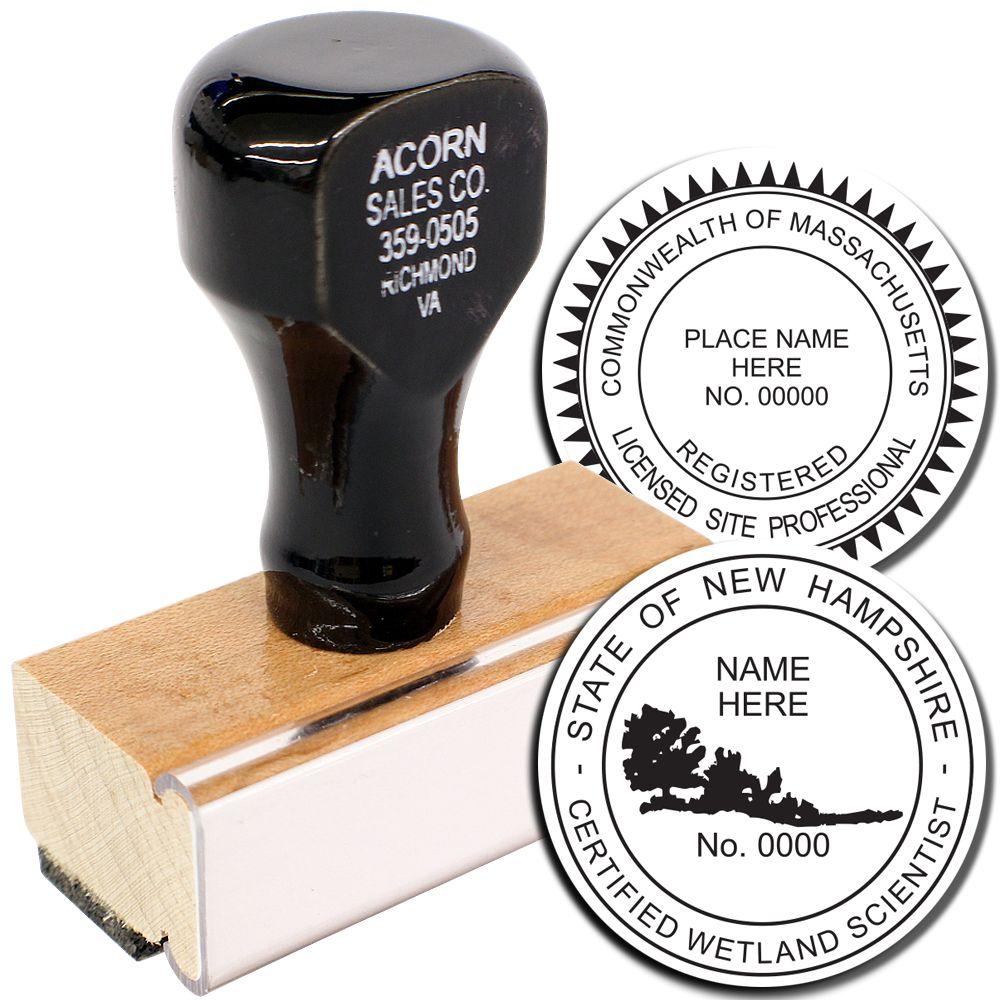

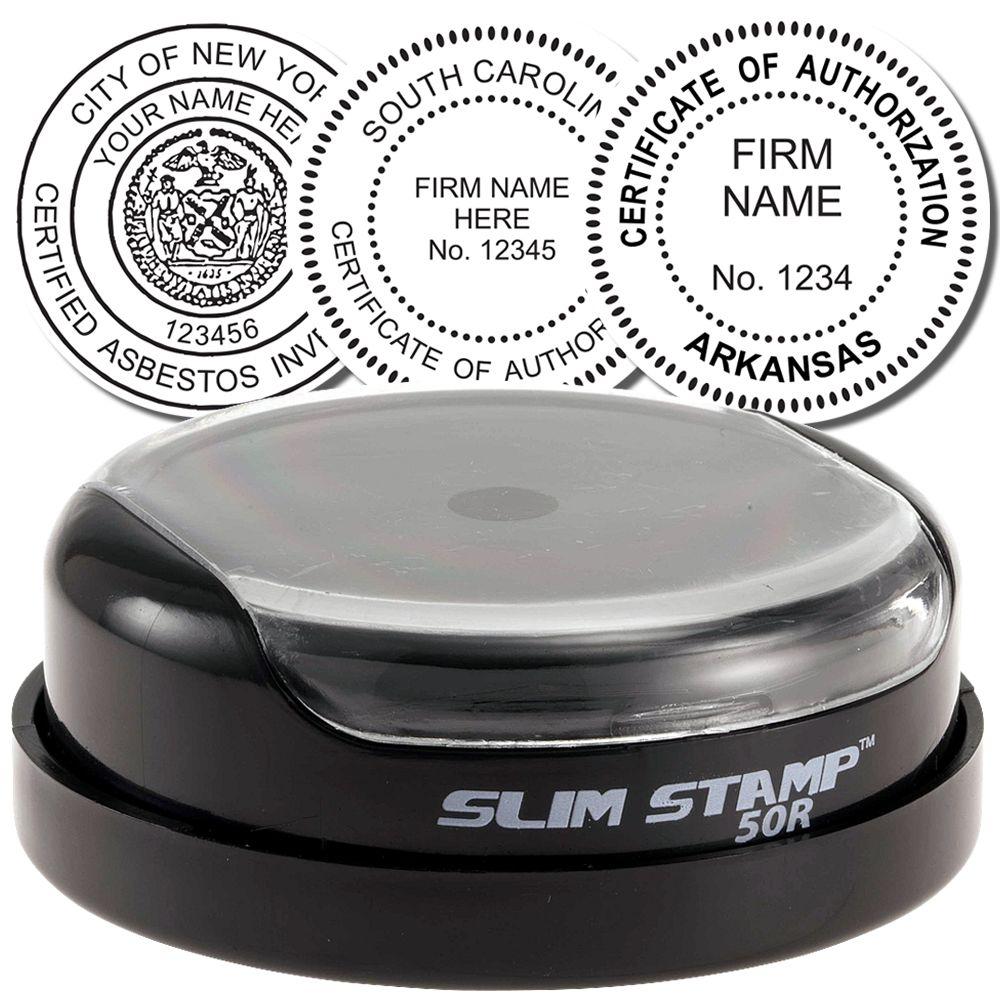
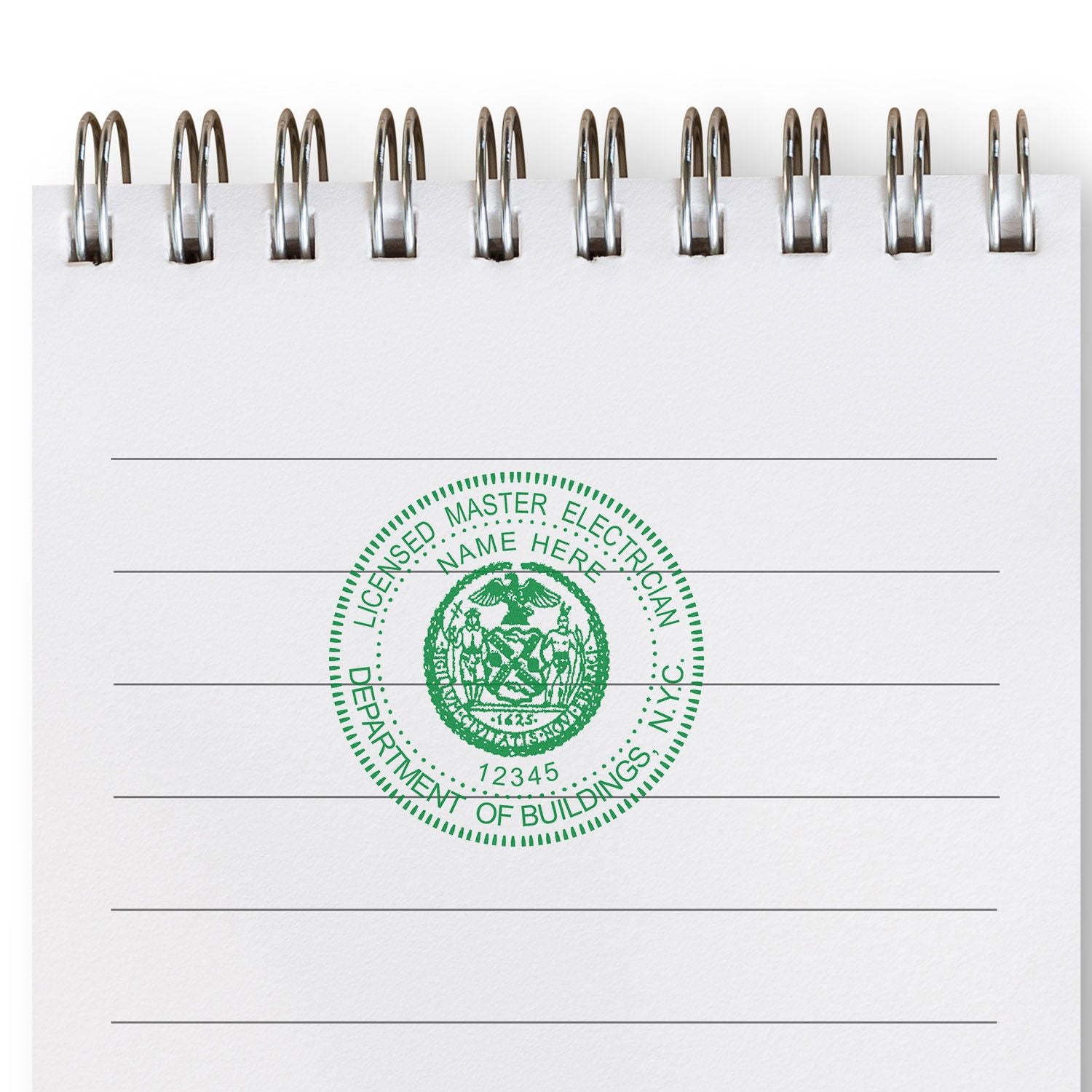
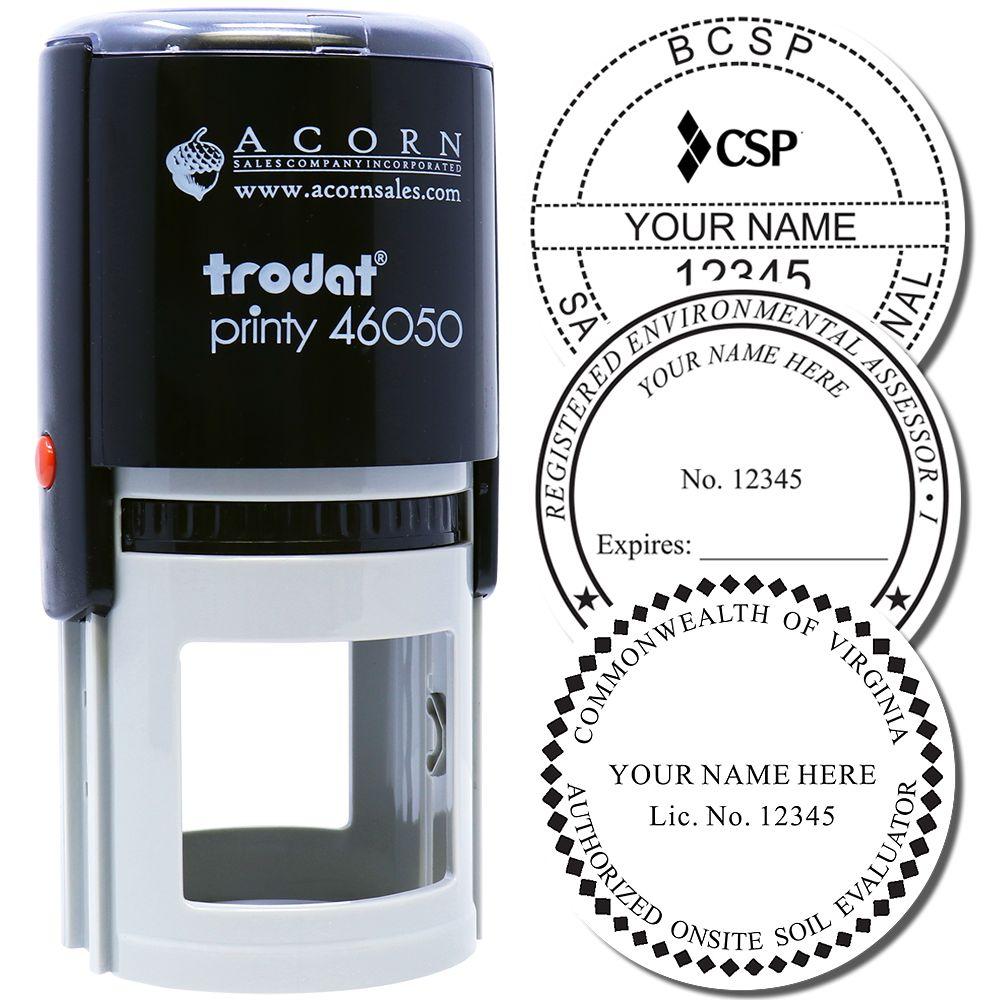
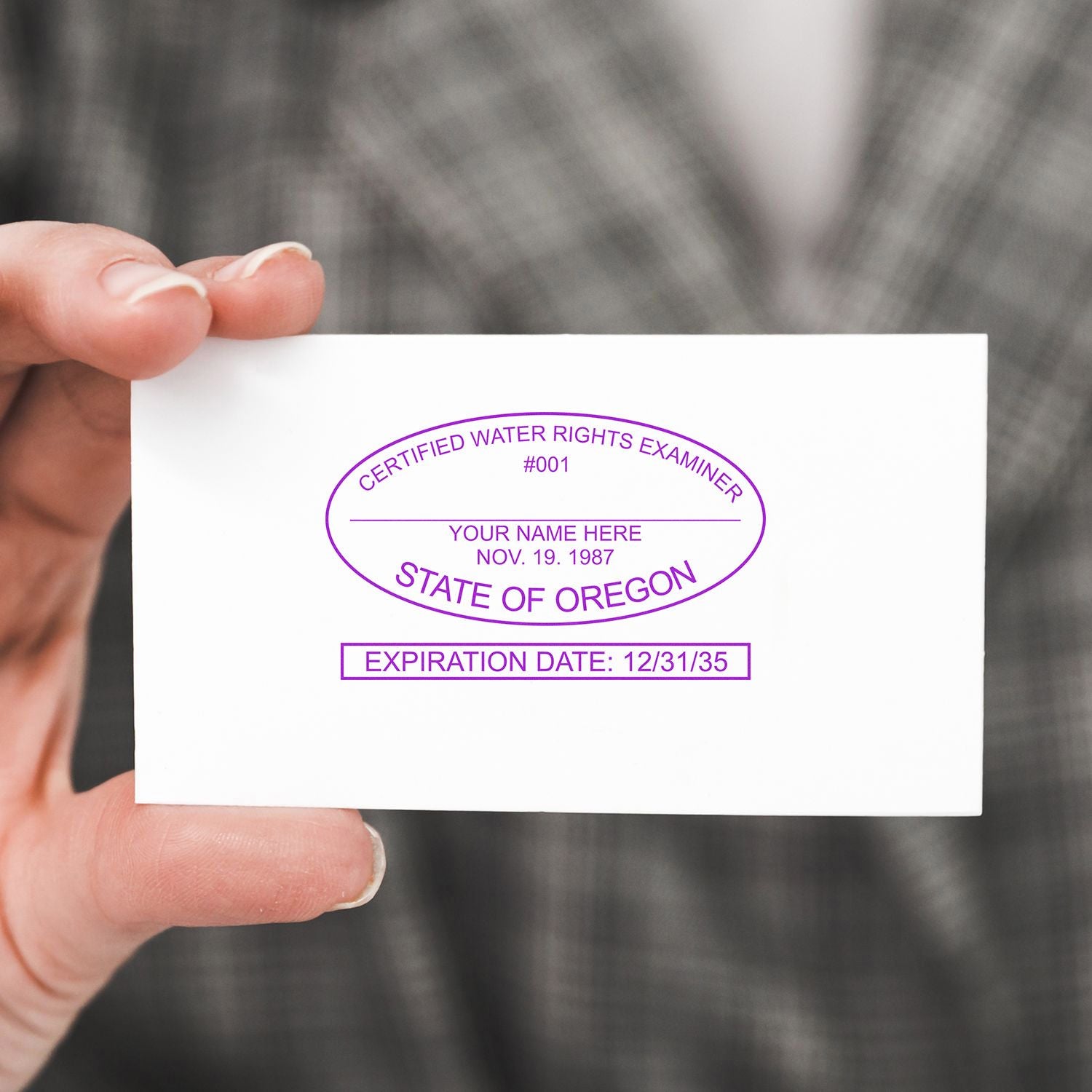
Find quality features
It’s important to keep a few features in mind when you’re shopping for a new company seal. After all, the last thing you want is a flimsy product that breaks after a few uses. Below are some essential quality traits worth looking for:
Material construction
A seal typically includes the handle, the die or engraving plate, and the mechanical mechanism (if it’s an embosser). Seek out materials that are known for durability, such as steel or brass elements. Lightweight plastic may reduce production costs, but it often translates to a shorter lifespan. Given how frequently you might use your seal, spending a bit more on quality can be a wise move in the long term.
Crisp impressions
There’s a big difference between a seal that leaves a vague indentation and one that imparts fine details. You want the text, symbols, and outlines to be clear, so your seal’s purpose is instantly recognizable. High-quality manufacturing methods can produce deep engravings that look sharp on both the front and back of the stamped page.
Comfortable grip
If your business requires you to stamp many documents in one sitting, you’ll want a device that feels comfortable in your hand. Handles with ergonomic design or soft grips can reduce hand strain, especially if you’re embossing thick paper.
Customization
When you’re ordering a product that represents your brand, you need the option to personalize its design. You should be able to add your logo, set the right dimensions, and even pick special fonts. Many companies that specialize in professional seals allow you to work with a representative to finalize a design that matches your brand identity. Look for that collaboration service, as it often indicates a more reliable and customer-focused provider.
Below is a quick summary table you can use to reference quality factors:
| Feature | Why It Matters | What to Look For |
|---|---|---|
| Material | Affects durability and longevity | Strong metals (steel or brass) |
| Impression Clarity | Ensures easy readability | Deep, precise engraving |
| Ease of Grip | Reduces hand fatigue | Ergonomic handle, comfortable |
| Customization | Allows brand-specific design | Logo, fonts, dimension options |
By keeping these quality traits in mind, you can simplify your search, ensuring you receive a product that meets all your professional needs.
Choose the right seal
Selecting a seal that truly aligns with your business can feel like an overwhelming process at first. You’ll see various styles, functionalities, price points, and brand differences. But don’t worry. Here are three simple considerations that will guide you toward the perfect choice:
Style considerations
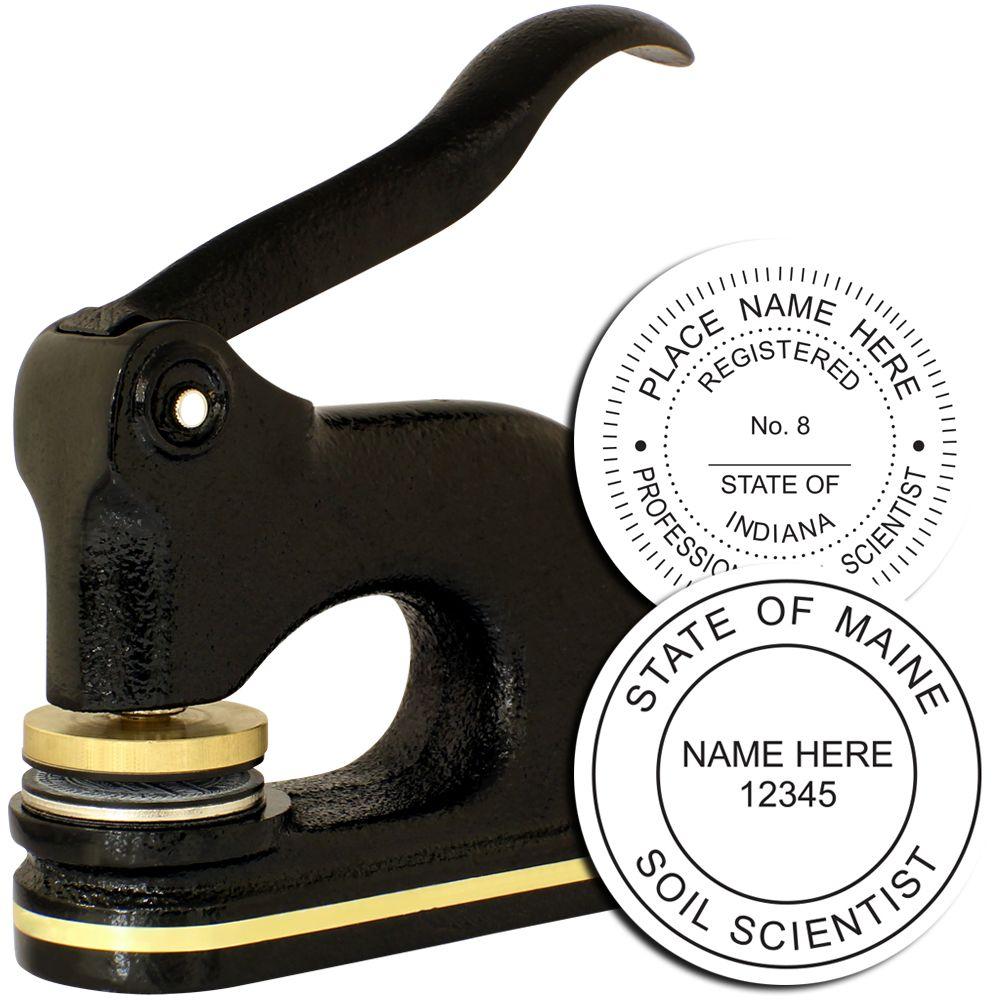
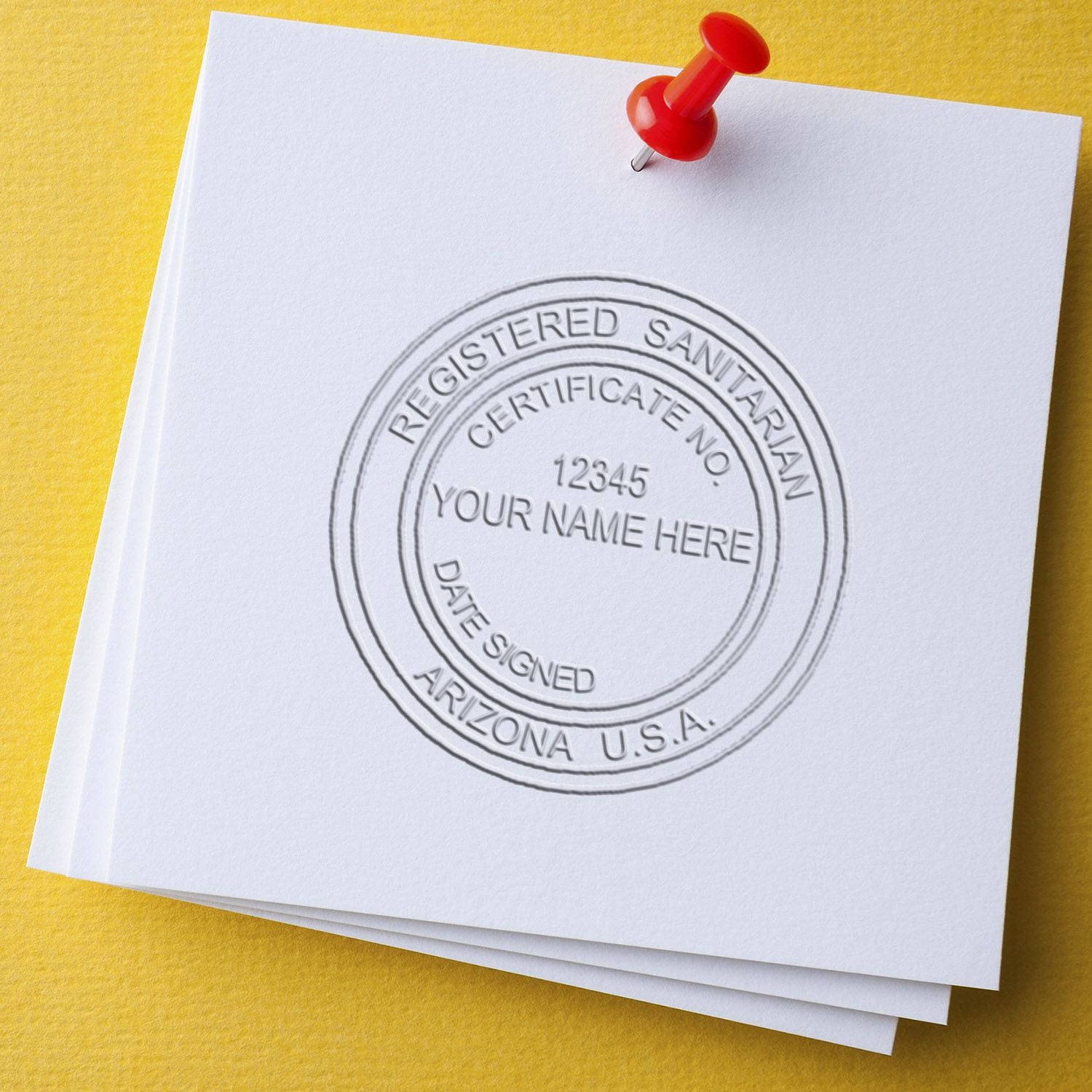
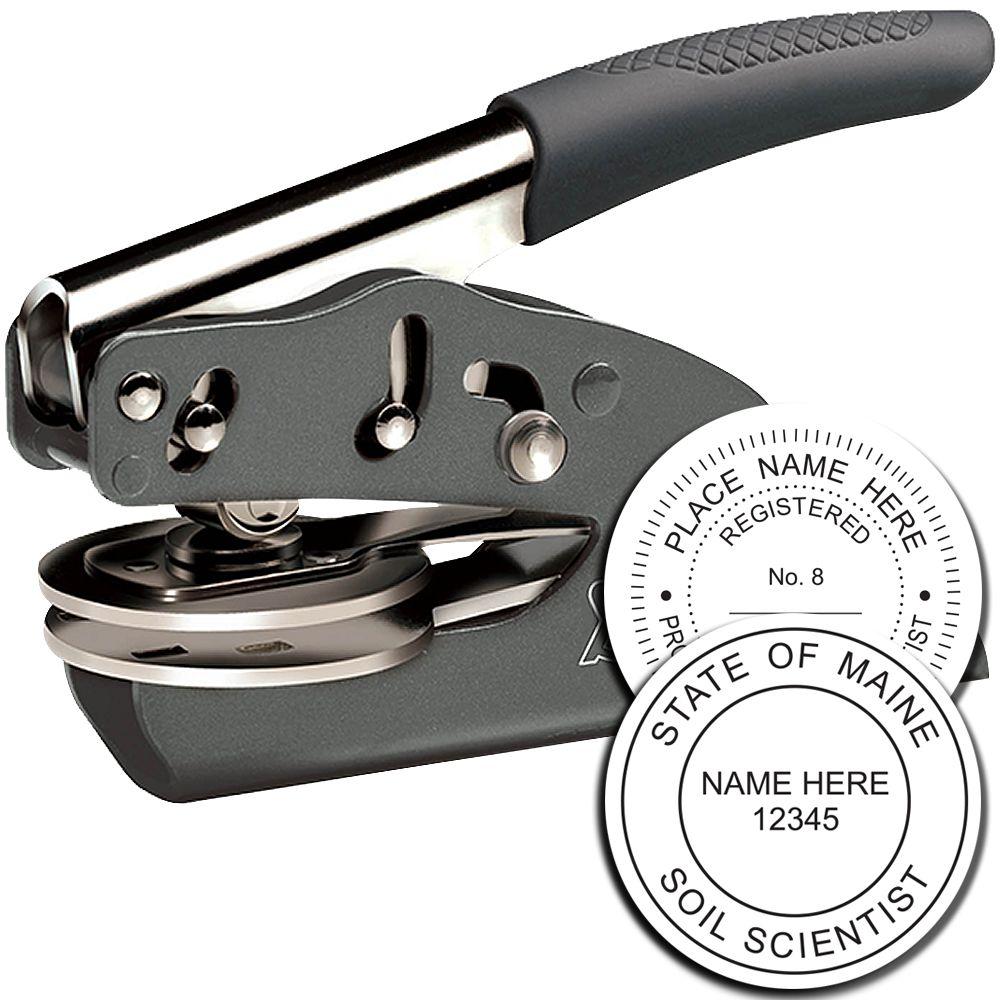
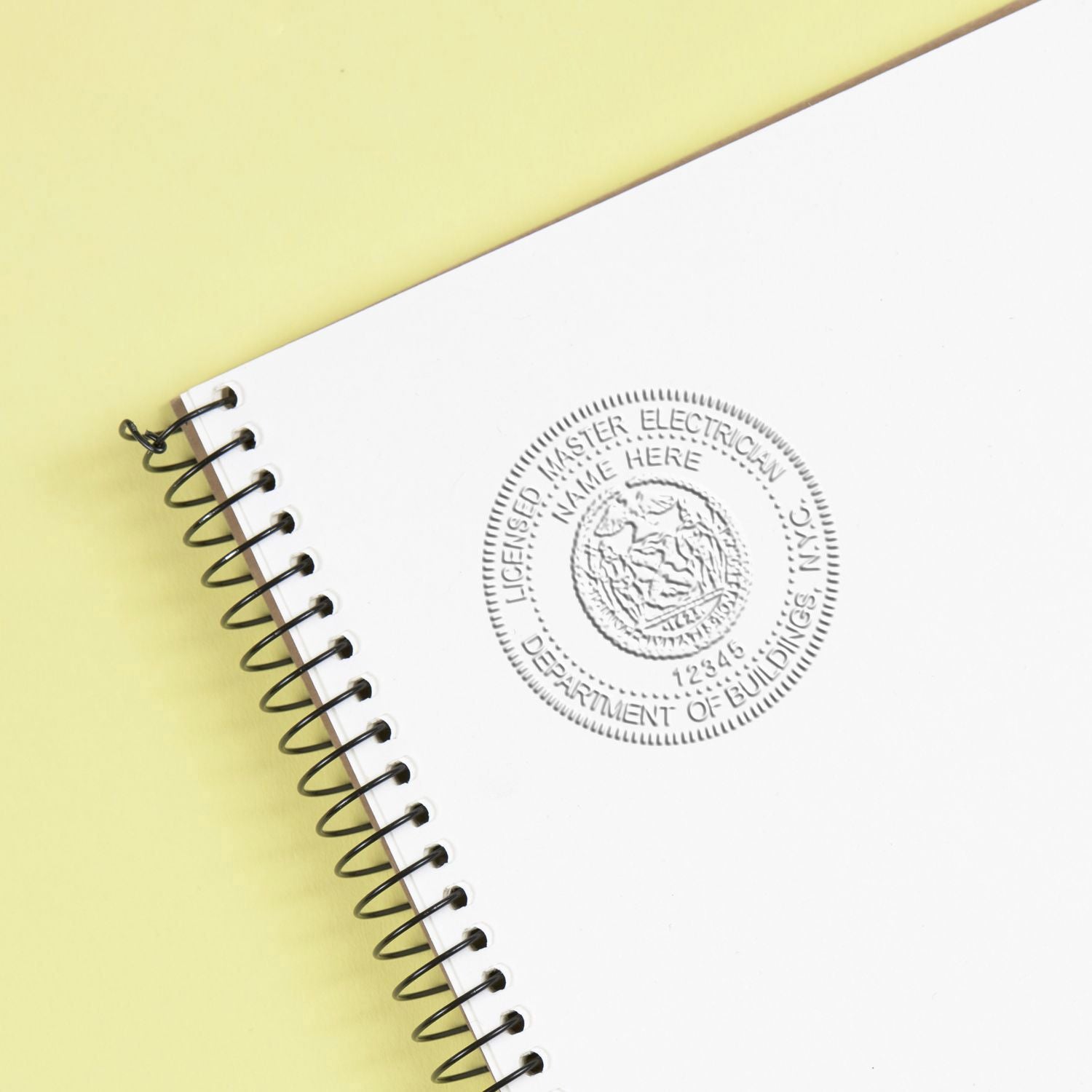
Professional seals come in embosser, inked stamp, or even digital forms (if you need electronic verification). If you’re mostly stamping official physical documents like contracts, you might prefer an embosser for that timeless raised impression. On the other hand, if you need to mark lots of forms quickly, a self-inking seal might be your best friend. You’ll get faster workflows and consistent marks.
Budgeting for quality
It’s easy to be tempted by cheap deals on the internet, but trust your gut here. A rock-bottom price might mean you’re giving up essential features like metal construction or deep engraving. Think about how often you use your seal. If your company relies heavily on physical documentation, it’s wise to invest more so your seal remains dependable year after year. Low-quality stamps often wear down, meaning you’ll have to replace them sooner, which could cost more in the long run.
Working with a trusted supplier
Finally, the manufacturer or supplier matters. Seek feedback or reviews from other professionals in your industry. If they mention consistent, high-quality products, that’s a good sign. Remember, a well-known brand with a reliable track record might charge a bit more, but you’ll likely receive better support, faster turnaround times, and smoother communication. For example, Acorn Sales stands out by offering top-tier products and manufacturing them in Richmond, VA, ensuring both quality and a personal touch. You want that reassurance every time you order.
Learn common seal types
You might be surprised by how many seal varieties you can explore. Each type has its own strengths, which means you can find one (or more) that perfectly fits your workflow. Below are three popular options you may want to consider:
Embossing seals
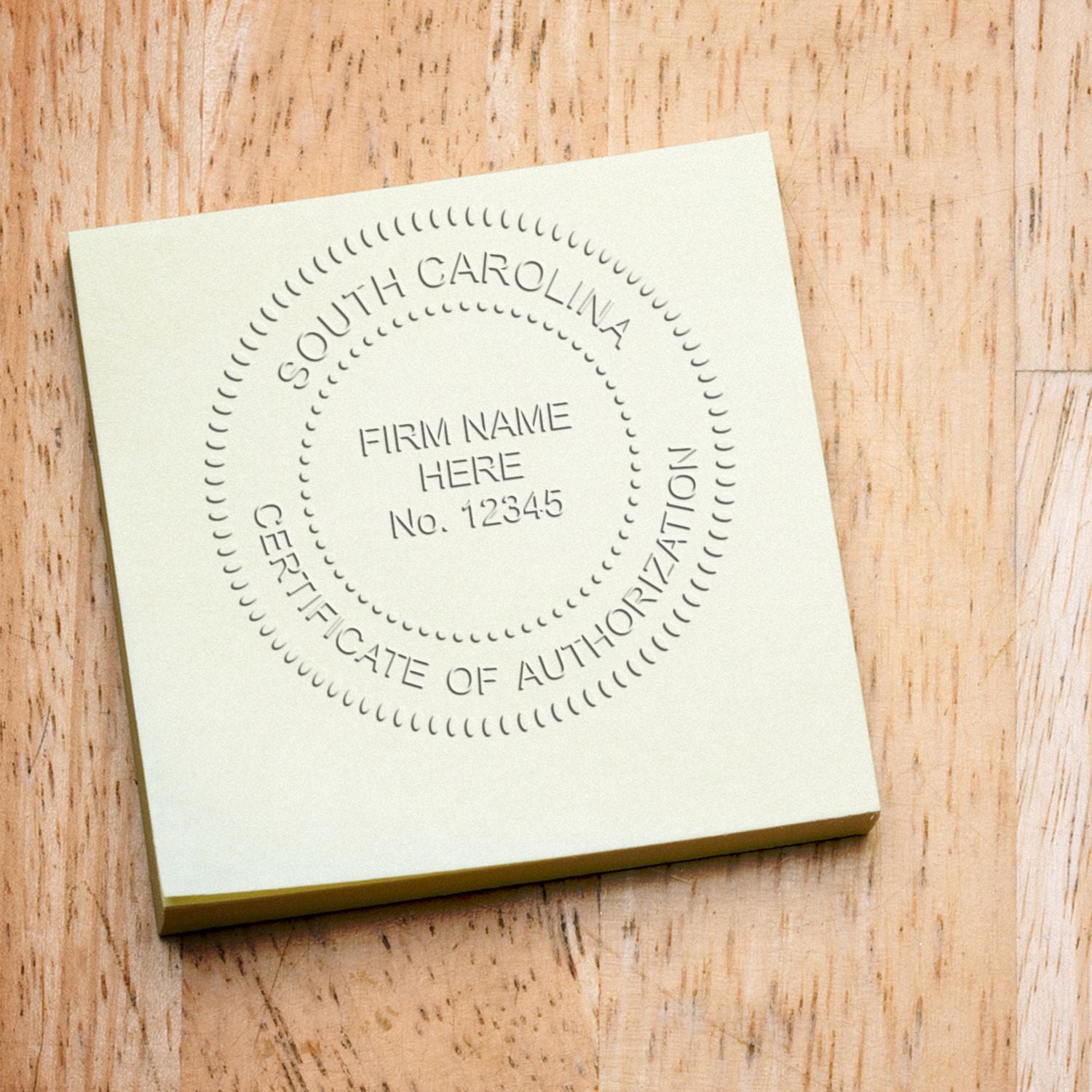
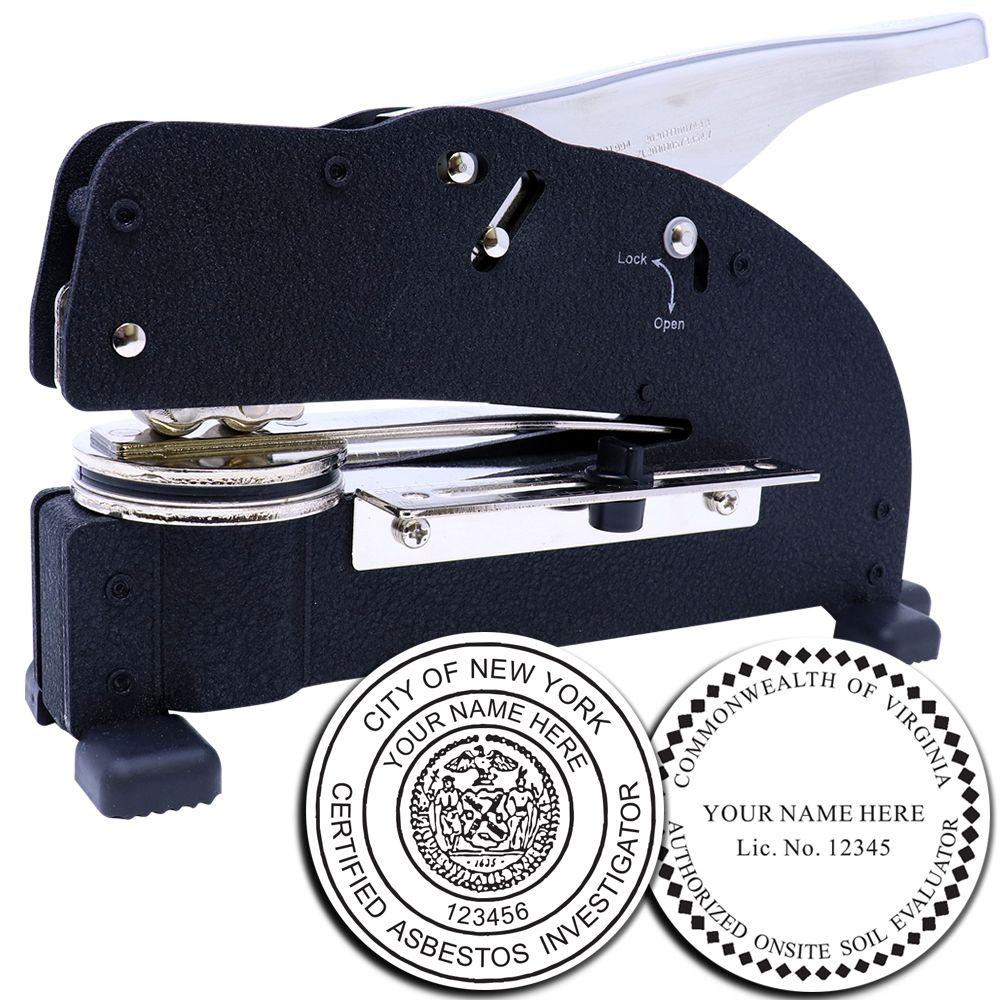
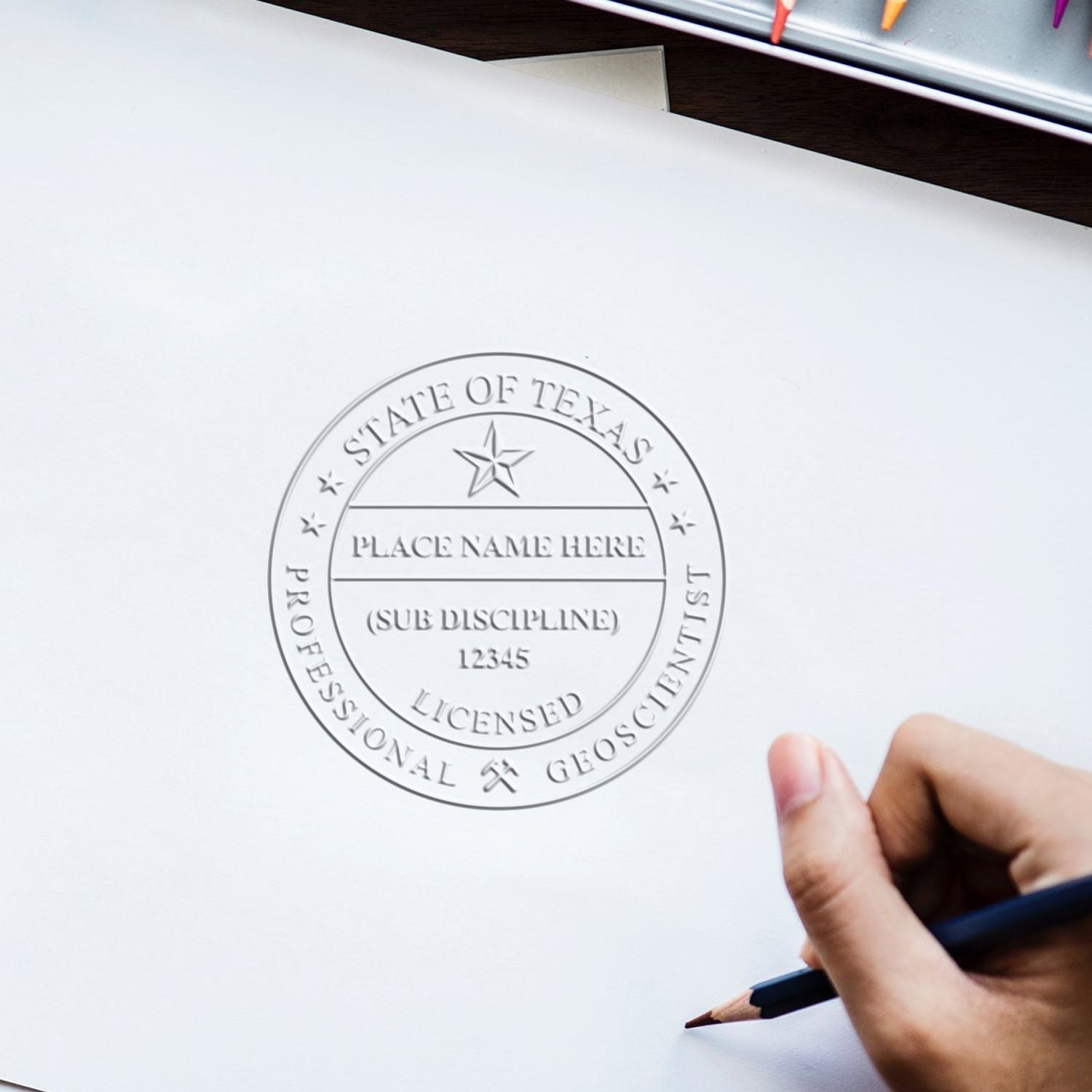
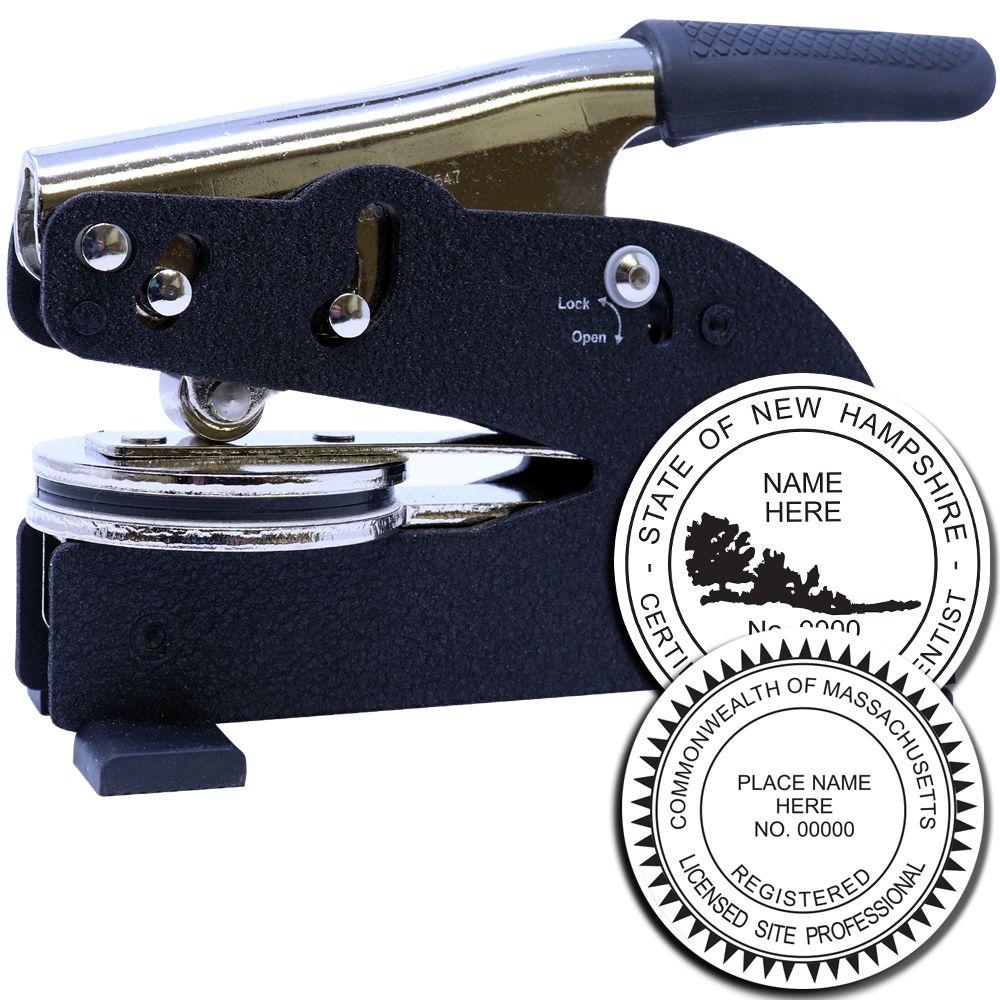
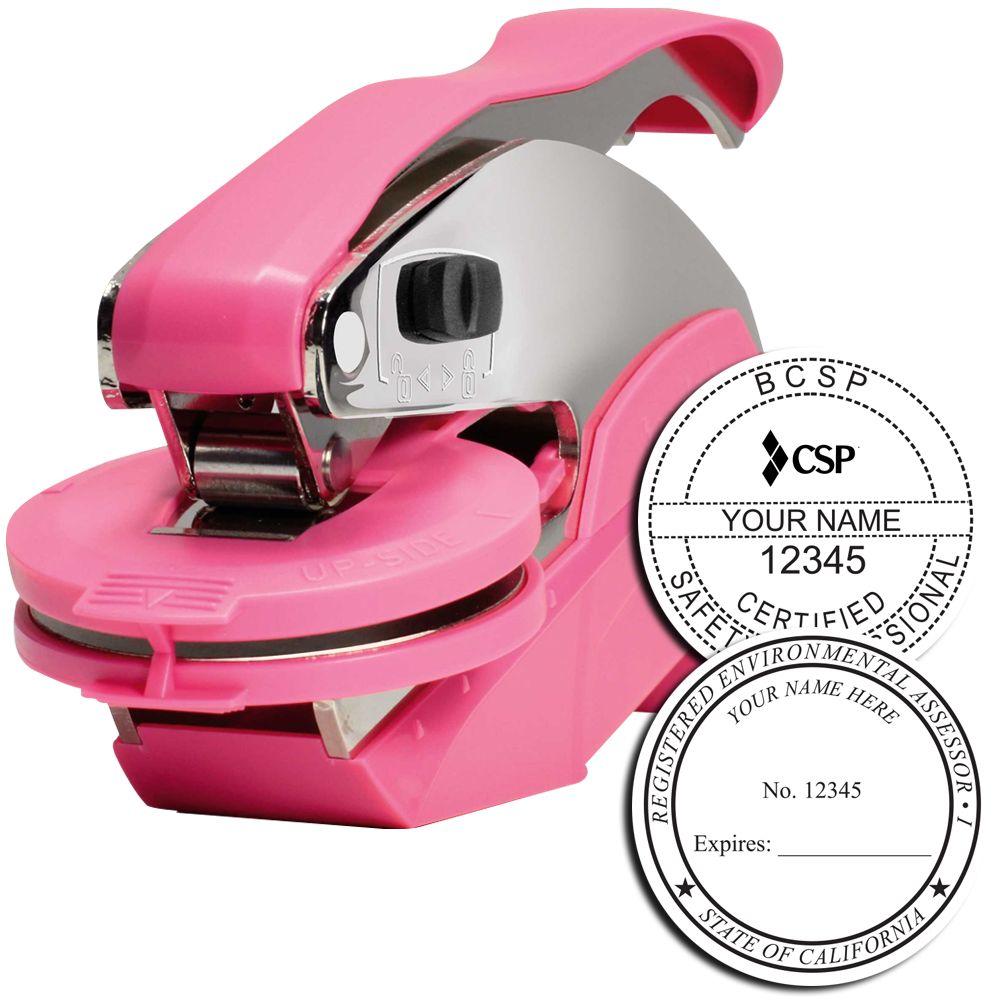
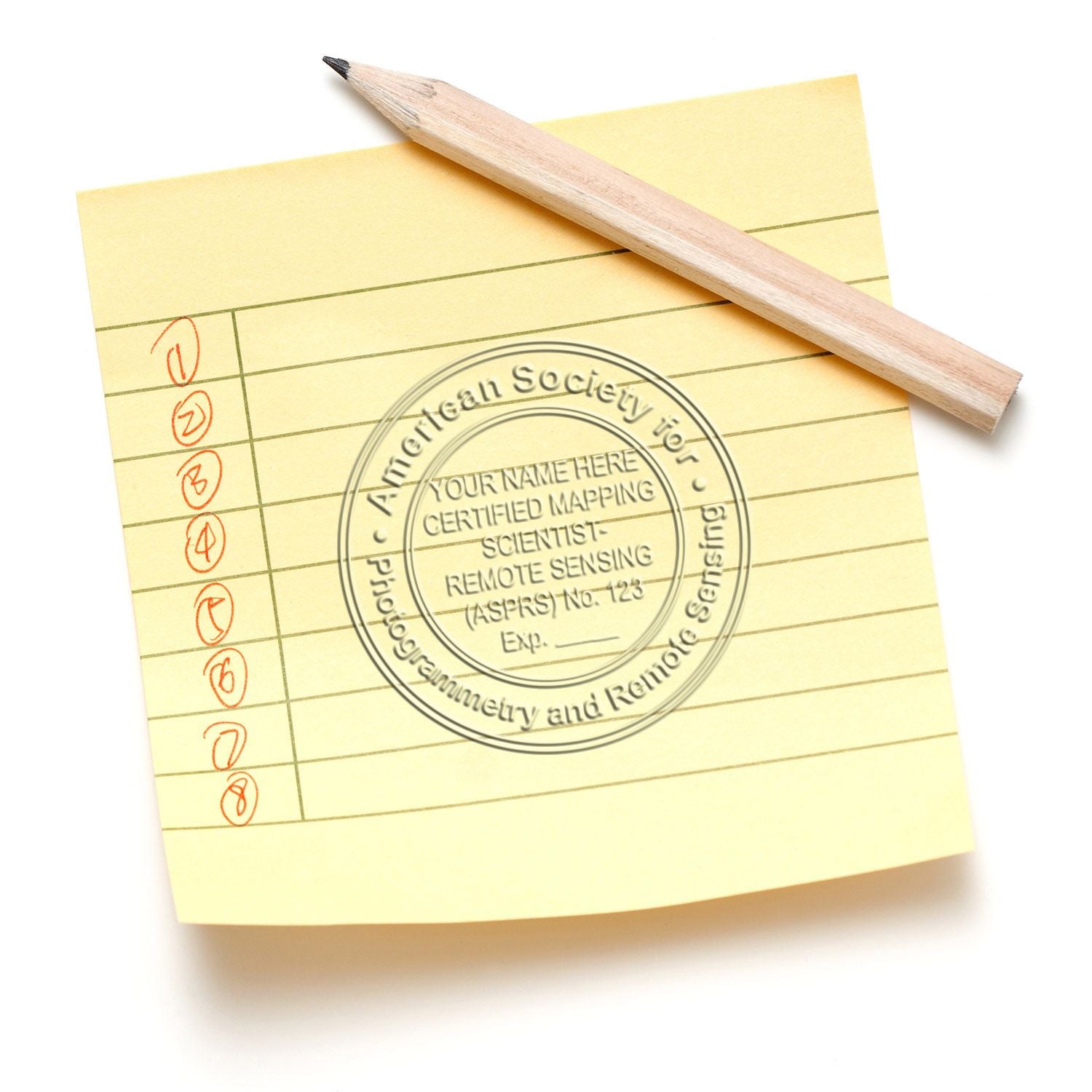
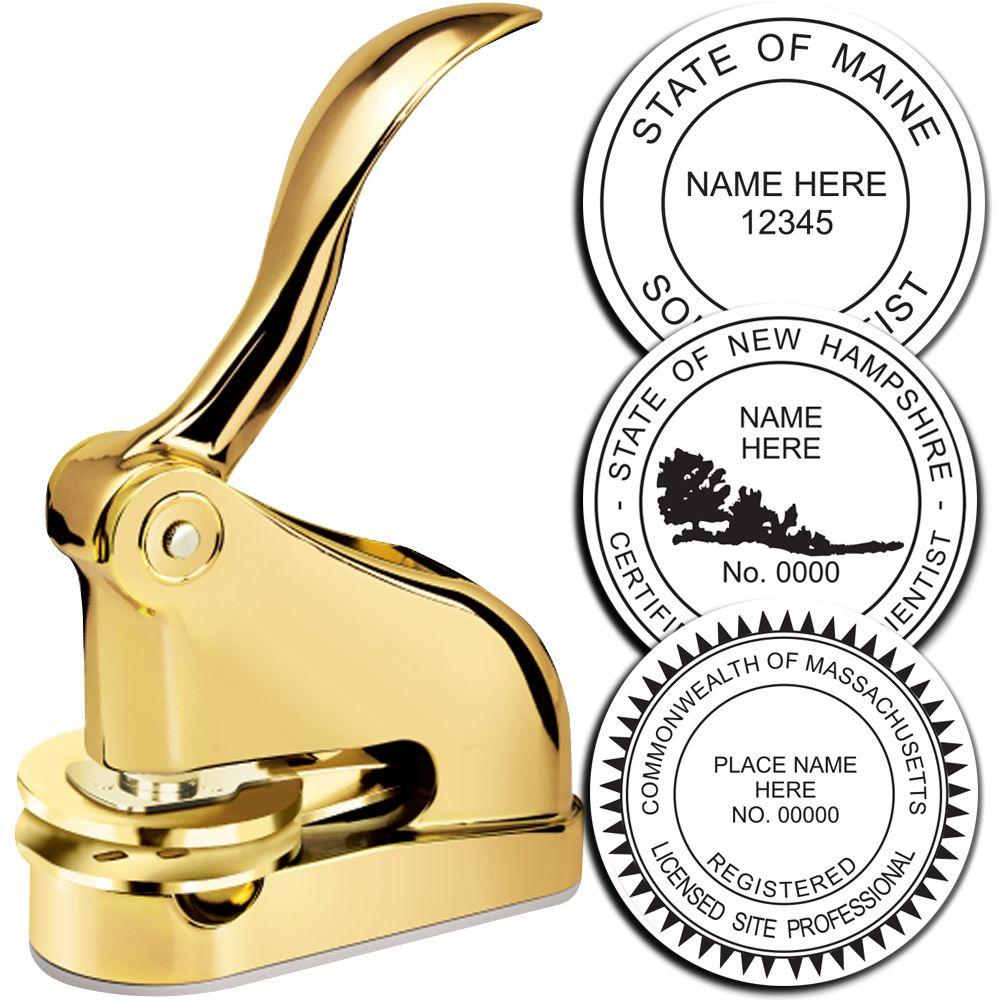
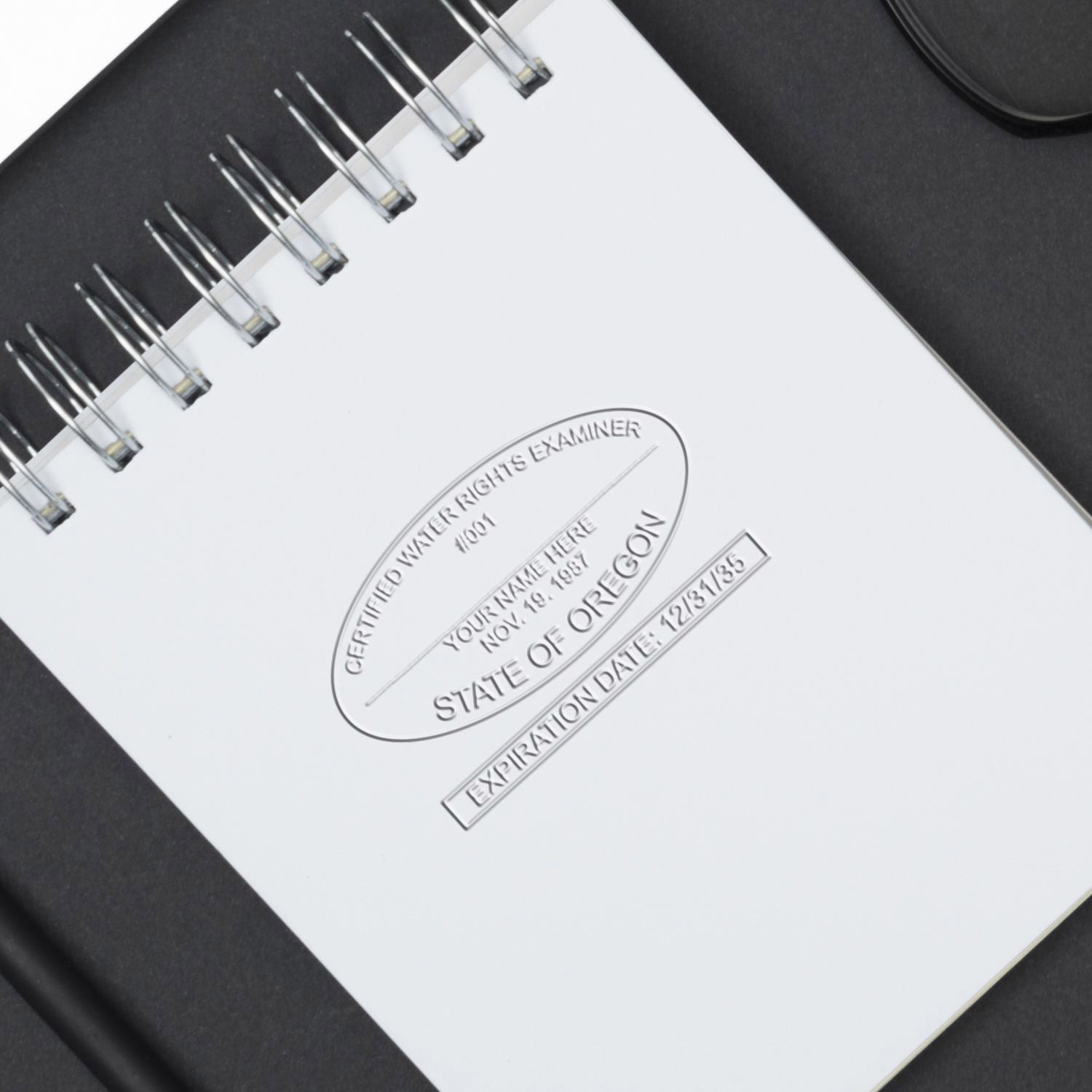
An embossing seal uses engraved metal plates to create a raised impression on documents. That classic look instantly signals formality, especially if you’re dealing with diplomas, certificates, or official letters. Since this type relies on physical pressure, the resulting image can be felt on both sides of the paper. Of course, thicker stock may take extra force to press, so be mindful of your paper type.
Where they work best
- Formal certifications, awards, and licenses
- Architectural or engineering plans
- Important legal forms that require a distinctive raised seal
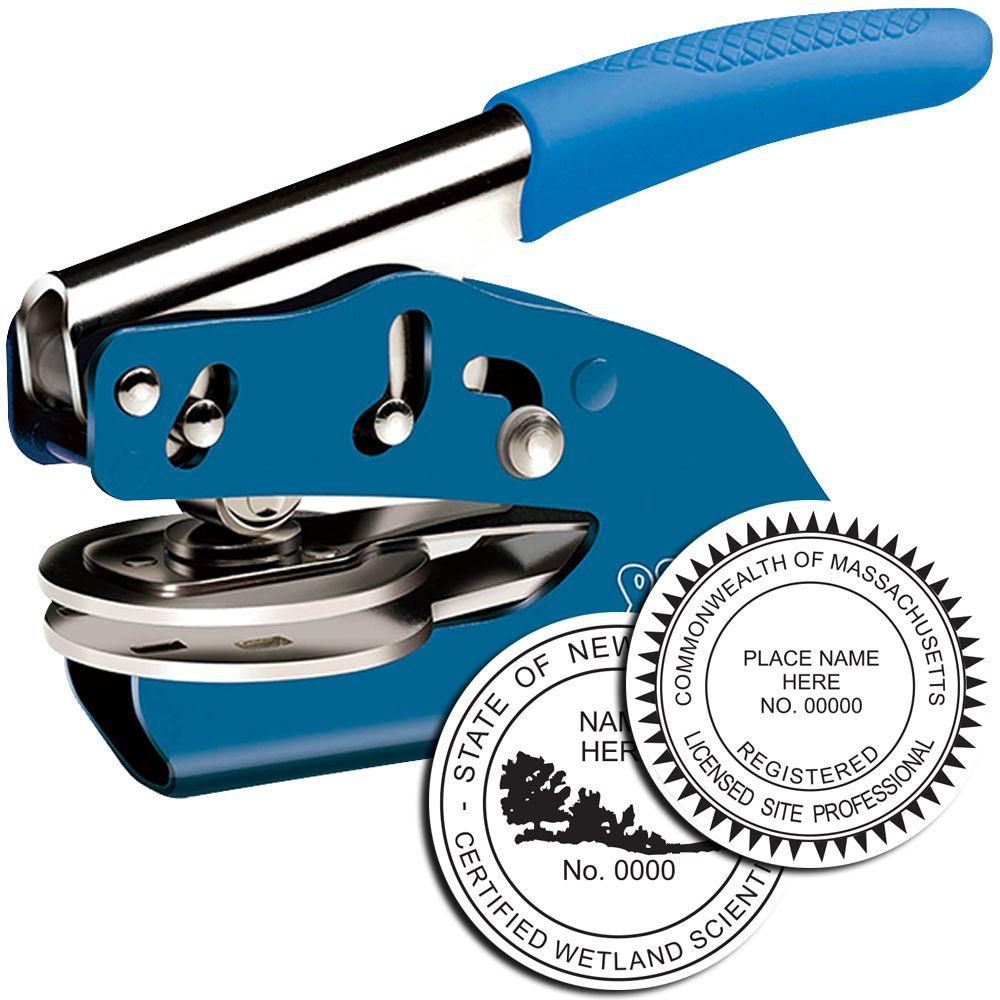
Embossers usually come as handheld devices or desk-mounted models. Handheld ones are portable, while heavier desk units might be more ergonomic if you’re stamping a lot of pages in one sitting.
Self-inking seals
A self-inking seal includes an internal ink pad, so you simply press down, and the seal design is transferred onto the paper. These stamps are faster and cleaner than traditional rubber stamps because you don’t have to fumble with a separate ink pad for each impression. You’ll often see them used by companies that process a high volume of documents daily.
Top pros and cons
- Pros: Quick stamping with minimal mess, uniform impressions, easy storage
- Cons: Ink pad eventually needs replacement, not ideal for embossing or raised impressions, sometimes less visual flair than embossed seals
If your main goal is to churn out consistent, readable marks on multiple pages at once, a self-inking seal could be your go-to option.
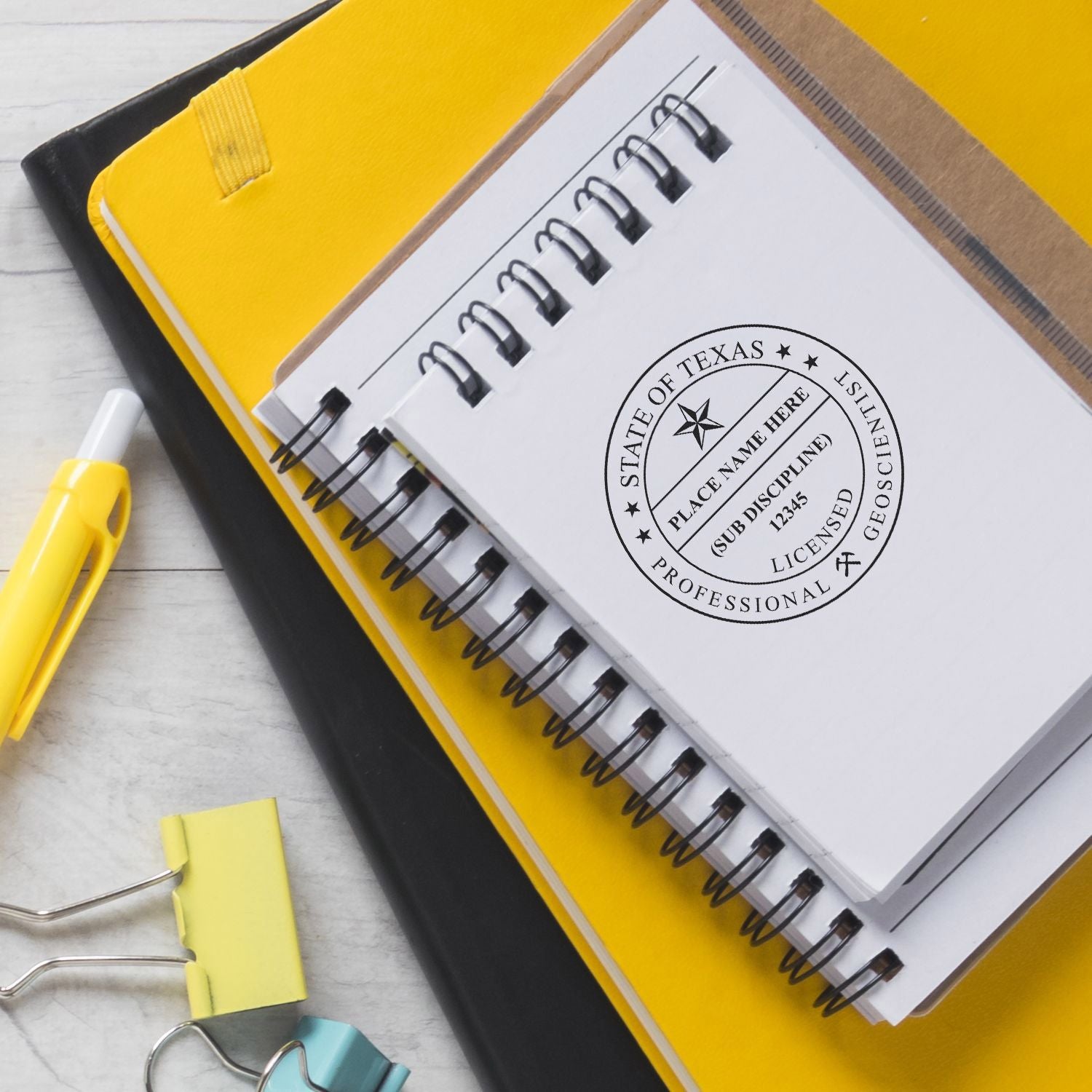
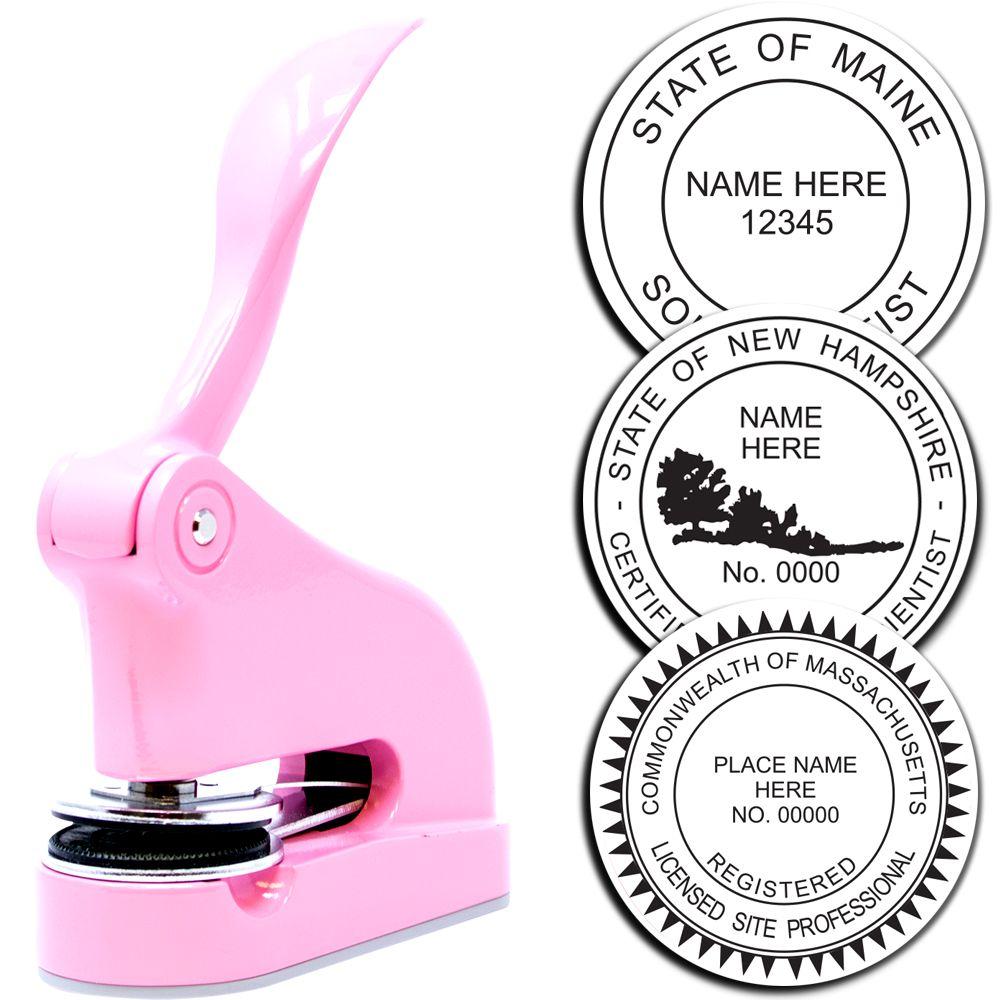
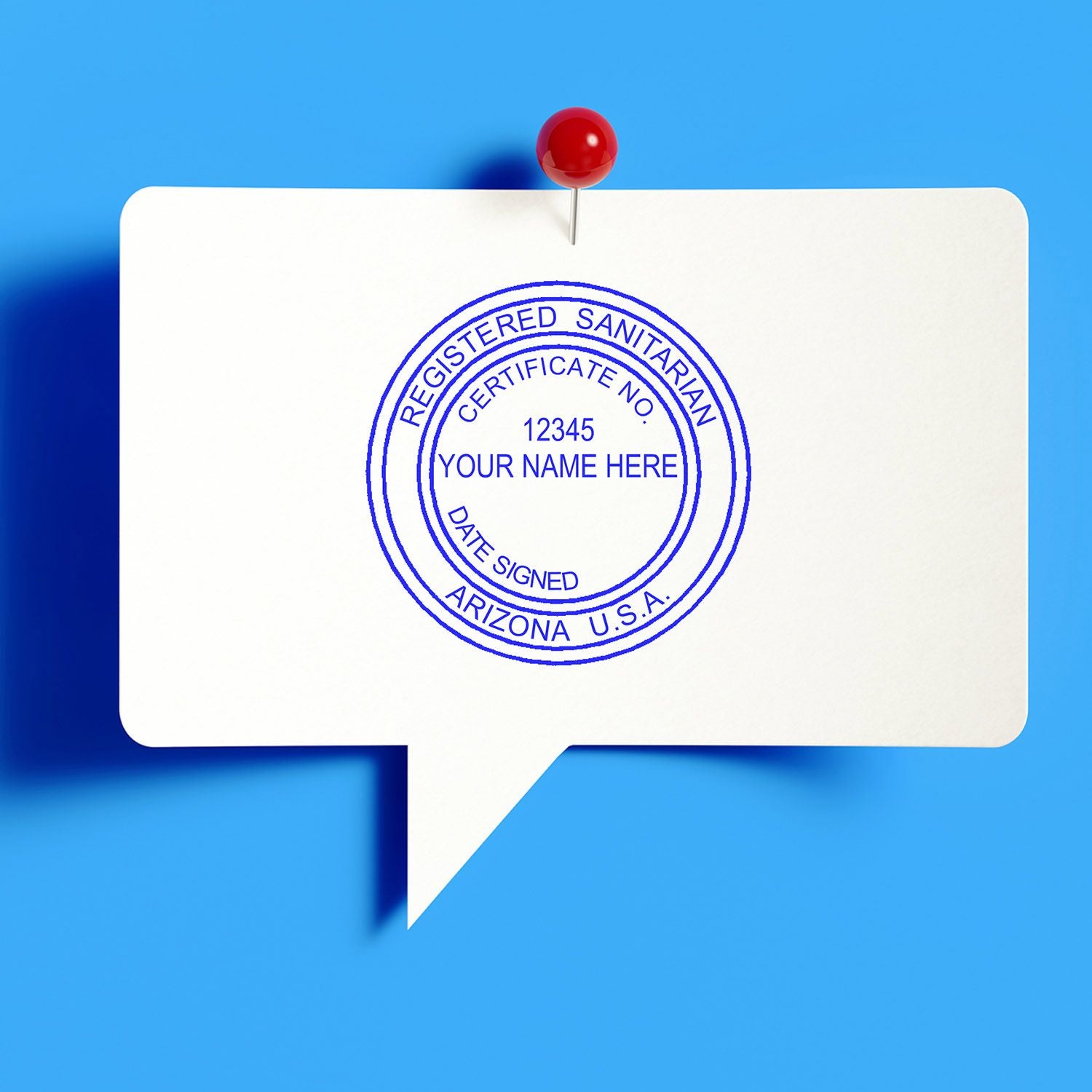
Hand stamps
Hand stamps are typically the more affordable route. You’ll have a separate ink pad, pressing the stamp onto the pad and then onto the document. They can be easily customized with your name, logo, or official text. However, because this process involves two steps, it’s slightly more prone to user error. If you have a steady hand and lower volume needs, a traditional hand stamp is still a reliable choice.
You might also be interested in discovering how professional stamps can complement your seals for various business uses. Adding something like professional stamps to your toolkit allows you to handle other tasks, such as date-marking files or labeling packages.
Properly maintain your seal
Once you have your ideal seal, taking care of it will extend its life and keep impressions crisp. Proper maintenance is often overlooked, leading to smudged or inconsistent results. If you’re relying on your seal for important tasks, investing a little time in upkeep is worthwhile.
Storing your seal properly
For embossing devices, make sure the metal plates do not rub on other tools or surfaces. A sturdy case or cushioned drawer can protect the delicate engraving edges. Keep self-inking stamps stored upright, if possible, and not pressing down on the internal pad. That way, the ink won’t seep or dry out prematurely.
Cleaning
Over time, ink can accumulate on the surface of an embossing plate or the die of a self-inking stamp. Gently wiping it with a soft cloth or mild cleaning solution clears away grime. If you have a self-inking seal, follow the instructions for adding more ink when impressions start losing clarity. Avoid over-inking, though, or you’ll end up with blotches on your documents.
Routine cleaning might feel tedious, but it helps ensure your official markings remain clear and legible. The last thing you want is a seal that prints half of your company’s name or leaves smears all over your client agreements.
Explore creative applications
Although you typically see professional seals used for formal documentation, they can also add polish to many other areas of your business. Sometimes, being creative with seal usage helps you stand out from competitors and injects a bit more excitement into routine tasks. Here are two unique ways to use your seal:
Document protection
While professional seals obviously serve to authenticate and officialize, they can also deter tampering. If you send out sensitive materials, placing your seal at critical points, like over a folder flap or on a label sealing an envelope, discourages anyone from attempting to open or modify the documents without being obvious.
This throttles casual prying. It’s a subtle but powerful way to safeguard contracts, proposals, or other critical paperwork during shipping. Clients often appreciate this attention to detail, and it tells them that you care about both presentation and safety.
Special events and marketing
Do you ever send out invitations for business milestones or hold industry workshops? Adding an embossed or stamped impression on your invites can create an elegant effect. It doesn’t just look nice, it feels luxurious. If you host seminars or produce any kind of certificate for attendees, your seal transforms a typical piece of paper into a more treasured keepsake.
You might even incorporate your company’s seal in certain promotional materials for brand awareness. While many marketing channels are digital, there’s still power in tangible items that people can touch and hold. Seals help you rise above the usual noise, leaving a memorable mark.
Trust Acorn Sales promise
Because professional seals directly represent your brand’s credibility, you need a partner that appreciates the importance of delivering quality. That’s exactly why so many businesses turn to Acorn Sales. Here’s how we stand out:
Manufacturing in Richmond, VA
All our seals are produced right here in Richmond, Virginia. We’re proud to offer something truly local that also meets stringent quality standards. Our team carefully oversees the manufacturing process, from the design stage to final assembly, so you can be confident every product meets your expectations.
Plus, when there’s a need for quick turnaround, working with a U.S.-based operation speeds everything up. Whether you have a last-minute order or a sudden uptick in demand, our fast-response approach ensures you always have the tools you need.
Quality and turnaround
At Acorn Sales, producing top-quality seals is a core priority. We know how vital clarity and precision can be in a professional environment. We never cut corners, our equipment and skilled team focus on detailed engraving, comfortable ergonomics, and longevity. We also believe in modernizing as needed, so our production line is equipped to handle the latest design requirements.
On top of that, we strive to deliver orders quickly, so your business activities are never put on hold waiting for essential office supplies. Whether you need a single seal or a larger batch, our goal remains the same: reliable products delivered when you need them.
Take your next steps
If you’ve been holding off on acquiring a new set of embossing or stamping devices, now might be the time to leap forward. You’ve seen how professional seals can improve your branding, enhance your official documents, and even discourage tampering. More importantly, you’ve learned the key factors, like material construction and clarity, that matter most when picking the perfect one.
Explore more solutions
Maybe you’re also searching for something to help with day-to-day file labeling or shipping. In that case, pairing your seal with additional marking tools, such as professional stamps, can simplify your workflow. The right combination of seals and stamps ensures you’re prepared for every scenario, from finalizing contracts on the go to categorizing thick stacks of paperwork.
Final summary
Professional seals tell your clients and partners that you take your work seriously, respect formalities, and value consistency. By using high-grade materials, ensuring proper care, and choosing a reputable supplier like Acorn Sales, you can set a tone of trust. Now go ahead, put your new knowledge into action, and discover the difference a well-crafted seal can make for your business.
Frequently Asked Questions
What are professional seals and why does my business need one?
Professional seals are official markings used to authenticate documents, reinforce your brand, and show that your business takes accuracy and professionalism seriously. They help clients and partners trust that your paperwork is legitimate, properly approved, and traceable to your company.
What are the main benefits of using a high-quality business seal?
A high-quality business seal can improve credibility, strengthen brand identity, support legal compliance in certain industries, and help protect documents from tampering. It also creates a polished, professional impression that can build client confidence at a glance.
What should I look for when choosing a professional seal?
Look for durable materials like steel or brass, crisp and readable impressions, a comfortable grip, and customization options such as your logo, font, or seal size. These features help ensure your seal lasts longer and produces clean, professional results.
Which type of business seal is best: embossing seal, self-inking seal, or hand stamp?
The best seal depends on your workflow. Embossing seals are ideal for formal documents and raised impressions, self-inking seals are great for quick, high-volume stamping, and hand stamps are a budget-friendly option for lighter use. Choosing the right type depends on how often you’ll use it and what kind of documents you handle.
How do professional seals help protect documents from tampering?
Professional seals make it harder for someone to alter or forge a document without detection. When used on contracts, envelopes, or sensitive paperwork, the seal acts as a visual security measure that helps deter unauthorized changes and adds another layer of authenticity.
How do I maintain my professional seal so it lasts longer?
Store your seal properly and keep it clean. Embossing seals should be protected from damage to the engraving plate, while self-inking seals should be stored upright and cleaned regularly to maintain clear impressions and extend their lifespan.