
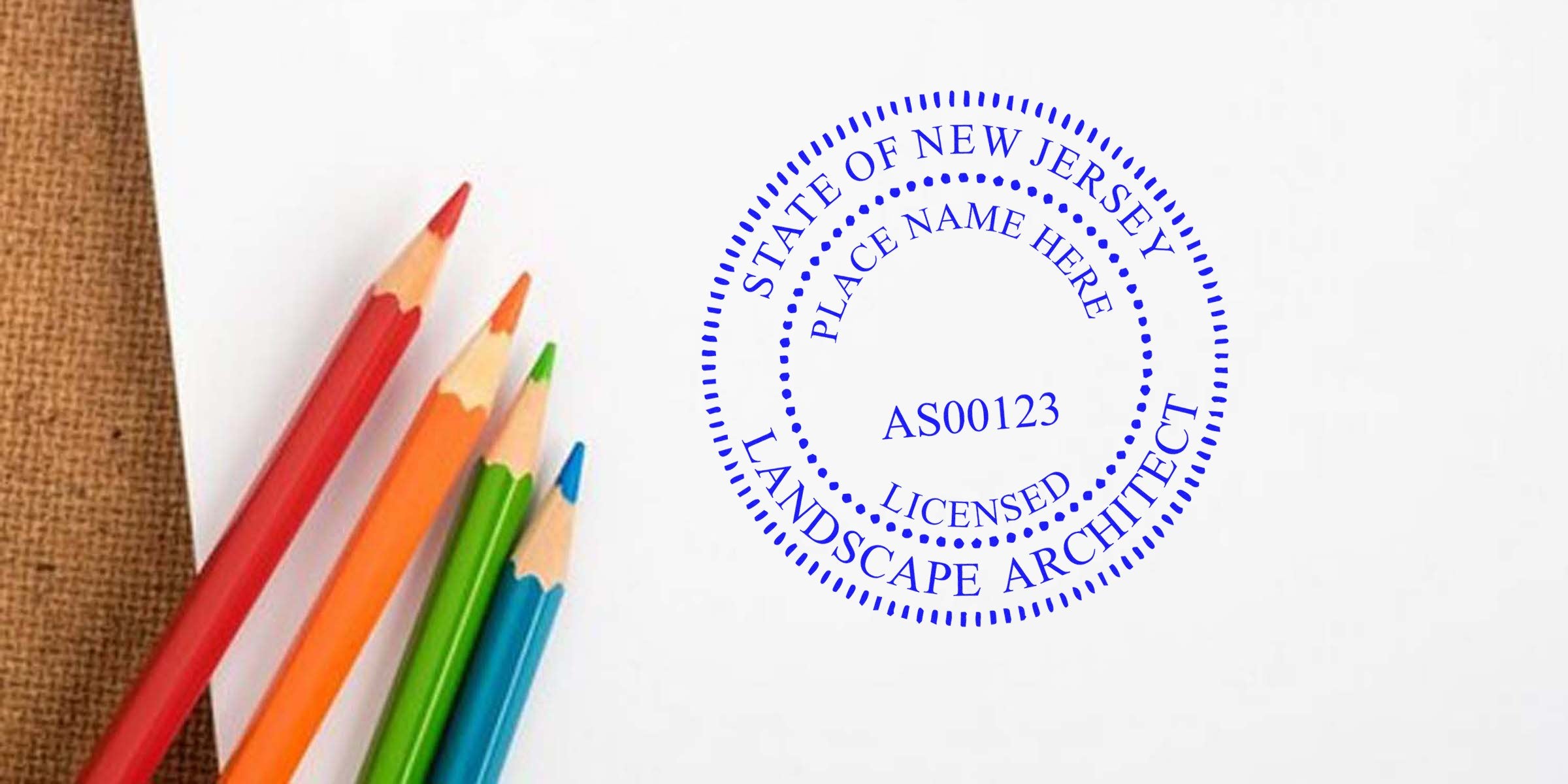
You might be wondering if you really need the New Jersey landscape architect seal template, or if you can get by with a quick DIY approach. The short answer is that an official seal template is not just about legality, it’s also about preserving your reputation as a qualified professional. In the Garden State, licensed practitioners are required to place an approved seal on design documents. Missing or misusing that seal can lead to serious issues, including delayed projects or even disciplinary action.
Of course, the details can feel a bit overwhelming, particularly if you’re new to these requirements. But don’t worry. In this post, you’ll learn the basics of what the seal entails, where to find a trustworthy supplier, and how to make sure your final stamp is unquestionably official. By following the guidelines below, you’ll ensure your firm is operating in full compliance and that you’re showcasing your professionalism from day one.
Grasp the Official Requirements
Before investing in any seal template, it helps to know what the state of New Jersey expects from landscape architects. The New Jersey State Board has specific rules on shape, size, and required text. If you fail to meet these standards, you could run into issues at project approval time.
- Shape and Size: You’ll often see a circular design, typically around 1.75 to 2 inches in diameter.
- Required Text: Your name, license number, and the words “Licensed Landscape Architect” must appear exactly as stated in the regulations.
- Legibility Needs: The seal must be readable. If your stamp gets smudged or your digital seal is pixelated, that might lead to confusion and questions about authenticity.
For detailed insight, be sure to check out the official New Jersey landscape architect stamp requirements. That resource goes into more depth on the legal angles, so you’ll know precisely how to proceed. Following these requirements not only keeps you on the right side of the law, but shows clients you’re serious about your professional obligations.
Understand the Template’s Importance
Imagine you’re handing over project documents and the reviewer notices your seal looks off. Maybe the text is too small or the layout doesn’t match standard rules. That’s the kind of problem that can stall your project or call your legitimacy into question.
This is where a properly crafted template proves essential. When you use a trusted new jersey landscape architect seal template, you minimize the risk of errors right from the start. You also ensure consistency, since every sheet you approve carries the same formatting. In a profession where accuracy is everything, consistency helps you present yourself as a detail-oriented leader in landscape design.
Why a Template Beats a Generic Design
- Ensures Accuracy: Templates are developed around the correct text, spacing, and official guidelines.
- Saves Time: You won’t need to research all the design rules from scratch, since the template is already aligned with state regulations.
- Protects Your Brand: Relying on a standard, legally recognized design elevates your professional image.
Sure, you could try to whip up a seal in your favorite graphics program, but you risk typos, spacing errors, and missing crucial text. A ready-to-use template is just simpler, plus it helps you avoid rework if something is off.
Follow the Design Steps
So how do you actually move from the design concept to a finished seal? The process isn’t complicated, but it’s smart to handle each step carefully. Here’s a quick guide:
Gather Your Details
Make sure you have your full legal name and your New Jersey license information at hand. You’ll also need the official text required by state regulations. Double-check your spelling and license number. A single letter or number out of place can create significant paperwork hassles later.Select the Proper Style
Most landscape architect seals in New Jersey follow a circular shape. Pay attention to whether borders, lines, or additional text are required. If you’re unsure whether an inner circle or dual-ring design applies, refer back to board guidelines or the template instructions.Input Your Personalized Info
If you’re using a professional template, you’ll simply plug in your name and license number where indicated. This keeps spacing and alignment consistent, so you won’t have to nudge or resize text manually.Approve the Proof
Once you’ve entered your details, you can usually preview a proof. Look for clarity in every letter. If anything seems off—like the font weight being too thin—don’t finalize until it looks rock-solid.Finalize the Stamp or Digital Seal
Depending on your preference or your firm’s needs, you might get a physical stamp, an electronic version, or both. A physical stamp is helpful for in-person submissions, while a digital seal can be dropped onto PDFs and other electronic documents.
Pro Tip: Verify Before You Print
Always verify your seal’s readability by printing out a test copy. Even if your final seals will be mostly digital, a test print helps catch errors that might not be obvious on screen. Look closely at how the edges and text appear on paper, because that’s typically where real-world clarity issues pop up.
Choose a Reliable Supplier
If there’s one place you don’t want to cut corners, it’s your official seal or stamp. After all, this is the mark that verifies your legitimacy. Choosing a recognized supplier can save you a world of headaches, especially if you ever run into questions from clients or state officials. One trusted name in this space is Acorn Sales, a company that’s been helping professionals meet their stamp and seal needs since 1964.
- Experience You Can Trust: With decades of service behind them, Acorn Sales understands the nitty-gritty details of state regulations.
- Free Digital Seal: Every order includes a complimentary digital seal, which is especially handy for those who frequently submit documents electronically.
- Verified Compliance: Because they stay updated on local requirements, you have peace of mind knowing your seal is legitimate the moment you receive it.
Compare Professional vs. Random Vendors
Below is a quick table to illustrate why working with a reputable supplier can mean fewer headaches for you:
| Criteria | Professional Supplier (e.g., Acorn Sales) | Random Online Vendor |
|---|---|---|
| Regulatory Compliance | High: Follows official guidelines | Unknown: Risk of errors |
| Quality Control | Rigorously tested templates | Varies widely |
| Customer Support | Dedicated help for questions | Often minimal or nonexistent |
| Additional Perks | Free digital seal, bulk discounts | Rarely included |
When you’re busy with design work and site visits, it’s just easier to trust a supplier with a proven track record. Not only do they help you smoothly navigate the ordering process, but they also back their products with a guarantee of compliance.
Key Points To Remember
By now, you know there’s more to creating a New Jersey landscape architect seal than stamping any random image on your drawings. From aligning with specific board rules to ensuring you have a recognized design, you can’t afford shortcuts. Here are a few takeaways to keep in mind:
- You Need a State-Approved Design: That includes specific text, size, and clarity standards.
- Using a Professional Template Saves Time: No guesswork, no risking regulatory backlash.
- Reliable Suppliers Offer Peace of Mind: Acorn Sales has been doing this since 1964, so you get experience plus a free digital seal.
- Verification Is Essential: Always proof your seal, both on-screen and in print.
Embrace the chance to make a strong impression every time you sign off on a plan. A properly designed seal reflects your attention to detail, which can influence how clients perceive your entire operation.
Your physical stamp is a vital tool, so keep it accessible but secure. Many landscape architects store stamps in locked cabinets or desk drawers to prevent unauthorized usage or damage. If you live in a humid area, consider a dry, temperature-controlled space to keep the rubber surface from wearing down prematurely.
Putting a proper seal on your plans is more than a bureaucratic step, it’s a statement of your professional standing. With a trusted new jersey landscape architect seal template, you’ll meet state requirements, avoid costly mistakes, and present yourself in the best light to clients and colleagues alike. Good luck as you move forward with your projects, and remember to invest in a seal that will serve you well for years to come.
Frequently Asked Questions
Why Do I Need a New Jersey Landscape Architect Seal?
You need this seal because state regulations require licensed professionals to stamp approved documents. It’s essentially your official “badge,” confirming that you stand behind the plans. Without it, regulatory bodies may reject your work or delay the review process.
How Quickly Can I Get My Seal?
Turnaround times vary, but reputable suppliers like Acorn Sales typically process orders promptly. In many cases, your free digital seal arrives via email soon after your purchase is finalized. Physical stamps can take a bit longer, but shipping usually remains well within a practical timeframe.
Is a Digital Seal Acceptable in New Jersey?
Electronic filings have become more common, and New Jersey does allow approved digital seals for certain submissions. However, you should always confirm that the agency or client you’re working with accepts digital documents. Even if digital is acceptable, some situations may still require a physical stamp (like archival records or when the reviewing agency insists on paper copies).
What If My Design Is Incorrect?
If your seal doesn’t meet the official specifications, you’ll typically receive a notice from the reviewing authority or board. That can result in project delays, so it’s best to get your seal right the first time. By using a tried-and-true template from a reliable supplier, you can avoid these pitfalls.








