
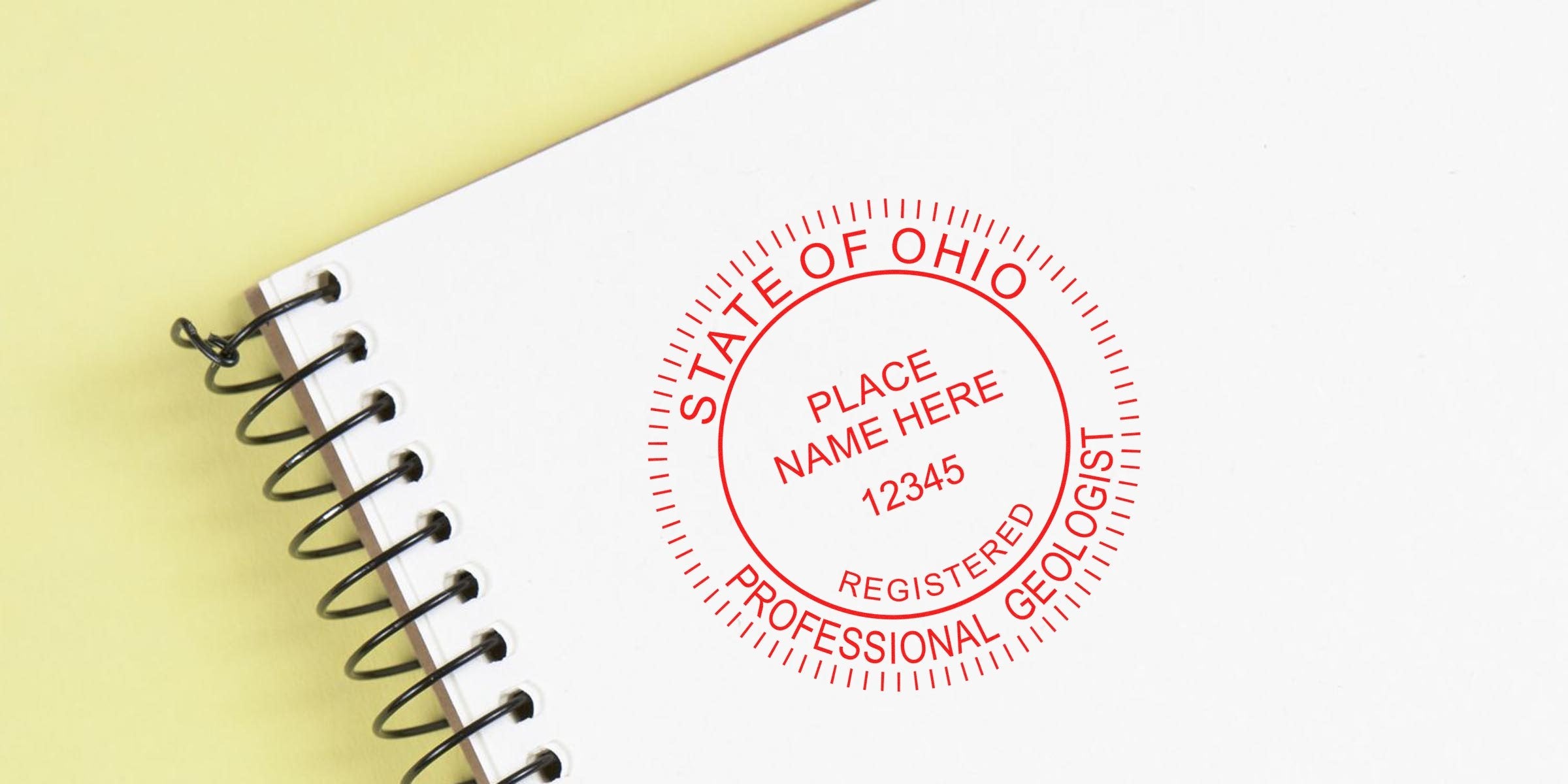
If you’re looking into the Ohio professional geologist seal, you might be wondering why it’s such a big deal. How exactly does a small stamp or embossed imprint make such a difference in your career and credibility? The short answer: it’s about meeting state regulations, maintaining professional standards, and showing you take your geologist work seriously. In Ohio, having the official seal isn’t just a “nice-to-have” item, it’s a must. And if you don’t have one already, you could be missing out on important project approvals and even risk your professional license. Let’s explore the key reasons you need this seal, along with useful tips for acquiring, maintaining, and using it.
Understand The Purpose
Before diving into the rules or types of seals you can use, it helps to clarify what this seal actually does. In simplest terms, the seal affirms your status as a recognized geologist in Ohio. By placing it on official documents, you’re guaranteeing the work meets the state’s guidelines, and you’ve followed standard procedures in preparing these documents. This piece of validation matters not only to the Ohio Board overseeing professional geologists but also to clients, employers, and even colleagues who want to see legitimate proof of your qualifications.
Why The Seal Matters
Imagine you’ve just completed a geotechnical report for a major construction project. You’ve poured time into the research and spent days ensuring the data is correct. When you submit your documentation, agencies and clients typically look for an authorized imprint or stamp that confirms your credentials. The Ohio professional geologist seal clarifies you’re officially recognized by the state, so the recipients instantly know your report is credible and meets set standards.
Beyond credibility, the seal also protects you as a professional. If anyone questions the authenticity of your work, the presence of an official seal can help clear up doubts quickly. Without it, your expertise might still be top-notch, but proving your official standing would take more explanation and back-and-forth. In a world driven by deadlines, time is precious, so it’s practical to have a straightforward way to validate your legitimacy at a glance.
Recognizing Its Symbolic Value
A seal might seem like a small piece of the puzzle, but symbolism goes a long way in establishing trust. It’s like wearing a name badge at a conference: people may know who you are by face or introduction, but that clear visual cue leaves no room for confusion. In your day-to-day work, the Ohio professional geologist seal is your badge of honor, guaranteeing both you and your client that the final product is properly executed.
Identify Key Requirements
Let’s chat about the nitty-gritty: you need to meet certain state guidelines to legally practice as a professional geologist and to place that seal on official documents. In most cases, the Ohio Board has explicit rules about the size, shape, and wording on your seal. They also have requirements about how and when to place the seal on documents. If you skip any of these steps, you might be facing compliance issues.
Rules For Usage
One common question is how frequently you need to stamp or seal your documents. In many professional spheres, you place the seal on every official report or plan that falls under your licensed expertise. In your case, that could include geological surveys, soil stability assessments, or environmental impact reports that you prepare or review as part of your day-to-day responsibilities.
You’ll also want to pay close attention to any changes in state code. Requirements for professional seals can shift over time, so it’s wise to stay updated by checking the Ohio Board’s guidelines every year or so. Think of it like renewing your vehicle registration: if you don’t keep track, you might miss an essential update and end up on the wrong side of compliance.
Accountability And Ethics
Using the seal on a document means you’re taking responsibility for the contents. You can’t simply affix it to work someone else has done if you haven’t supervised, verified, or reviewed the details yourself. This sense of ownership helps maintain a high ethical standard across your profession. If your seal appears on a report, you’re vouching for the data inside. In the rare event there’s a dispute or legal query, your signature and seal identify you as the professional who can explain or defend the findings.
Compare Seal Options
Now that you understand why the Ohio professional geologist seal is critical, you might be looking for the best way to get one. You have a few options, from a classic ink stamp to an embossed seal. You can even choose a digital file for online submissions. Each type has its pros and cons, so let’s break them down.
Physical Stamps Vs. Embossers
The traditional stamp uses quick-drying ink, leaving a crisp impression on your documents. This is probably the most common solution, especially if you frequently sign printed reports. An embosser, on the other hand, creates a raised seal that’s harder to duplicate or forge. While embossers offer a little extra flair and security, they might be less convenient if you do most of your work electronically.
If you’re also in the market for the official stamp, it’s worth checking out the Ohio Geologist Stamp that meets the state’s guidelines. Pairing a properly sized stamp with your digital seal ensures you’re covered whether you’re sending physical or electronic documents.
Going Digital
Today, lots of official paperwork is handled online. A digital version of your seal ensures smooth compliance in email and web-based submissions. It’s especially convenient if you share plans with colleagues who are scattered across different locations. Instead of printing, stamping, and scanning files every time you need to finalize a report, you can place a certified digital impression of your seal in a matter of seconds.
Keep in mind, though, that digital seals need to be secure. People sometimes forget that an image file is easy to copy and paste. To maintain the integrity of your seal, you might want to use a secure PDF environment where only authorized folks can access or apply your digital credentials.
Choosing A Trusted Supplier
Once you’ve decided on the type of seal, the big question becomes: where do you get it? Because you’re officially stamping your professional brand out there, you definitely want a reliable vendor that follows state specifications accurately. That’s where Acorn Sales fits the bill. With a solid reputation since 1964, Acorn Sales has been serving geologists, engineers, and other licensed professionals for decades. They know the ins and outs of Ohio’s official seal requirements, so you don’t have to worry about compliance issues or faulty designs.
Why Acorn Sales Stands Out
- In business since 1964, demonstrating decades of experience.
- Offers a free digital seal to customers, which can save you both time and money.
- Excellent track record for precision: your seal will meet the exact dimensions and wording required by Ohio.
- Prompt delivery and helpful customer support in case you have questions about usage or formatting.
It doesn’t hurt that you’ll feel more confident using a company that truly specializes in professional seals. Quality matters, especially when you’re dealing with official documentation that reflects on your reputation.
Maintain Your Stamp Or Seal
Once you’ve chosen the perfect seal, it’s worth knowing how to keep it in great shape so it continues producing a crisp, readable impression for a long time. The good news is that seal maintenance can be pretty straightforward.
Best Practices For Long-Lasting Use
- Keep It Clean: Wipe the surface of your stamp or embosser periodically. Dust or grime can accumulate and cause blotchy marks.
- Store It Properly: Avoid extreme heat or cold. Temperature shifts can affect the materials, especially if your seal frame is plastic or the stamping surface uses specialized ink.
- Test Periodically: If you’re not sealing documents daily, perform a quick test on scrap paper every month or so. That way, you’ll detect any ink issues or mechanical problems in time to fix them.
- Use The Right Ink: If you have an ink stamp, pick ink cartridges recommended by your supplier. Cheap or off-brand ink can smear or fade, making your seal look unprofessional.
- Stay Secure: For digital seals, keep your file or seal application in a safe place, and consider password-protecting it so no one else can use it.
Troubleshooting Common Seal Issues
- Faded Impressions: If your stamp’s impression is fading, you might need a new ink pad or to re-ink the device.
- Misaligned Embossing: An embosser can shift over time. If you notice your design looks lopsided, you can tighten screws or realign the plates according to the manufacturer’s instructions.
- Digital Blur: Low-resolution digital seals can appear blurry when enlarged. Request a high-resolution file for crisp, professional presentations.
Keeping your seal in prime condition ensures you’ll never have to scramble at the last minute to fix or replace it when you’re submitting critical documents.
So there you have it, a comprehensive look at how the Ohio professional geologist seal benefits your career and professional standing. Whether you’re in the process of renewing your license or just starting out, this symbolic tool is more than a formal requirement. It’s a mark of trust that helps clients, agencies, and fellow geologists recognize your work as legitimate and credible. From selecting a trusted supplier like Acorn Sales to deciding between a physical stamp or a digital file, you have plenty of ways to ensure you’re meeting Ohio’s regulations effortlessly.
Once you’ve got your seal, it’s a matter of consistent, responsible use. Make sure you keep it clean, secure, and up to date, so every project report, geological survey, or environmental study you finalize will carry the seal of approval that underscores your expertise. There’s really no better way to showcase your professional integrity in Ohio’s geoscience field. If you haven’t already, now’s the time to secure your own seal, add that official imprint to documents, and give yourself the peace of mind that you’re meeting every state requirement and expectation.
Frequently Asked Questions
Do I need to seal every page of a report, or just the cover?
Each state has its own guidelines, but typically you’ll need to place your seal on documents that directly reflect your professional judgment. That often includes the cover sheet and any pages containing your technical findings. Double-check Ohio’s rules for specifics.
What if I change my name or address after ordering my seal?
If the seal text references your full name, you’ll generally need a new seal. A legal name change can invalidate an old seal. Address changes typically don’t affect the seal unless your contact details are part of the design.
Is an electronic signature enough, or do I also need a digital seal?
An electronic signature verifies your identity, but in many cases, professional boards require a distinct seal image. The combination of a digital signature and a digital seal offers the most thorough coverage for compliance.
How often should I update or renew my seal?
You usually keep the same seal as long as you maintain your active license. However, if the state board updates their specifications, or if your license status changes, you might need a new seal that reflects those adjustments.
Where can I find official state seal requirements?
The best bet is visiting the Ohio Board’s website or contacting the board directly for an updated list of specifications. Feel free to reach out to Acorn Sales too. They stay up-to-date on Ohio’s rules and can guide you toward the most accurate design.








