
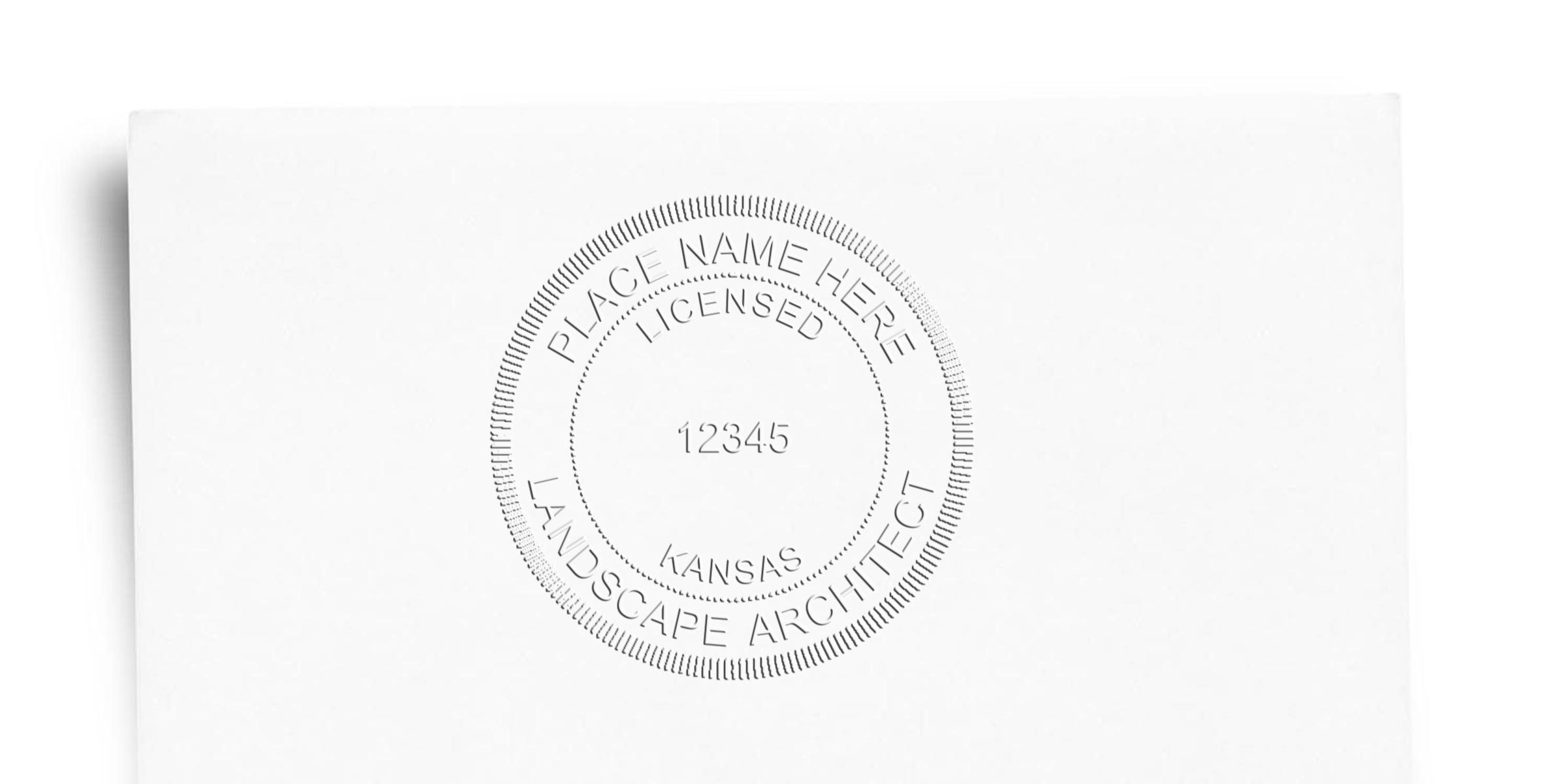
Natural light and thoughtful furniture choices can do wonders for a cramped studio—but when you’re practicing landscape architecture in Kansas, lighting and décor might be the least of your concerns. You’ve got deadlines, project approvals, and client presentations on your plate, and meeting local regulations feels like a chore. That’s why the right Kansas landscape architect seal design matters so much. It’s not simply about having a stamp or seal—it’s about ensuring you’re fully compliant, presenting yourself professionally, and saving yourself a big headache later.
Here’s the bottom line: by understanding Kansas’s specific seal requirements and choosing a design that meets them perfectly, you’ll streamline your work, tighten up your documentation process, and rest easier knowing you’re always on the right side of the law. Below, let’s walk through everything you need to know about the Kansas landscape architect seal, from mandatory components to supplier selection.
Review The Kansas Seal Requirements
Taking a hard look at the seal requirements for Kansas landscape architects might not sound thrilling, but it’s an essential step in keeping your license secure and your projects on track. If you’re new to stamping or curious about how the design ties in with state regulations, you’ll want to pay close attention to the details.
Recognize Mandatory Elements
In Kansas, a landscape architect’s seal should clearly display:
- Your name as it appears on your license.
- The words “Registered Landscape Architect.”
- The state name, “Kansas.”
- Your unique license number.
These elements must be easily readable. The seal’s outer ring usually includes the official text, while the center displays your name and license details. Many professionals opt for a circular format since it’s recognized in official settings and clearly marks the document as legitimate. If you’re unsure whether your preferred design hits all these points, double-check the Kansas Board of Technical Professions website or consult an experienced supplier for peace of mind.
Understand Changing Regulations
Regulations can evolve, and you don’t want to be caught using an outdated seal design right when you need to submit a new project. Keep in mind:
- Annual or biennial license renewals may bring updated instructions on how your seal should look.
- Changes in the state’s official seal guidelines sometimes occur due to policy shifts or new legislative mandates.
The best approach is to stay proactive. Glance over the Kansas Board of Technical Professions’ announcements every so often. That small habit keeps you informed, ensuring your seal is up to date and ready for any fresh requirements.
Ensure Professional Compliance
You know how important licensure is for your work. Still, you might be wondering exactly how the right seal design makes you more compliant. It’s simple: the Kansas landscape architect seal helps verify that your documents are authentic and originate from a qualified and licensed individual. Without a properly executed seal, you risk snags in project approvals or even potential legal complications.
Meeting State Deadlines
Staying compliant involves more than just affixing your stamp to a blueprint. You also need to be mindful of timing and submission deadlines:
- Renew Your License Promptly. Kansas typically sets a schedule for renewals, and missing those deadlines might risk your ability to legally practice.
- Update Your Stamp and Seal. If your name or license information changes (for instance, due to a name change or reissuance of your license number), you’ll need a fresh design that matches your new credentials.
- Proofread Required Documents. Make sure you place your seal and signature exactly where the state asks for it on official drawings or contracts.
Maintaining Good Standing
Your seal design represents your personal or firm’s reputation. If your seal is too blurry, if it lacks crucial info, or if it doesn’t align with the official guidelines, you might be flagged for non-compliance. In the worst-case scenario, it could invalidate your entire submission for a project. Staying in good standing is easier when:
- You check that each final document is sealed and signed accurately.
- You use clearly visible ink or embossing.
- You adopt digital sealing methods if the state and your clients allow it.
This small step signals your professionalism to clients, regulatory bodies, and future collaborators. After all, an accurate seal on your plans is like a handshake verifying, “Yes, this plan is genuine and prepared by a qualified professional.”
Explore Seal Design Components
Crafting a seal that meets Kansas’s guidelines doesn’t need to feel overwhelming. The design itself can look clean and polished while also satisfying state requirements. If you’re unsure how to get started, focus on two main areas: visual appeal and the distinction between digital and physical seals.
Visual Appeal And Legibility
When you stamp or emboss your seal on official documents, you want it to be legible above all else. Blurred text or overwrought graphics can make your seal look messy. Here are a few pointers:
- Keep Fonts Simple. Sans-serif or clear serif fonts ensure your name and license number don’t look smudged or illegible.
- Opt for Moderate Contrasts. If you’re using an inked seal, choose black or another bold color that stands out against white or light-gray paper.
- Use Proper Sizing. A diameter of around 1.5 to 2 inches often works best on typical plan sets, but verify the exact dimensions required by the state.
Good design doesn’t mean adding fancy flourishes that overshadow the must-have information. Instead, a well-arranged seal has a crisp circle or edge, with your name and license number clearly laid out in the center.
Digital vs Physical Seals
You might be familiar with the classic rubber stamp. However, digital seals are increasingly accepted, especially for online project submissions. Many Kansas landscape architects embrace:
- Rubber Stamps. Traditional, easy to store in your drawer. You simply ink and press down on your project.
- Embossers. Provide a raised impression on your documents, adding a tactile and professional feel.
- Digital Files. Easily inserted into PDFs or other design formats when submitting electronically.
Check which formats your clients or local jurisdictions accept. If you want maximum flexibility, you can order both a physical seal and a corresponding digital file. That way, you’re covered whether you’re sending an old-school paper plan or a modern electronic submission.
Trust A Reliable Supplier
Choosing a seal design might not sound complicated, but you need a supplier who understands your state’s requirements. This is where a trusted partner, like Acorn Sales, shines. If you’ve ever felt anxious about ordering the wrong seal or a design that doesn’t quite meet regulations, you’re not alone. Getting it right saves you the cost and frustration of having to reorder.
Acorn Sales Advantage
Acorn Sales has been in business since 1964, and we’ve seen the ins and outs of Kansas landscape architect seal requirements evolve over time. That means you’ll get:
- Expert Guidance. Need help verifying the requirements? Acorn Sales can point you in the right direction.
- Free Digital Seal With Every Order. This perk is perfect if you’re juggling both printed and electronic submission formats.
- High-Quality Materials. From durable rubber stamps to precision embossers, the items won’t wear out after just a few uses.
When you partner with a supplier that offers a tailored approach, you save yourself hours of frustration trying to figure out if your proof is correct. Even if you need a simple kansas landscape architect stamp for your everyday paperwork, you can rest easy knowing it’s aligned with the most recent state guidelines.
Additional Perks And Tips
Working with a reputable supplier brings handy extras that go beyond your seal or stamp:
- Personalized Customer Service. If you have questions about sizing or updated regulations, you can speak directly with someone who knows the details.
- Fast Turnaround Times. Nobody wants to wait weeks when they need to finalize project documents.
- Lighter Workload. By outsourcing the technical aspects of your seal design, you free up more time to focus on your actual projects, client engagements, and creative solutions.
Ultimately, a reliable supplier helps you avoid guesswork. You won’t have to worry if you spelled your name correctly, included every required detail, or matched the right diameter. And if there’s ever an update to the Kansas rules, you can quickly adapt without skipping a beat.
No matter how many responsibilities land on your desk, don’t let the official seal slip through the cracks. A properly formatted seal does more than meet legal requirements—it conveys a sense of professionalism and trust. By investing in a design that aligns with Kansas standards and partnering with a reliable supplier, you’ll protect your license, speed up your documentation process, and maintain the integrity of your work.
Next time you’re finalizing project documents for a new client or turning in proposals to local review boards, you’ll appreciate how quickly the right seal can smooth out the process. With a little planning, you’ll never have to scramble at the last minute, wondering if your stamp is up to snuff. Grab a dependable stamp, embosser, or digital file, make sure it matches your up-to-date credentials, and keep on creating landscapes that your clients will love. After all, it’s not just about having any seal. It’s about having the right one that says, “You can count on me.”
Frequently Asked Questions
Do I Really Need A Separate Seal If I Already Have A Stamp?
” A seal typically refers to the official design required by Kansas regulations, while a stamp is one way to apply that seal. If your stamp matches the official design, you won’t need a separate seal. However, some professionals prefer an embosser or digital version in addition to a rubber stamp.
How Often Do I Need To Update My Seal?
” You only need to update when your information changes or if the state modifies the design requirements. Always keep an eye on the Kansas Board of Technical Professions for any rule changes. If your license number or name changes, you’ll need a fresh version of the seal reflecting the new details.
What If My Seal Is Hard To Read On Certain Documents?
” Try different ink colors, or look into an embosser if clarity is an issue. Remember, the ultimate goal is legibility. A well-designed seal ensures each critical component—your name, license number, and “Kansas”—is easy to distinguish.
Are Digital Seals Accepted For All Kansas Projects?
” Many modern submissions take digital PDFs, so digital seals are often acceptable. However, double-check your relevant jurisdiction or project requirements, as some local agencies may still request a physically stamped or embossed version.
How Do I Know Which Supplier Is Right For Me?
” Look for a seller with in-depth knowledge of Kansas regulations. It’s even better if they’ve been around for decades—like Acorn Sales—so you know they’ve navigated the evolving rules successfully. Trustworthy suppliers will also provide digital files for free and guide you through the design process.








