
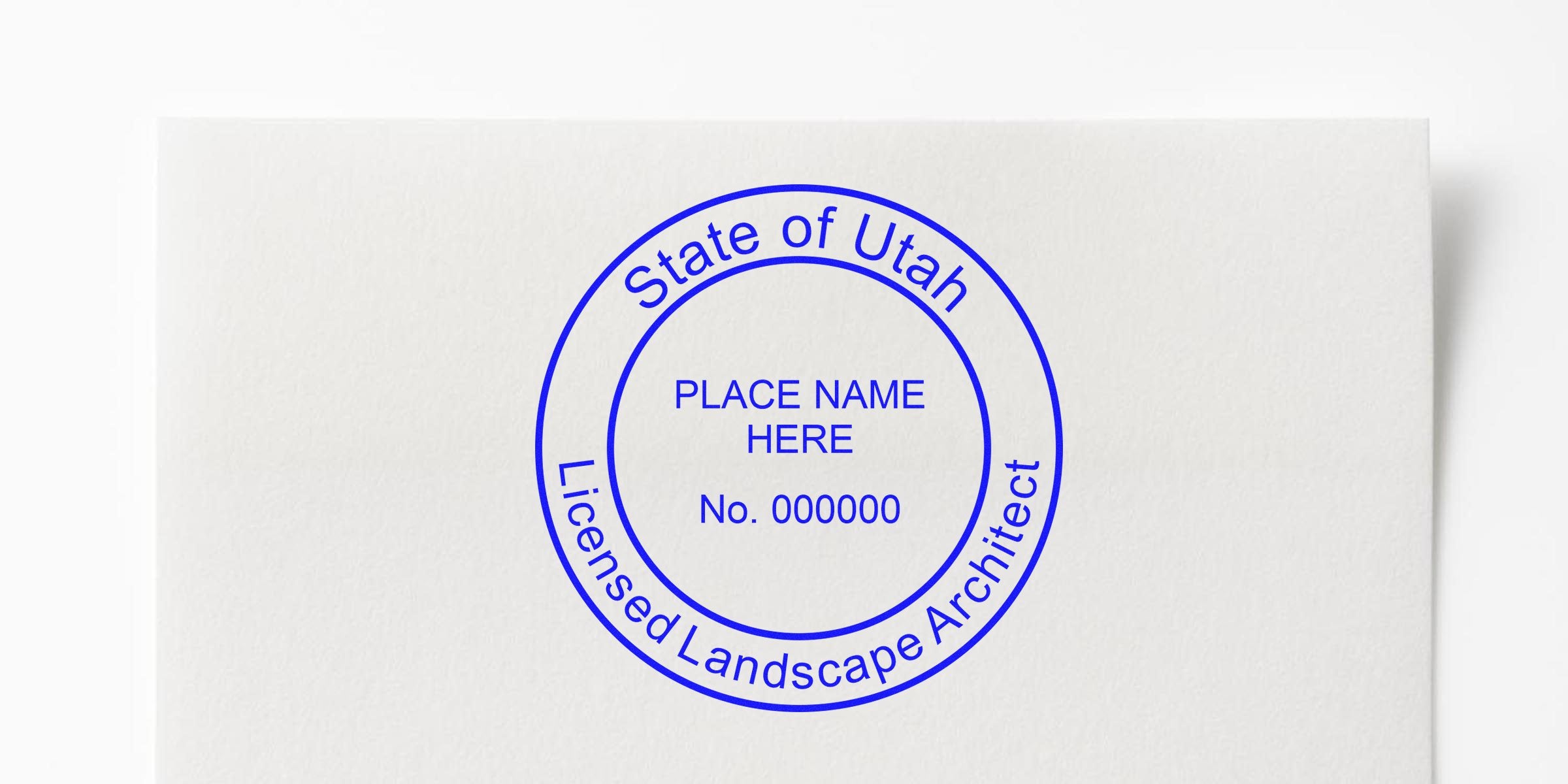
If you’re a landscape architect practicing in Utah or even just curious about local design standards, you might wonder why the Utah landscape architect seal design matters so much. After all, there’s already plenty on your plate—from project proposals to site visits. Yet this official seal isn’t just bureaucratic paperwork. It’s your ticket to professional credibility and legal compliance in one neat (and yes, visually pleasing) package. In this post, you’ll discover why that seal design is critical, what you need to include, where to find it, and how to use it responsibly. Let’s dive in.
Understand the Role
You may have seen seals on architectural plans or formal documents, but what exactly do they do? In simple terms, a seal is the state’s way of confirming your credentials as a landscape architect. By stamping your official design onto drawings, contracts, and submissions, you’re telling clients and authorities, “Yes, I’m fully licensed and standing by the quality of this work.” It’s a seal of authenticity that ensures you meet Utah’s standards.
Legal Backing and Professional Identity
Think of your Utah landscape architect seal as a combination of ID card and quality control stamp. If someone questions your qualifications, your seal shows you’re recognized under Utah’s licensing guidelines. It also helps separate your work from hobbyists and unlicensed practitioners who might not follow the same rules. Plus, if you’re the kind of professional who prefers to check every box, you’ll be happy to know that carrying an official seal means you’re in line with the utah landscape architect stamp requirements. This official distinction can give you a competitive edge because it instills greater trust in your services.
Protecting Clients and the Public
Your seal doesn’t just protect you, it protects your clients too. The seal indicates that any drawings, plans, or documents have passed the scrutiny of a credentialed expert. That’s reassuring for homeowners, businesses, and government agencies alike. They know they’re not investing time or money into unverified services. If a question arises in the future, your sealed documents can settle disputes more easily because the official stamp signifies your professional accountability.
Select the Right Utah Seal Design
When it’s time to pick your Utah seal design, you’ll find various layouts and styles available. The basic circle shape is most common, but modern versions may include special borders or unique typography. The state typically has guidelines on size and format, so make sure you track down those specifics before ordering. You want a design that satisfies legal requirements and maintains a clean look. After all, you don’t want to discover that your seal is too large or too tiny once it’s already been inked onto multiple documents.
Shape and Size Considerations
Most Utah architect seals, including those for landscape architects, come in a circular shape about two inches in diameter. It’s a familiar design that fits standard reading and scanning processes—even digital files. However, if you work on bigger projects, you might prefer a slightly larger stamp so your details don’t get lost. Check with local regulations, but in general, bigger than two inches can sometimes be acceptable as long as all text remains legible. If you’re going digital, you’ll want high-resolution image files so the text stays crisp at any size.
Classic vs. Modern Aesthetics
Yes, a professional seal can be stylish too. While many architects opt for a traditional layout (circle with an official border), you’re free to choose a modern flair if it aligns with state rules. You might see designs that incorporate minimalistic lines or a bold typeface. The state wants to easily identify your name, license number, and “Licensed Landscape Architect, Utah” text. As long as those essentials are there and legible, you can explore subtle touches that showcase your personal style.
Include Key Elements
Even the snazziest seal design won’t do you much good if it’s missing necessary information. Utah has specific requirements for what must appear on your landscape architect seal. Typically, your name, your license number, and the official reference to Utah licensure should be front and center. Without these details, your seal risks noncompliance and could lead to issues with the reviewing authority.
Name and License Number
Your name appears exactly as it’s registered with the licensing board. This is where you want to double-check spelling. A middle initial or suffix should be consistent with your official records. Next, place your license number in a spot that isn’t overshadowed by decorative elements. You’d be surprised how many times license numbers blend into elaborate borders, making them tough to read. Keep it clear and uncluttered—your future self will thank you if a regulatory authority ever needs to verify your details at a glance.
Recognition of Profession
If your seal doesn’t say “Licensed Landscape Architect” or something similar, it’s basically incomplete. Readers need to know your professional capacity instantly. Some states also include “State of Utah” or the official state seal. Just remember, your seal is first and foremost an official marker of your role as a landscape architect. People should be able to instantly recognize your credentials without any confusion.
Choose Your Supplier
Getting your seal design right isn’t just about meeting regulations, it’s about choosing a supplier who understands them. You’ll find many online vendors, but not all are up to date on Utah’s latest requirements. Because design standards can shift over time, you want a company that knows the current rules and offers quick updates if anything changes.
Why Acorn Sales?
At Acorn Sales, we’ve specialized in professional stamps and seals since 1964. That’s over half a century of experience at your service. We know exactly how to craft your Utah landscape architect seal design so it passes scrutiny and looks sharp on your documents. We also provide a free digital seal option, which is perfect if you’ve started submitting plans electronically. You can use your digital seal in PDFs or online forms, ensuring your compliance is never in question—even in the virtual workspace. By having both physical and digital versions from the same trusted source, you streamline your process. No guesswork, just a seamless fit for any format you need to submit.
Tips for Vendor Selection
- Check if the supplier clearly lists your state’s licensing requirements on their website.
- Look for design previews before you buy. You don’t want to end up with a seal that’s off by a fraction of an inch.
- Ask about digital seal compatibility, especially if you plan to file documents electronically.
- Read client testimonials or professional community forums to see if anyone noted slow shipping or poor-quality impressions.
Confirm Regulatory Compliance
Seals aren’t just about looking good on paper. They convey legal authority. If your official seal design is even slightly off, your documents might be flagged for noncompliance. That could lead to project delays, resubmissions, or even fines.
Understanding State Regulations
Before you finalize your seal design, take a moment to review any official state guidelines. If you need more background, be sure to consult the utah landscape architect stamp requirements. Regularly checking regulations helps you stay current with changes, like updated design mandates or digital submission rules. You won’t want to spend money on a new seal every time the guidelines shift, so keep an eye on credible sources or professional associations that announce these updates.
Consequences of Noncompliance
What if your seal lacks the correct words or your name doesn’t match your license exactly? The worst-case scenario is that your sealed documents are deemed invalid, meaning you might have to re-stamp or re-submit every page—on top of paying any associated fees. It’s time, money, and stress you could have easily saved by carefully verifying details in the first place. If you prefer to focus on design projects rather than administrative headaches, make sure your seal is right from day one.
Use the Seal Wisely
Once you have your official Utah landscape architect seal design in hand (or in a digital file), the next question is how to use it properly. This doesn’t just mean applying it neatly on your documents, although that’s important. It also involves understanding when to seal documents, how to sign off properly, and how to store physical stamps to keep them from wearing out or being misused.
Physical vs. Digital Formats
If you’re more traditional, you might love the feel of a physical seal on paper. There’s a certain satisfaction in pressing down a self-inking stamp or an embosser. On the flip side, a growing number of architects prefer digital seals because they speed up the submission process. You can insert a digital seal directly into PDFs, attach e-signatures, and email them off without scanning. Both methods are acceptable as long as they meet Utah’s requirements. More offices are adopting paperless workflows, so having your free digital seal from Acorn Sales can be a huge help.
Storing and Handling Best Practices
- Use a protective case if you go with a physical stamp. It keeps the ink fresh and prevents accidental impressions.
- Keep your seal in a secure place to avoid unauthorized use. If someone else uses your seal without your knowledge, you could be held responsible.
- For digital seals, store them on a secure cloud drive or encrypted folder. If you share them with coworkers, make sure access is password protected.
Wrap It Up
Your Utah landscape architect seal design is more than just a fancy mark. It’s your professional ID, your legal safeguard, and your quality assurance statement all rolled into one. Remember to incorporate the right details, select a trusted supplier like Acorn Sales, and keep tabs on state requirements to avoid any glitches. When you handle your seal responsibly—whether it’s embossed on paper or embedded in a digital doc—you amplify your credibility and streamline your workflow. Think of it as a ceremony of sorts, where you pledge each plan or blueprint meets the high bar you promise. That kind of trust sticks with clients, reviewers, and anyone else who sees your seal stamped on a document.
Now that you’ve got the scoop on the what, why, and how of Utah landscape architect seal design, you’re ready to make an informed choice. By securing a high-quality seal that meets state rules and showcases your professional identity, you’ll be set for smooth approval processes and peace of mind. If you’ve still got questions, chat with a trusted supplier like Acorn Sales for personalized insights—and be proud to stamp your expertise on each plan you create.
Frequently Asked Questions
What’s the difference between a Utah landscape architect seal and a stamp?
The seal typically refers to the approved design (with your name, license number, and the words “Licensed Landscape Architect”). A stamp is the physical tool (rubber, self-inking, or embosser) that applies that seal design. You usually hear them used interchangeably, but the seal is the image and the stamp is the device you use to place it.
Is a digital seal accepted for Utah submissions?
Yes, as long as it follows the state’s guidelines for design and authenticity. Many government offices have moved toward electronic plans, so a digital seal that’s clear and unalterable is generally acceptable. Make sure you confirm any specific requirements or file-type preferences so you don’t run into issues at the last minute.
Which documents need to have the official seal?
Any official document that demonstrates your professional landscape architect services typically requires your seal. That might include site plans, project drawings, and other design documents submitted for regulatory approval. It’s always best to double-check with local authorities or consult the utah landscape architect stamp requirements to see exactly which forms need your seal.
How can I maintain my stamp or seal for consistent impressions?
For a physical stamp, store it in a cool, dry place, ensuring the ink pad is always replenished. If you’re using an embosser, keep the mechanism clean and check for alignment. For digital seals, use high-resolution image files and keep them securely stored. Regular updates to your design files help you maintain clarity, especially if state regulations get tweaked.








