
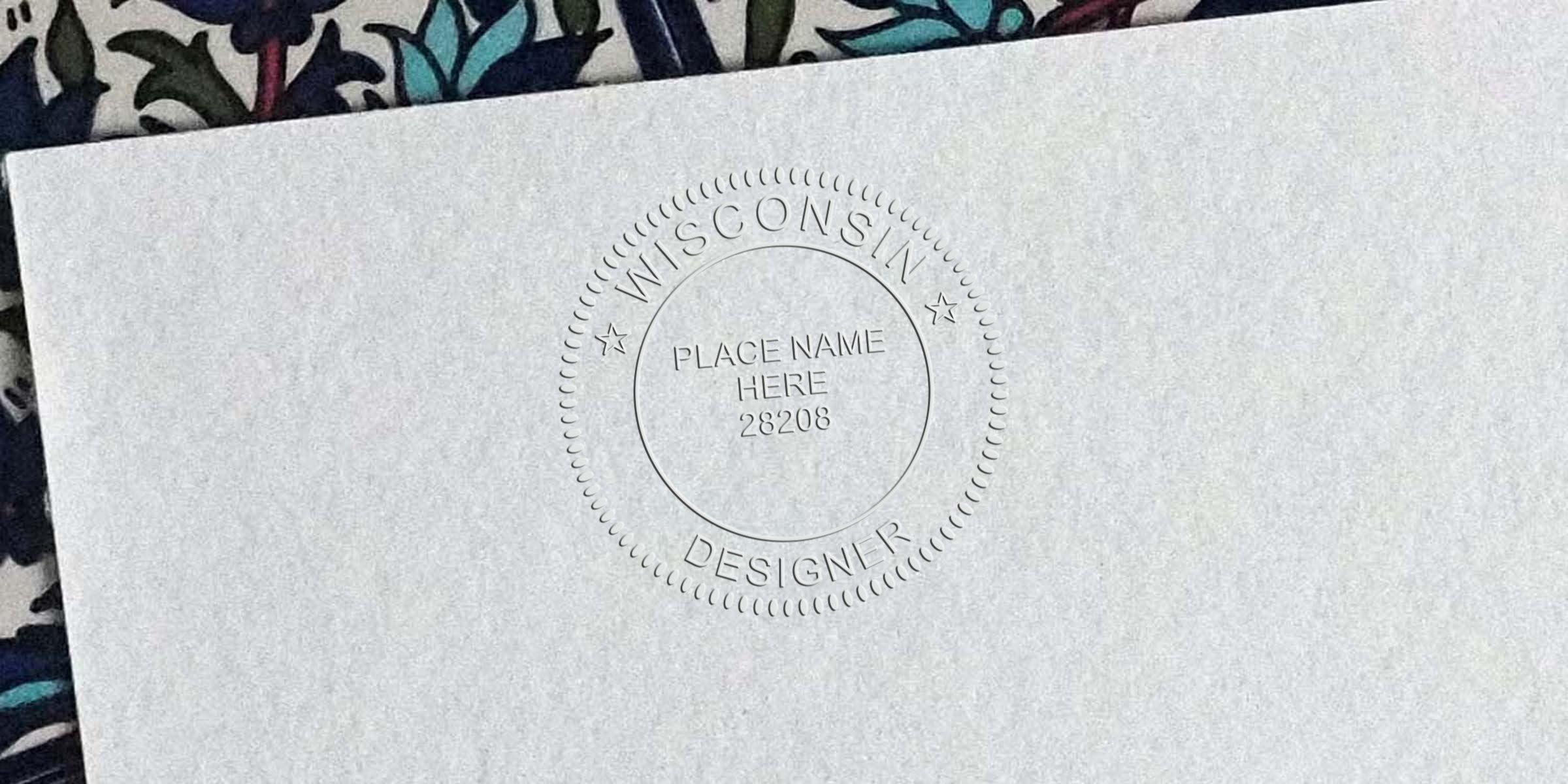
Wisconsin interior designers, you’ve probably heard about the importance of a Wisconsin Interior Designer Professional Seal—and you’re not alone. Securing the right seal is more than a bureaucratic task: it’s a way to show that your plans and finished spaces meet professional standards. Whether you’re just starting out or have been designing for years, understanding how this seal works in Wisconsin can be crucial for your practice. In this article, we’ll walk through the essential points, from regulatory requirements to practical tips for using a seal effectively.
Understand Professional Seal Requirements
If you’re eager to ensure your paperwork is always up to code, the first step is grasping what a professional seal does. In a nutshell, it certifies that your design documents—like plans or specs—are originating from a licensed Wisconsin interior designer. This seal stands as a quick verification of your expertise, telling clients, colleagues, and regulatory bodies that you’ve met certain skill and credential benchmarks.
Why The Seal Matters
- Shows credibility and compliance: Clients trust that your work follows Wisconsin’s rules.
- Protects public safety: Interior design can affect building occupants, so the seal underscores your responsibility to keep people safe.
- Simplifies official reviews: Regulatory bodies often check for a recognized seal before granting approvals.
Discover Wisconsin-Specific Guidelines
Though every state has its own standards, Wisconsin sets particular rules for what your stamp or seal should look like. You might find detailed shape and text requirements, along with guidelines about placing the seal on official drawings. Missing even one detail—like the proper border or your exact license number—can slow down approvals.
Typical Elements To Include
- Your full name as it appears on your license.
- Your professional title (e.g., “Registered Interior Designer” if applicable).
- The official license or registration number.
- The word “Wisconsin” to specify your practicing state.
Each detail shows that you’re in alignment with local regulations. It’s wise to double-check your official licensing documentation before placing an order for a custom seal. If you’re worried about meeting all these specifics, referencing official Wisconsin statutes or guidelines is a good move. When in doubt, consult a local authority, just to be sure you’re covering all bases.
Know When And How To Use It
Seals aren’t just for show. In day-to-day practice, you’ll place them on critical drawings, specifications, and even certain contracts. This ensures that each document bearing your signature and seal has been thoroughly vetted.
Common Scenarios
- Architectural layouts for interior spaces.
- Major renovation projects that need official permits.
- Public-facing designs where safety or accessibility features must comply with codes.
Be mindful of timing. Usually, you’ll seal final drawings or documents after you’ve confirmed everything is accurate. Complex or large-scale projects might include multiple sets of sealed plans, especially if there are revision rounds. Constant re-checking can feel like an extra step, but it’s a must in a regulated profession.
Different Types Of Stamps And Seals
You might already know that numerous seal options exist, from digital seals to physical stamps. Each type has its merits, depending on how often you plan to print or submit documents.
Physical Stamp
A tried-and-true tool, the physical stamp can be ink-based or an embosser (a metal crimper).
- Ink stamps are quick and visible but can wear out over time.
- Embossers leave a raised impression, harder to replicate or alter.
Digital Seal
A digital seal is perfect if you frequently email PDFs to clients or regulatory bodies.
- Quick to apply on your computer: No scanning in, saving you time.
- Easy to share for online reviews: Crisp and maintainable resolution.
Many professionals rely on a combination of both. For example, you might use a physical stamp for original paper copies, then add a digital seal for your electronic files. If you’re expanding your services beyond your local ZIP code, digital seals make your practice more flexible and accessible.
Order From A Trusted Supplier
Choosing the right supplier for your Wisconsin interior designer seal can simplify compliance and prevent headaches later. At Acorn Sales, we’ve been in business since 1964, providing reliable services for designers, architects, and professionals across the United States. Each order even comes with a free digital seal, fitting perfectly into your workflow whether you prefer paper or electronic designs.
When you’re exploring options, always check for:
- Personalization: Ensure the supplier can accurately reflect your license details.
- Quality guarantees: A seal should produce clear, readable impressions.
- Speed of delivery: Deadlines matter, so prompt shipping can make or break your schedule.
If you’re looking for a stamp specifically created to align with state requirements, consider our Wisconsin Interior Designer Stamp. We designed it to meet local standards, so you can move forward with confidence.
Steps To Acquire Your Seal
Now that you know why a seal matters, let’s walk through how you actually get one. It’s pretty straightforward, but each step is important to ensure your stamp or embosser arrives in line with Wisconsin guidelines.
-
Verify Licensing
Before anything else, confirm your current licensure. Triple-check the exact spelling of your name and your registration number. -
Select A Trusted Supplier
Compare available seal options—ink stamps, embossers, or digital seals. Look for a company known for precision, such as Acorn Sales. -
Provide Correct Artwork
Some suppliers offer standard templates, while others ask you to upload official logos or licensing details. Make sure any recommended text or border matches Wisconsin requirements. -
Approve Design Proof
Reputable suppliers often send a proof for your sign-off. Verify every detail, from the spelling of your name to the shape of the seal. -
Finalize And Order
Complete your purchase once you’re satisfied with the design. Depending on your supplier, you might also receive a free digital seal. Keep the shipping timeline in mind if you’re on a tight schedule.
Avoid Common Pitfalls
Even experienced designers run into mishaps. Thankfully, a few simple checks can prevent costly do-overs.
- Using An Outdated Seal: License renewals or changes in the law can force updates to your seal design.
- Illegible Impressions: Faded ink or worn embossers can lead to unclear impressions. Keep a backup or replace your tools in time.
- Wrong Placement On Documents: Some jurisdictions require the seal in a specific location. Double-check local guidelines.
- Over-Sealing: Putting your seal on preliminary sketches might create confusion. Most rules only require a seal on final documents, unless otherwise specified.
Practical Tips For Designers
Turning stamping into a streamlined habit doesn’t need to be complicated. Here are some pointers you can easily integrate into your workflow:
-
Batch Your Document Reviews
Before you begin stamping, gather all final files in a single session. This approach helps you avoid missing a page or mixing up versions. -
Keep Extras Ready
Store a spare ink pad or an extra digital file of your seal. That way, you’re never stuck if your main tool malfunctions. -
Maintain A Checklist
For bigger projects, nothing beats a thorough checklist. Jot down each document needing a seal, add a tick once sealed, and verify again at the end. -
Use Secure Software For Digital Seals
If you rely on digital seals, consider adding security features like password-protected PDFs or e-signatures. This helps maintain authenticity and prevents unauthorized edits. -
Document Each Sealing Session
Keeping a simple log—date, project name, and sealed document details—can provide assurance should questions arise later.
Wrapping things up, securing the right stamp or seal is a big deal for any Wisconsin interior designer. It’s not just about ticking a box, but about validating your expertise and protecting the safety of people who will use the spaces you design. By paying close attention to state-specific guidelines, you can avoid common pitfalls and maintain a clear professional standard. If you’re ready to get your own seal, it helps to pick a trusted, precise supplier like Acorn Sales, a company that’s been perfecting stamps and seals since 1964. Remember, you’ll also receive a free digital seal with your order, making your design workflow more efficient. With the right tools in hand, you can spend less time worrying about compliance and more time doing what you love—bringing thoughtfully designed spaces to life.
Frequently Asked Questions
Is A Wisconsin Interior Designer Professional Seal Required By Law?
Yes, state regulations often mandate that licensed interior designers apply a recognized seal to final design documents. Always confirm the latest official rules, as requirements can change.
What If I Only Work Digitally, Do I Still Need A Stamp Or Embosser?
Absolutely. While an embossed seal is valuable for paper documents, many designers opt for a digital seal to mark PDFs. Both hold weight when used properly, so consider having both for maximum flexibility.
Does Acorn Sales Provide A Free Digital Seal?
Yes, we include a free digital seal with every stamp or embosser order. It’s a convenient choice if you frequently share digital copies of your plans.
How Often Do I Need To Update My Seal?
Update your seal whenever your license details change or if the state revises the seal’s format. Be sure to check renewal notices. If your name, license number, or job title changes, you’ll need a new seal immediately.
Can I Use My Wisconsin Seal For Projects In Other States?
Typically, no. Each state has its own guidelines and may require a separate license or seal. If you plan to work beyond Wisconsin, contact the relevant licensing boards to see if you must acquire additional stamps or seals.








