
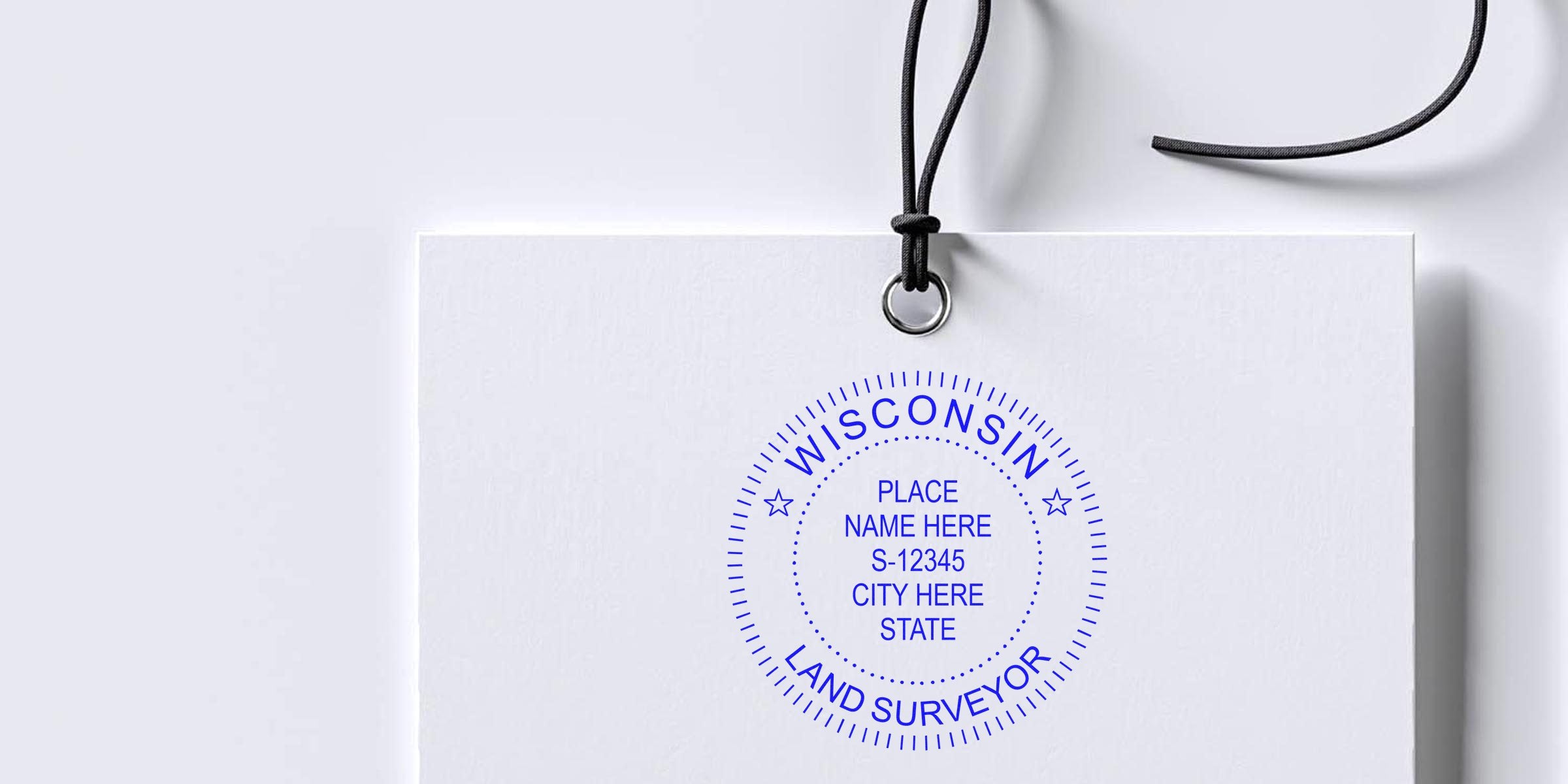
To kick things off, let’s have a friendly chat about Wisconsin land surveyor seal guidelines. If you’re a land surveyor practicing in Wisconsin, you already know your seal isn’t just a random stamp—it’s your professional signature. It helps validate your work, assures clients of your credibility, and keeps you aligned with state regulations. But what exactly are these guidelines that apply to your seal? Let’s walk through them step by step so you can feel confident whenever you use your Wisconsin Land Surveyor Stamp or Seal.
Understand Wisconsin Land Surveyor Seal Guidelines
When you hear the term “Wisconsin Land Surveyor Seal Guidelines,” it might sound complicated. Truthfully, the core idea is straightforward: the State of Wisconsin expects licensed land surveyors to place an official mark on any documents they prepare or supervise. This mark, or seal, shows you stand behind the work’s accuracy and authenticity.
Having a clear understanding of these guidelines benefits you in two big ways:
- You maintain a professional standard in your field, which builds client trust.
- You keep things legit, which means no messy legal issues down the road.
What Exactly Is a Seal?
It’s tempting to think of your seal as just an ink stamp. In reality, it’s a combination of visual and legal authority. A proper seal design includes your name, your license number, and the words that confirm you’re a Wisconsin Registered Land Surveyor. Whether it’s on paper or in a digital format, you’ll want to ensure it meets the state’s specific layout requirements.
Where to Find Official Rules
Wisconsin statutes and the Board of Professional Land Surveyors typically detail these requirements. Because they can change occasionally, it’s smart to keep an eye on any official updates. That way, you won’t be caught using an outdated design. If you want more nitty-gritty rules about Wisconsin Land Surveyor Stamp Requirements, you can check out this detailed reference.
Recognize the Purpose of the Seal
At first glance, it might look like just another piece of red tape. But your seal has a real, positive function in your everyday practice. Picture it like a handshake that vouches for your credibility. Each time you seal a document, you’re telling your client (and any regulatory or judicial body) that your survey is accurate.
Building Client Trust
Clients may not know the legal backstory of your seal, but they do recognize official markings. When they see your seal on a project, it reassures them that a qualified professional oversaw the work. It’s a sign they can rely on your measurements, boundaries, or property descriptions with confidence.
Strengthening Professional Integrity
Professional integrity is about consistency, and your seal represents that consistency for each project. Instead of leaving your name on loose documents, the seal cements your identity and license details, creating a uniform way to present your official endorsement across multiple files, maps, and reports.
Know the Legal Requirements
Compliance is key. In Wisconsin, not following official regulations on your seal can result in penalties, license issues, or worse. So it’s worth getting to know the basic legal standards thoroughly.
Basic Seal Format Rules
While exact phrasing can shift with legal revisions, these points rarely change:
- Your seal must display your name exactly as it appears on your license.
- It should include your license number, so there’s no confusion about who’s behind the seal.
- The words “Licensed Land Surveyor” or “Registered Land Surveyor” typically must appear.
Keep in mind that the state may outline specific diameters or design structures. Double-check that the text is legible and meets any minimum size requirements.
Placement on Documents
Wisconsin guidelines typically require the seal to appear on every final page that references survey data. Early-stage or preliminary documents may not need a seal, but final versions often do. If you’re using modern digital practices, an electronic seal must follow the same conventions, just in an approved digital format.
Signature Requirements
Stamps and seals sometimes need to be accompanied by your authentic signature and the date. This signature should be close to the stamped area, ensuring a complete “endorsement.” If multiple pages contain your seal, it’s good practice to offer at least one signature on each relevant page. Some state rules say each sealed page needs a date, so confirm you’re adding it consistently where required.
Prepare Your Stamp or Seal
Before you use your seal on official documents, it’s crucial to secure the right hardware or digital solution. That might mean choosing a physical rubber stamp, an embosser, or even an electronic seal.
Choosing a Reliable Vendor
A trusted supplier like Acorn Sales can simplify every step of this process. Acorn Sales has been in business since 1964, providing top-quality stamps and seals to land surveyors just like you. With them, you get dependable products that easily align with state rules. You also receive a free digital seal with every order, which sets you up nicely if you ever need to handle digital documentation at a moment’s notice.
Physical vs. Digital Options
- Physical Stamps: Typically rubber or pre-inked stamps that leave a crisp and consistent impression. Some surveyors prefer embossers because they create a raised seal, tough to forge or tamper with.
- Digital Seals: Ideal if you frequently handle electronic documents. By using an approved electronic format, you can quickly place your seal without printing reams of paper. Digital solutions help maintain top-notch clarity and can be password-protected for extra security.
Pre-Use Check
It’s always best to perform a quick demo stamp before applying the seal on official reports. This check makes sure the ink doesn’t bleed, the fonts are legible, and every detail is in the correct spot. A small test can prevent big headaches, especially when deadlines loom.
Apply Your Seal the Right Way
Knowing how to stamp your seal might seem like a no-brainer, but a few practical tips can keep your documents neat and professional.
Think About Page Layout
Placement can affect readability, especially for multi-page documents. Consider the following:
- Keep the seal near certification text or your signature.
- Avoid margins that might get cut off during binding or scanning.
- Ensure consistency across all pages. If you’re dealing with multiple maps, try using identical spots for your seal, such as the bottom-right corner.
Best Inking Practices
- Even Pressure: For manual stamps, press down with consistent force so the image doesn’t smudge.
- Proper Paper: Glossy paper might require quick-drying ink, while textured paper may need heavier pressure.
- Solid Contrast: Dark ink on lighter paper stands out best, making it easier for scanning or photocopying.
Digital Document Sealing
If you’re using a digital seal, you’ll probably embed it into a PDF or similar file format. Keeping the seal’s resolution high enough is critical—blurry seals raise red flags. Make sure digital documents can’t be easily altered afterward, which might mean locking or password-protecting the PDF once you include your seal.
Maintain Your Seal and Compliance
Owning a seal isn’t a one-and-done affair. You’ll need to remain compliant with any new directives and keep your stamp or digital seal in working order.
Stay Updated on Regulations
Check with the state licensing board or official newsletters for changes in land surveyor regulations. Sometimes, even a small revision to the design or verbiage is enough to warrant updating your seal format. Regular checks ensure you won’t be caught off guard.
Refresh Ink and Materials
Physical stamps can run out of ink or degrade over time, leaving faint impressions. Similarly, embossers might loosen up, compromising the raised seal quality. Periodically test your seal on scratch paper so you know it’s sharp. If it’s fading, re-ink or replace it.
Keep Digital Security Tight
For electronic seals, use reputable software that stands up to tampering. It’s also wise to use updated antivirus tools and strong passwords for your computer, so unauthorized access is minimized. If your digital seal graphics or software get compromised, update your credentials and contact the relevant authorities if necessary.
Common Mistakes to Avoid
Even a seasoned surveyor might slip up from time to time. Below are a few common pitfalls you’ll want to steer clear of:
- Using the Seal on Preliminary Documents: This might imply you’re endorsing data not yet finalized. Save your official seal for final versions only.
- Overlooking the Signature: Some folks forget that regulations often require both the seal and signature. Missing one piece could raise compliance questions.
- Falling Behind on Rule Changes: Laws evolve. Failing to adopt new guidelines can put you at risk for disciplinary action.
- Poor Quality Impressions: Fuzzy or smudged seals might be rejected by authorities or clients. A crisp seal is essential.
Resources for More Information
You should have plenty of clarity by now about Wisconsin land surveyor seal guidelines, but it never hurts to keep exploring. Here are a few ways you can keep learning:
- State Licensing Board Publications: Most boards publish official rulebooks and bulletins. Check them every six months or so.
- Professional Associations: Groups like the Wisconsin Society of Land Surveyors often hold workshops or webinars on compliance and best practices.
- Consult with Mentors: Seasoned pros have a wealth of experience. Don’t be shy about asking how they maintain compliance or organize sealed documentation.
If you need a more comprehensive look at stamp regulations, head over to the detailed Wisconsin Land Surveyor Stamp Requirements. This resource offers deeper insights into formatting, ordering, and usage specifics that might help you align with every rule.
Wrap-Up
By taking these guidelines seriously, you’ll always present a professional, lawful impression. The next time you’re finalizing a project, remember to double-check your seal, your signature, and the date. Whenever you need a new stamp or digital seal—maybe because of regulation changes or simple wear and tear—consider working with a reliable supplier like Acorn Sales. You’ll snag high-quality products and get the free digital seal that keeps you flexible in our increasingly paperless world.
I hope this helped demystify Wisconsin land surveyor seal guidelines. After all, your expertise deserves the best tools and the right level of legal protection. If you have more questions, keep this guide close or reach out to fellow land surveyors who’ve already mastered the process. With the right preparation, you’ll be stamping and signing your work confidently, knowing each document reflects your skill and compliance. Good luck, and happy surveying!
Frequently Asked Questions
Do I have to use the exact format specified by the state?
Absolutely. The seal’s text, diameter, and layout are usually stipulated by law. Modifying them without authorization could invalidate your documents.
What if I change my name or license status?
You’ll need an updated seal that reflects your new name or status. Contact your state board for steps to amend your licensing details and create a new seal.
Can I just scan my physical seal and use it as a digital version?
It’s better to obtain a properly designed digital seal. Scanning might degrade quality or appear suspicious. Most professional solutions include high-resolution graphics specific to electronic documents.
Is there a rule about what color ink I should use?
Typically, black ink is preferred because it reproduces cleanly in photocopies and scans. If guidelines mention a certain color, follow that. Otherwise, black is generally safe.
Where should I purchase my seal?
Turn to trusted suppliers like Acorn Sales. We’ve been around since 1964, offering physical stamps and free digital seals with every order. Our team knows the Wisconsin regulations inside out, so you can rest easy that everything is compliant.








