
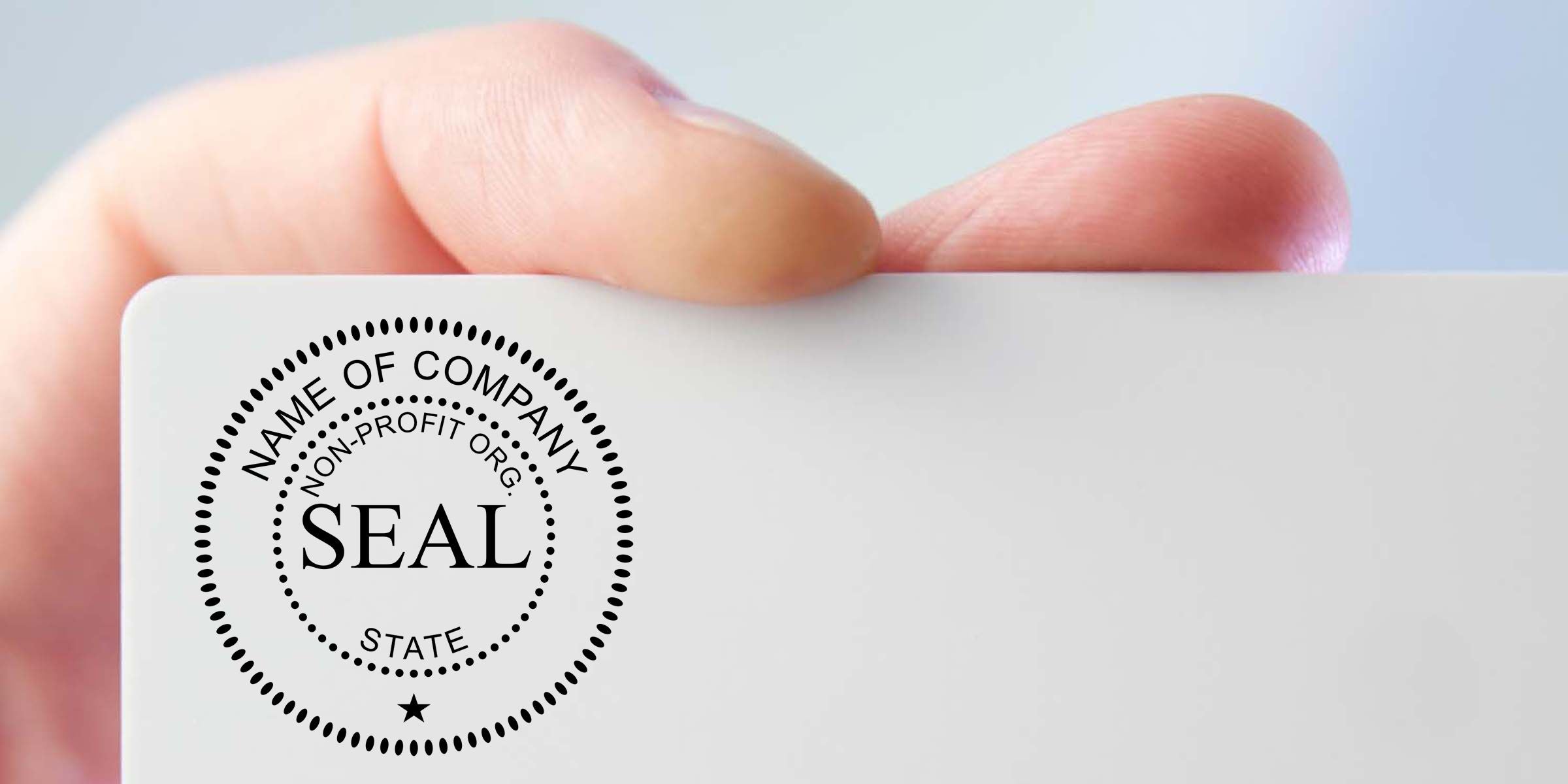
If you manage a business, there is a good chance you have heard about corporate seal stamps. These specialized stamps play a key role in establishing authenticity and formality on official paperwork. Whether you head a large corporation or oversee a smaller limited liability company, a well-made seal can signal professionalism and protect your documents from unauthorized alterations. This guide will walk you through everything you need to know about these stamps so you can decide if, when, and how to use them effectively.
Understand corporate seal stamps
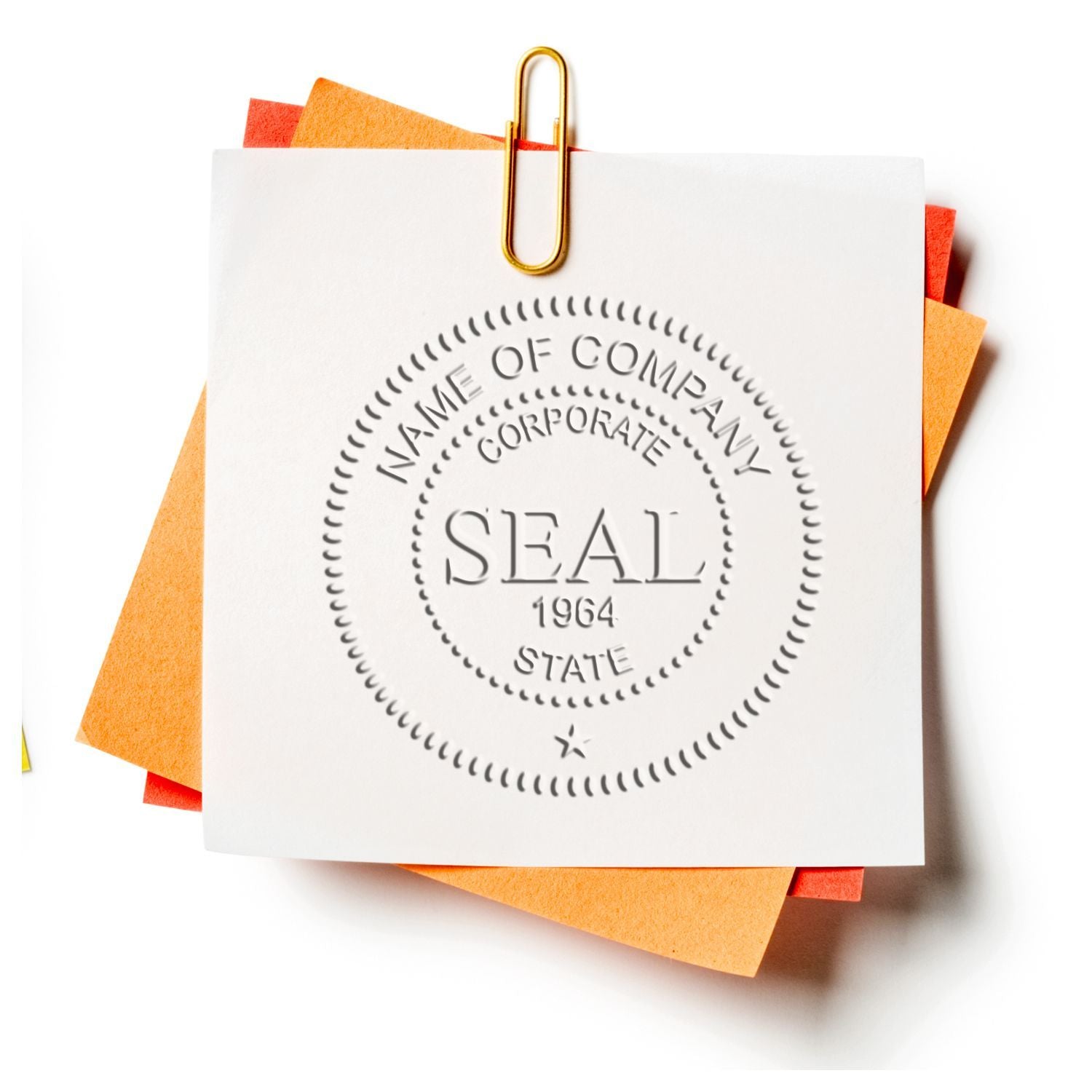
A corporate seal stamp typically includes the name of your company, its date of establishment, and sometimes the state of incorporation. Officially, it shows that the content of a document has the approval of your organization’s governing bodies (like the board of directors). For many businesses, it is a time-tested way to consolidate identity and verification into a single impression. But why do you, as a company officer or legal professional, really need this?
The seal’s main job is to offer an added layer of legitimacy. It may not be a strict legal requirement in every jurisdiction, but in certain states or specific legal contexts, it can be required. Even when not legally mandated, you will often find that lenders, partners, and clients expect corporate seals on contracts, certificates, or important resolutions. It is often seen as a best practice for building trust, particularly when your business deals with sensitive agreements.
Then vs. now
Originally, corporate seal stamps used wax, leaving a raised impression to prevent tampering. These days, you will see both ink-based and embossing versions. Whether you use a physical embosser or an ink stamp, the principle remains the same: place your official mark on a document to show your company’s endorsement.
Explore their core purpose
At a fundamental level, the core purpose of a corporate seal is simple: to signify that a document has the backing of the company. This is important in cases such as issuing stock certificates, authenticating significant legal documents, or even approving certain fiscal agreements. You might also use one to finalize minutes of high-level meetings.
But does every business need one? In many modern instances, corporate seal stamps are not strictly necessary. Still, their symbolic power and potential legal weight (especially in states or countries that still place strong emphasis on corporate formality) ensure they stick around. Even some small family businesses keep one just to be on the safe side, and that is often enough reason to consider getting your own.
Considering local rules
Before you invest time and money, be sure to check with a local attorney or consult your state’s regulations to learn precisely how and when you can or should use a seal. Specific industries like banking or financial services are sometimes stricter than others. Along the way, you may discover your location has a particular layout requirement, or it might specify certain text to include in the seal.


Consider key design elements
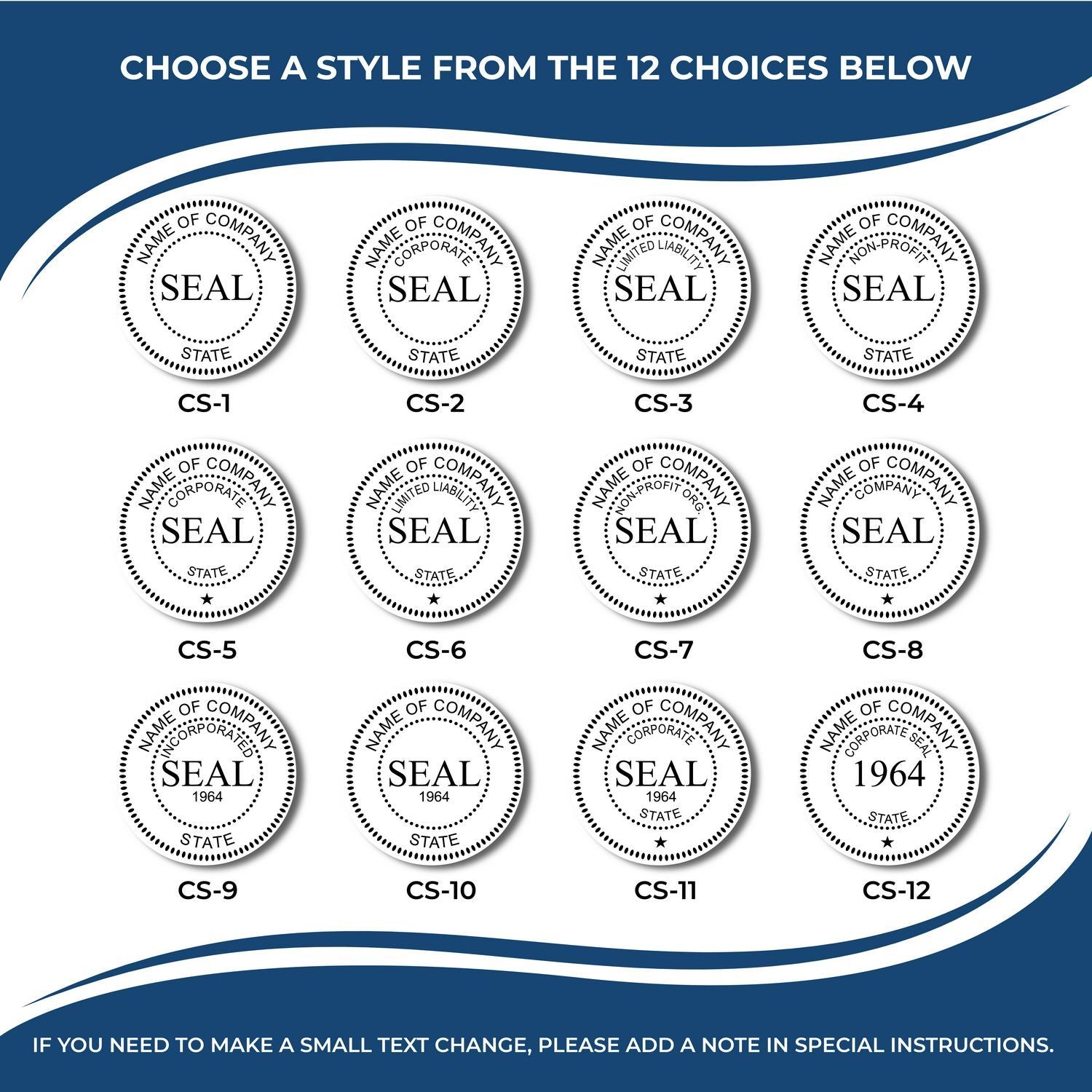
Designing your seal is about more than slapping a logo around a circle. You want clarity, an appropriate size, and text that perfectly suits your business identity. In general, the company’s name arches around the top, and details like the state and date of incorporation curve along the bottom.
Brainstorming your layout
- Decide on round vs. rectangular shapes. Round is most common, but rectangular seals have a modern flair.
- Include legal phrases such as “Incorporated,” “Corporation,” or your LLC statement so that it is instantly recognizable as a formal seal.
- Keep the typeface readable. Crisp, bold letters ensure clarity when embossed or stamped with ink.
For extra clarity, you may want to talk to a corporate seal stamp maker. Such professionals can help you fine-tune elements like spacing, fonts, and even border decorations. If you prefer to handle everything on your own, then company seal stamp design resources can guide you through color choices and layout best practices.
Decide between embossers and ink
One of the bigger decisions is whether you will use a classic embosser or an ink-based stamp. Each option offers its own perks.
Embossers
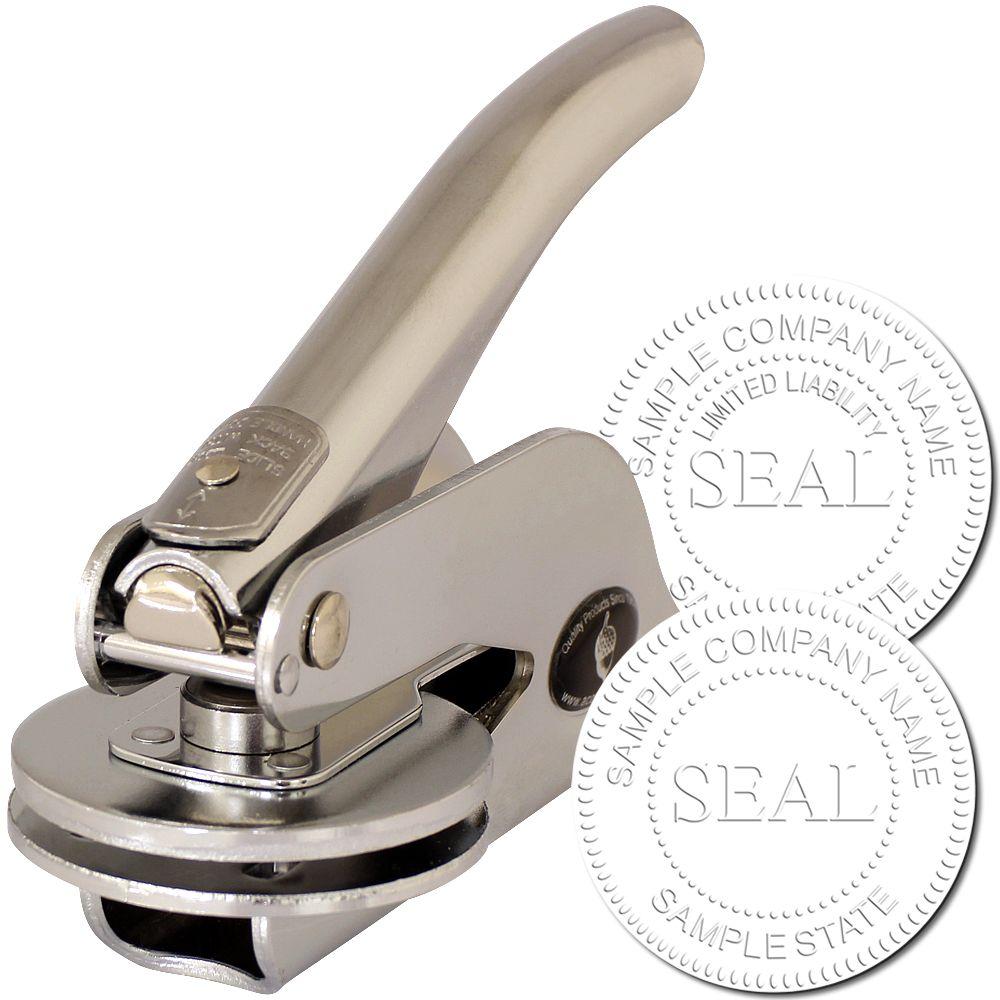
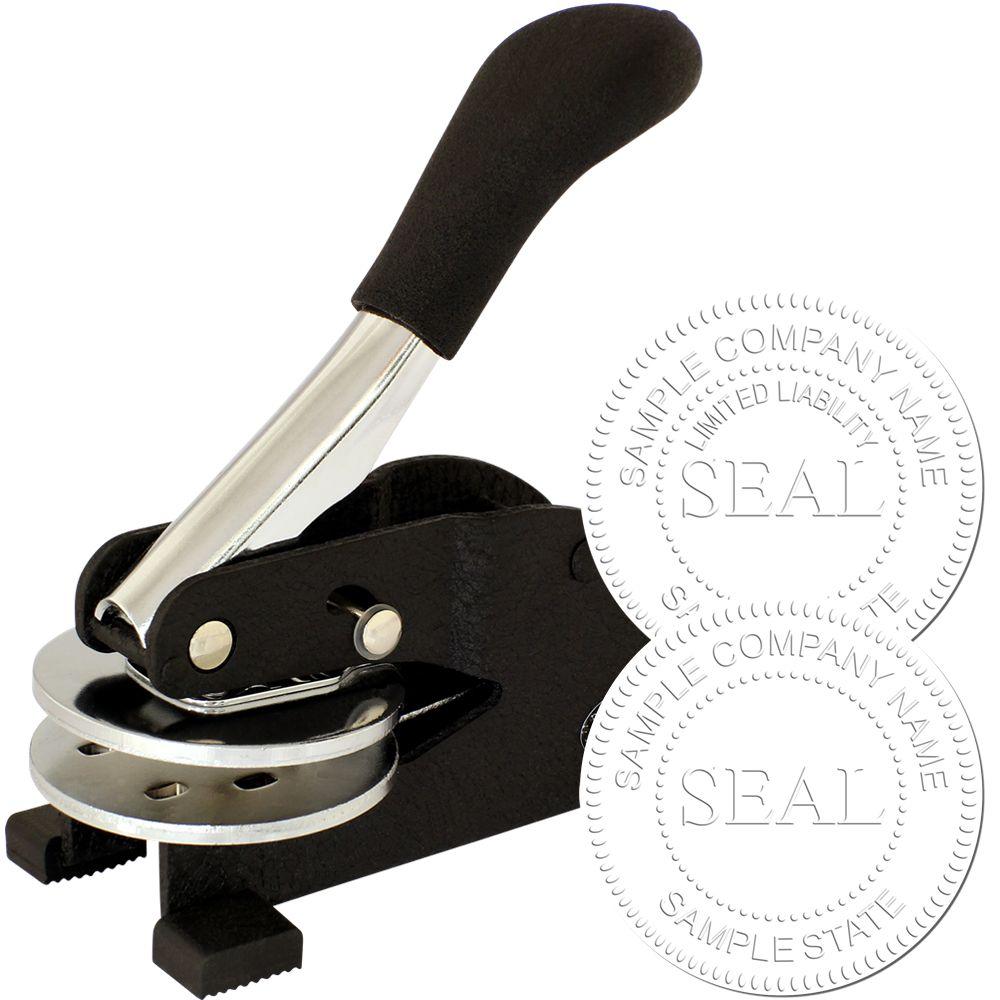
Embossers indent the paper, leaving a raised (or recessed) imprint. This creates a tactile seal that is difficult to replicate without the original tool. If you value security, an embosser such as a corporate seal stamp embosser may be the way to go. Many businesses like that raised impression because it cannot be easily scanned or photocopied while keeping the look elegant. On the downside, some surfaces or thicker documents can be tricky to emboss correctly if the tool does not have enough use.
Ink stamps
Ink stamps are generally faster to apply and can be more cost-effective. With an ink stamp, you can quickly mark multiple pages without needing significant hand pressure. It is simpler to use on thick paper or multiple copies of a form. However, ink impressions can be forged a bit more easily than embossed seals if someone has access to a similar stamp. While they provide clarity and speed, make sure you store your stamp where only authorized employees can reach it.
Making your choice
Think about the types and frequency of documents you plan to seal. If your staff stamps fifty or more documents a day, an ink approach might be more efficient. On the other hand, if you want that professional raised seal, or you only need to mark a few high-value contracts, an embosser could be the better fit. In some cases, you might keep both on hand. If you have a variety of use cases, you can select one for day-to-day tasks and one for more formal needs.
Use them on your documents
Once you have chosen your design and preferred approach, putting corporate seal stamps to use should feel intuitive. Typically, you will confirm that your board or another authorized group has approved the relevant document. Then, you simply press the seal onto the paper. Consider creating a short internal guide or policy so people know when and how to apply the seal. This is especially helpful if you have multiple agents who stamp documents.
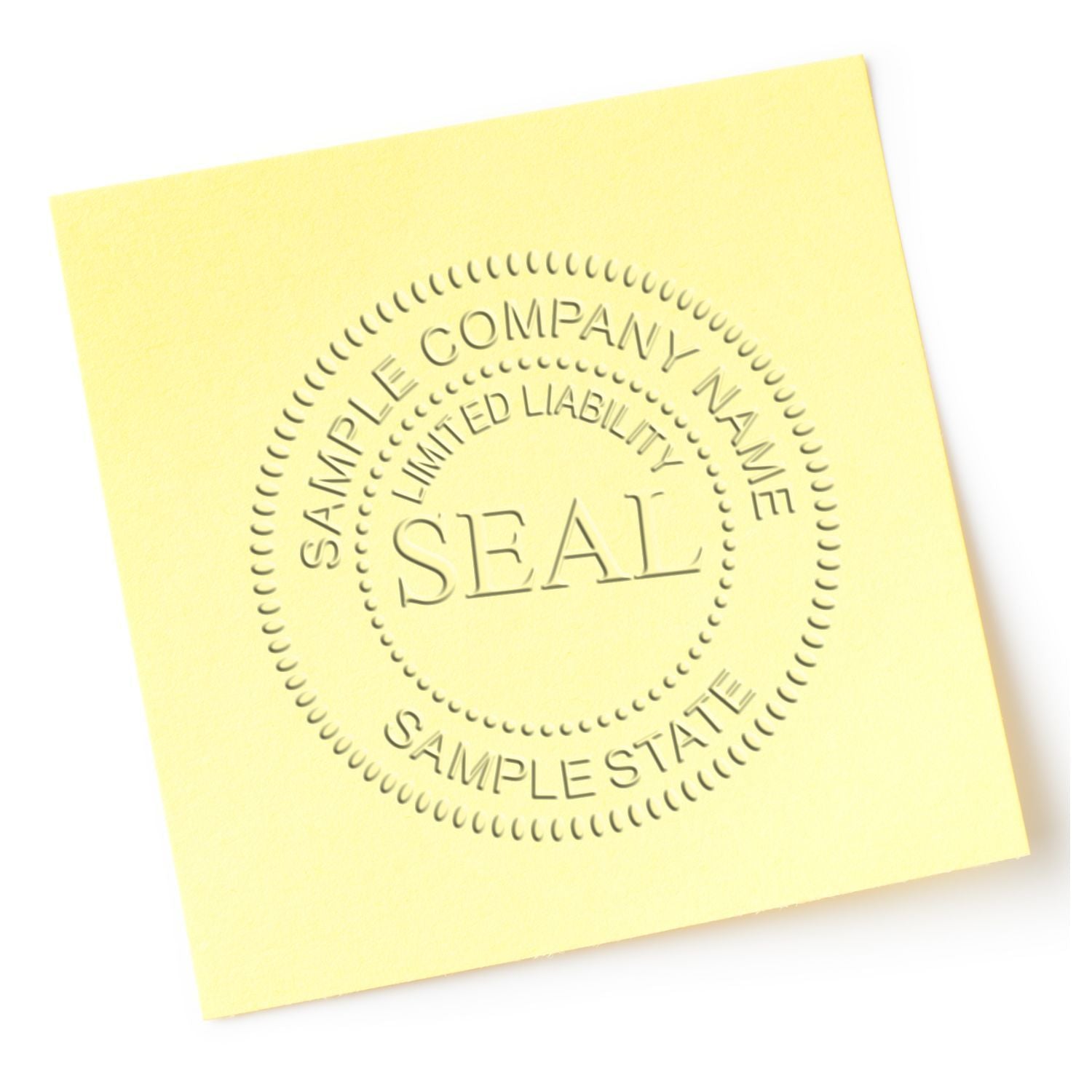
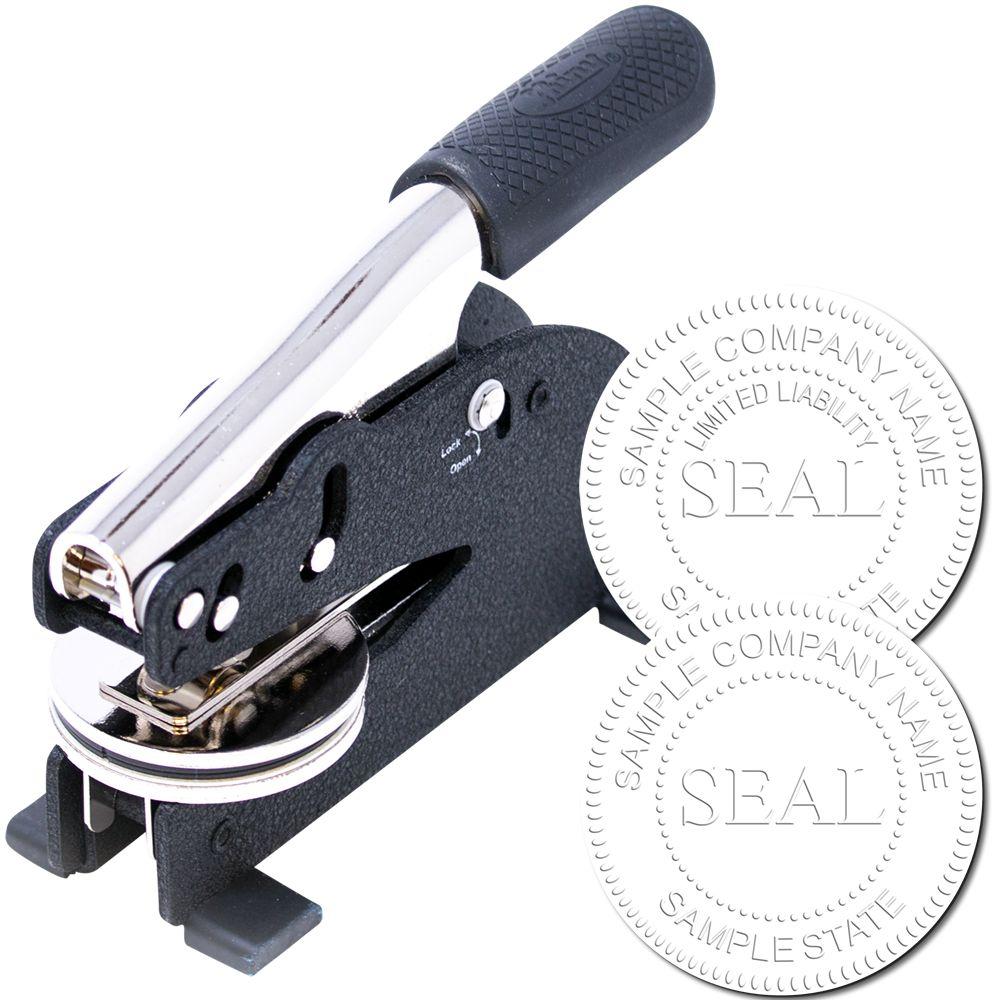

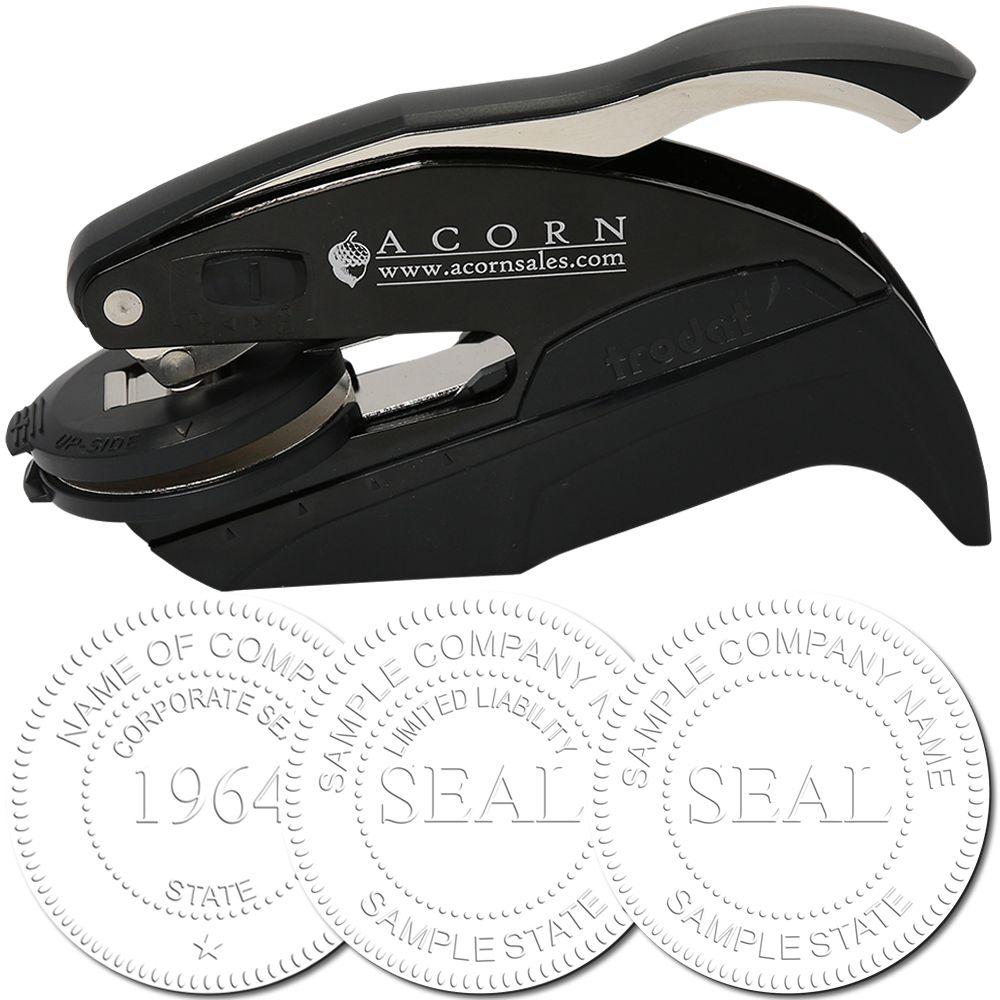

A quick stamping process
- Check compliance requirements. Make sure the document is authorized for stamping (e.g., an official resolution, certificate, or contract).
- Position the seal. Align everything properly so that important text inside the seal (such as the company name) does not overlap other writing.
- Mark firmly. If you have an embosser, apply steady pressure until you feel the paper indent. If it is an ink stamp, push down evenly.
- Let it set. If you use ink, give it a moment to dry. If you are embossing, make sure the impression is visible and properly registered before moving on.
If your documents require extra security or frequent updates, you might look into a second seal just for internal approvals. A high-quality corporate seal stamp with a clear emblem can make your final product look polished and maintain consistent brand identity.
Maintain your seal stamps
Corporate seals and embossers should serve you for years, but they do require proper care. Ink stamps can dry out or collect dust if left uncovered. Embossers have moving parts, and they benefit from occasional cleaning and inspection to ensure a crisp impression. A quick maintenance routine keeps your investment in good shape for the long run.
Care tips
- Store ink stamps with the pad sealed in a cool, dry place.
- For embossers, wipe the die (the metal plate) clean every few uses and check for residue.
- Keep a small test scrap of paper nearby. Test the impression before you stamp an official document.
Choose a trusted supplier
The best way to get a well-made seal is to buy from a reputable supplier. Since 1964, Acorn Sales has been a go-to provider for lawyers, accountants, and business owners across the United States. Based in Richmond, VA, they offer a range of solutions from traditional embossers to modern self-inking stamps, and they ship nationwide. If you are in the market for a custom company seal stamp, you can expect quick turnaround times and a design that meets all your business needs.
Why reliability matters
When you are stamping official documents, you do not want to risk inferior craftsmanship. Your seal should accurately represent your organization for many years. Working with a seasoned company means you also get support and expertise, so if you have questions about compliance or design requirements, they can point you in the right direction.
Different types of corporate seals
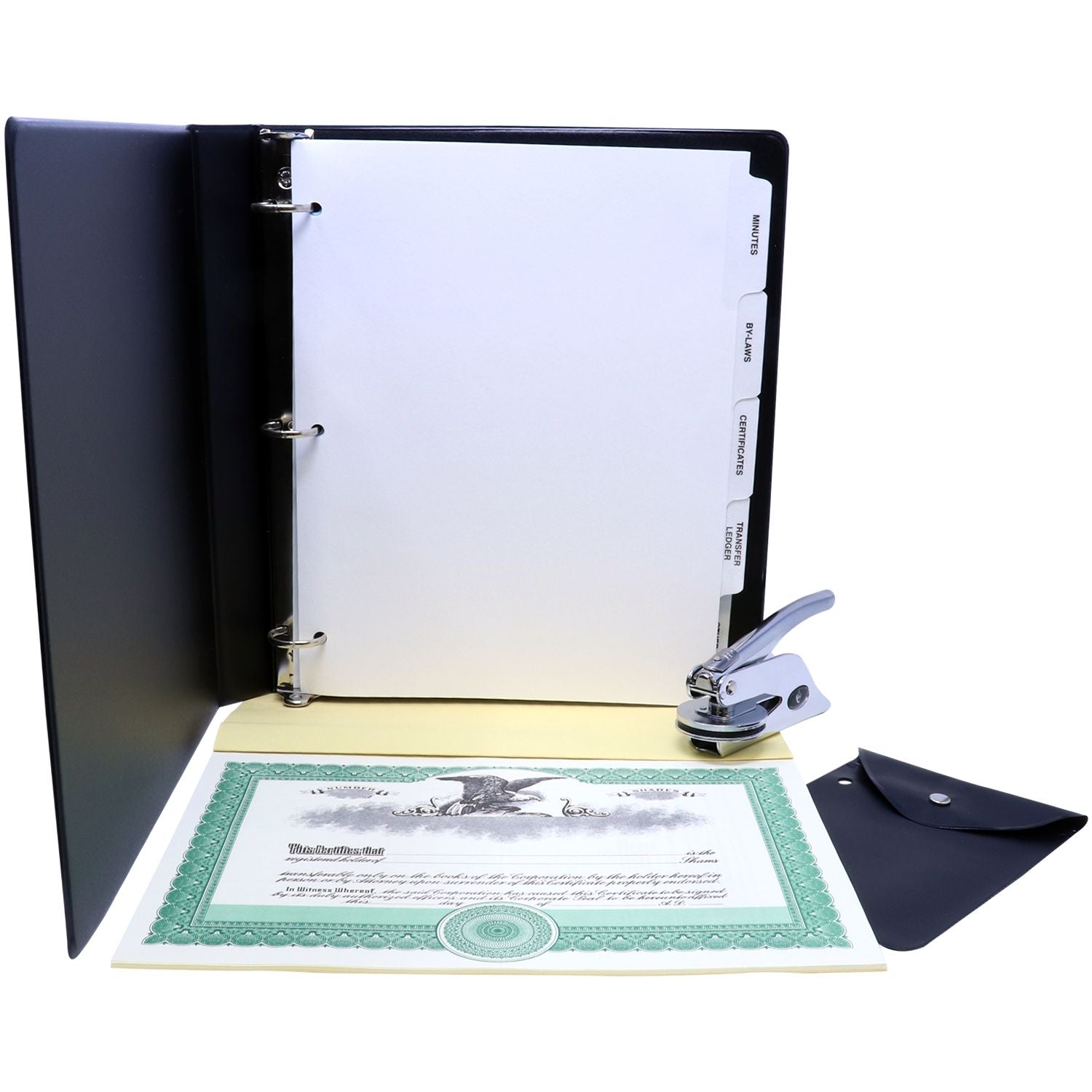
While you can broadly categorize seals as embossers or ink-based, there are quite a few subtypes out there. Each is tailored to particular scenarios and user preferences. Here is a quick table that outlines some popular corporate seal options and their main features:
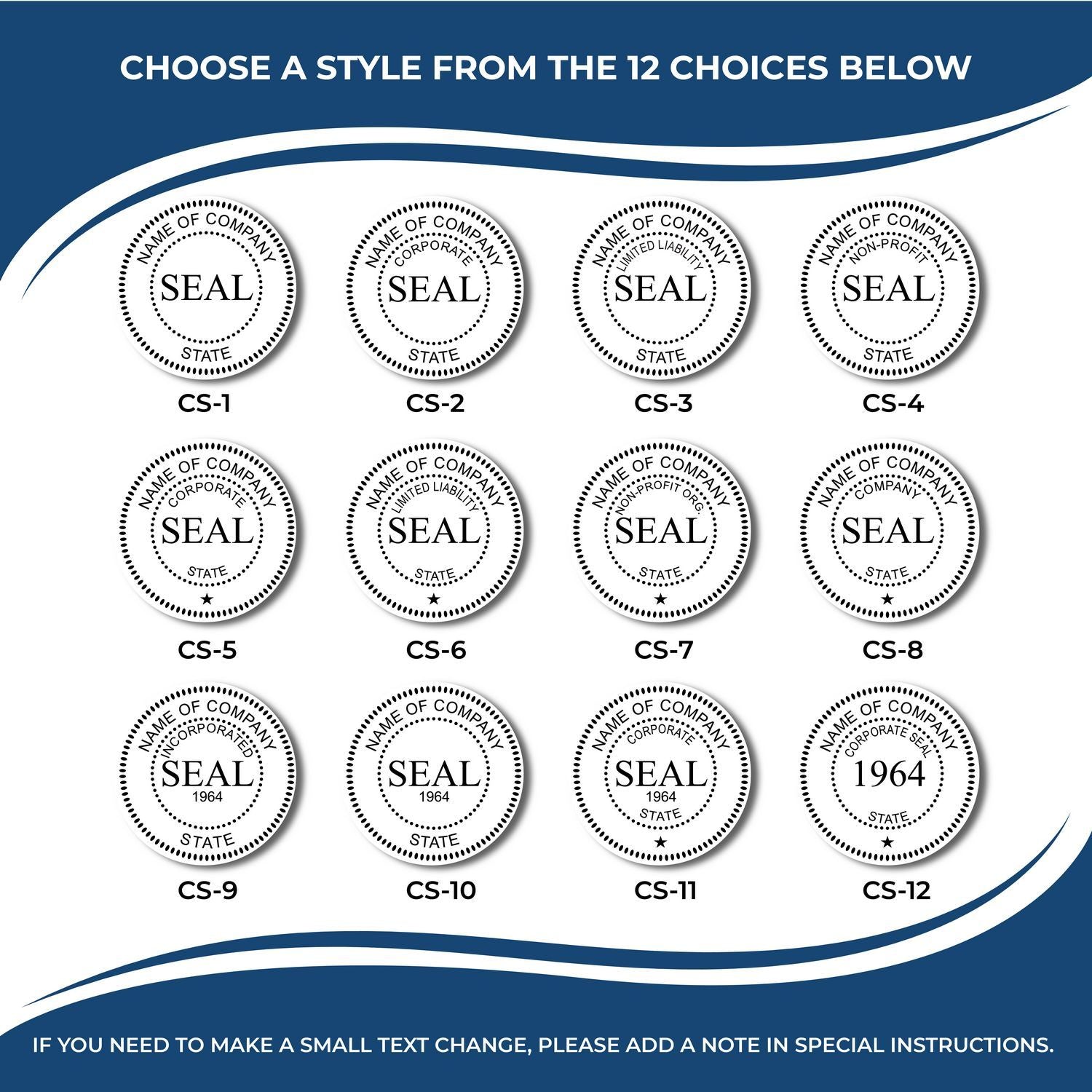
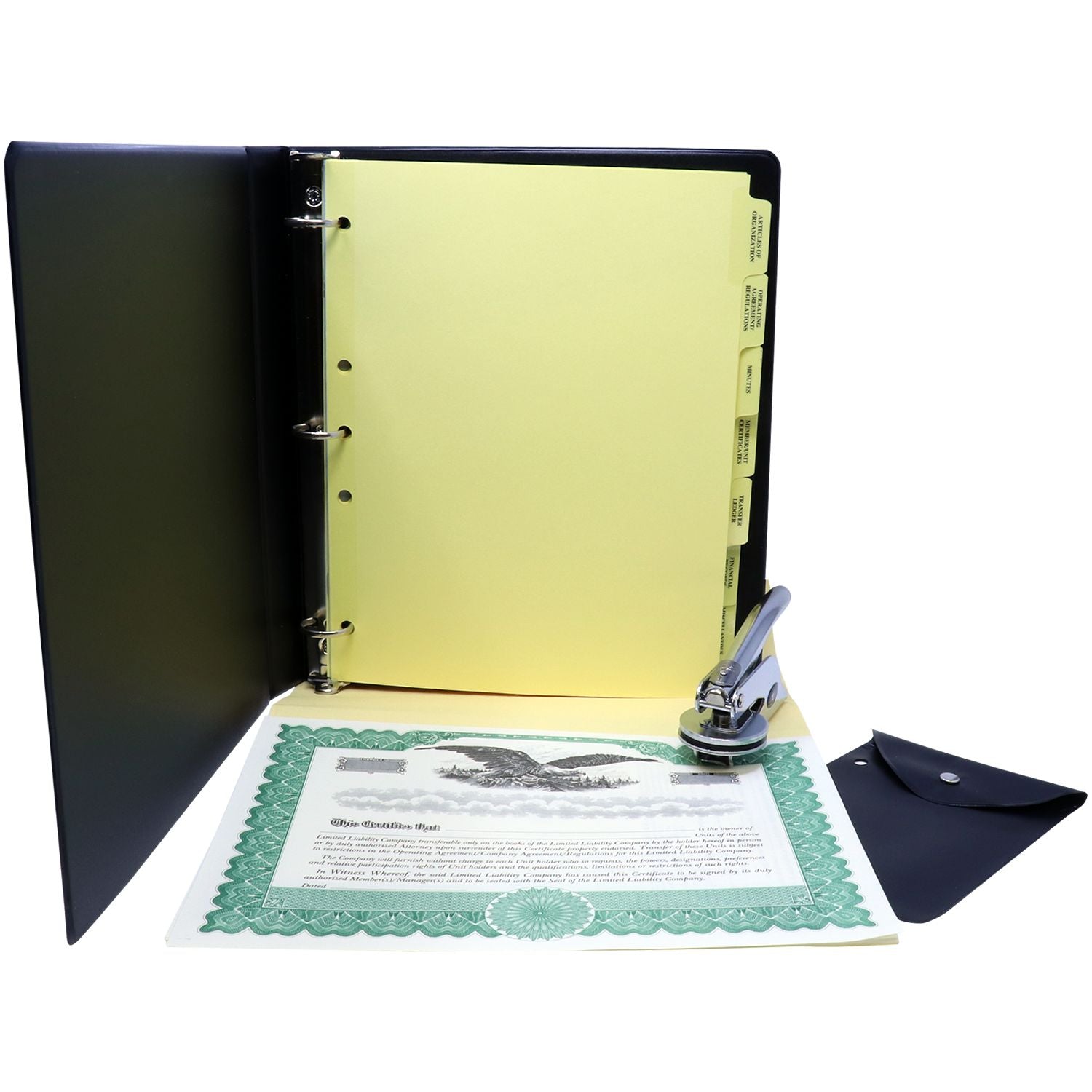
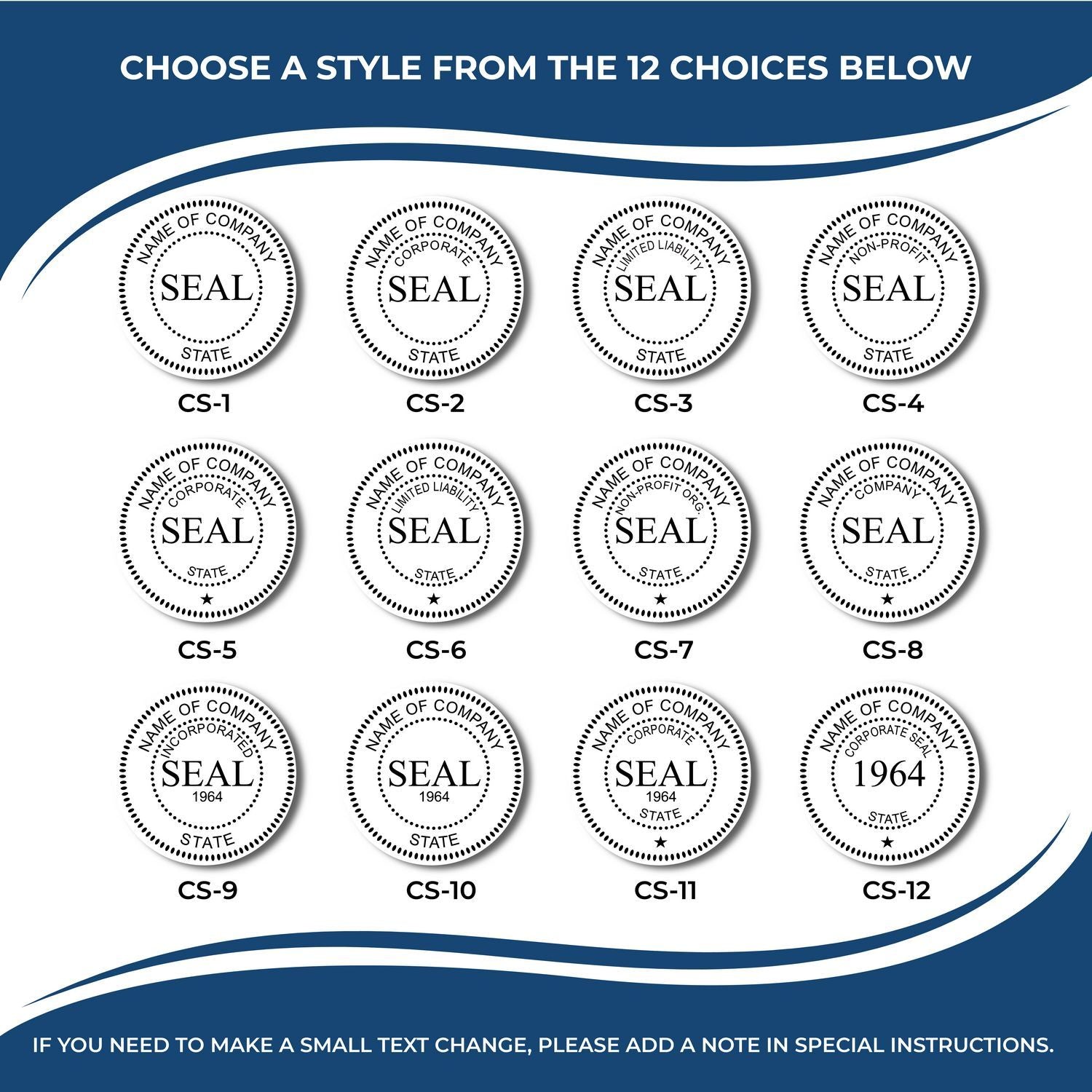
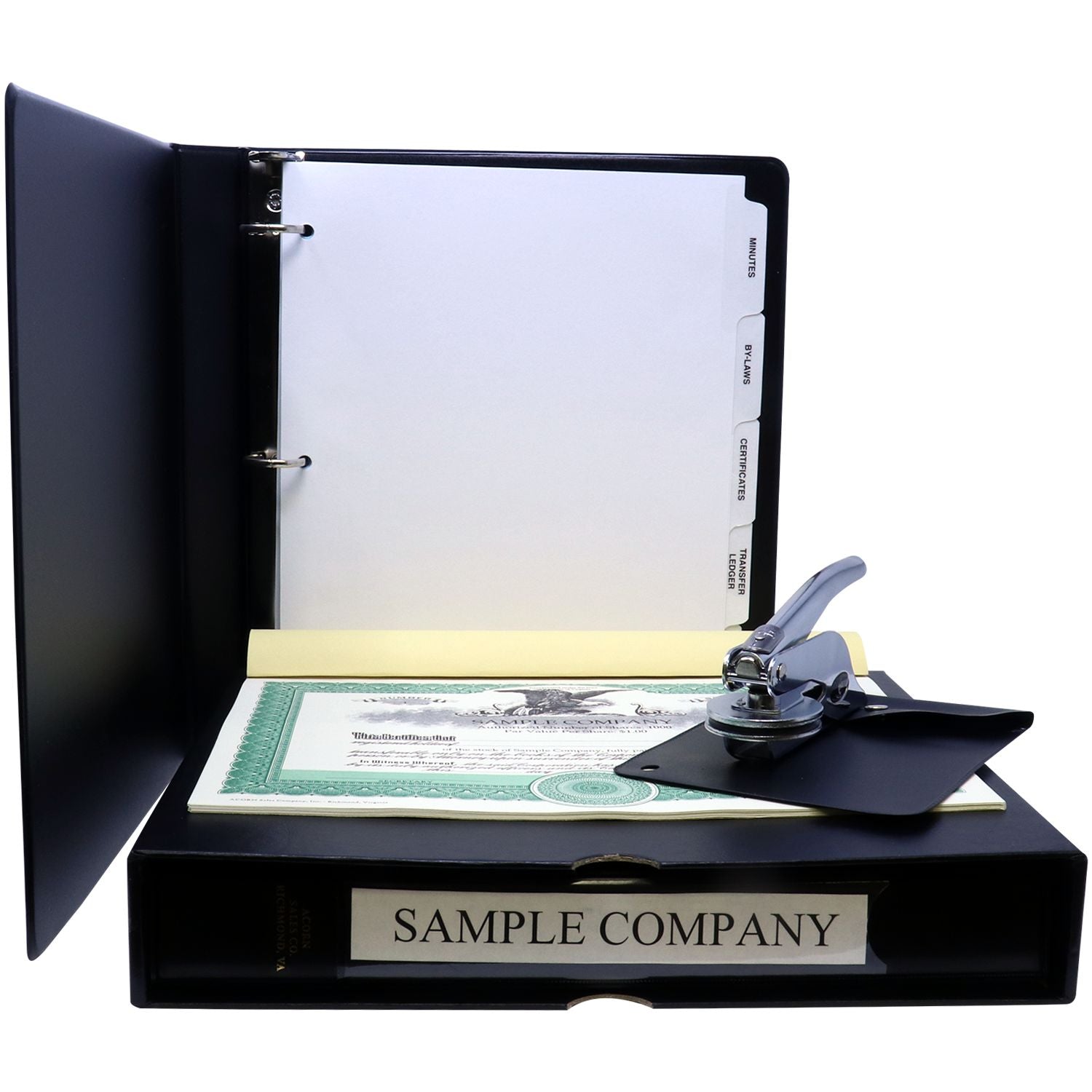

| Seal Type | Ideal Use Cases | Key Advantages |
|---|---|---|
| Pocket embosser | On-the-go stamping for attorneys and traveling professionals | Portable, lightweight, easy to carry |
| Desktop embosser | Frequent stamping in an office setting | Consistent pressure, sturdy build |
| Self-inking stamp | High-volume stamping | Quick application, no separate ink pad needed |
| Pre-inked stamp | Small businesses that need clean, crisp impressions | Sharp image, less smudging |
You might find variations of each kind. A specialized corporate seal stamp for certificates could have specific text or design elements that cater to awarding certificates of stock or membership. Likewise, a unique corporate seal stamp for authorization might highlight approval or endorsement language.
Compare corporate vs. notary seals
If you are in a legal or administrative profession, you have probably seen other types of seals, like notary seals. While both notary and corporate stamps deal with authentication, they are structurally and legally different. Here is a quick comparison:
| Feature | Notary Stamp Filter | Corporate Seal Stamp |
|---|---|---|
| Purpose | Certified that signer appeared before the notary, verifying identity | Indicates the document has official corporate approval |
| Authorization | Issued to state-commissioned notaries, strict guidelines | Created for a specific corporation’s internal or external documents |
| Legal Recognition | Varies by state, but generally must follow notary rules | Significance differs by jurisdiction |
A corporate seal does not replace the need for a notary if your document requires notarization. You might even need both on certain legal forms. In short, make sure you understand whether a situation calls for a notary public or an official company seal (or both).
Put seals on various documents
Corporate seal stamps fit a variety of legal and formal contexts. Here are some common documents you might consider stamping:
- Board resolutions and meeting minutes
- Stock certificates and membership certificates
- Contracts and leases
- Loan agreements and promissory notes
- Certain regulatory filings
Legislators in some jurisdictions may require you to place a corporate seal on a stock certificate for it to be considered valid for official records. If you deal with repeated transactions or large volumes of documents, adding a corporate seal can help you stand out, as it speaks to professionalism and completion of internal reviews.
Handling digital documents
As more offices go paperless, you might ask: how do I seal a digital document? In some cases, you must print, physically stamp, then scan the file. Certain states or industries offer e-seals for corporate documents, but the rules are still evolving. Always confirm the requirements in your area before applying a digital alternative.
Track usage internally
Many companies keep a seal usage log, noting each time they apply the corporate seal, the type of document, and the date. Why bother? The log creates an audit trail in case there is a later dispute about when (and if) a particular document was formally endorsed. This is especially valuable for financial records or internal corporate governance.
Keeping an usage log
- Use a spreadsheet or document management tool to record usage.
- Indicate the date, department, and purpose (e.g., signing a lease, releasing stock shares).
- If multiple employees have access, make sure each individual logs their name.
This way, your organization remains transparent to stakeholders and regulators. Plus, you minimize confusion if a dispute arises over who authorized an important document. A simple log can save you major headaches later.
Avoid common mistakes
While corporate seal stamps are not overly complex, there are pitfalls to watch out for.
Overstamping
Some businesses get enthusiastic and stamp everything in sight. If you treat your seal as a casual flourish, you dilute its authority. Use it only when you have official approval, and keep it consistent with your corporate bylaws.
Losing track of updates
If your company changes its name or merges with another entity but you still use the old seal, you can cause confusion or possible legal complications. Stay on top of organizational changes, and update your seal design to reflect any new state, date of incorporation, or name changes.
Poor storage
Leaving your seal in poorly controlled conditions can damage the metal plates or dry up your ink. And, of course, you do not want unauthorized people using it. Keep your corporate seal in a secure, often locked location, ensuring only your authorized signatories or staff members have access.
Not exactly. The seal is generally used after a document is reviewed and approved by the appropriate corporate officers or board. Think of it as the finishing touch, rather than a standalone authorization.
Summary and final tips
Using corporate seal stamps is a straightforward but significant step toward reinforcing the authenticity and professionalism of your business documents. By choosing the right design, deciding between embossing or ink, and applying clear internal guidelines, you can ensure that each document you seal meets legal and brand standards.
If you are looking for a reliable partner to create or refresh your seal, consider Acorn Sales in Richmond, VA. Since 1964, they have been helping businesses nationwide maintain their professional edge with quick turnaround times, durable fabrics, and accurate designs. Whether you need company seal stamps for large-scale daily use or a specialized professional corporate seal stamp for critical documents, you can find a selection that fits your exact needs.
At the end of the day, trust and authenticity are the cornerstones of effective business operations. A corporate seal serves as a visual and tactile embodiment of those values. So, if you have not done so yet, take the time to finalize your own seal. Document your process, store it securely, and apply it firmly. Your clients, investors, and colleagues will appreciate the attention to detail that sets your company apart.
Frequently Asked Questions
Do all states require corporate seal stamps?
No, not all states require them, but many states do acknowledge their importance. Even if your jurisdiction does not mandate it, having a clear impression from a seal can build trust with clients and investors.
Where should I store my seal?
Typically, you would keep it wherever you store other vital corporate documents such as bylaws, meeting minutes, or share certificates. A locked file cabinet or safe is best.
How often should I replace my seal?
With proper care, an embosser or stamp can last years. Replace it if you see wear that affects the clarity of the impression.








