
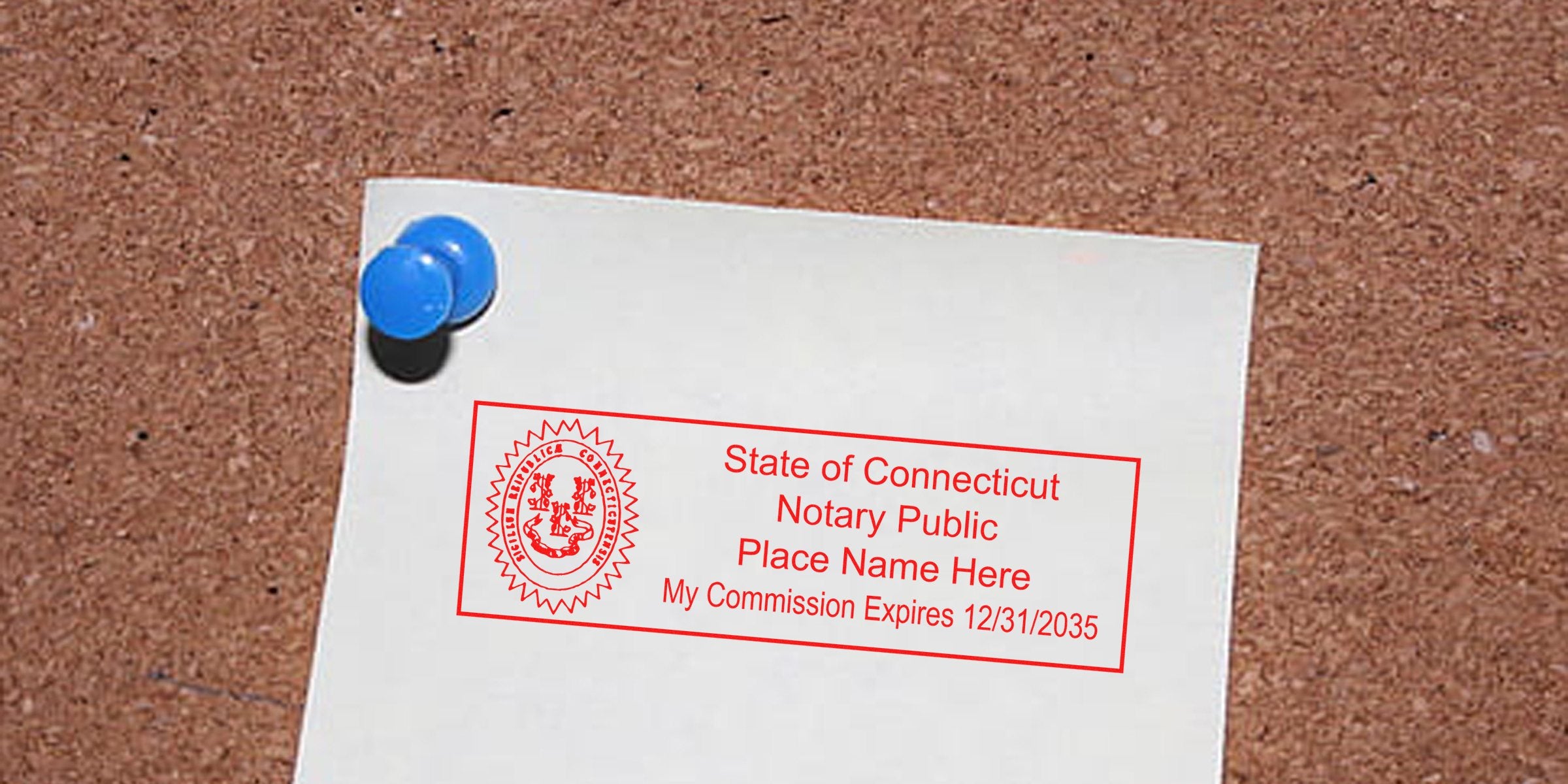
When you’re notarizing documents in Connecticut, it’s easy to wonder about connecticut notary public seal guidelines and how to follow them correctly. After all, if you’re providing a vital legal service, you want to avoid any mishaps caused by a misplaced or incorrect seal. Below, we’ll walk you through the essentials in a friendly, clear way so you can feel confident from your very first notarization.
Understand official seal rules
In Connecticut, your notary seal should include your name exactly as it appears on your commission, along with the words “Notary Public,” and sometimes the phrase “State of Connecticut.” While the exact design can vary, this seal is meant to prove your legitimacy as a notary. It must always be used on official documents that you witness or certify, so it’s important to keep a close eye on state requirements and any changes they make over time.
Key details to confirm
- Is your full name clearly visible on the seal?
- Does the wording match your official commission details?
- Have you double-checked that your seal (embosser or stamp) meets Connecticut size and layout preferences?
Choose the right supplies
You might be deciding between a traditional embosser or a newer self-inking stamp. Both are valid options, and each has its pros. An embosser raises the paper for a tactile confirmation, while a stamp often offers quicker, crisper impressions. At Acorn Sales, we’ve been crafting top-quality notary supplies for over 60 years, so we know how to keep your notarial act running without a hitch.
When you’re ready to upgrade or purchase your equipment, look at our connecticut notary supplies to find state-compliant seals with a quick turnaround. Whether you prefer something that fits in your briefcase or a classic desk model, we’ve got you covered.
What to consider
- Stamps vs. embossers: Which fits your personal style and typical workflow?
- Portability: Will you often travel off-site to notarize documents?
- Durability: Does the equipment stand up to frequent use without smudging or fading?
Follow best stamping practices
Applying your seal in a clean, readable manner is half the battle. Make sure the impression is clear and entirely on the document, avoiding edges or folds that might distort the seal. If you’re using ink, it should be dark enough to photocopy or scan legibly. Keep a firm, consistent motion when you press your stamp or embosser—this prevents partial impressions that can look unprofessional or confuse document recipients.
Maintenance tips
- Store your stamp or embosser in a protective case or dry area.
- Re-ink regularly if using a self-inking device.
- Practice on scrap paper anytime you switch inks or upgrade equipment.
Feel free to reach out if you have more questions about your seal, or if you’re wondering which model best suits your needs. With a little guidance, you’ll be ready to notarize documents confidently, using a state-compliant seal that both you and your clients can trust.
Frequently Asked Questions
Do I need an embosser or a rubber stamp for my seal?
You can use either, as long as it meets Connecticut’s layout and wording rules. An embosser provides raised impressions, while a stamp offers a faster, often more readable mark. It often comes down to your personal preference and convenience.
Can I share my notary seal with another notary?
No, your seal is unique to your commission and should never be shared. Each notary in Connecticut must maintain their own seal for personal use only. Passing a seal around can lead to serious compliance issues or even legal consequences.








