
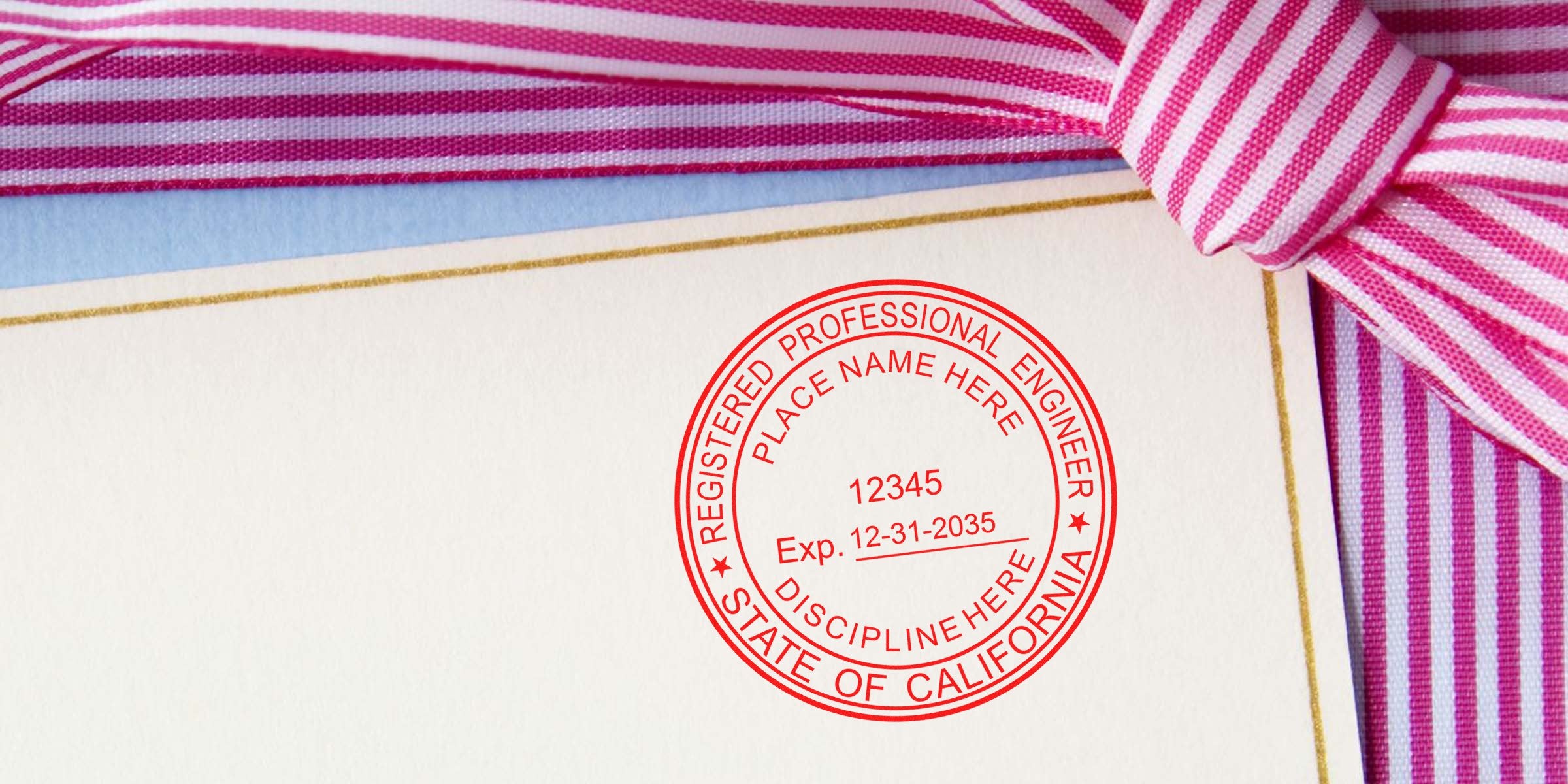
If you’re an engineer practicing in California, chances are you’ll need a california pe seal at some point to finalize your technical documents. Because professional seals are essential for complying with state regulations, it’s worth spending a few minutes learning why they matter, what to look for, and how to choose the right option for you. Throughout this guide, you’ll discover tips on purchasing a Professional Engineer (PE) seal for California projects, plus some behind-the-scenes considerations that can save you time, money, and headaches.
Define the California PE seal
A California Professional Engineer (PE) seal is more than a rubber stamp. It’s an official marker that confirms your qualifications, lending legitimacy to engineering plans, reports, and other technical materials. When you affix a valid seal to your documents, it signals to clients, authorities, and peers that a licensed PE in California takes responsibility for the work.
The seal itself usually shows your name, license number, and the text “Professional Engineer” or “Registered Professional Engineer” along with “State of California.” This unique layout ensures your documents are quickly recognized by reviewing agencies and clients. At the start and at a seal update alike, the key is understanding how the design, size, and type can all influence your workflow and compliance.
Why seals matter
- They signify your professional accountability for public safety and quality standards.
- They’re legally required for many engineering submittals.
- They help maintain a consistent look that licensing boards recognize.
Meet design requirements
Before buying a seal, it’s smart to review the official guidelines. California’s licensing board provides specific rules on design. These define how large the impression should be, the exact wording, and whether certain phrases must appear. If you want an in-depth overview, you can check out california pe stamp guidelines, which covers typical border styles, text placement, and the correct orientation of the words around the seal.
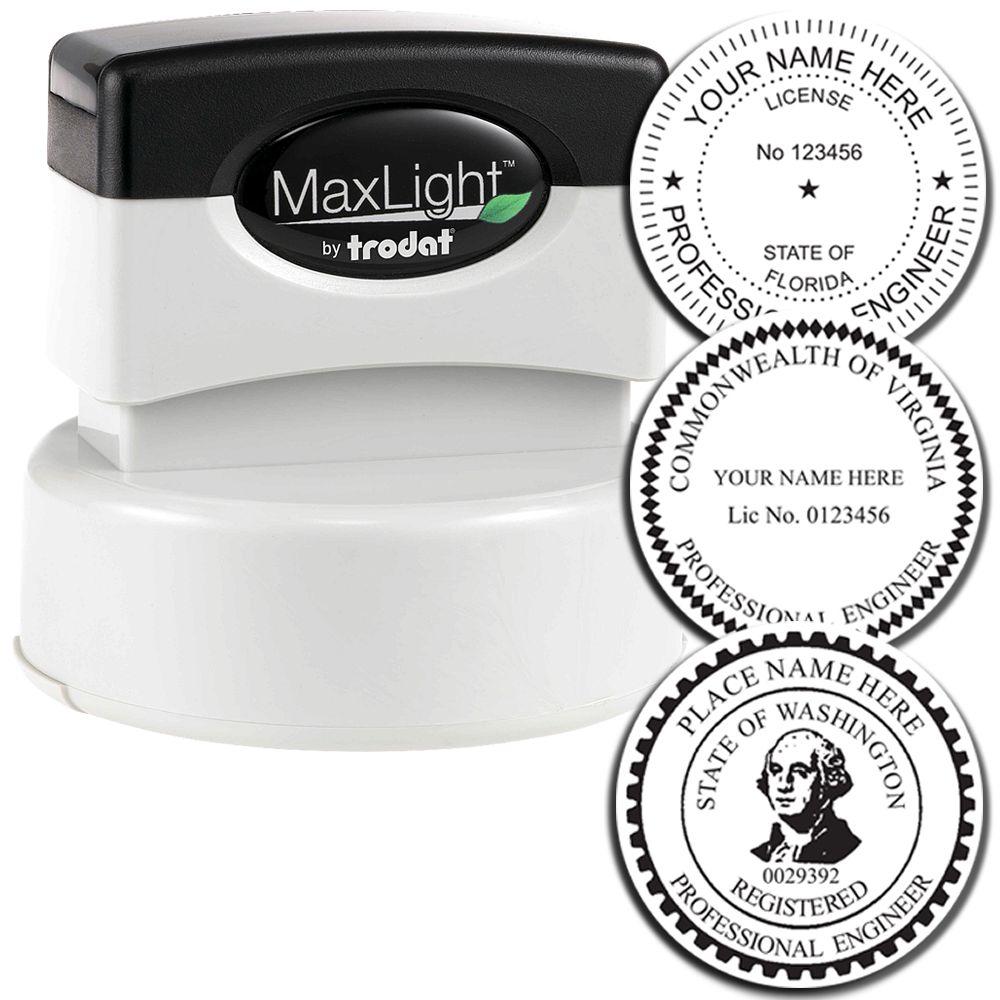
You’ll frequently see round seals around 1 to 7/8 inches in diameter for hand stamps, but you might want a slightly different configuration if you work on large-format drawings. For that, you might look at california pe stamp size. Each dimension matters because local governments and clients can reject documents if the seal doesn’t meet standards.
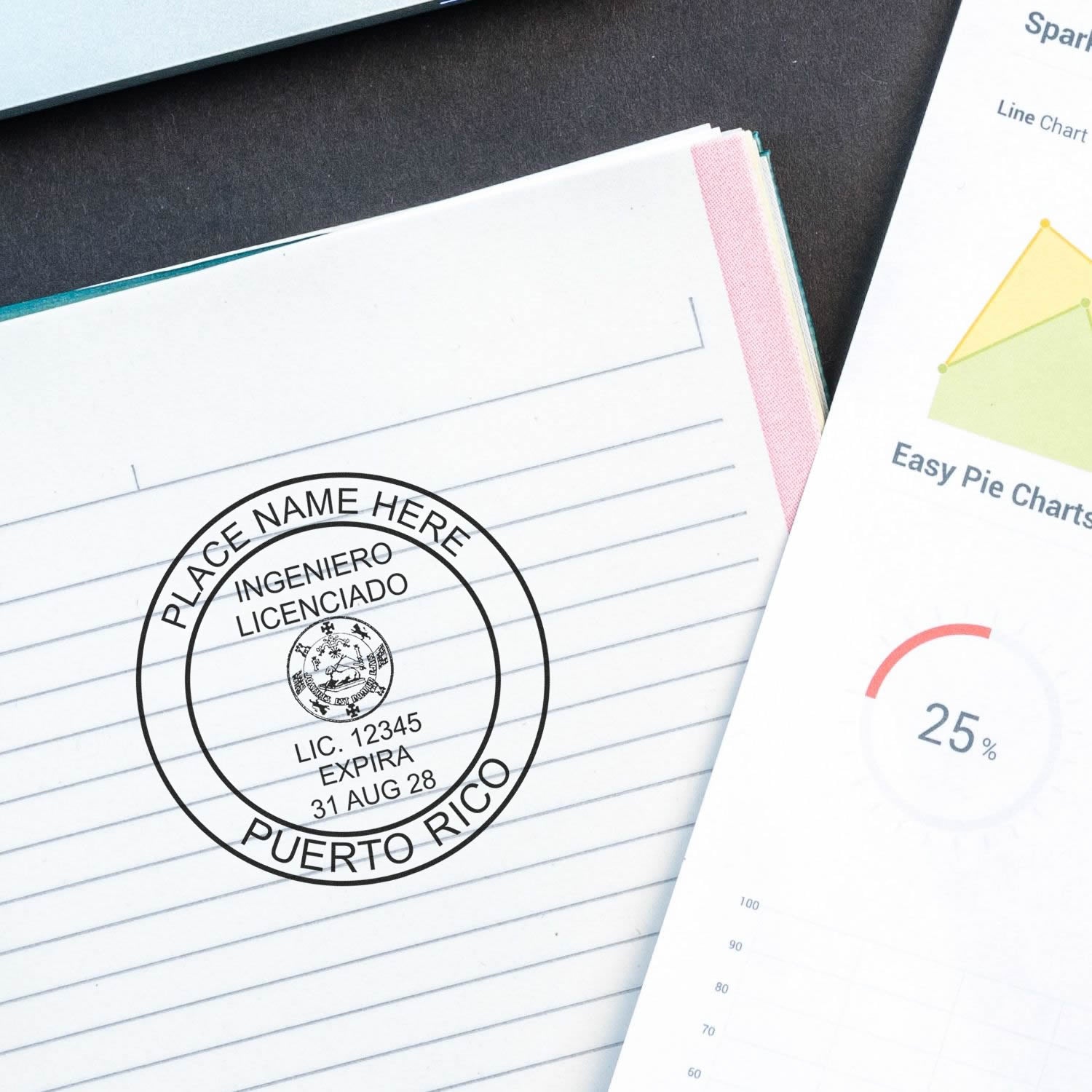
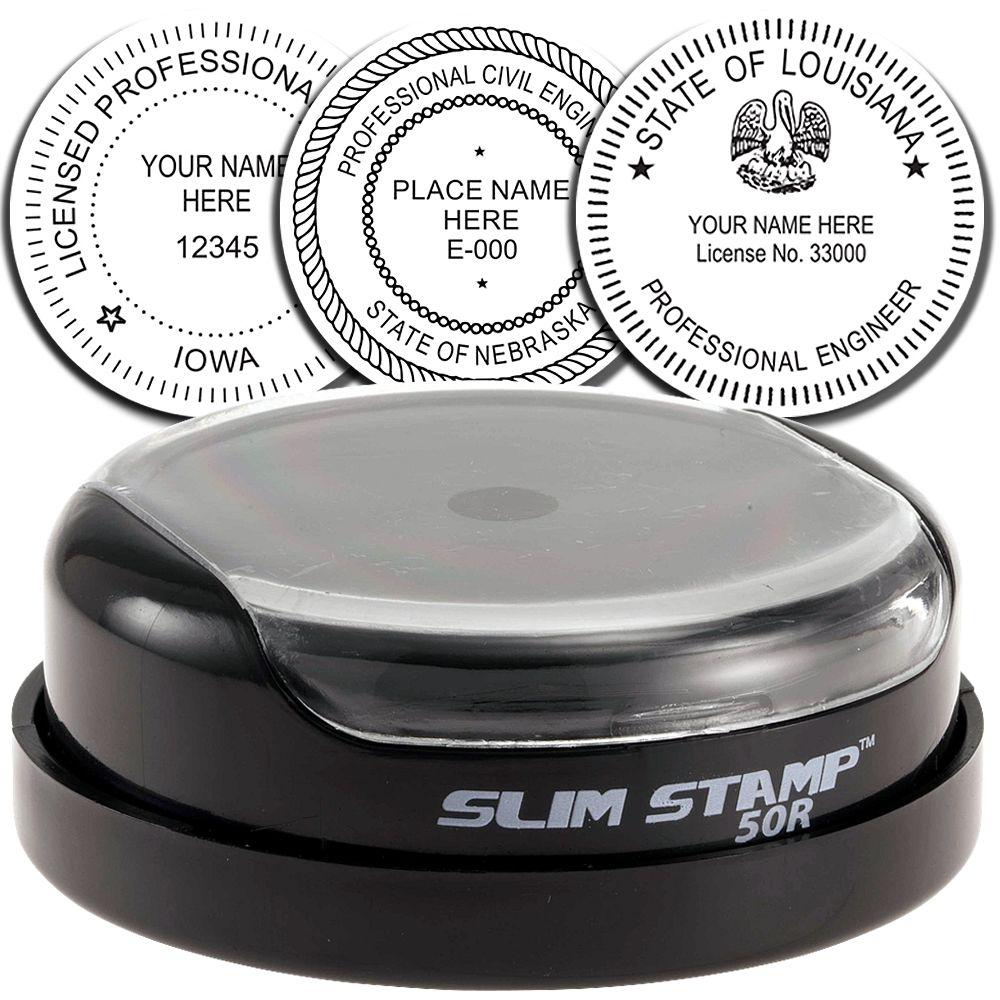

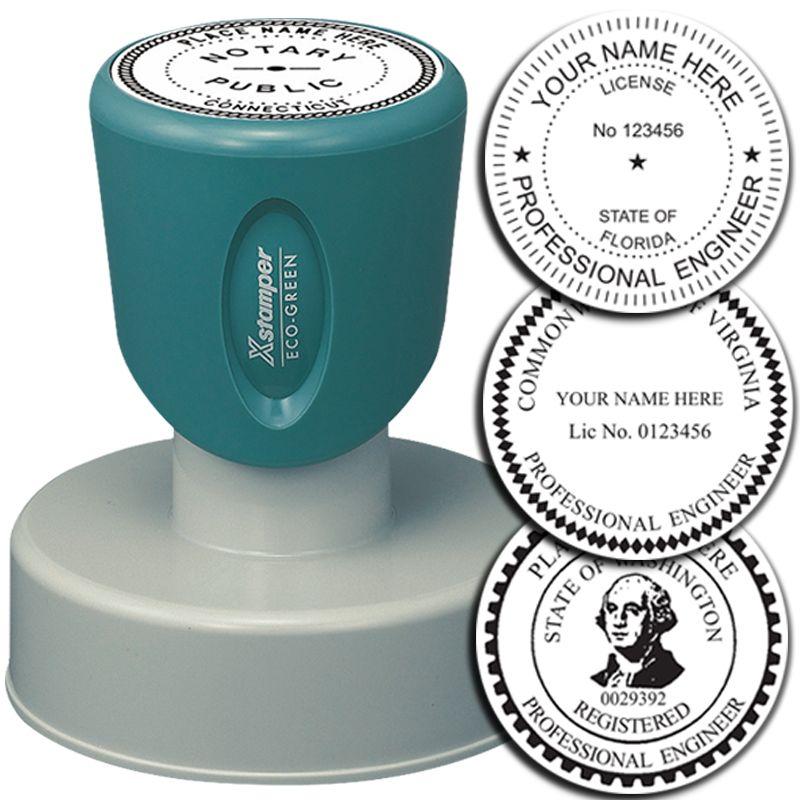
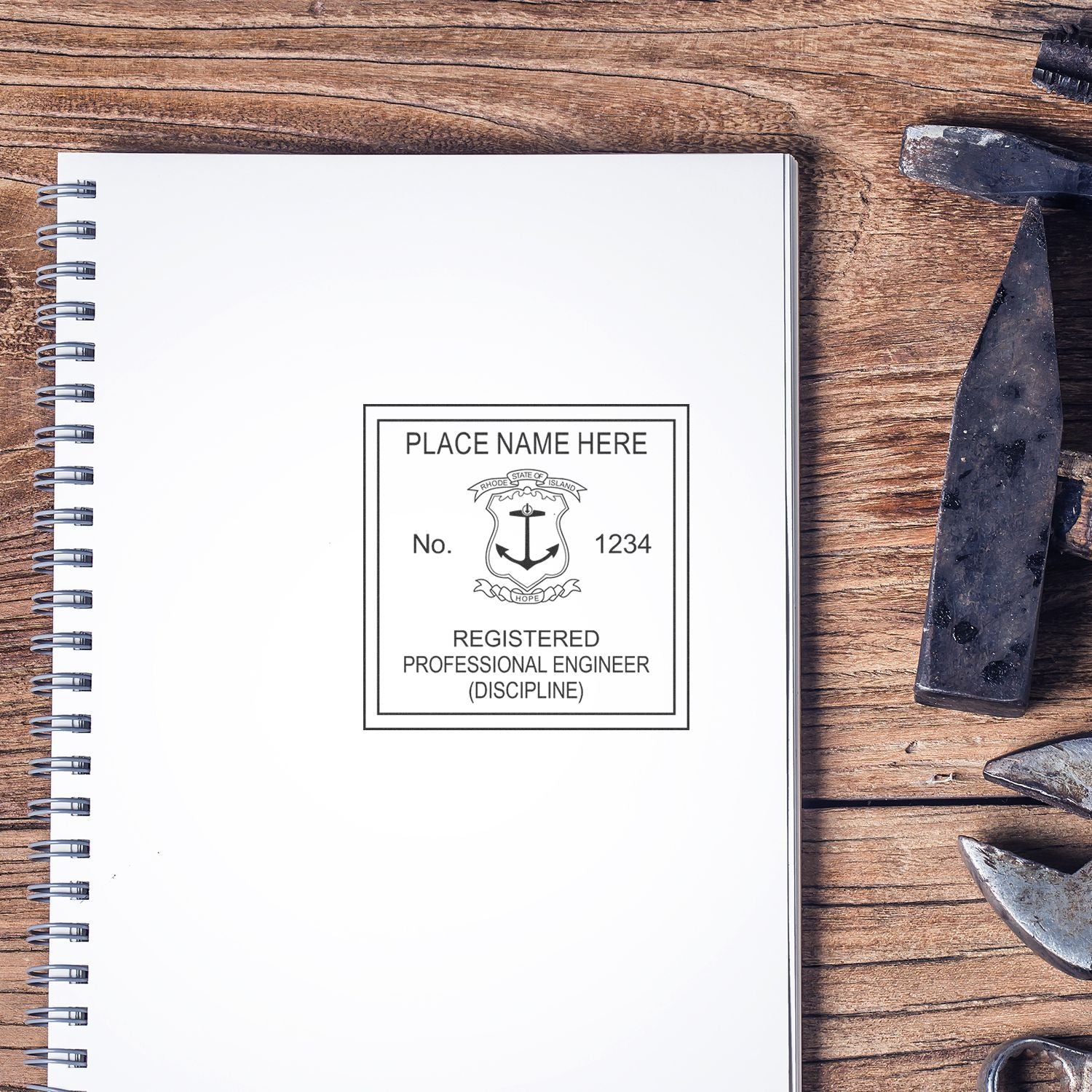
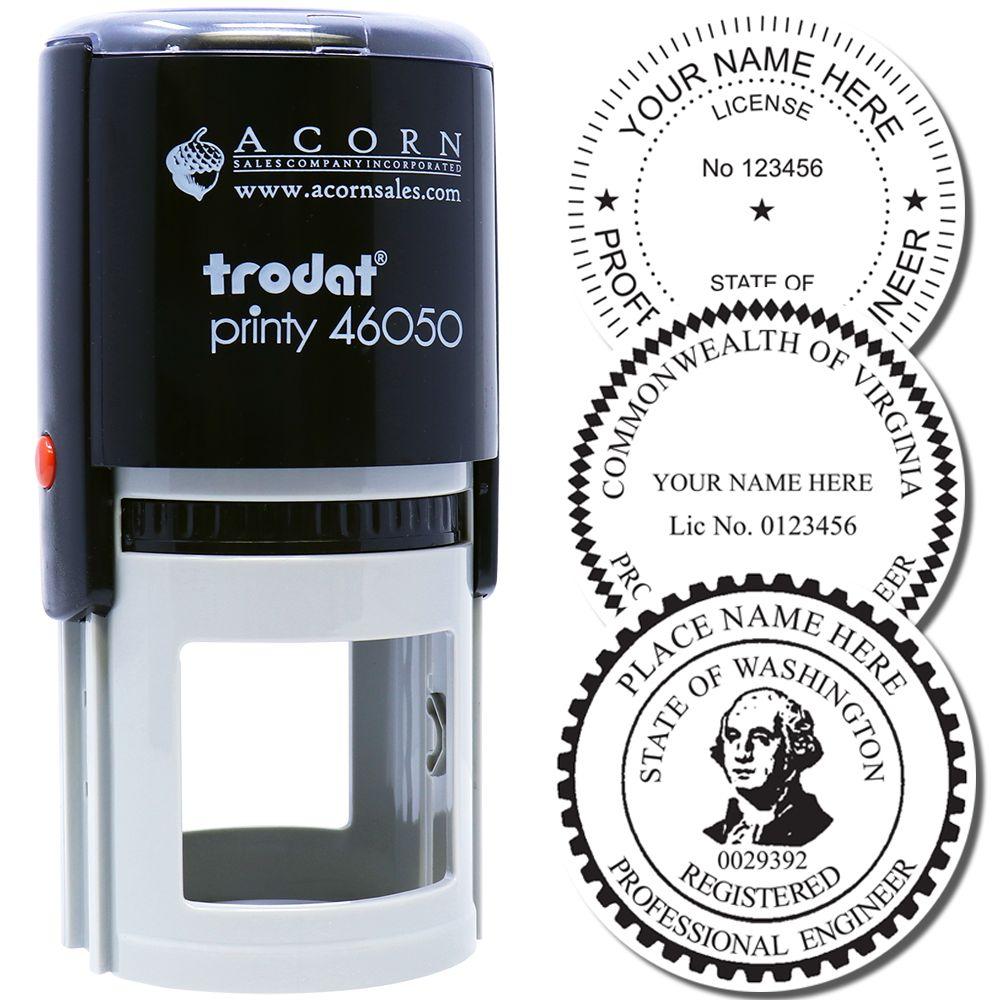

Key elements to include
- Your name exactly as shown on your license
- Your license or registration number
- The California-specific “Registered Professional Engineer” text
- The official state name or seal reference, if required
Select your stamping style
Choosing how you apply your seal can feel like picking between a physical handshake or a digital signature. Different options have pros and cons, so think about your design preferences, storage space, and how often you’ll need to use the stamp.
Common seal types
Below is a quick comparison of popular California PE seal formats:
| Type of Seal | Description | Pros | Cons |
|---|---|---|---|
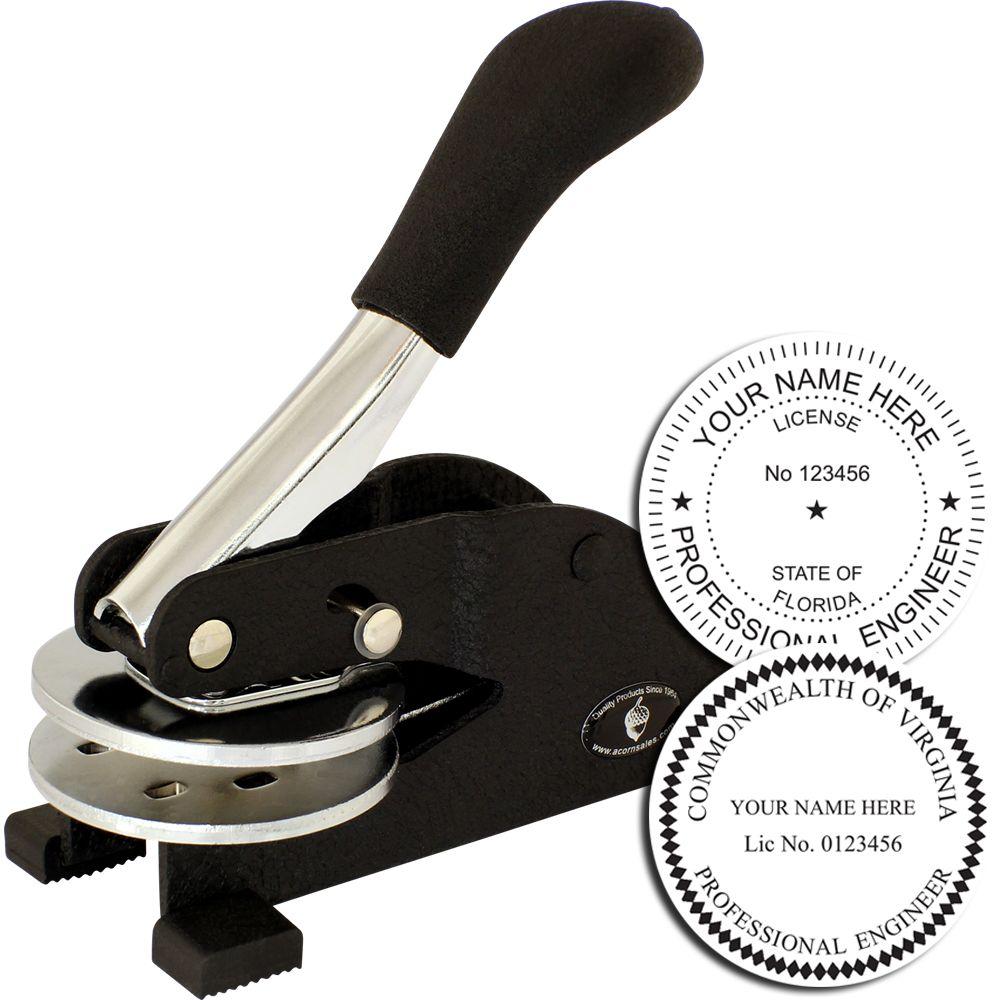
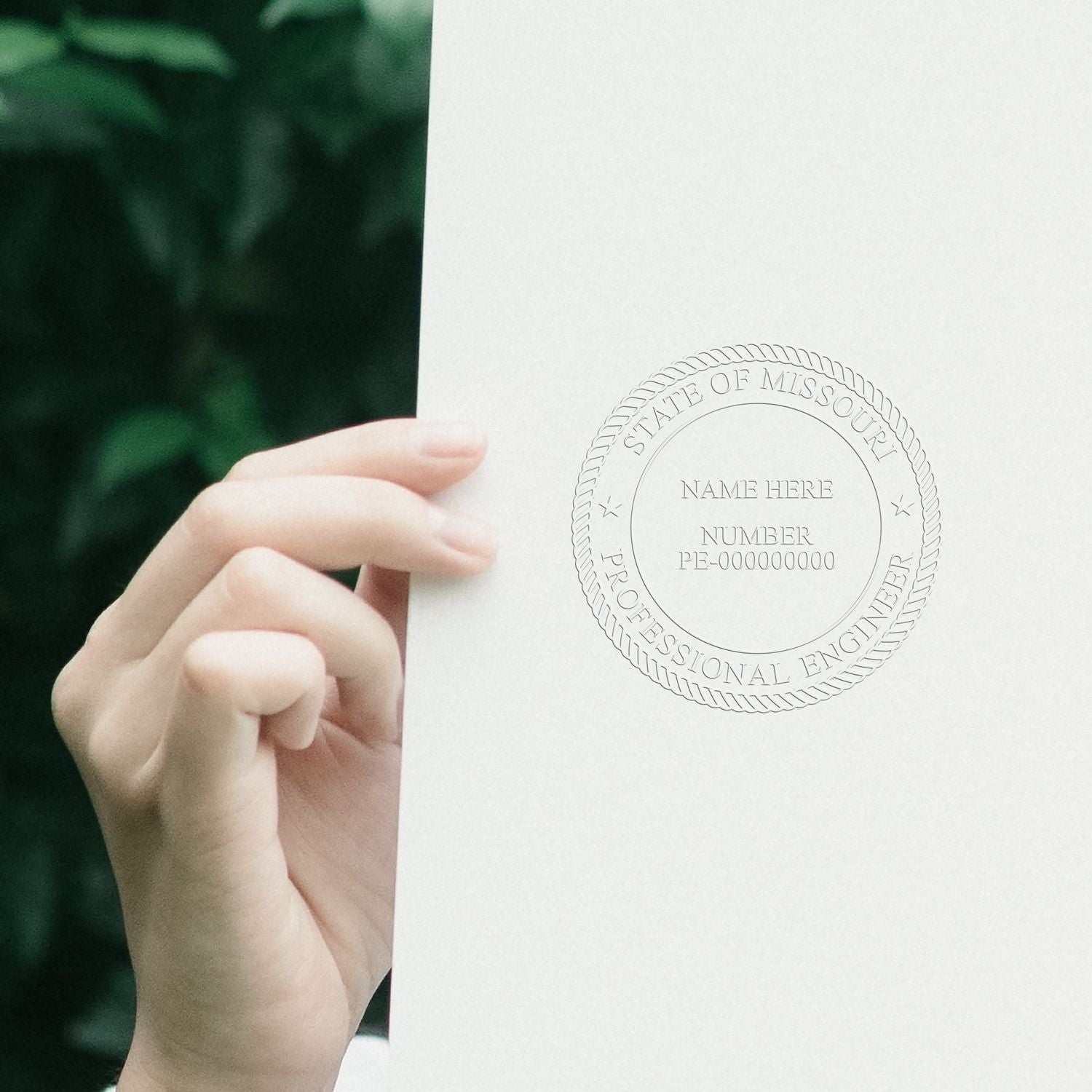
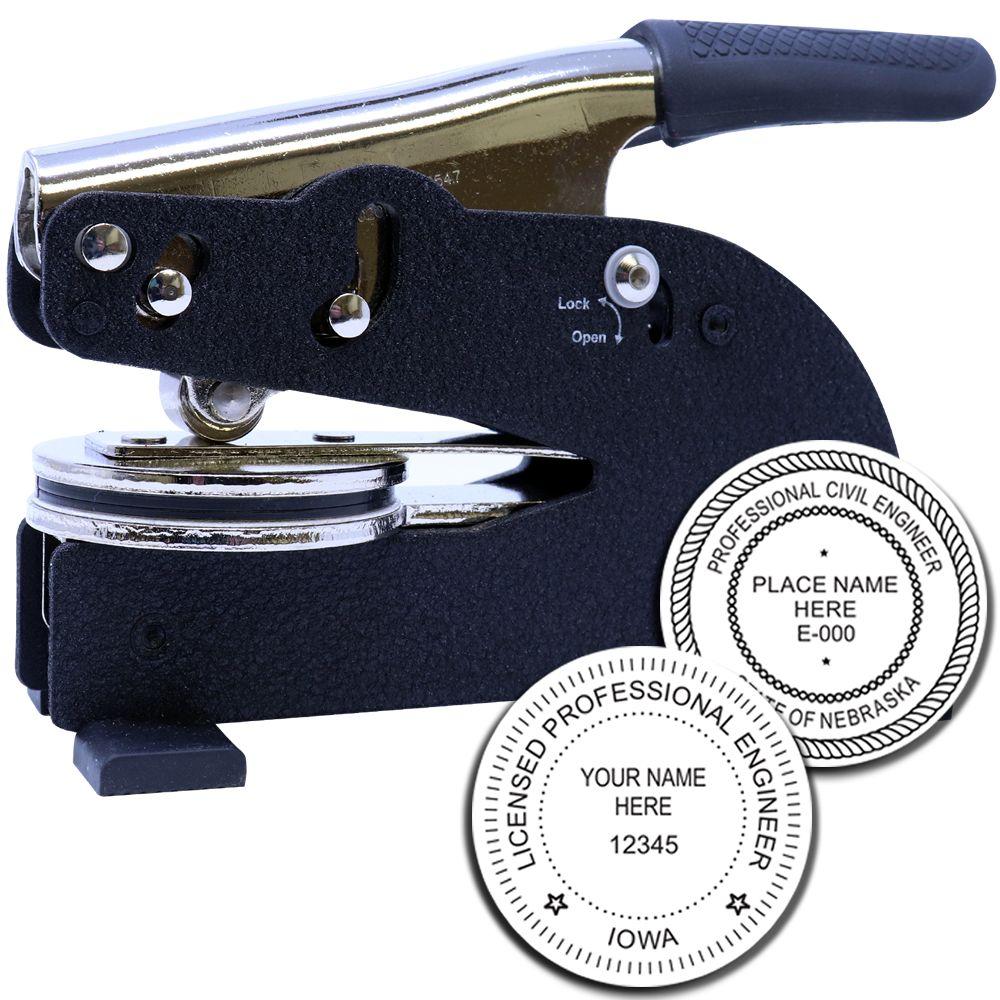
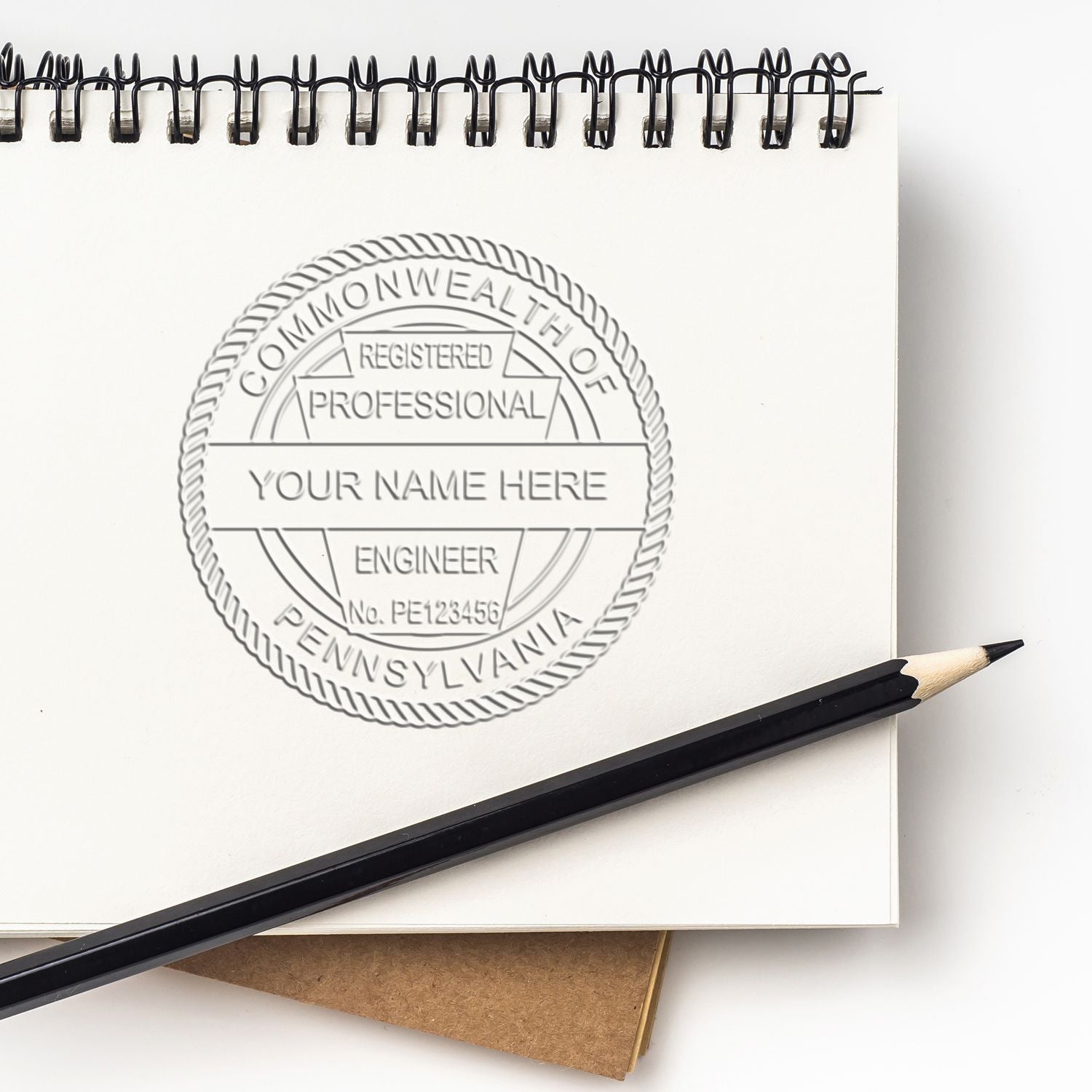
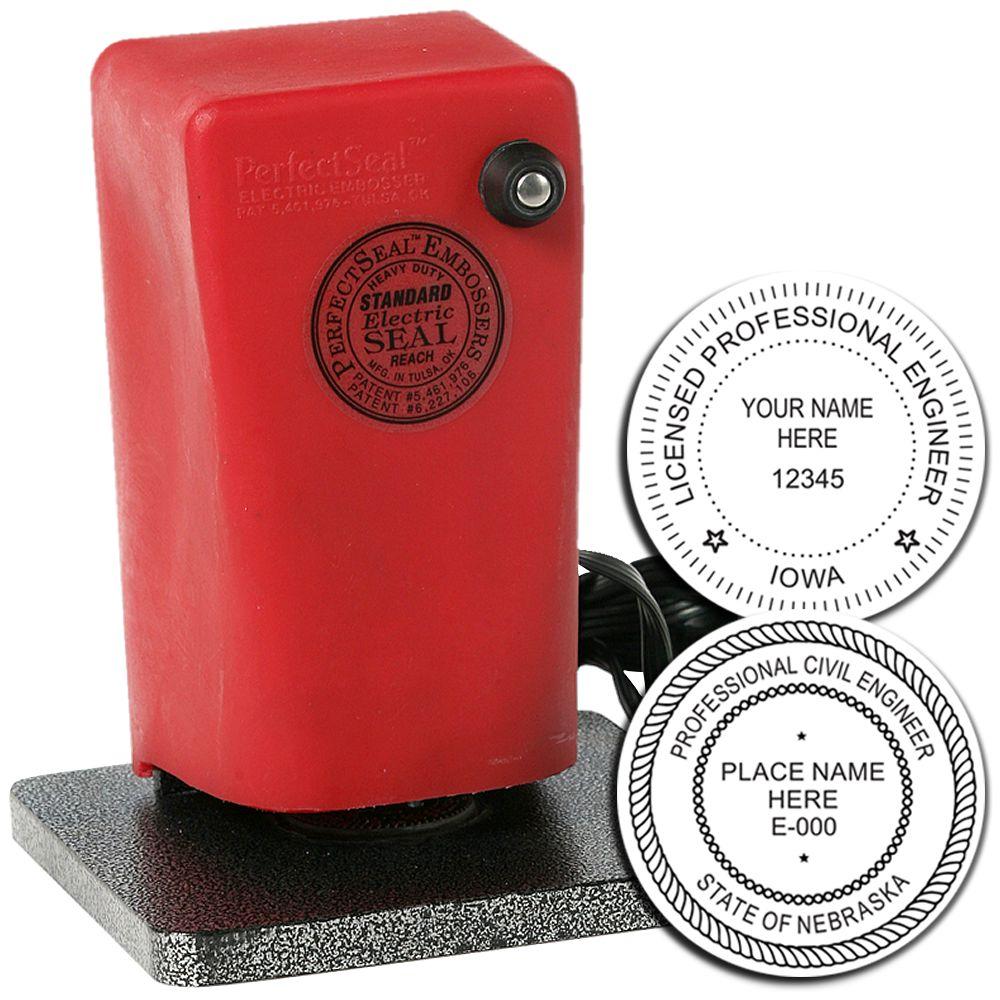
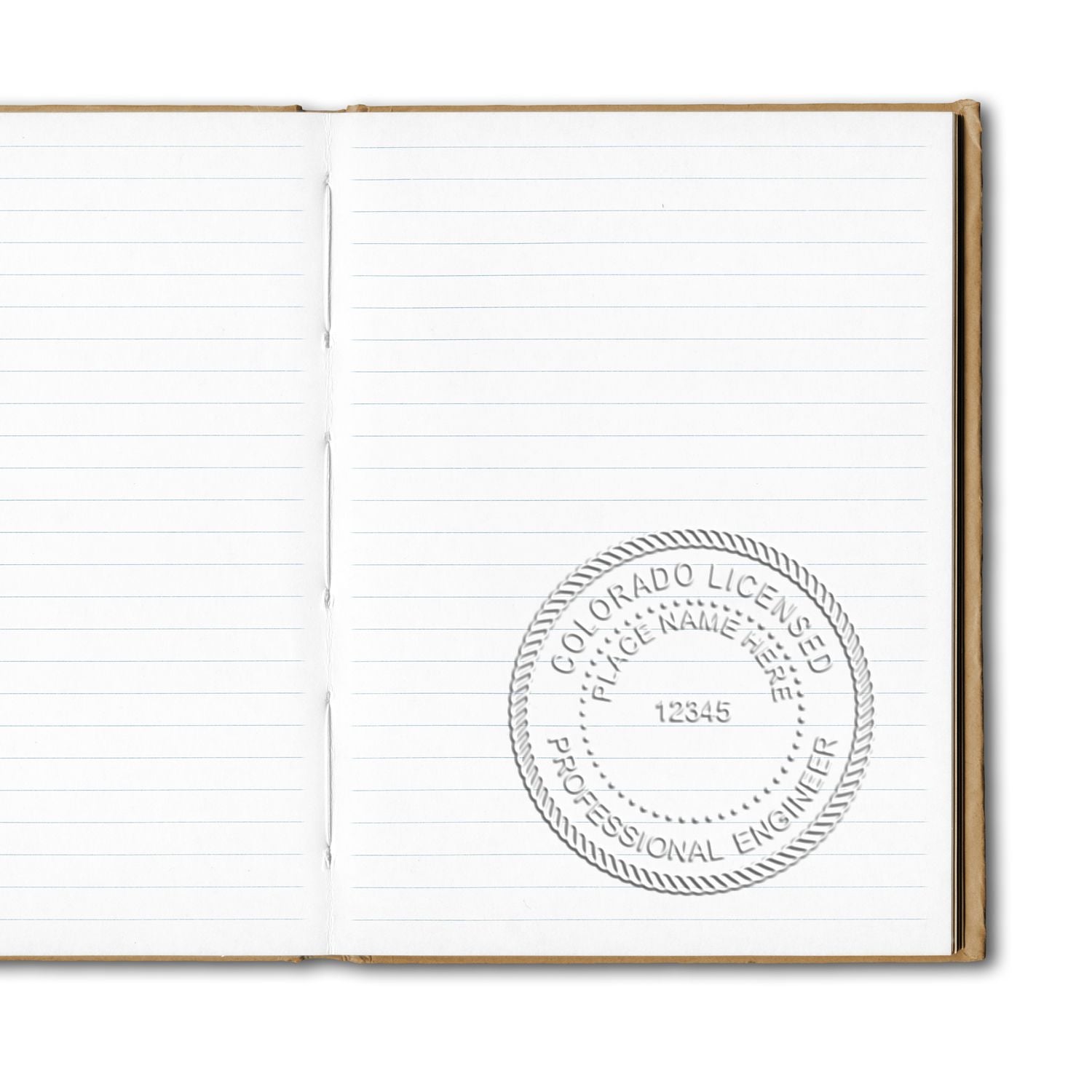
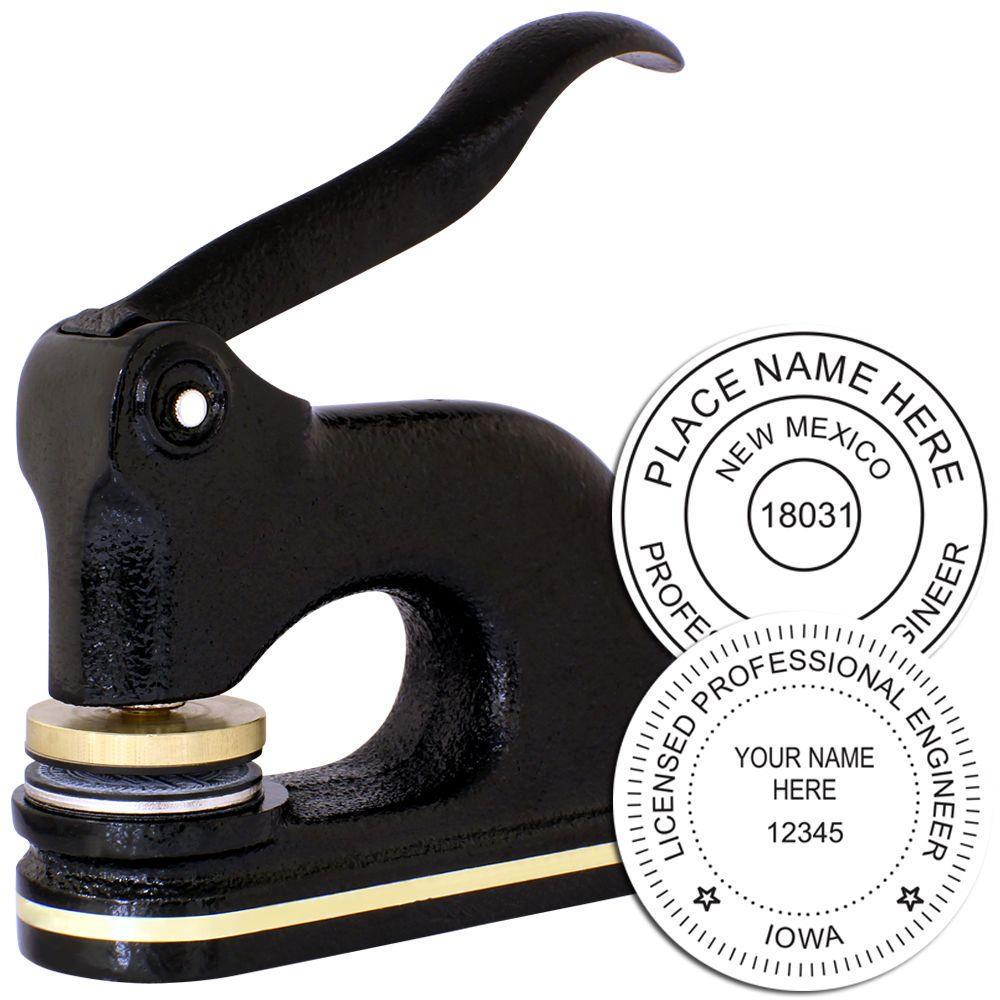
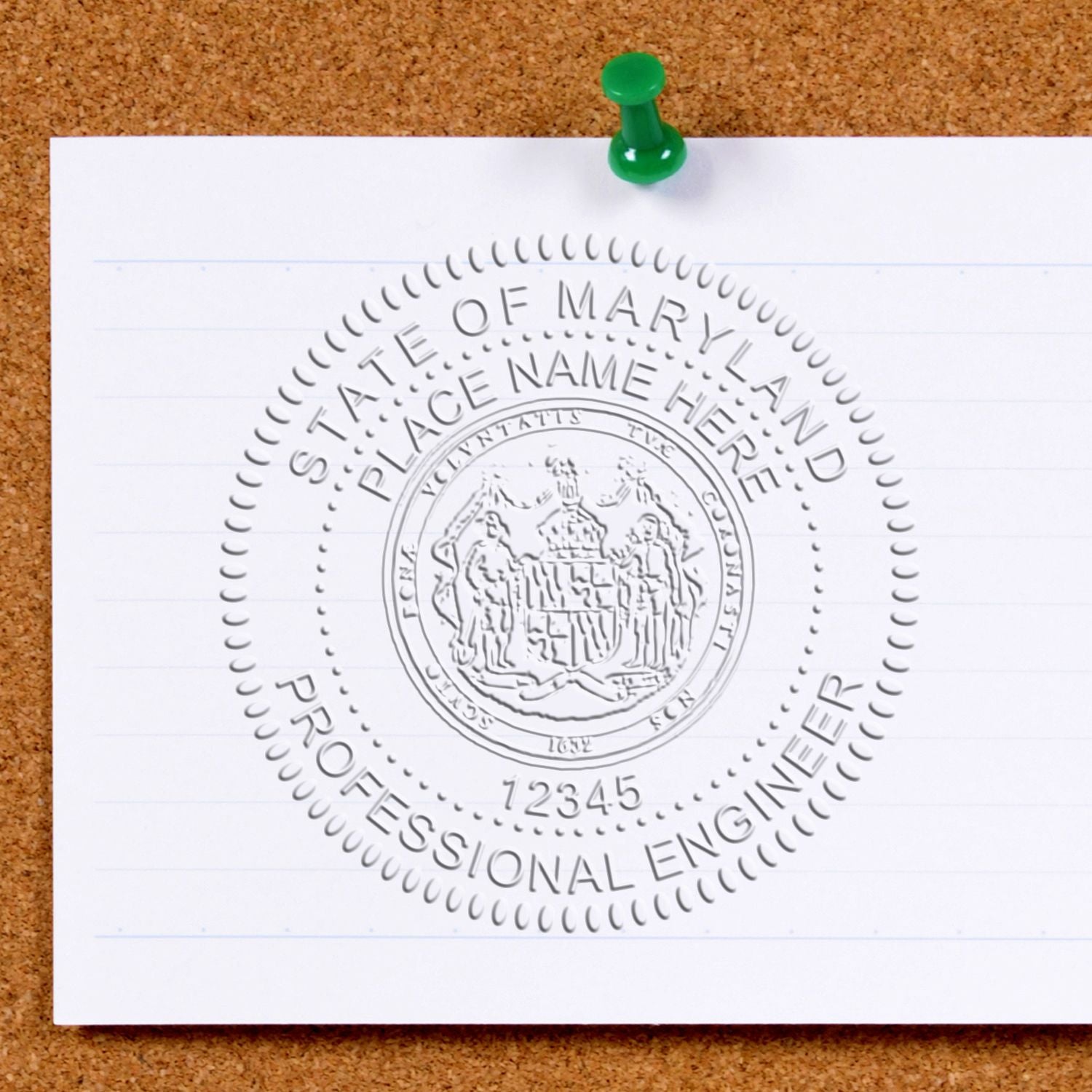
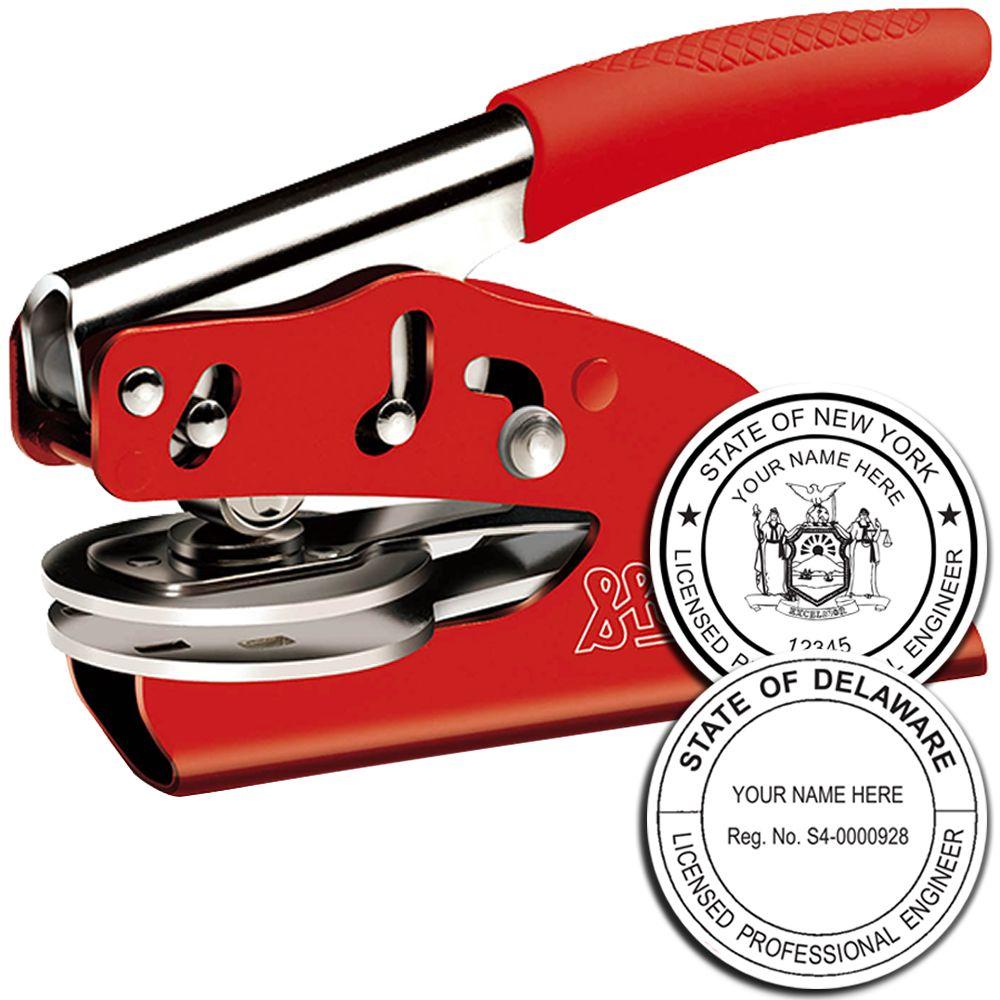
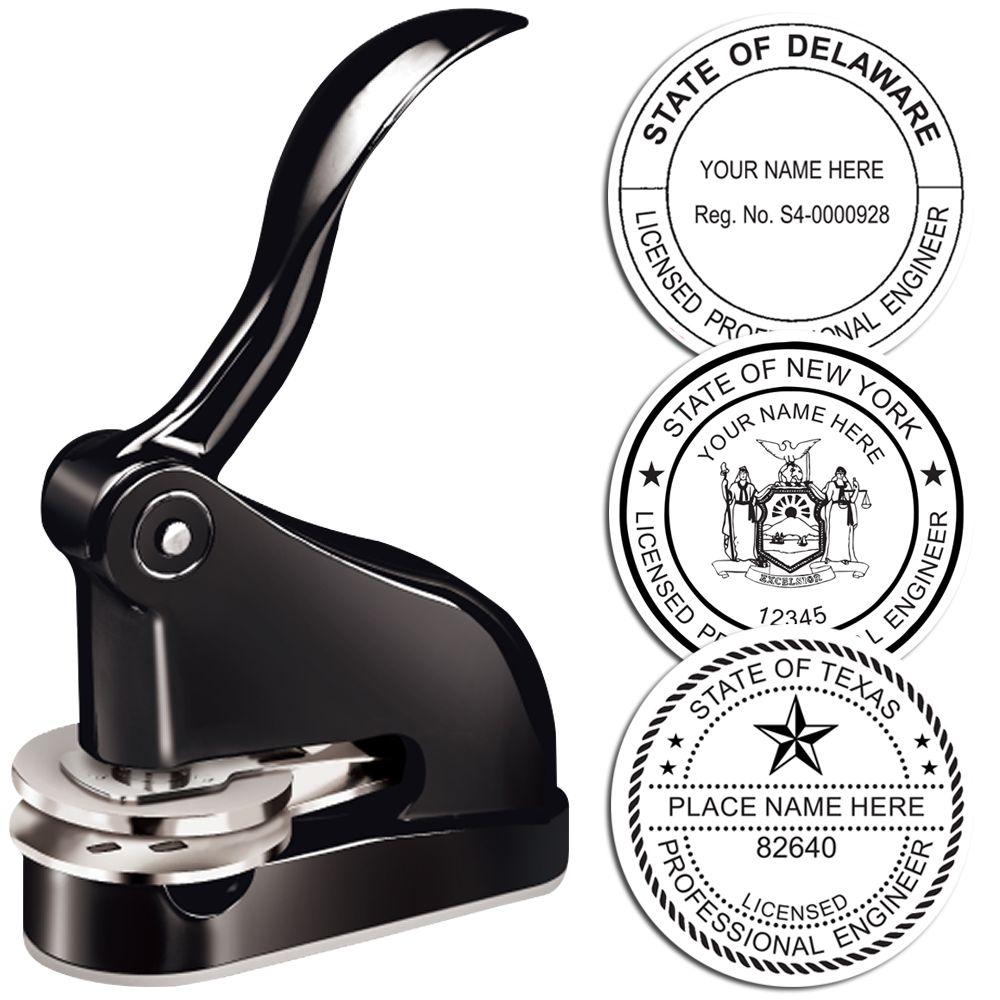
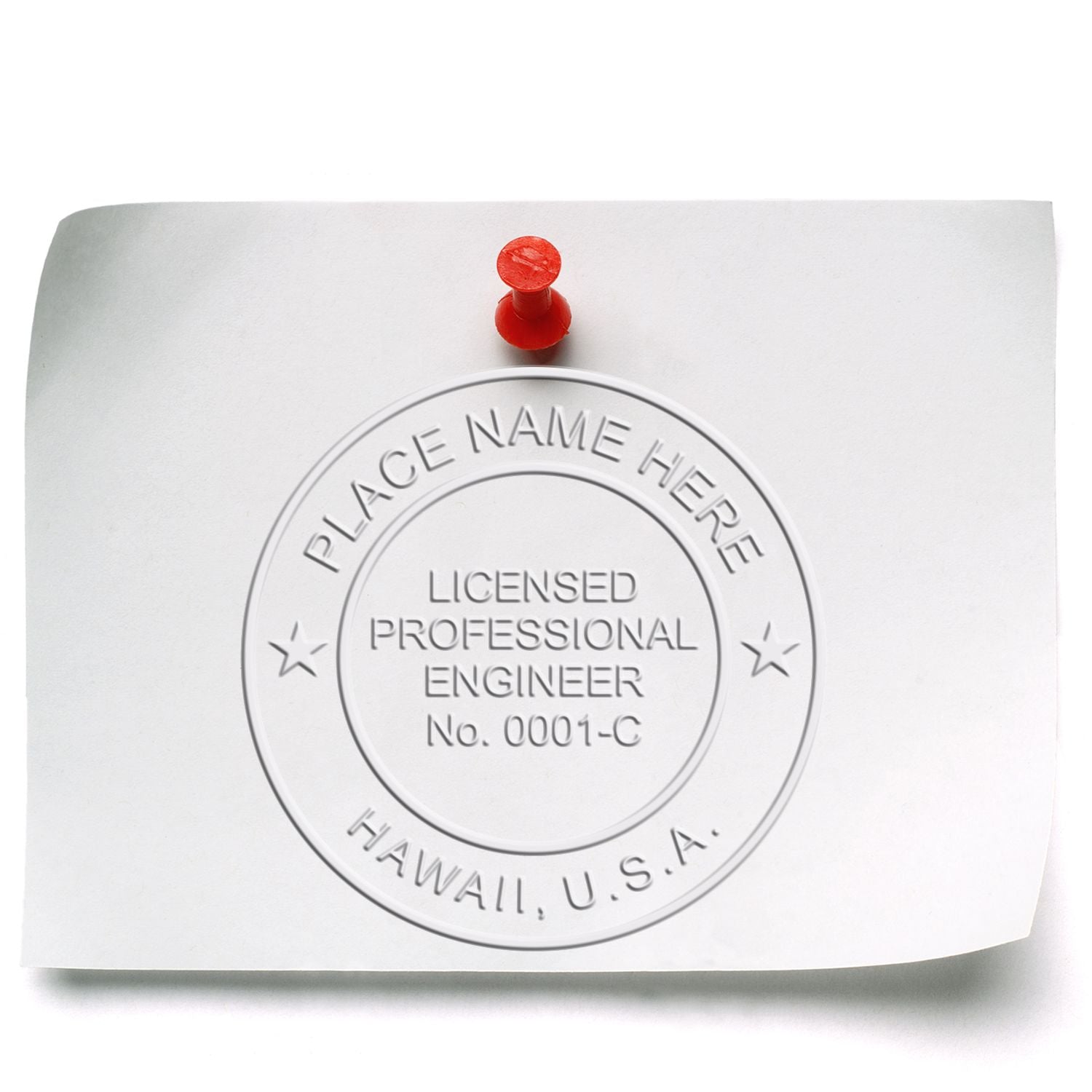
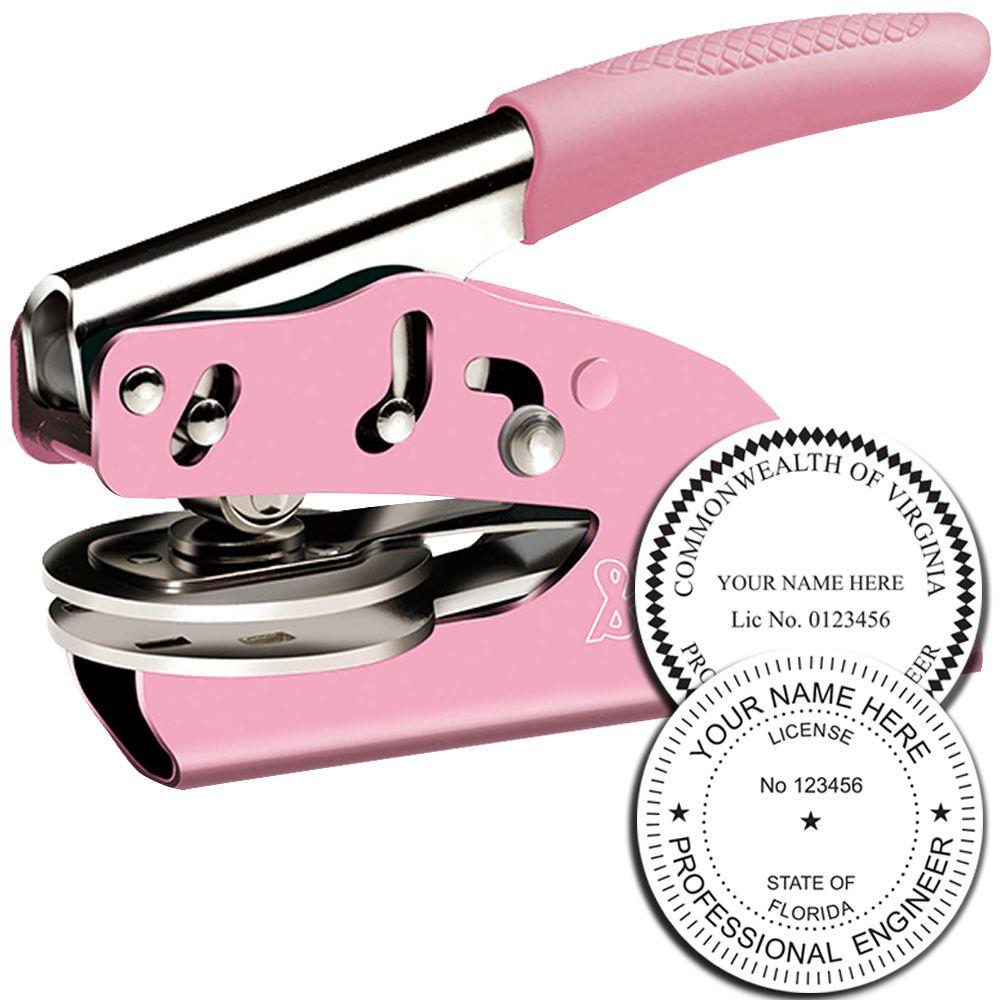
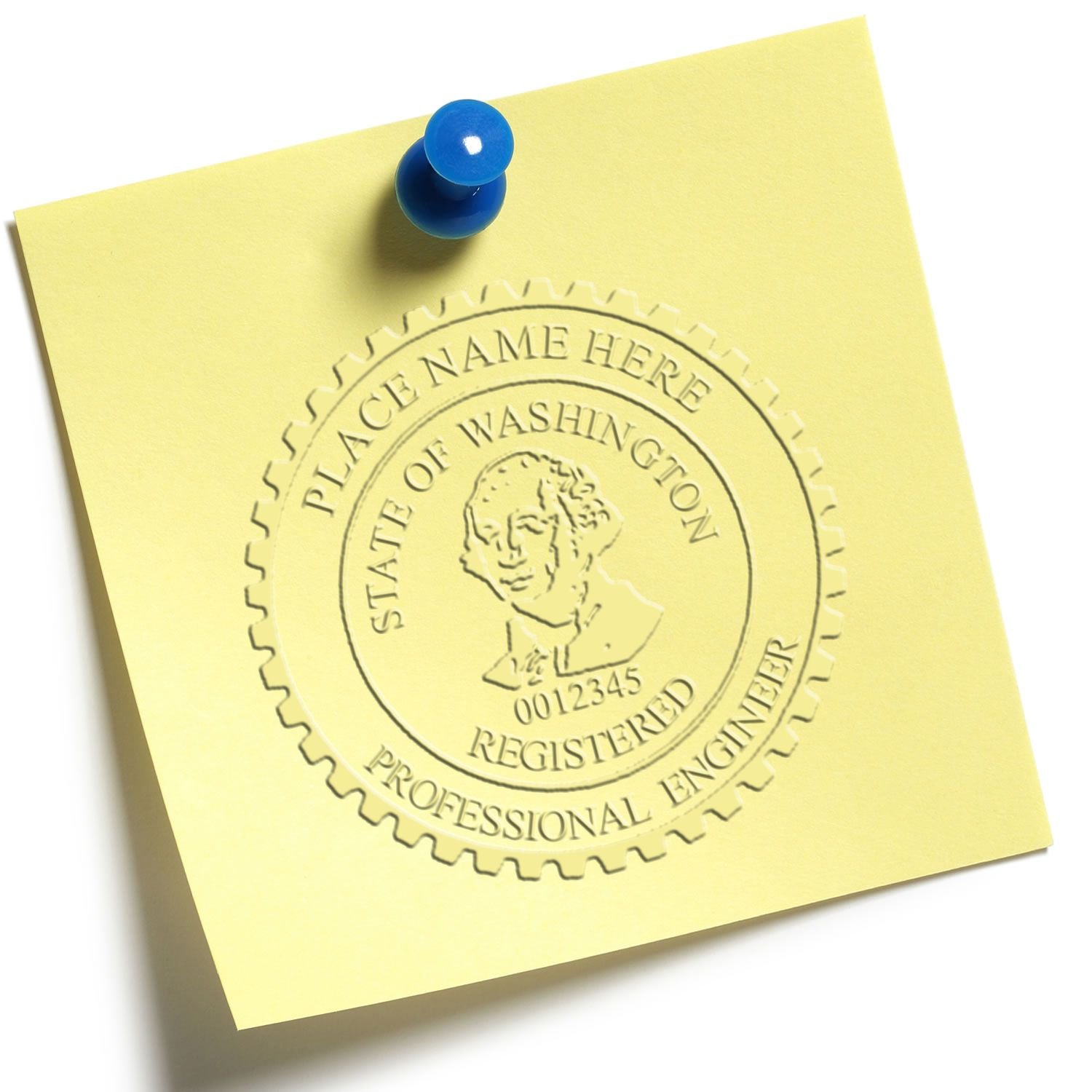
| Embosser | Uses raised impression through metal die | Classic look, can’t be easily altered | Takes a bit more force to use |
| Self-inking stamp | Contains built-in ink pad, good for multiple uses | Quick to apply, portable | Ink pad may dry out or need replacing |
| Pre-inked stamp | Ink within the stamp surface | Crisp impressions, easy to handle | Typically costs a bit more |
| Electronic seal | Digital seal file used for online documents | Convenient for PDF stamping | Must ensure digital security measures |
You’ll find embossers especially valuable if you want a raised impression that’s hard to tamper with. On the other hand, pre-inked or self-inking stamps speed up the process if you’re stamping lots of pages. Some engineers prefer having both, an embosser for formal documents and an ink stamp for day-to-day tasks. If your office has shifted toward paperless workflows, picking up a digital version can make it easier to stamp PDFs electronically.
Know essential regulations
Each state enforces its own laws for sealing documents, and California is no exception. You want to be absolutely certain you’re up to speed on these requirements. Otherwise, you risk rejections from municipal offices or even possible disciplinary action. If you’d like a closer look at the current rules, check out california engineer stamp laws or california engineer stamp regulations. These resources address which documents must be sealed, whether digital signatures are acceptable, and how the Board for Professional Engineers evaluates compliance.
Certain jurisdictions in California even have local add-ons to state regulations. That might mean a specific orientation, a required margin spacing on architectural sheets, or an authorization letter to match your seal. While these details aren’t usually tricky, you should confirm them ahead of time to prevent last-minute surprises.
Common regulation points
- Proper wording or labeling (like “Registered Professional Engineer”)
- Clearly visible size, typically around 1 to 7/8 inches
- Legible imprint with your name and license number
- Some offices only accept black or blue ink
Why choose Acorn Sales
When you’re ready to purchase a seal, you want a trusted supplier on your side. At Acorn Sales, we’ve been in the business of producing professional stamps and seals since 1964, working with engineers and businesses across the country. That long track record means we understand the finer details behind California’s requirements and can guide you in selecting the best product for your firm.
One perk: you’ll get a free electronic seal with any physical stamp purchase. This digital file works for electronically sealed PDFs or in-house prints. Plus, with super fast turnaround times, you can impress your clients by meeting deadlines without a hitch. Our focus on quality ensures your seal will stand up to day-to-day work for years to come.

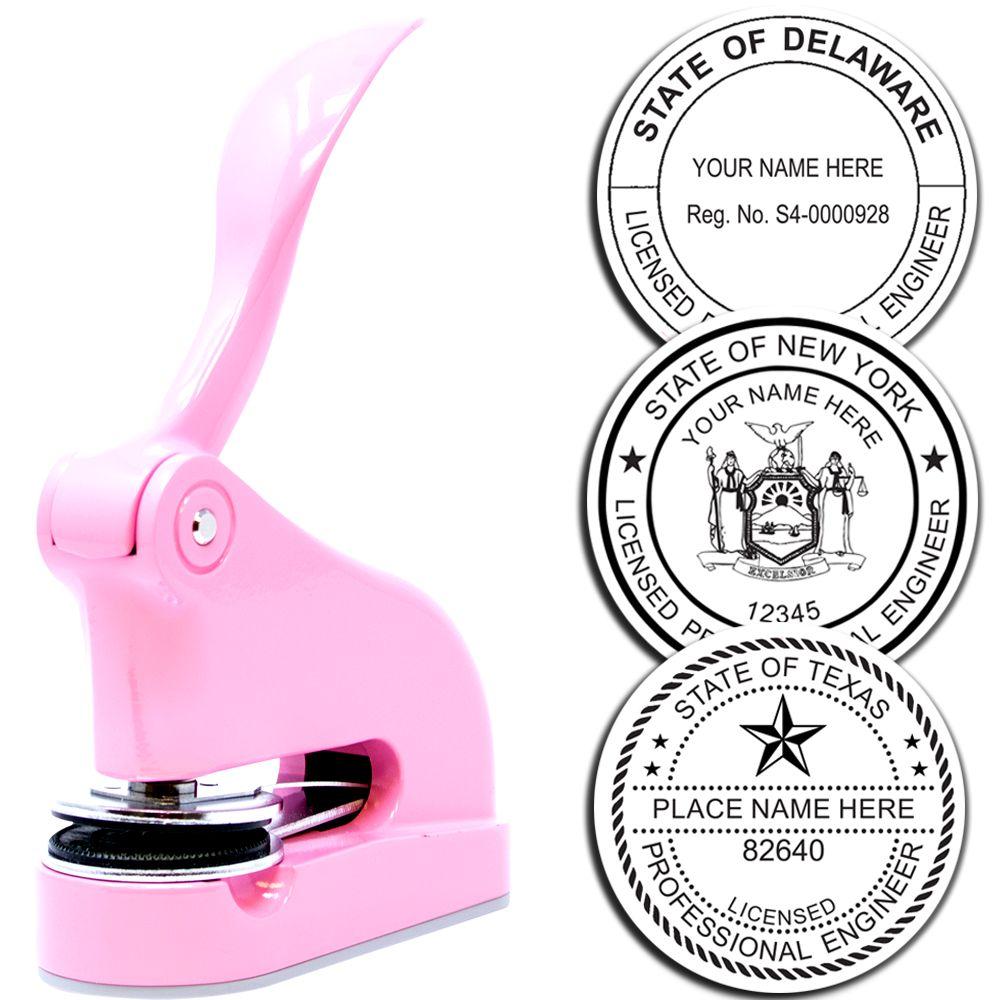
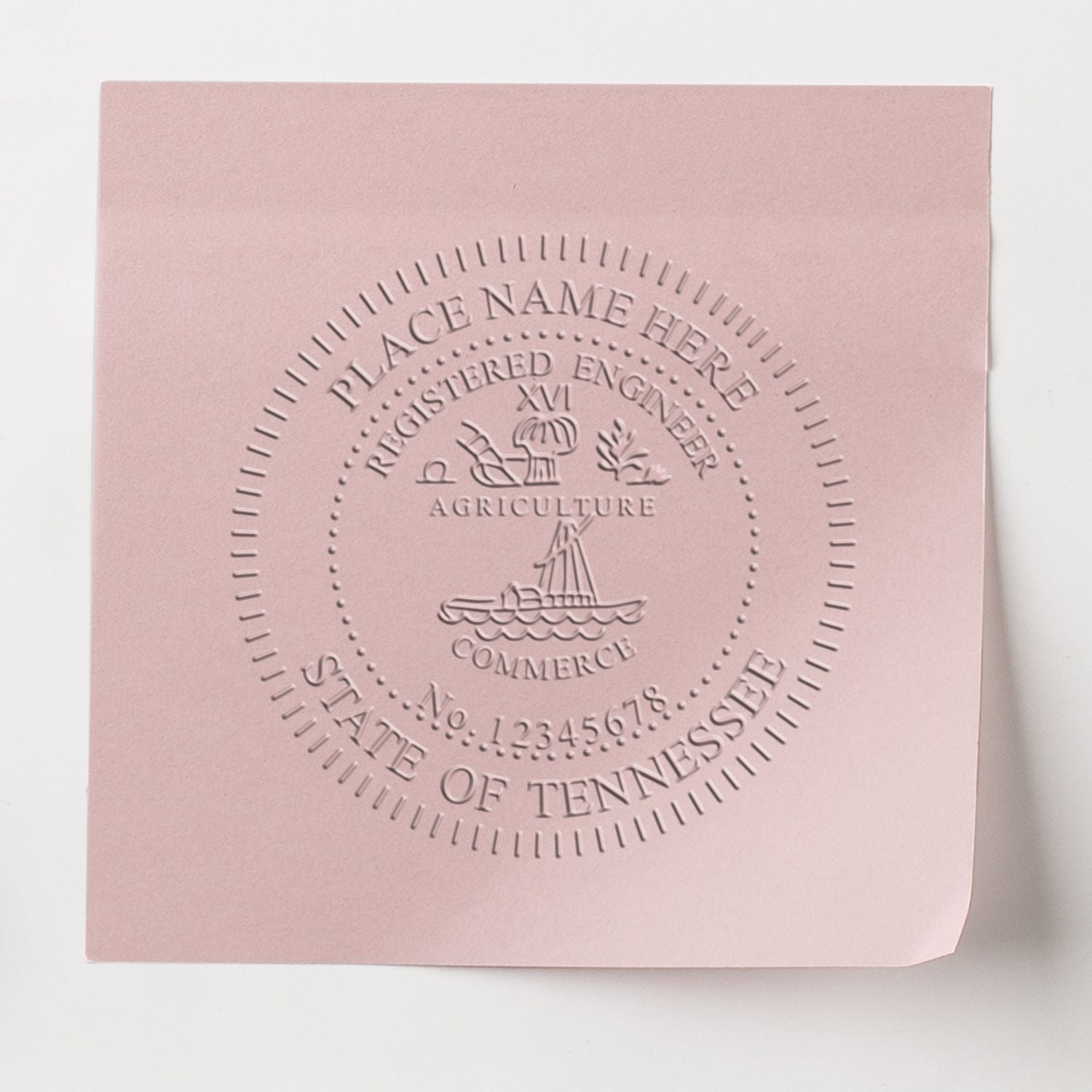
Explore purchasing tips
Buying the right seal comes down to more than how it looks. You also want reliability, convenience, and a style that suits your volume of stamps. Here’s a straightforward guide to help you zero in on exactly what you need:
Confirm your license details:
Make sure your name and license number are correct, matching your official records. A small misspelling can lead to a major annoyance when stamping official plans.Decide on style and format:
- If you prefer a classic look and added security, go for an embosser.
- If you frequently stamp multiple pages, try a self-inking or pre-inked stamp.
- If you’re mostly digital, select an e-seal file or invest in a package that includes both a physical stamp and an electronic version.
Check for local requirements:
Some counties in California might require a specific style or ink color. Before finalizing a purchase, do a quick check or see if california engineer stamp requirements reference any local guidelines.Compare sellers and pricing:
Online stores can vary widely in what they offer. Look at product durability, shipping times, and any extras included. Some suppliers add a handling fee or an artwork setup fee, which might not be obvious at first glance. Always read the fine print.Look for free add-ons:
Acorn Sales gives you a free e-seal with your physical stamp purchase. Having a digital version simplifies remote approvals and future document revisions. You’ll save time, and possibly some money, when you don’t have to buy an electronic seal separately.Confirm turnaround times:
If a building permit submission deadline is breathing down your neck, you can’t afford to wait two weeks for your stamp. Be sure the store can deliver quickly, or you risk a costly hold-up on projects.Validate the final proof:
Once your design is set, request a proof. Double-check all text, spacing, and orientation before you sign off. Little mistakes here can force you to reorder, costing both time and money.
Additional shortcuts
- Keep a backup stamp in case your main one fails.
- Mark your seal purchase date so you know when ink or parts might need replacing.
- Ask for a protective carrying case if you need to bring your seal to various job sites.
Our production process is designed for efficient turnaround, and we ship with reliable carriers. We’ve been doing this since 1964, so we’ve nailed down the best methods for stamping, packaging, and shipping. Plus, our dedicated customer service team can confirm in-stock items or expedite your order if you’re on a tight schedule.
In short, purchasing a California PE seal might feel like a minor detail on your to-do list. But because it reflects your professional standing, it’s worth doing right. You’ll want a seal that meets the state’s design and size requirements, along with any local codes. You’ll also want a supplier who truly understands the nuances, offers strong customer support, and can deliver promptly.
At Acorn Sales, we’re proud to be that partner for countless engineers nationwide. We know precisely how important it is to get your seal or stamp spot-on the first time, so you can confidently move forward with your projects. After all, clarity, consistency, and reliability are the hallmarks of any trusted engineer’s work, and your seal is a tangible testament to those values. Feel free to reach out if you need any additional info or want to explore the best stamping solutions for your upcoming projects.
Frequently Asked Questions
What if my seal doesn’t match required guidelines?
If your newly purchased seal doesn’t follow state or local rules, you might face document rejections. It’s best to verify your seal’s layout. You can examine recommended guidelines in places like the california engineer stamp design documentation or revisit your proof with the seller.
Can I use one seal type for all my documents?
Generally, yes, as long as it meets California’s standards for clarity and size. But if you handle different kinds of documents, some digital, some printed, it might be easier to have both a physical stamp and an electronic file.
How often can I reuse my electronic seal?
You can use your e-seal as often as needed, provided your license remains valid and current with California’s board. It’s simply a digital version of your physical seal, so treat it with the same level of care and security. Since you get one free with an Acorn Sales purchase, it’s easy to incorporate into your office software.
Do I need to buy a new seal if I renew my license?
As long as your name and license number remain unchanged, you can keep using the same seal. If the board issues you a new license number or you make a name change, you’ll need to update your seal and confirm you meet the latest specification. And if you’re curious about what the state enforces currently, take a peek at california pe stamp regulations.
What about storing and maintaining my seal?
Store physical stamps in a clean, dry place and keep the protective cap or case on to maintain the ink pad and die. Embossers should be wiped clean occasionally so dust doesn’t affect the raised design. If you prefer to create a custom design, you might consider a custom engineer seal california product.








