
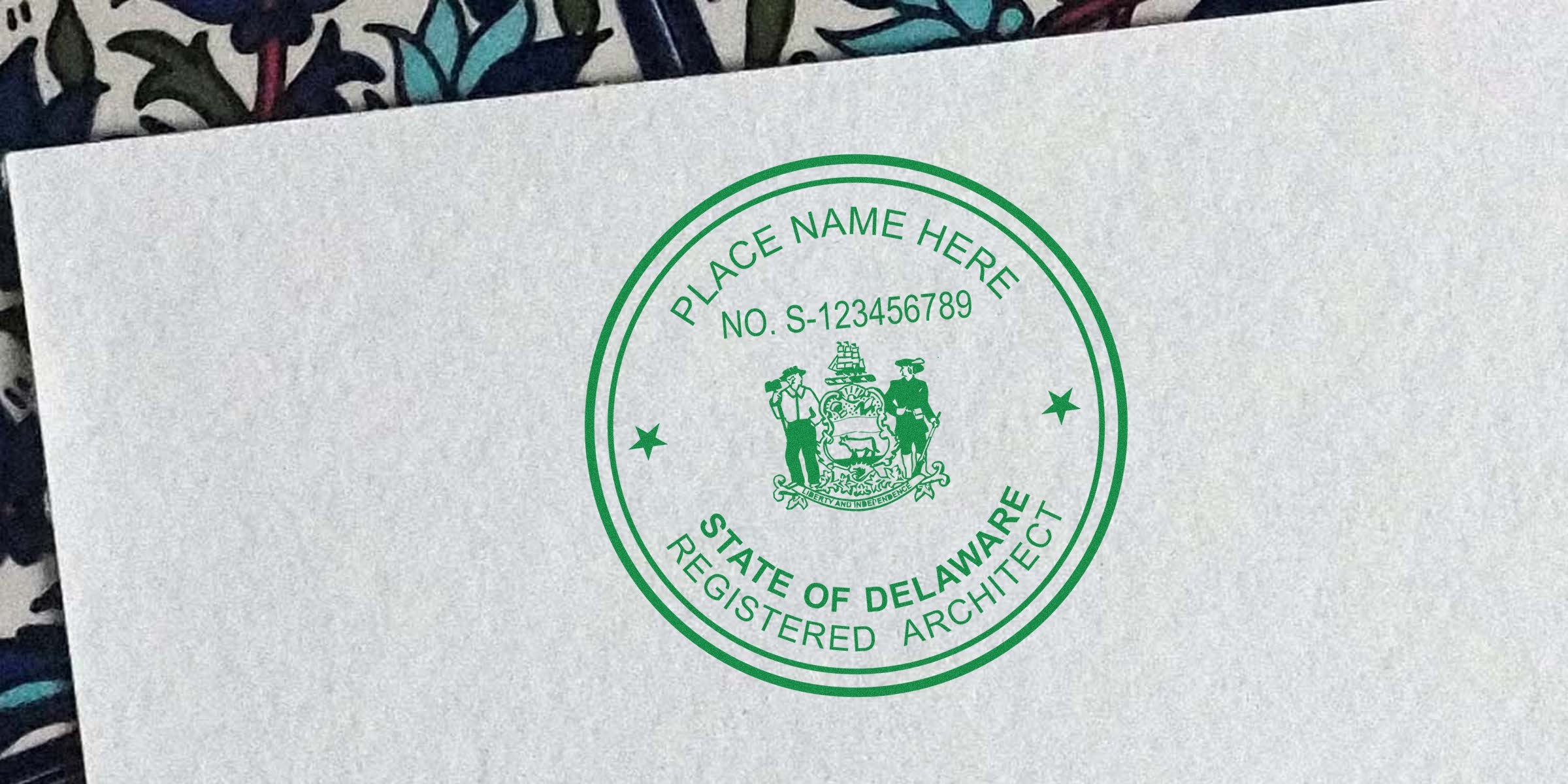
Florida architect stamp for residential projects is more than just a technical requirement. It gives your home designs a professional seal of approval that meets Florida's standards, making your life simpler when it comes time for permitting or client presentations. Below is a clear rundown on why these stamps are important, how to get one, and tips to make the most of it for your upcoming projects.
Understand the Florida Architect Stamp
A Florida Architect Stamp is an official seal verifying that your work follows state regulations. Essentially, you're signaling that a licensed professional has reviewed or created the drawings. If you’re putting together residential plans or expansions, this stamp can be the deciding factor that moves your project from concept to reality.
Ensuring Compliance with Rules
- Florida law requires architects to incorporate a compliant seal on official drawings.
- You’ll want to confirm local ordinances to make sure your stamp meets every detail.
- For more specifics, see these florida architect stamp requirements.
See Why the Stamp Matters
Having a state-compliant seal makes many of your tasks smoother. Building departments and clients alike trust that a plan with an architect’s stamp has been thoroughly vetted for accuracy and safety.
- It speeds up the permit review process.
- It demonstrates your professional credibility.
- It keeps you aligned with Florida’s legal standards, preventing potential headaches down the road.
Choose a Trusted Supplier
When it’s time to purchase or update your seal, you want a company known for quality. Acorn Sales is a trusted supplier of Florida Architect Stamps, Florida Architect Seals, FL Architectural Seal Stamps, and even Digital Architect Stamps and Seals. After more than 60 years in the stamping industry, we’ve perfected quick turnaround options that fulfill Florida’s unique requirements, so you can keep your projects on schedule.
Consider Digital Stamps and Seals
Did you know Florida also allows digital stamping for architectural documents? If you often send drawings online or work remotely, a digital seal can be a game-changer. It removes the need for physical stamping while still retaining that official touch.
- Saves you time by integrating seamlessly into CAD or PDF software.
- Eases collaboration since colleagues can view stamped documents virtually.
- Offers trackable and verifiable security features.
Keep It State Compliant
Even the best stamp or seal is only useful if it meets Florida’s regulations. Make sure you use clear, legible text that displays your name and license number. Double-check for updates to state guidelines annually, especially if you’re involved in residential projects where local building codes can shift.
Think of your Florida Architect Stamp as your project’s trusted badge of authenticity. When you’re ready to give your plans that official flair, turn to Acorn Sales for stamps that meet Florida requirements and keep your workflow streamlined. Have fun bringing those residential visions to life!
Frequently Asked Questions
Do I Need a Florida Architect Stamp for Every Residential Project?
Yes, most official drawings for residential builds demand a stamped authorization from a licensed Florida architect.
Are Digital Architect Stamps Legally Recognized?
Absolutely. Florida accepts digital versions as long as they contain secure features and follow established guidelines.
What Happens if My Stamp Doesn’t Meet Regulations?
Your permit request might be delayed or rejected. Ensuring compliance from the start can save you a lot of hassle.
How Fast Can I Get a Stamp from Acorn Sales?
We understand tight deadlines, so we pride ourselves on quick turnaround times. You can often receive your physical or digital stamp faster than you might expect.
Do I Need More Than One Stamp Design?
Typically, a single design suffices, as long as it meets all state essentials. However, some architects opt for a different version for digital use.
Is a Notary Seal the Same as an Architect Stamp?
Nope. A notary seal serves a completely different legal function. You’ll need an architect stamp specifically tailored to Florida’s building code.








